Alibaba’s entry into Pakistan’s BNPL market through KOKO Tech introduces new financial access opportunities but also raises concerns about debt risks, low financial literacy, and limited consumer protection frameworks in the country.
When Securities and Exchange Commission of Pakistan granted an NBFC licence to KOKO Tech Pakistan, a subsidiary of Alibaba Group, the reaction was immediate.
Celebration. Headlines. Optimism.
And to be fair — it is significant.
But there is a harder question that deserves attention:
Who actually benefits when a global tech giant enters Pakistan’s consumer finance market?
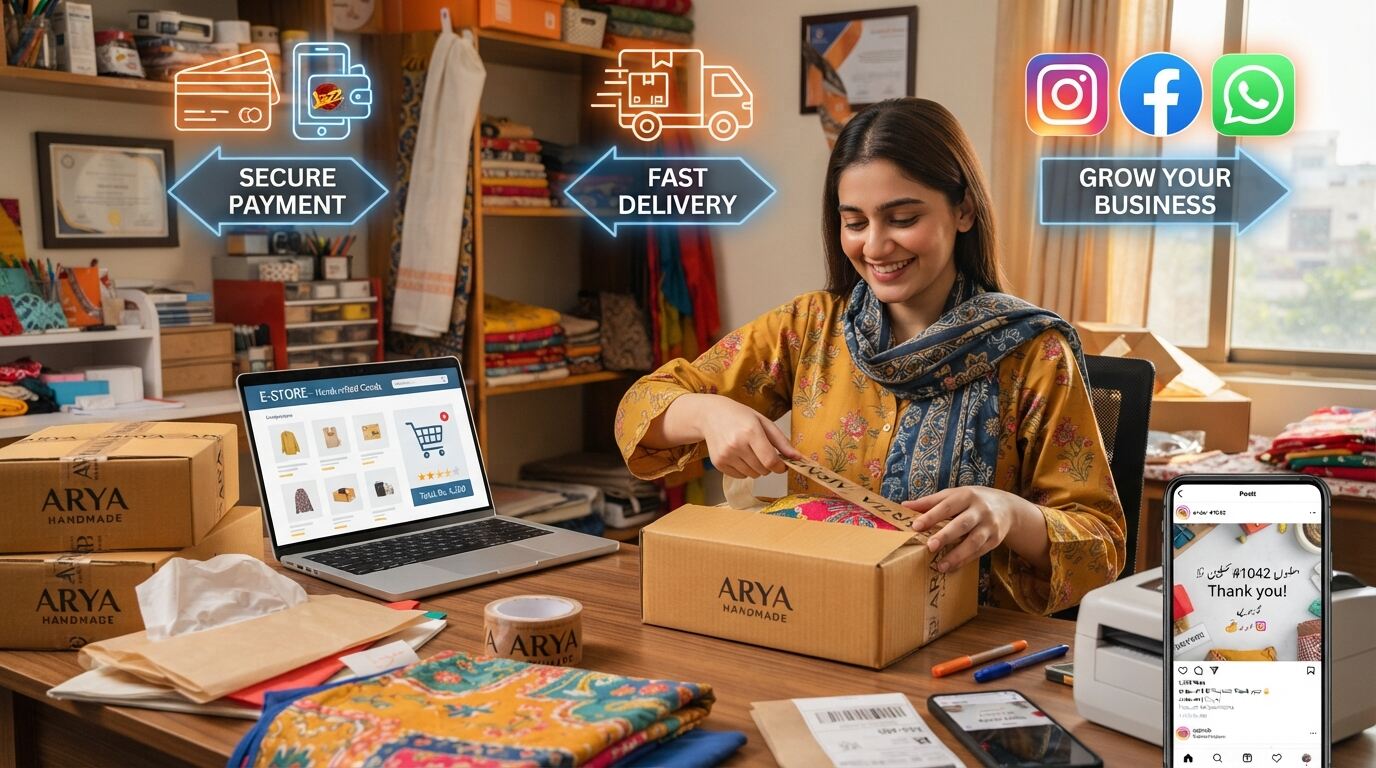
Buy Now Pay Later (BNPL) is often positioned as financial inclusion.
On the surface, it looks like access.
But structurally, it is still debt.
Not traditional debt with paperwork and friction.
But fast, invisible, frictionless debt.
The kind that feels manageable — until it accumulates.
In mature markets, BNPL adoption has already shown patterns:
These numbers come from ecosystems with:
Pakistan operates in a very different context.
Pakistan offers the perfect conditions for BNPL growth:
But it also presents structural challenges:
This combination creates a critical tension:
High access potential + Low protection readiness
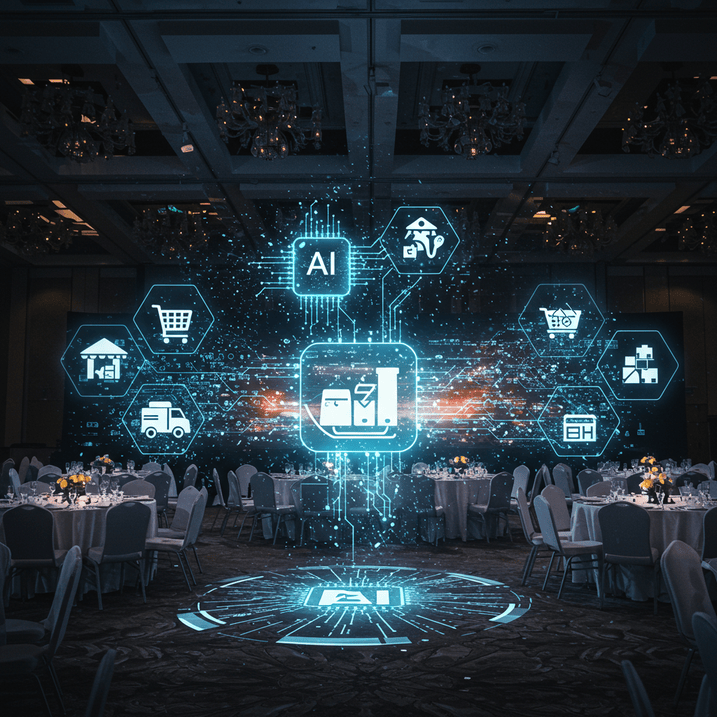
KOKO Tech Pakistan is expected to deploy AI-driven credit assessment systems.
These systems are powerful.
But they are also context-dependent.
An algorithm trained on global datasets may not understand:
In short:
It understands data. Not lived realities.
BNPL becomes dangerous when:
In such cases, “financial inclusion” can quickly become:
A structured pathway into over-indebtedness
Especially for:
This development could:
The outcome depends entirely on how responsibly the system is implemented.
The role of the Securities and Exchange Commission of Pakistan is now central.
Key priorities must include:
Without these, scale becomes risk.
Alibaba’s entry raises the competitive bar.
Local players must now compete with:
But they still hold one advantage:
Local understanding
That advantage must now be sharpened — quickly.
This pattern is not unique.
Globally, fintech expansion into emerging markets often follows:
Pakistan is now part of this global cycle.
The real issue is not Alibaba’s entry.
It is timing.
Are Pakistan’s systems ready for what is about to scale?
Because the real user is not a statistic.
It is:
If these users succeed, BNPL works.
If they struggle, the system fails them.
Pakistan’s fintech future will depend on balance:
BNPL could become:
The difference will be determined in the next 2–3 years.
Alibaba Group entering Pakistan is not inherently good or bad.
It is powerful.
And power requires structure.
This is not a finish line for Pakistan’s digital economy.
It is the starting point of a more complex phase — where decisions made today will define outcomes for millions.
The real question is not whether Alibaba wins.
It is whether Pakistan builds the systems to ensure its people do.