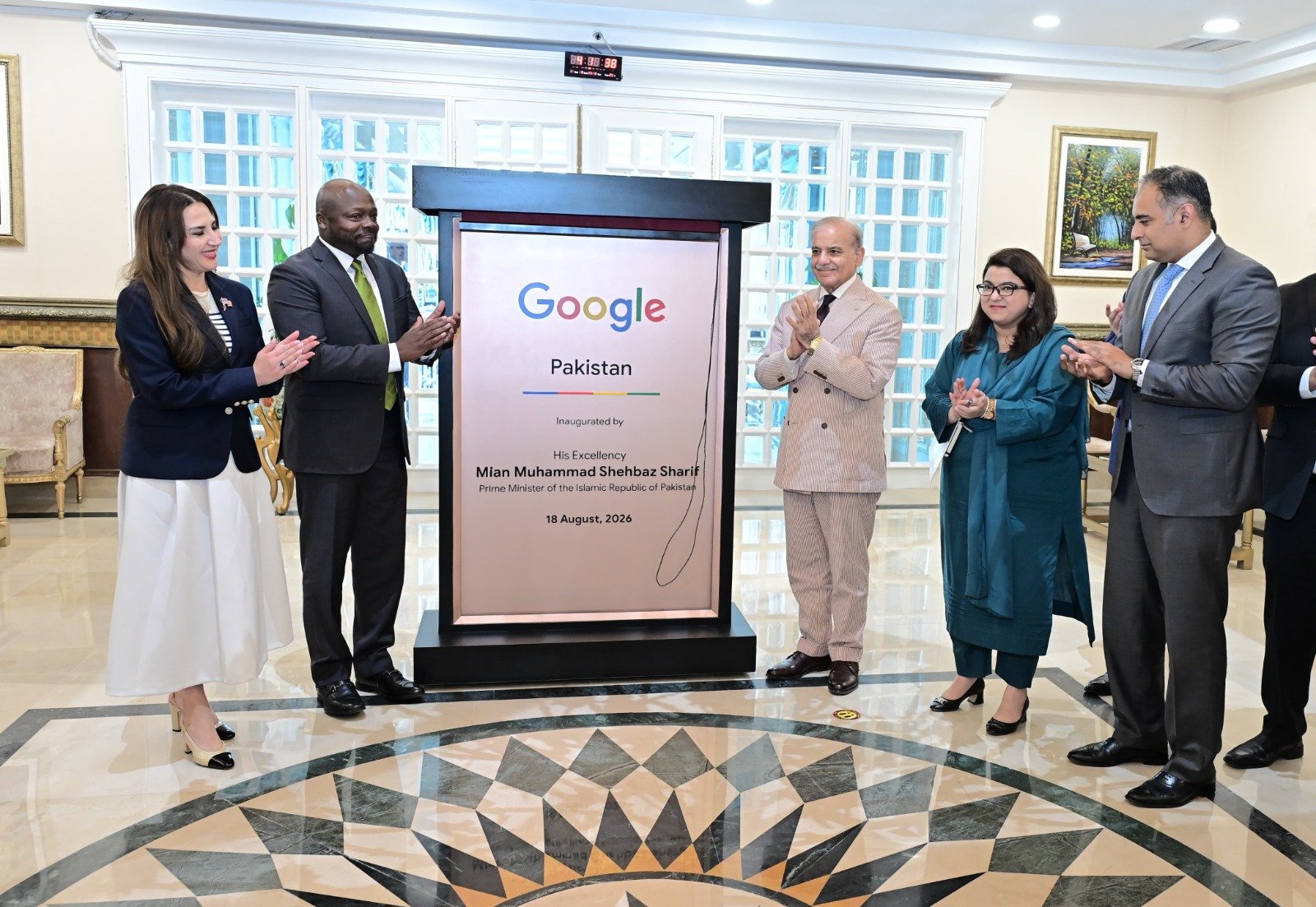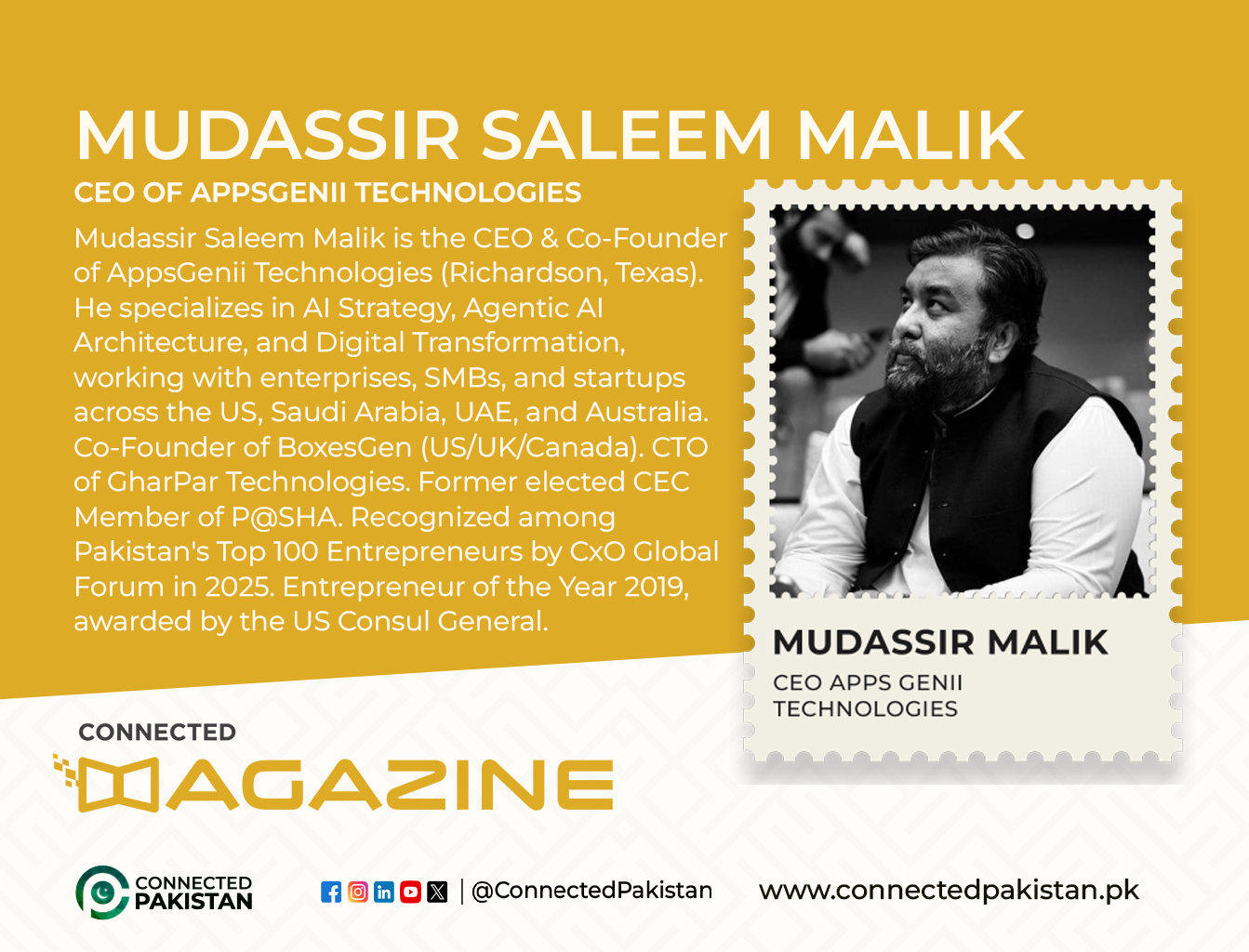
Mudassir Saleem Malik is a Pakistani AI strategist and CEO of AppsGenii Technologies, helping global enterprises adopt AI. Based in Texas, he connects Pakistan’s tech talent with international markets while contributing to Pakistan’s startup ecosystem through ventures, leadership roles, and AI-driven innovation.
There is a version of the Pakistan technology story that most people outside the country do not know. It is not the story of outsourcing, of cheap labour, or of a developing market catching up. It is the story of a generation of Pakistani technology leaders who built genuine expertise, took it global, and are now operating at the strategic level inside some of the world's most demanding enterprise markets, not as vendors, but as architects of the decisions that shape how organizations adopt and implement artificial intelligence.
Mudassir Saleem Malik is one of those leaders. Based in Richardson, Texas, he is the CEO and Co-Founder of AppsGenii Technologies, a company he built from its founding in Pakistan into a global AI and digital transformation practice with clients across the United States, Saudi Arabia, the UAE, and Australia. He specializes in helping enterprises, growth-stage companies, and startups define their AI strategy, design Agentic AI systems, and lead the transformation that makes adoption stick.
But what makes Mudassir's story worth telling on Connected Pakistan is not just what he has built in the United States. It is the fact that he has never stopped building in Pakistan, and that he sees the two as inseparable parts of the same mission.
"Pakistani technology talent does not need permission to lead at the global level. It needs the right positioning, the right relationships, and the confidence to walk into rooms where the decisions are made."
Mudassir graduated with a degree in Computer Science in 2007, a time when Pakistan's technology industry was still defining itself, and when the idea of a Pakistani company doing strategic AI work for US enterprises would have seemed remote. He spent his early years in business development and project delivery, building a working understanding of how organizations make decisions, where they get stuck, and what they are genuinely willing to invest to solve.
In 2011, he co-founded AppsGenii Technologies. The early years were about building delivery credibility, mobile applications, web platforms, technology consulting for clients who needed reliable, high-quality execution. What distinguished AppsGenii from many of its contemporaries was a discipline that Mudassir enforced from the beginning: understand the business problem first, technology second.
"The companies that fail at technology implementations almost always fail at the same point," he explains. "They start with the technology. They pick a tool, assign a team, and call it a transformation. What they skipped was the business analysis, understanding whether the problem they are solving is the right problem, whether the data exists to solve it, and whether the organization is structured to act on what the system produces."
That discipline, rigorous, unglamorous, and genuinely rare, became the foundation of everything AppsGenii built over the next decade. And as AI moved from experimental to essential, it became the thing that separated Mudassir's practice from the hundreds of vendors offering AI as a product rather than a capability.
Mudassir describes his practice as three connected disciplines that most organizations try to hire separately, and then struggle to align.
The first is AI Strategy and Business Analysis. Before any technology decision is made, he works with leadership teams to map their operations, identify where AI creates genuine leverage versus where it adds cost without proportional return, build the ROI model, and define what success actually looks like. For a CXO in Texas or a founder in Lahore, the question is the same: what specific business outcome do you need AI to improve, and how will you measure whether it has?
The second is Agentic AI Architecture, the design of systems where AI agents can reason, make decisions, and act with a degree of autonomy. This is the frontier of enterprise AI right now, and it is where Mudassir has invested deeply. Multi-agent workflows. Tool integration. Decision logic. Governance frameworks that keep autonomous systems reliable and auditable in production environments. He has been working in this space before it became the industry's most discussed topic.
The third is Digital Transformation Leadership, the organizational change work that makes AI adoption stick. Technology alone does not transform a business. People, processes, and infrastructure have to shift around it. This is often the hardest part of the work, and the part most implementation plans underestimate.
Mudassir's primary market is the United States, and he is deliberate about saying so.
Texas, where he is based, has become a serious enterprise technology hub. The Dallas-Fort Worth corridor is home to major financial services firms, healthcare organizations, insurance companies, and energy sector enterprises actively investing in AI and digital transformation. California remains the center of gravity for venture capital and AI infrastructure. New York brings enterprise financial services at scale, banks, lending platforms, compliance-heavy institutions where AI in risk decisioning, fraud detection, and regulatory automation is moving from pilot to production.
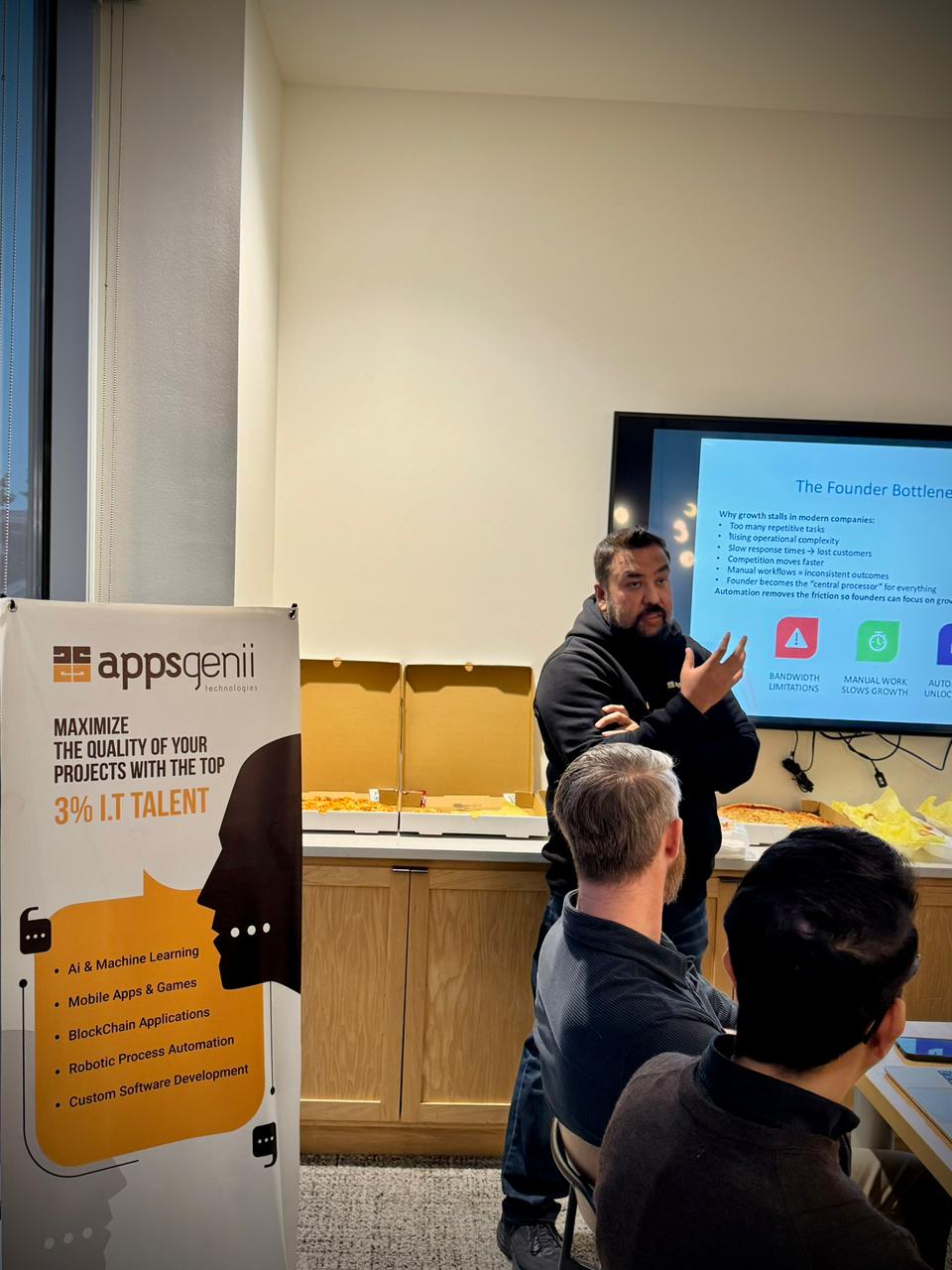
Across all three markets, Mudassir works at the CXO level, helping leadership teams build the business case for AI investment, design the right architecture, and lead the transformation that follows. He is not selling software. He is the person organizations bring in when they need someone who can think clearly about the problem before anyone talks about the solution.
"The US market is demanding in the best possible way," he says. "There is no tolerance for vague strategy. If you cannot tell a CFO exactly what the AI will improve, exactly how you will measure it, and exactly what the governance structure looks like, you are not in the room for long. That standard has made our practice better."
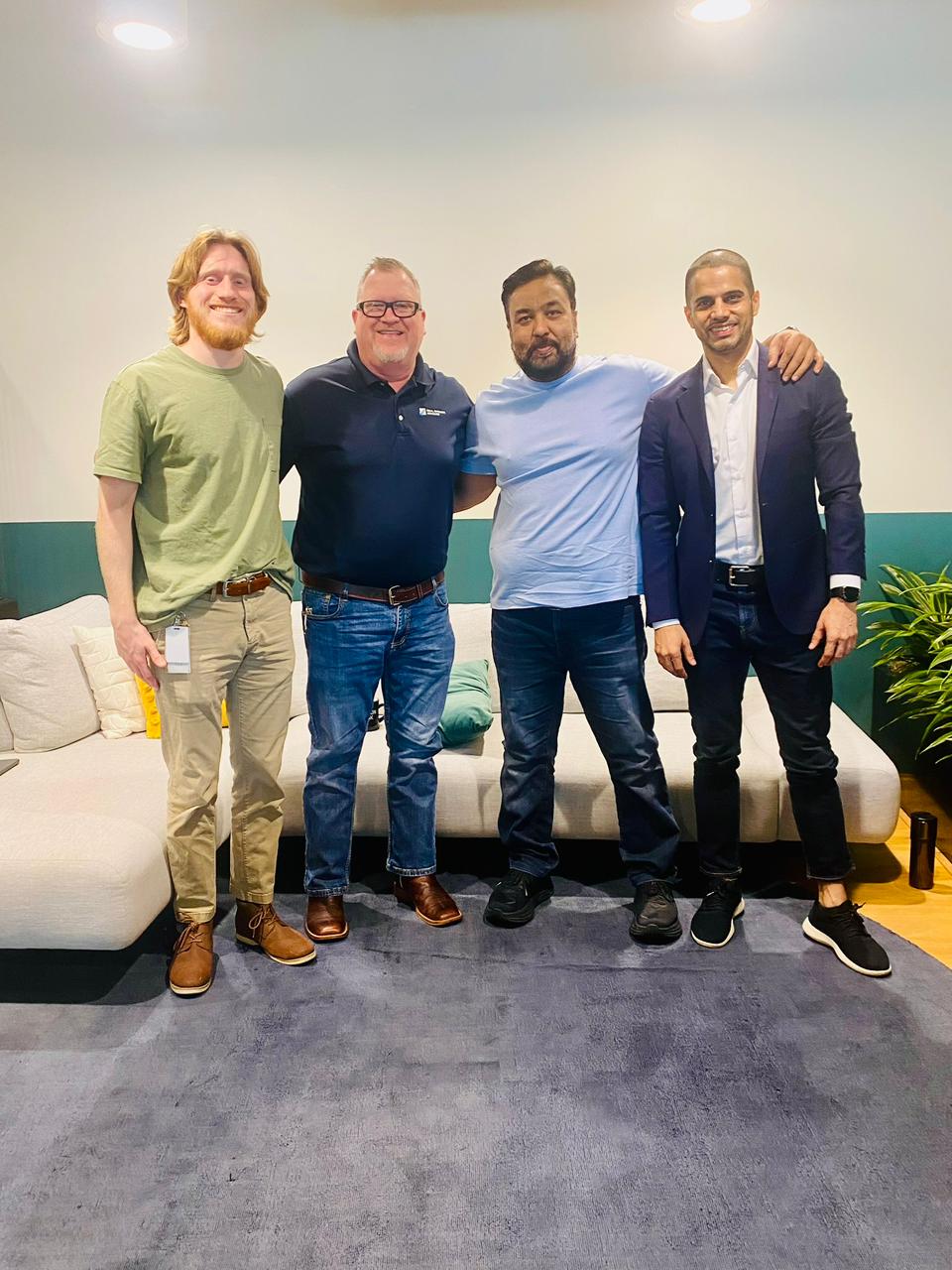
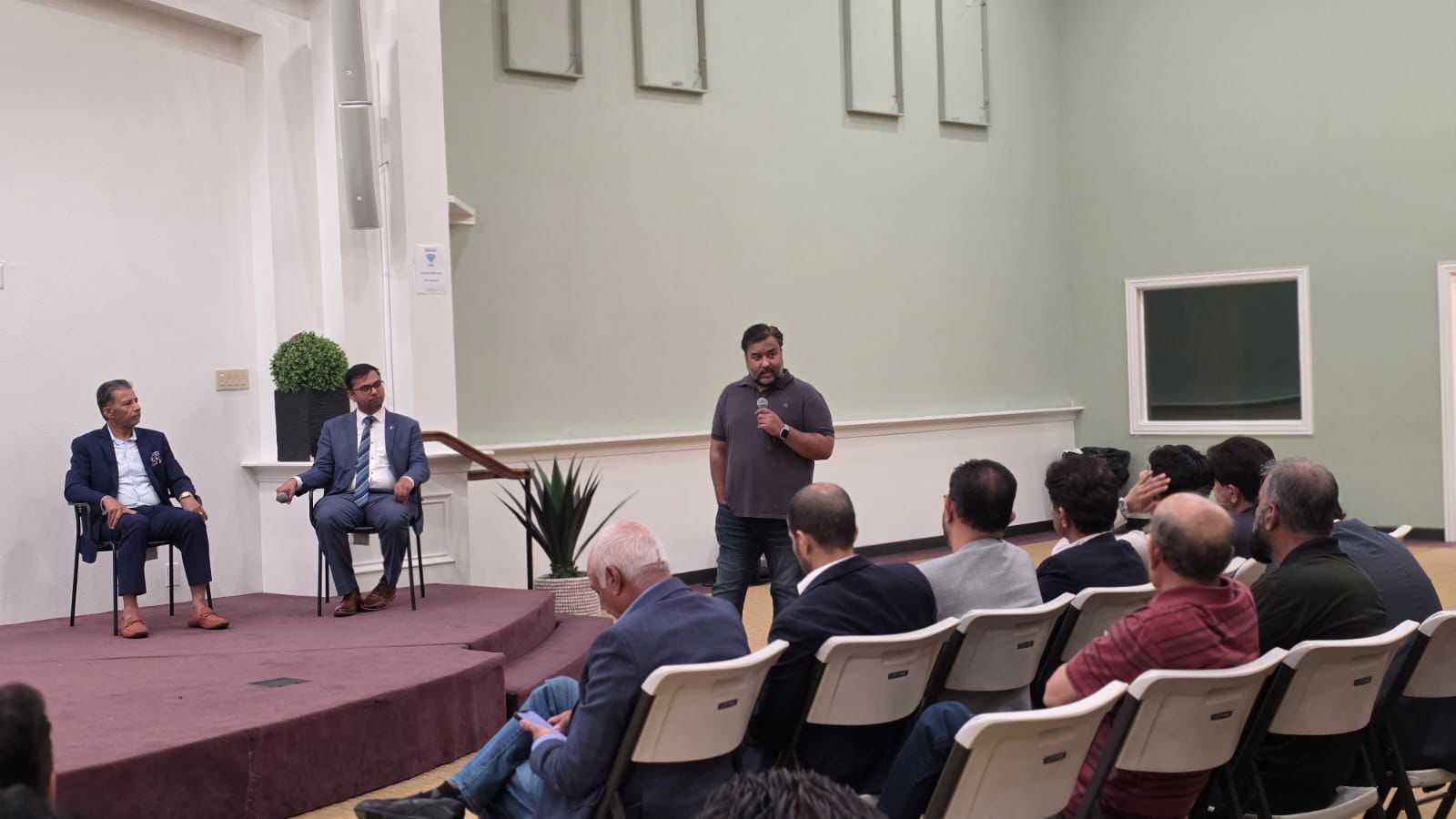
His engagement with global startup communities in Texas and California adds another dimension, connecting Pakistani technology founders with US investors, linking Pakistani engineering capability with US enterprise buyers, and building the kind of cross-border relationships that create real commercial outcomes rather than conference connections. He is a recognized figure in those networks not because he shows up with a business card, but because he delivers results for the people he connects.
"There is no tolerance for vague strategy in the US market. If you cannot tell a CFO exactly what AI will improve and how you will measure it, you are not in the room for long."
What sets Mudassir apart from many Pakistani entrepreneurs who have built careers in the United States is his continued and active investment in Pakistan's technology ecosystem, not as philanthropy, but as a genuine strategic commitment.
At GharPar Technologies, where he serves as Chief Technology Officer, he led the AI strategy for one of Pakistan's most interesting marketplace platforms, connecting beauty and wellness professionals with customers for at-home services. The work was a masterclass in applied AI strategy: demand forecasting to reduce professional idle time, intelligent matching to improve service consistency, dynamic pricing signals to optimize booking economics. The result was not just a better product, it was a platform that today provides flexible, formal employment for over 1,500 women, many from backgrounds where that kind of economic opportunity had simply not existed before. That outcome was designed, not accidental.
BoxesGen, the eCommerce startup he co-founded, reflects a different dimension of his entrepreneurial portfolio, building a cross-border commerce business serving customers in the US, UK, and Canada with custom packaging solutions. In a market traditionally characterized by fragmentation and friction, BoxesGen applied a digital-first model to simplify the discovery, customization, and procurement of packaging products for businesses of all sizes. The commercial reach across three countries is a testament to the same principle Mudassir applies everywhere: understand the customer's actual problem before designing the solution.
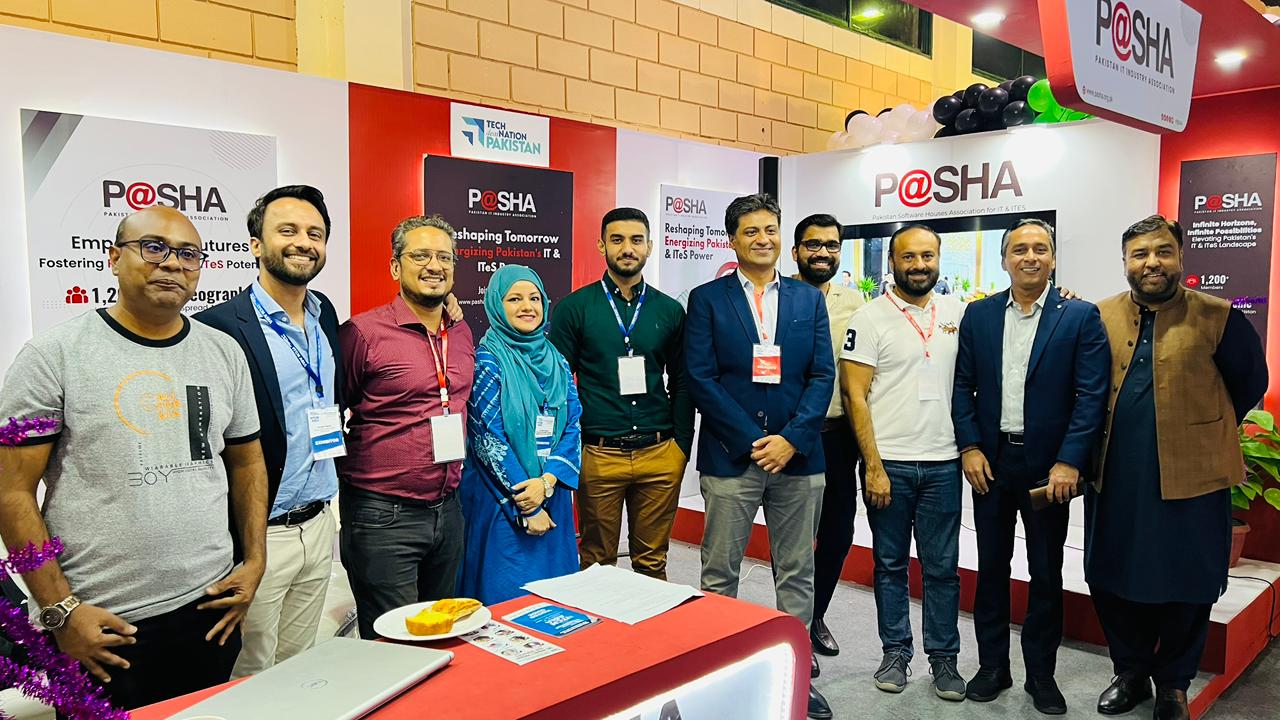
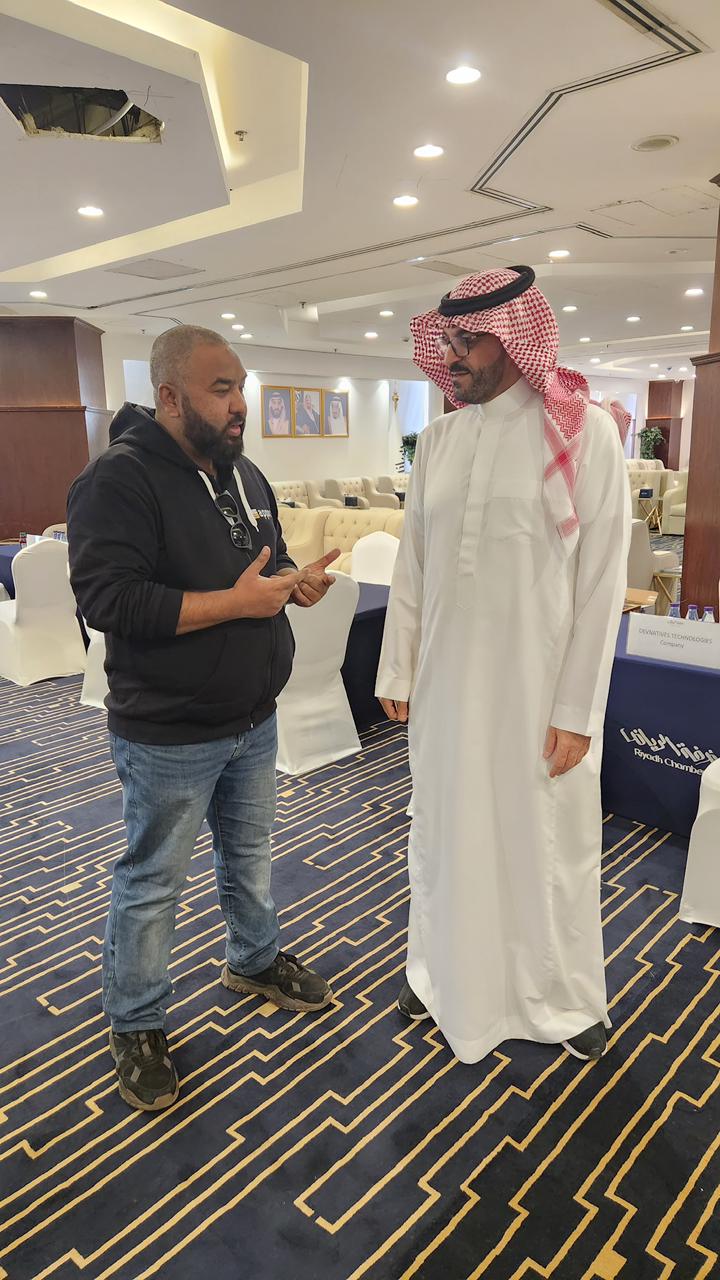
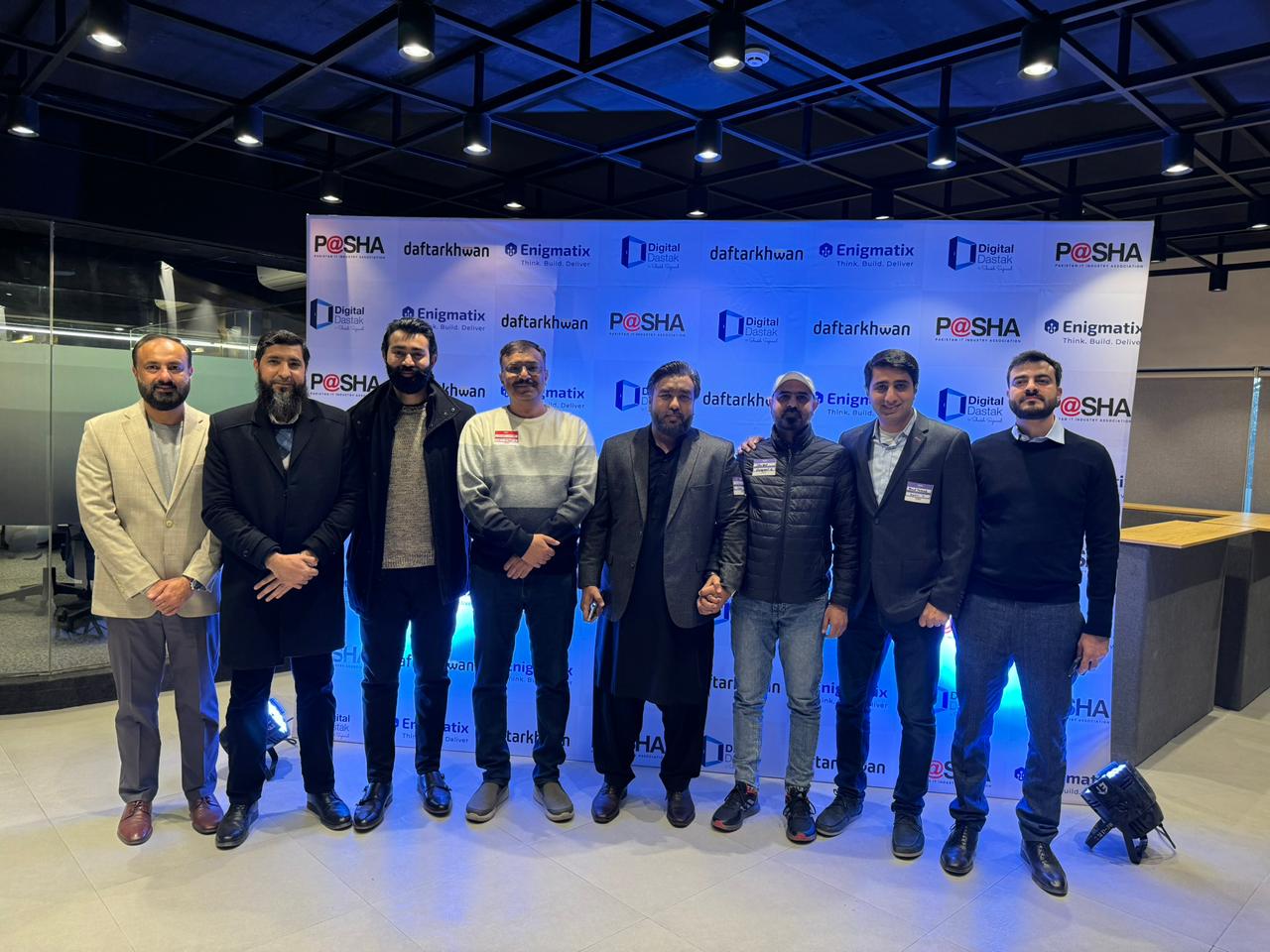
At the institutional level, Mudassir served as an elected member of the Central Executive Committee of P@SHA, Pakistan Software Houses Association, for two years, chairing both the Industry Engagement and Startup committees simultaneously. Under his leadership, P@SHA's membership base doubled. He led international delegations at LEAP Saudi Arabia and ITCN Asia, hosted the Chairperson of the Digital Cooperation Organization of Saudi Arabia at the national level, and worked directly with the Ministry of Information Technology on initiatives to strengthen Pakistan's technology export competitiveness.
"P@SHA was some of the most important work I have done," he says. "Not because of the title, because of what it represented. The opportunity to shape the environment that the next generation of Pakistani technology companies operates in. To make it easier for the people coming after us to do what we had to figure out on our own."
Beyond the US and Pakistan, AppsGenii has built a significant presence in MENA, particularly in Saudi Arabia and the UAE, where FinTech and HealthTech are both at an inflection point.
In FinTech, the work spans payments infrastructure, digital lending platforms, insurtech workflow automation, and neo-banking systems, all designed with the regulatory frameworks of SAMA and the CBUAE built into the architecture from day one. In HealthTech, the challenge is access and scale, applying AI to clinical decision support, patient triage, and care coordination in systems that are expanding faster than specialist capacity can keep up with.
For Mudassir, the MENA work and the Pakistan-US work are not separate businesses. They are expressions of the same capability applied in different contexts, and each makes the other stronger. The compliance rigor required in regulated MENA markets strengthens the governance frameworks his team builds for US FinTech and HealthTech clients. The scale of US enterprise delivery gives his MENA clients confidence that the team has operated in demanding environments before.
Mudassir is thoughtful about what his own trajectory means for the broader Pakistani technology community, and honest about what it required.
"The opportunity is real," he says. "The US market genuinely needs what Pakistani technology professionals can offer, engineering quality, problem-solving depth, and increasingly, strategic AI capability that is not easy to find anywhere. But accessing that opportunity requires more than technical skill. It requires being able to communicate at the level of the people making decisions. Understanding how a US enterprise thinks about risk, ROI, and governance. Building trust over time rather than trying to shortcut it."
His advice to Pakistani entrepreneurs and technology professionals looking to build global careers is consistent: invest in understanding the business context of the markets you want to serve, not just the technology. Build the relationships before you need them. And position yourself around the problem you solve, not the service you offer.
"There is a fundamental shift that has to happen in how Pakistani technology professionals present themselves globally," he says. "We have spent decades positioning ourselves as delivery capability. The next chapter is positioning ourselves as strategic partners, people who help organizations think, not just execute. That shift is already happening. I want to see more of us making it."
"The next chapter for Pakistan's tech community is positioning ourselves as strategic partners, people who help organizations think, not just execute. That shift is already happening."
Mudassir Saleem Malik's story is, in one sense, a straightforward one: a Pakistani technologist who built something real, took it global, and kept building. In another sense, it is a blueprint, for what is possible when technical capability meets strategic clarity, when delivery credibility earns the right to shape decisions, and when the bridge between Pakistan and the world is built one genuine relationship at a time.
He is not finished. And neither, it seems, is the work.
Mudassir Saleem Malik is the CEO & Co-Founder of AppsGenii Technologies (Richardson, Texas). He specializes in AI Strategy, Agentic AI Architecture, and Digital Transformation, working with enterprises, SMBs, and startups across the US, Saudi Arabia, UAE, and Australia. Co-Founder of BoxesGen (US/UK/Canada). CTO of GharPar Technologies. Former elected CEC Member of P@SHA. Recognized among Pakistan's Top 100 Entrepreneurs by CxO Global Forum in 2025. Entrepreneur of the Year 2019, awarded by the US Consul General.
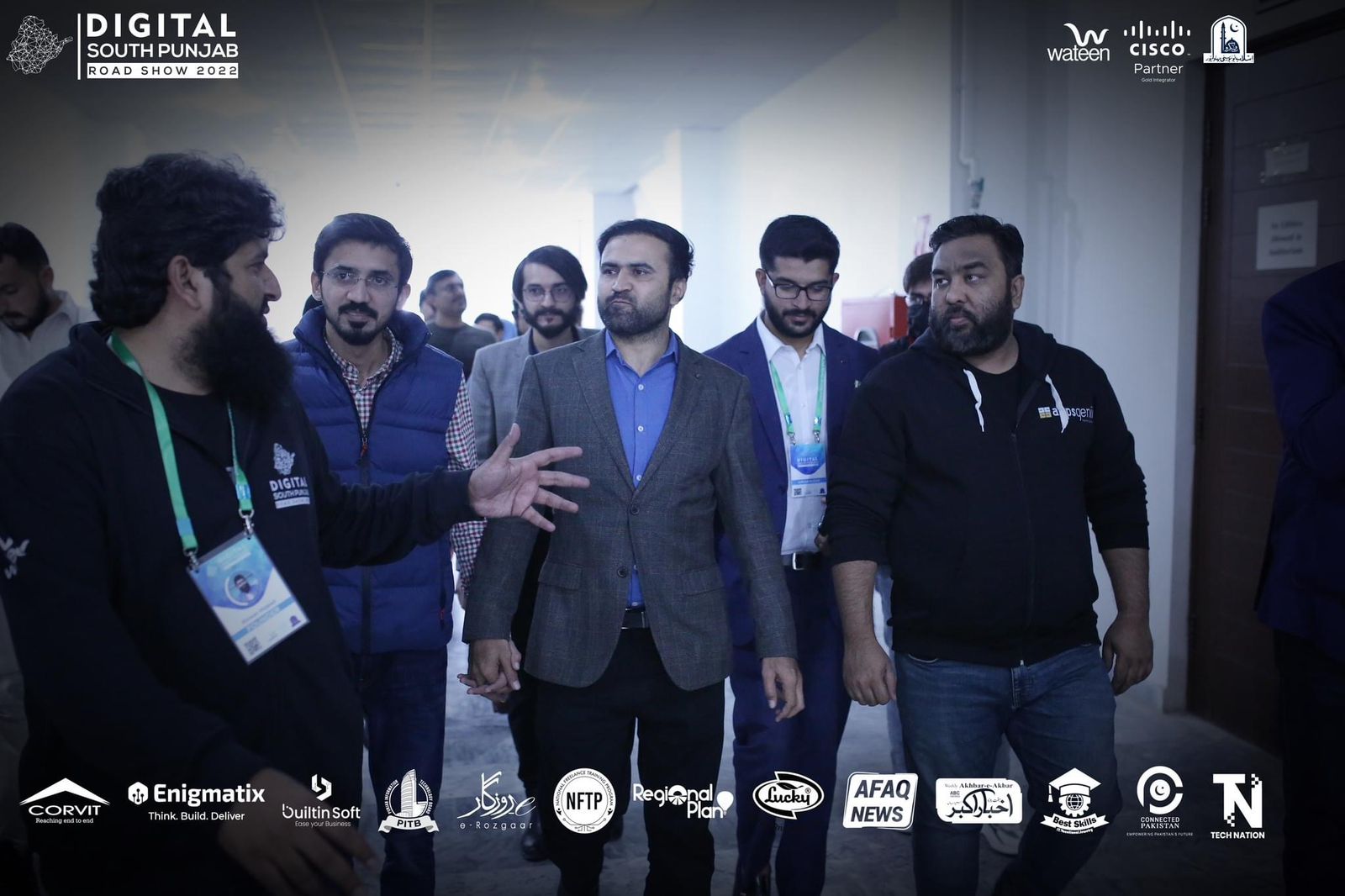
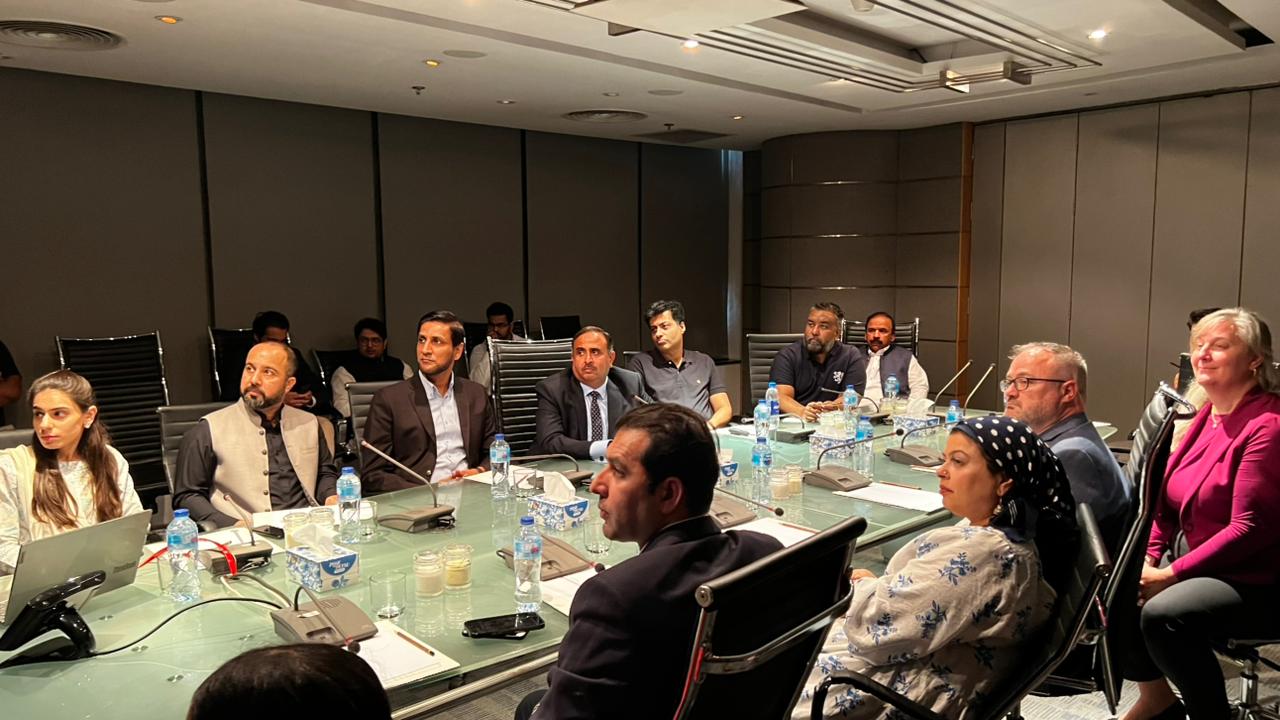
From Lahore to Texas: How Mudassir Saleem Malik Is Building the Bridge Between Pakistan's Tech Talent and the Global AI Economy . Mudassir Saleem Malik is a Pakistani AI strategist and CEO of AppsGenii Technologies, helping global enterprises adopt AI. Based in Texas, he connects Pakistan’s tech talent with international markets while contributing to Pakistan’s startup ecosystem through ventures, leadership roles, and AI-driven innovation. From Lahore to Texas: How Mudassir Saleem Malik Is Building the Bridge Between Pakistan's Tech Talent and the Global AI EconomyThere is a version of the Pakistan technology story that most people outside the country do not know. It is not the story of outsourcing, of cheap labour, or of a developing market catching up. This article is published on Connected Pakistan Blog | Tech News, Success Stories & Digital Insights.