Pakistan’s 5G rollout promises faster connectivity and economic growth, but challenges remain. With low fiber penetration and limited rural internet access, the benefits of 5G may initially reach only major cities, raising concerns about digital inclusion and infrastructure readiness across the country.
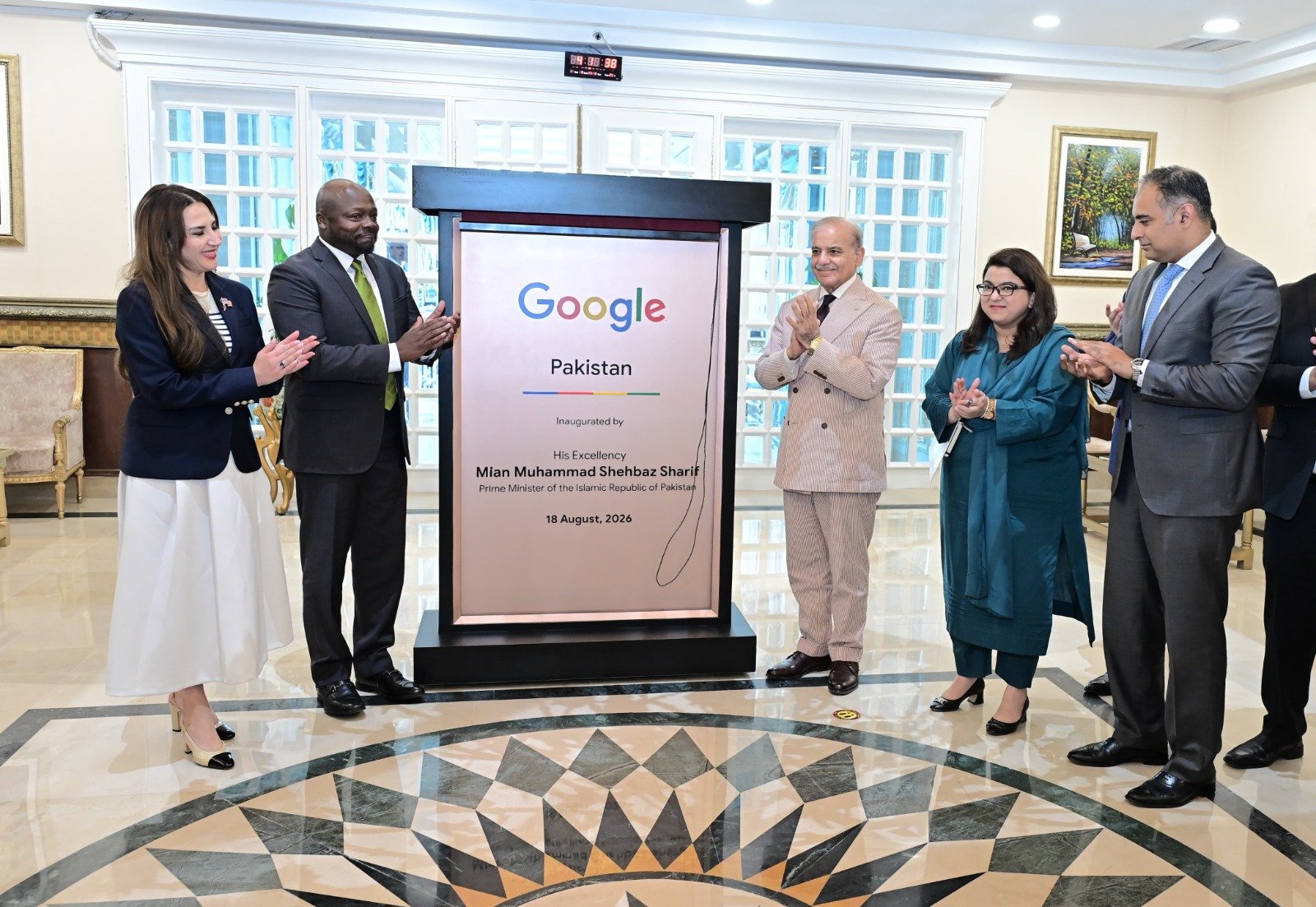
Pakistan has officially stepped into the next phase of connectivity with the auction and planned rollout of 5G spectrum. The announcements have been ambitious — promising smart cities, Industry 4.0, and billions in economic growth.
On paper, it looks like a major leap forward.
But beyond the headlines, a more important question emerges:
Who is 5G really for?
5G is not just about faster internet. It is expected to enable:
Globally, countries investing in 5G are preparing for a future driven by real-time data and intelligent systems.
Pakistan aims to be part of that future.
Despite the excitement, the current state of connectivity presents a different picture.
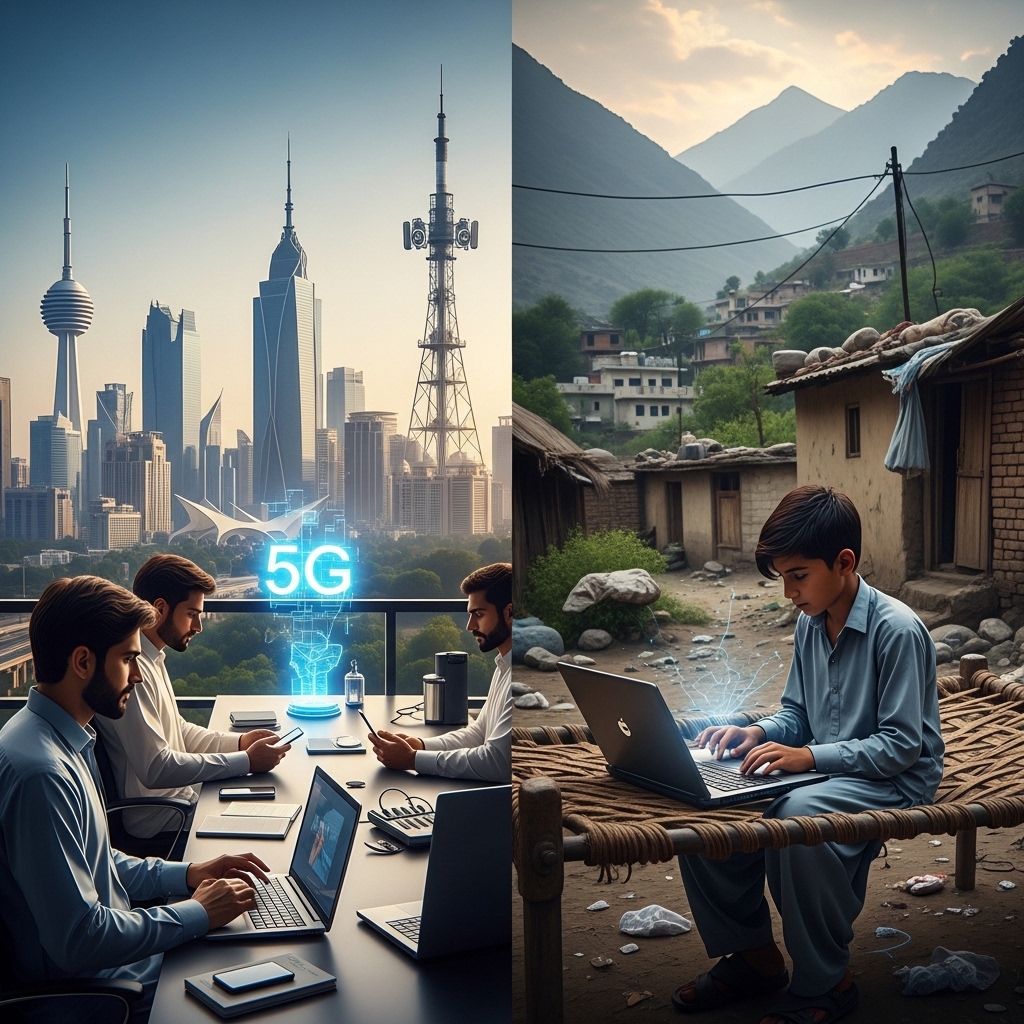
This creates a critical imbalance:
The best-connected areas are getting better — while underserved regions remain behind.
One of the biggest technical barriers to 5G is fiber infrastructure.
5G networks rely heavily on fiber-optic backbones to deliver high-speed, low-latency connectivity. However:
Without strong fiber networks, 5G performance will be limited, even in cities.
Available data highlights the gap:
These gaps are not just technical — they are social and economic.
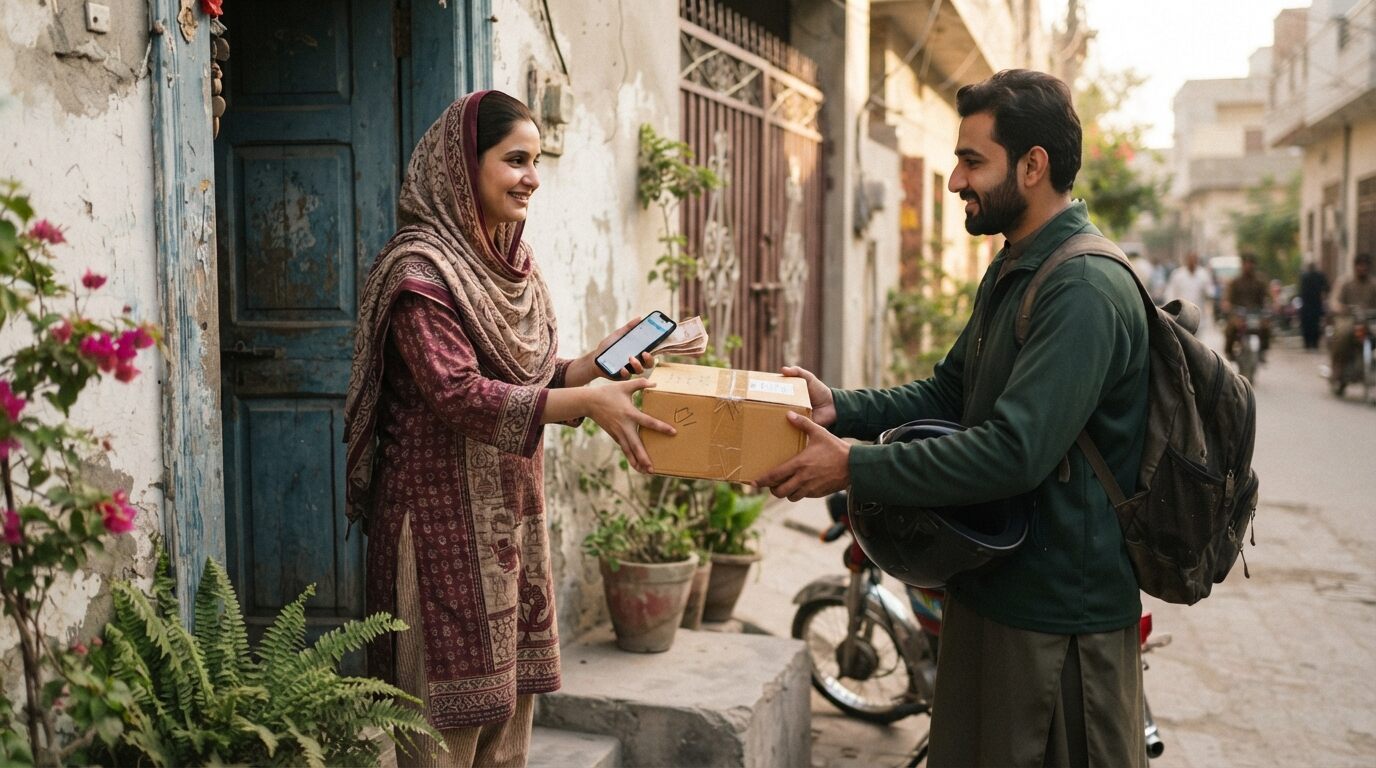
While policy discussions often focus on infrastructure and investment, the real story of Pakistan’s digital economy is happening elsewhere.
It is happening in:
In these regions, freelancers and digital entrepreneurs are building global businesses despite:
Pakistan’s freelance economy has already shown strong growth, generating significant foreign income.
This success has been achieved despite limitations — not because of strong infrastructure.
Better connectivity could unlock massive potential:
Improved internet infrastructure enables:
Bridging the digital divide can:
The issue is not 5G itself. The issue is priority and sequencing.
Rolling out advanced technology without strengthening foundational infrastructure can limit impact.
Key priorities should include:
Without these, 5G risks becoming an urban advantage rather than a national transformation.
For Pakistan to fully benefit from 5G:
If these steps are taken, 5G can become a true catalyst for growth.
Pakistan’s 5G rollout is a significant milestone. The opportunity is real, and the potential is undeniable.
But technology alone does not create transformation — access does.
The real strength of Pakistan’s digital economy lies not just in major cities, but in the millions of individuals across smaller towns and regions who are already building global impact with limited resources.
The future of Pakistan’s tech ecosystem will not be defined by how fast its internet is — but by how widely it is accessible.
The question is not whether Pakistan can build a digital economy.
It already is.
The real question is:
Will that future include everyone?
This article covers 5G in Pakistan: Big Promises, Bigger Connectivity Gap. Pakistan’s 5G rollout promises faster connectivity and economic growth, but challenges remain. With low fiber penetration and limited rural internet access, the benefits of 5G may initially reach only major cities, raising concerns about digital inclusion and infrastructure readiness across the country. Pakistan’s 5G Rollout: Progress, Promise, and the Digital DividePakistan has officially stepped into the next phase of connectivity with the auction and planned rollout of 5G spectrum. The announcements have been ambitious — promising smart cities, Industry 4. 0, and billions in economic growth.