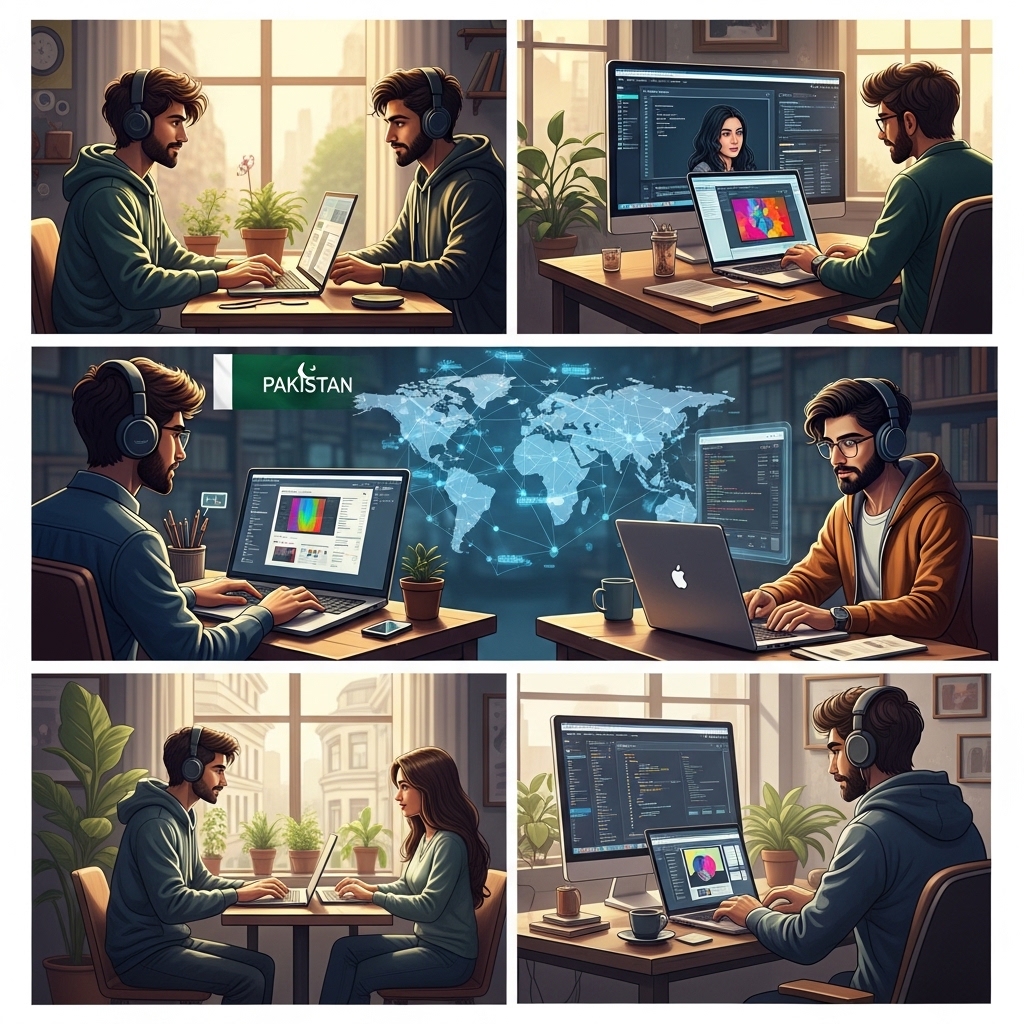
Soft skills are becoming more valuable than tech skills because technology can be learned or automated, but human abilities like communication, adaptability, and emotional intelligence are harder to replace. In the future of work, professionals who combine technical knowledge with strong soft skills will have a major competitive advantage.
The global workforce is going through a major transformation. With the rise of artificial intelligence, automation, and remote work, technical skills are no longer the only factor that defines success. A new shift is emerging — one where soft skills are becoming more valuable than tech skills.
This does not mean technical skills are unimportant. It means they are no longer enough on their own.
In the past, having strong technical expertise could guarantee career growth. Whether it was coding, designing, or managing systems, technical ability was the key differentiator.
Today, that advantage is shrinking.
With platforms offering easy access to learning, millions of people can now acquire technical skills. At the same time, AI tools are automating many technical tasks, making execution faster and more accessible.
This creates a new reality:
If everyone can do the work, the real value shifts to how you deliver it.
Soft skills are human-centered abilities that define how you interact, communicate, and work with others.
These skills are not tied to any specific tool or platform, which makes them more durable in a rapidly changing world.
Artificial intelligence can write code, generate designs, and automate workflows. But it cannot fully replace:
Clients and companies still prefer working with people who understand their needs, communicate clearly, and deliver with reliability.
In countries like Pakistan, freelancing has grown rapidly. However, the difference between average and high-earning freelancers is rarely technical skill alone.
Top freelancers succeed because they:
This is where soft skills create a clear advantage.
With remote work becoming the global standard, face-to-face interaction is limited. This increases the importance of:
A technically skilled freelancer who cannot communicate effectively often loses opportunities to someone slightly less skilled but more professional.
Pakistan has a large pool of talented freelancers and tech professionals. Skills in development, design, and marketing are widely available.
However, a common challenge remains:
This creates a gap between skill and income.
Freelancers who invest in soft skills can bridge this gap and compete at a global level, not just on price but on value.
Soft skills enable freelancers to:
Companies benefit from professionals who can collaborate, communicate, and adapt quickly in dynamic environments.
A workforce strong in both technical and soft skills can increase exports, improve service quality, and strengthen Pakistan’s position in the global digital economy.
The future does not belong to people with only soft skills or only technical skills.
It belongs to those who combine both.
A developer who communicates well will outperform one who doesn’t.
A designer who understands client psychology will win more projects.
A marketer who can present ideas clearly will drive better results.
This combination is often called the hybrid skill advantage.
As automation continues to evolve, the demand for purely technical roles may shift. However, roles that require human judgment, creativity, and communication will continue to grow.
In the coming years:
Professionals who adapt early will stay ahead.
These improvements can significantly impact career growth.
The future of work is not about choosing between soft skills and tech skills. It is about understanding their balance.
Technical skills may open doors, but soft skills decide how far you go.
In a world where technology is becoming more accessible, the real differentiator will always be human ability how you communicate, how you think, and how you create value.