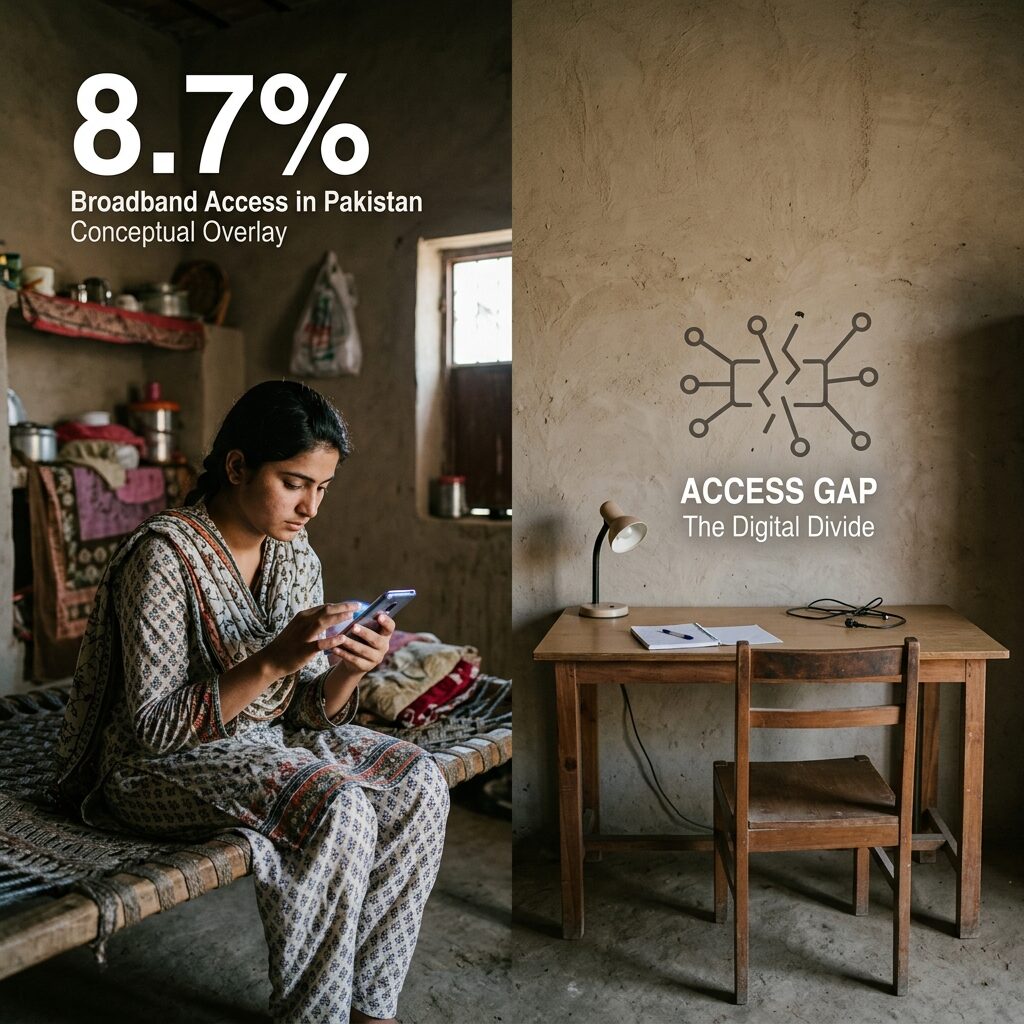
Only 8.7% of Pakistani households own a desktop or laptop, according to Gallup Pakistan Digital Analytics (July 2026). This places Pakistan near the bottom globally, alongside India and Bangladesh at around 9%, and far behind South Korea at 99%. Smartphones alone cannot build the knowledge economy Pakistan aims for.
Pakistan talks a lot about digital transformation, AI, freelancing, and a booming tech future. Much of that optimism is real and worth celebrating. But a new piece of data released this week forces an honest pause: only 8.7% of Pakistani households own a computer.
That single number reveals an uncomfortable truth hiding beneath the hype. You cannot build a nation of coders, designers, and AI engineers if nine out of ten homes lack the basic tool to do that work. This is not a reason for despair, but it is a reason for a serious reality check. Let's look at what the data says and what Pakistan should do about it.
The finding comes from a fresh analysis and it is hard to ignore. According to Gallup Pakistan Digital Analytics, released on July 9, 2026, only 8.7% of Pakistani households own a desktop or laptop computer.
To put that in perspective, Pakistan sits at the very bottom of a list of compared nations. Pakistan currently ranks at the absolute bottom among selected nations for computer ownership, roughly on par with India at 9% and Bangladesh at 9%.
The contrast with digitally advanced nations is stark. South Korea leads with a 99% ownership rate, Singapore follows at 89%, and Japan sits at 75%. Even many developing nations perform significantly better than Pakistan on this measure.
Some will argue that smartphones close this gap. After all, millions of Pakistanis have phones and use the internet daily. But this argument misses a crucial difference between consuming and creating.
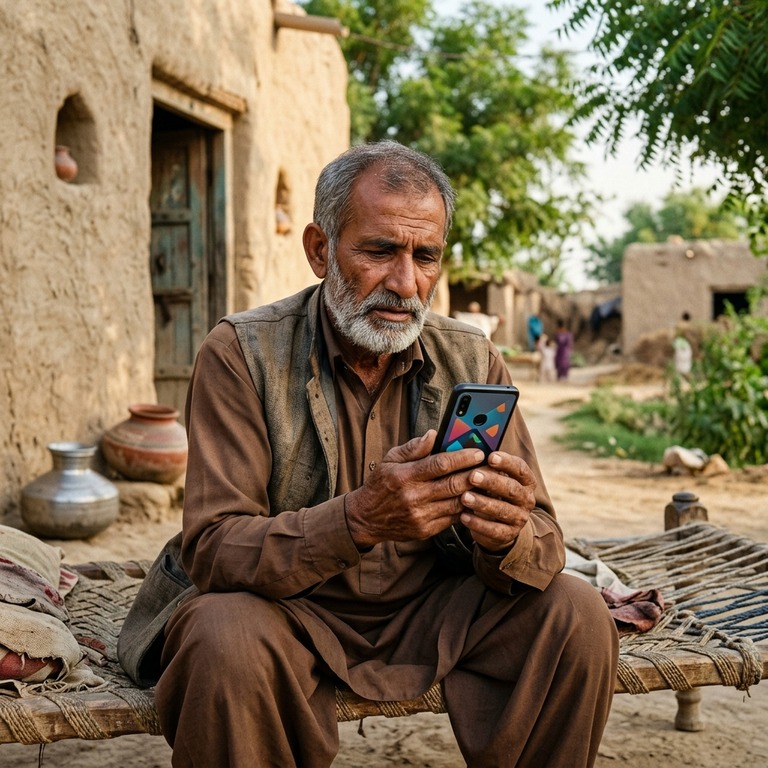
A smartphone can easily connect people to the internet, but it cannot build a comprehensive knowledge economy on its own. Phones are excellent for watching videos, chatting, browsing, and shopping. They are tools of consumption.
Computers are different. These devices empower users to code, design, write, and analyse data. They enable people to freelance professionally and learn advanced skills. Try building software, editing complex video, managing a design project, or doing serious data work on a phone alone. It is nearly impossible.
This is the heart of the problem. Nearly nine out of ten Pakistani households lack this basic device infrastructure, and as a result, the country cannot easily build a functioning knowledge economy.
This computer gap is part of a broader connectivity picture that is improving but still uneven. Pakistan's score on the ICT Development Index rose from 56.4 in 2025 to 67.7 in 2026, a 20% year-on-year increase, which is genuine progress.
But the detail reveals the same story. Pakistan scores 78.5 on meaningful connectivity but only 56.8 on universal connectivity. Device ownership is a particularly serious constraint, with only about half of individuals shown as owning even a mobile phone in the index data.
Coverage gaps add to the challenge. Pakistan's 3G and 4G population coverage are both around 81%, meaning roughly one-fifth of the population is still outside mobile broadband coverage, concentrated in rural and remote areas.
This is not just an abstract statistic. It has real consequences for Pakistan's biggest tech ambitions.
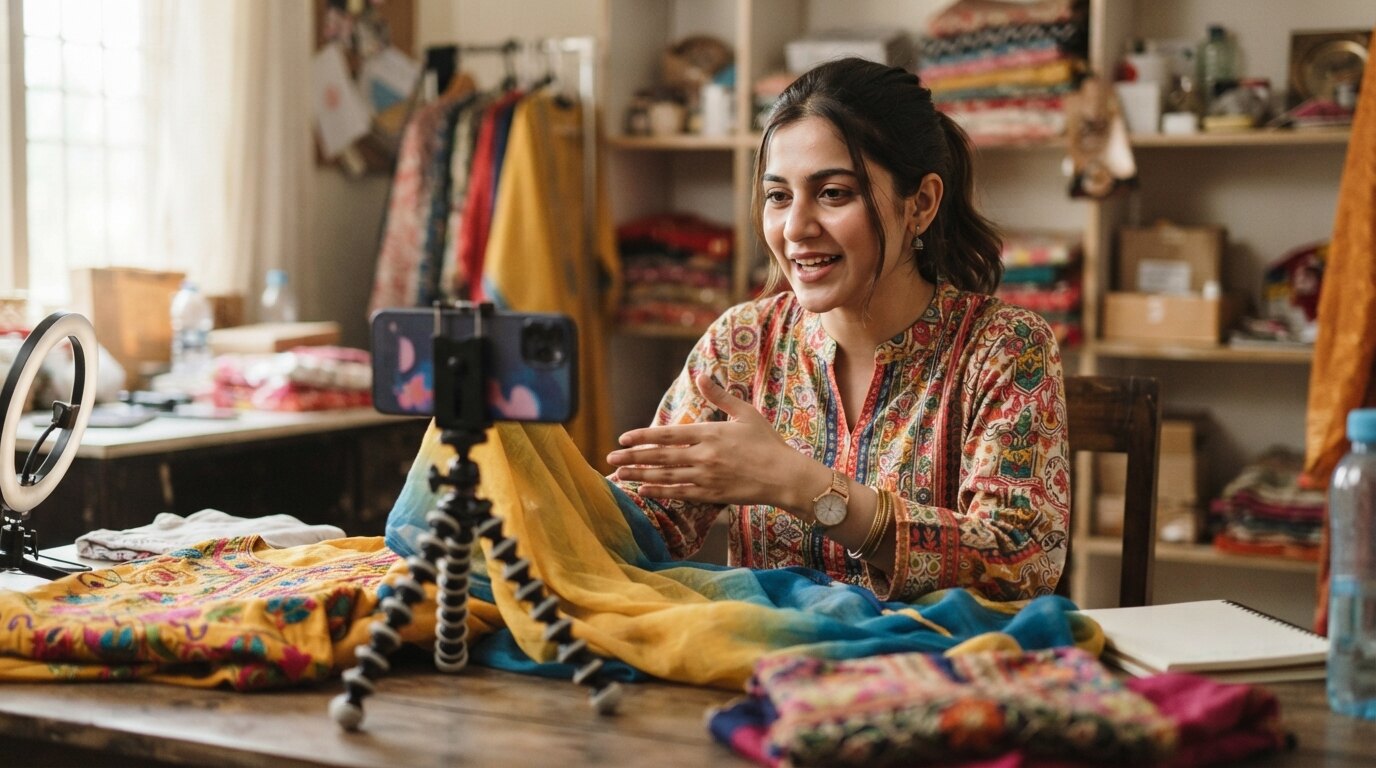
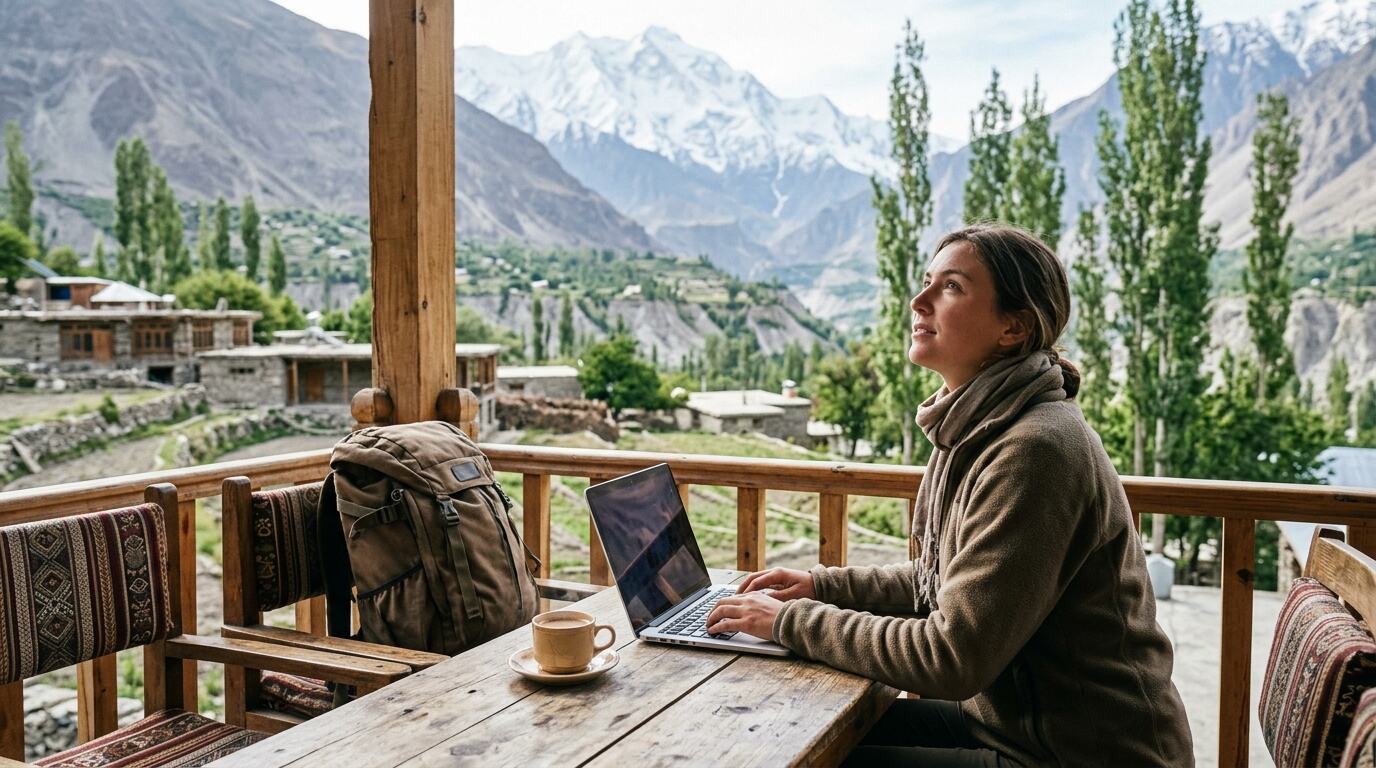
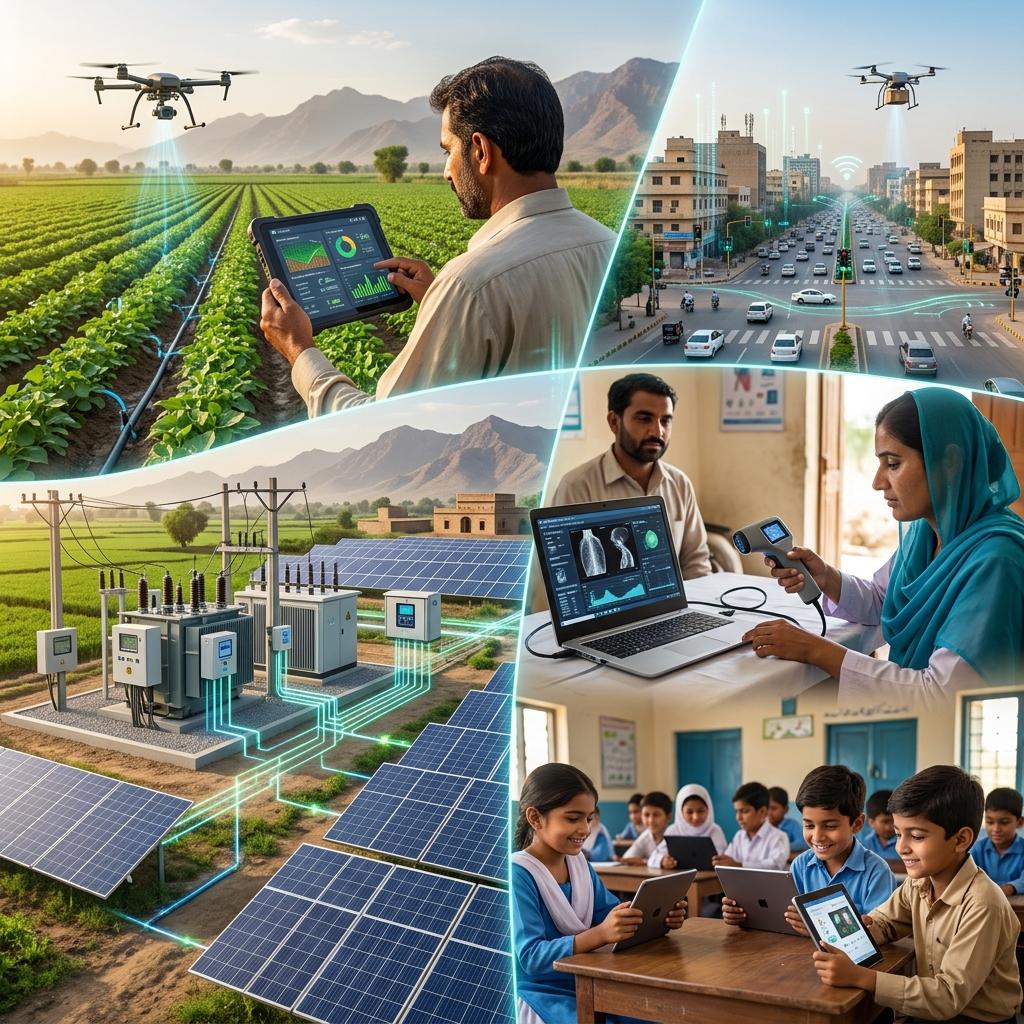
For freelancing, the country celebrates its millions of freelancers, but the low computer-ownership rate means the potential pool is limited by access. Many talented young people simply cannot afford the one tool they need to start.
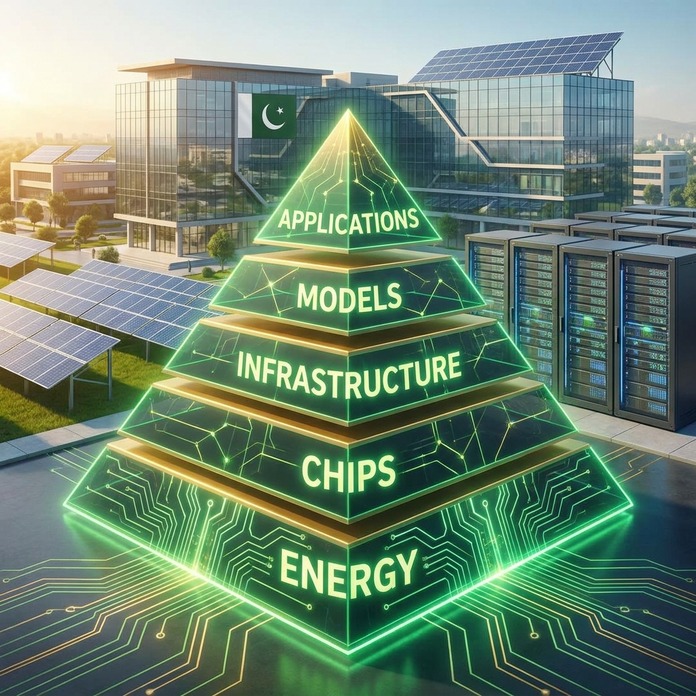
For the AI dream, Pakistan has announced a National AI Policy and a billion-dollar AI ambition. But you cannot train a generation of AI engineers who do not have computers to learn and build on.
For the economy, a knowledge economy depends on creators, not just consumers. Without wider device access, Pakistan risks remaining a market that uses technology rather than one that builds it.
For equality, the divide deepens inequality. Those with computers access global opportunities and income, while those without fall further behind, often along rural and income lines.
The analysis behind this data makes a pointed argument: digital policy must move beyond slogans. The message is that policymakers must focus on real access, not just announcements and branding.
This is a fair and important challenge. Pakistan has no shortage of ambitious tech visions. What it needs now is the unglamorous groundwork: getting affordable computers into homes and schools, expanding rural connectivity, and building digital skills from an early age.
The good news is that this is a solvable problem. Other countries have closed similar gaps through deliberate policy: subsidized devices, school computer programs, public access centers, and local device manufacturing. Pakistan's own local assembly of smartphones shows that affordable local hardware is possible when the will exists.
It is important not to swing too far into pessimism. Pakistan's digital progress is real. Internet access is expanding, smartphone use is high, the freelance economy earns real dollars, and connectivity scores are rising. Millions of Pakistanis have genuinely changed their lives through digital work.
The point is not that Digital Pakistan is a myth. The point is that it is incomplete. Celebrating the wins while honestly naming the gaps is how real progress happens. A country that knows its weak spots can fix them.
Closing this gap should be a national priority. The path forward includes making computers more affordable through local assembly and financing, putting devices into schools so the next generation learns to create, expanding broadband to rural areas, and pairing all of this with strong digital skills training.
If Pakistan treats device access as seriously as it treats AI announcements, the country could turn its huge young population into a true generation of builders. The talent is there. The tools and access must catch up.
The finding that only 8.7% of Pakistani households own a computer is a wake-up call, not a defeat. It reminds us that real digital transformation is built on access, not slogans. Pakistan's tech ambitions, in freelancing, AI, and the knowledge economy, all depend on ordinary people having the tools to create, not just consume. The country has the talent and the drive. Now it must close the device and skills gap so that Digital Pakistan becomes a reality for everyone, not just a fortunate few. That is the real work ahead, and it is entirely achievable.
This article is for general informational purposes only and reflects data available as of July 2026. Statistics are drawn from Gallup Pakistan Digital Analytics and the ICT Development Index 2026.
A Gallup Pakistan Digital Analytics analysis (July 9, 2026) found only 8.7% of Pakistani households own a desktop or laptop computer, placing Pakistan near the global bottom, roughly on par with India (9%) and Bangladesh (9%), and far behind South Korea (99%), Singapore (89%), and Japan (75%). The core argument: smartphones enable consumption (browsing, chat, video, shopping) but not creation (coding, design, data analysis, professional freelancing), so smartphone access alone cannot build a knowledge economy. Supporting data from the ITU ICT Development Index 2026: Pakistan's score rose 20% YoY from 56.4 to 67.7 (real progress), but it scores 78.5 on meaningful connectivity versus only 56.8 on universal connectivity; ~half of individuals own a mobile phone; and 3G/4G coverage is ~81%, leaving ~one-fifth of the population (mainly rural) outside mobile broadband. Implications: Pakistan's freelancing, AI ambitions (National AI Policy, $1bn target), and knowledge-economy goals are constrained by device access; the divide deepens inequality along income and rural lines. Recommended solutions: affordable computers via local assembly and financing, computers in schools, rural broadband expansion, and digital-skills training, moving policy "beyond slogans." Balanced framing: Digital Pakistan progress is real but incomplete; naming gaps honestly enables fixing them. This is informational analysis, not policy endorsement.