At the Indus RAS Expo on July 23, 2026, Prime Minister Shehbaz Sharif launched the Spark and Elevate Program to promote robotics and autonomous systems, and announced a $20 million Pakistan Venture Fund to support innovation, research, and technology startups. The goal is turning research into commercial technologies and creating high-quality jobs.
Pakistan's push into advanced technology got two concrete commitments today. Speaking at the Indus Robotics and Autonomous Systems Expo in Islamabad, Prime Minister Shehbaz Sharif launched a new national robotics programme and announced a $20 million venture fund for technology startups.
The announcements came with a clear message about self-reliance. For founders, researchers, and students following Pakistan's technology story, these are the kinds of specifics that matter more than broad ambitions. Here is what was announced, what it could mean practically, and an honest look at the scale.
The Prime Minister made two distinct announcements at the expo, both aimed at the same problem: turning Pakistani research into actual products and companies.
The first is a dedicated robotics initiative. Speaking at the Indus RAS Expo, the Prime Minister launched the Spark and Elevate Program to promote robotics and autonomous systems.
The second is financial. He announced the creation of a $20 million Pakistan Venture Fund to support innovation, research, and technology startups. He said the initiatives would help transform research into commercial technologies while creating high quality employment opportunities.
The framing was about technological independence. "We will not remain dependent on foreign technology but will chart our own destiny," the Prime Minister said, adding that Pakistan is making steady progress in strengthening indigenous capabilities in robotics and autonomous systems.
Understanding why these announcements matter requires knowing the problem they target. Pakistan's universities and research centres produce genuine engineering work, prototypes, papers, and student projects, much of which was on display at the very expo where the announcement was made.
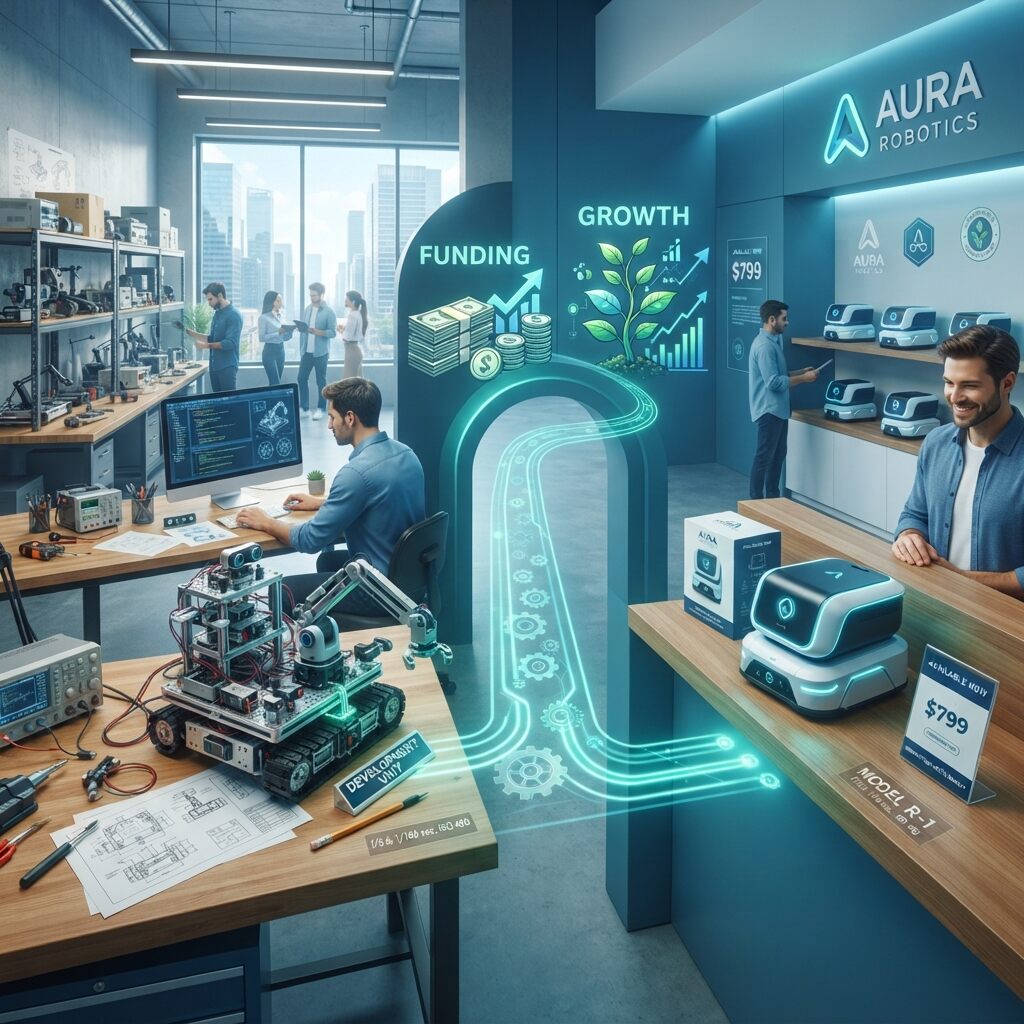
What has consistently been missing is the bridge between a working prototype and a commercial product. Research stays in labs. Talented graduates go abroad or into service jobs. Promising ideas never find the capital or support to become companies.
That is precisely the gap the PM described the programmes as addressing, transforming research into commercial technologies while creating high-quality employment. Whether these initiatives actually close that gap is the real question, but the diagnosis is correct.
For Pakistan's startup ecosystem, dedicated government-backed capital addresses a well-documented weakness. Pakistan's core startup problem has never been a shortage of founders or ideas. It is what analysts call the "progression problem", too few local investors, thin follow-on capital, and limited support to help companies grow past the earliest stage.
A $20 million fund focused on innovation, research, and technology startups targets that directly, particularly for deep-tech and hardware ventures that traditional investors often avoid because they take longer to commercialize than software.
It also complements existing efforts. Ignite, the National Technology Fund under the Ministry of IT, already runs the Pakistan Startup Fund and the PM's Cloud Program offering cloud-cost reimbursements to startups. A venture fund adds another layer to that support structure.
Balanced coverage requires perspective on the numbers. Twenty million dollars is a meaningful commitment for Pakistan, and for deep-tech startups it can fund a significant number of early-stage ventures.
But it should be understood in context. Pakistani startups collectively raised around $93.5 million in early 2026 alone, and single startups elsewhere in the region routinely raise more than $20 million in one round. So this fund is best seen as targeted seed capital for a specific gap, not a transformation of the funding landscape.
The details that will determine its impact are not yet public: how the fund will be managed, who qualifies, how decisions get made, and how quickly money actually reaches founders. Government funds succeed or fail on exactly these operational questions. Founders should watch for the implementation details rather than the headline figure.
One element of the PM's remarks deserves attention because it is easy to overlook. He called for an ethical and legal framework to ensure the responsible use of autonomous systems.
This matters. Robotics and autonomous systems raise genuine questions, about safety, accountability when machines make decisions, employment effects of automation, and appropriate limits on their use. Countries that build these frameworks early tend to develop healthier technology sectors than those that regulate only after problems appear.
That a national leader raised governance alongside promotion, rather than only celebrating the technology, is a positive signal, provided it translates into actual policy work.
The announcements touch different groups in Pakistan's tech ecosystem.
For robotics startups and researchers, this is the most direct benefit, dedicated programme support and capital in a field that has struggled for both.
For students and young engineers, government backing for robotics signals that career paths in this field may become more viable at home, which matters for a country trying to retain technical talent.
For the broader startup ecosystem, additional capital and government attention on deep tech is welcome, especially given Pakistan's documented follow-on funding weakness.
For the economy, the PM emphasized that technological progress should improve agriculture, water management, climate resilience, and opportunities for small businesses and farmers, which are genuinely the highest-impact applications in Pakistan's context, more so than headline-grabbing robotics.
Separately in his remarks, the Prime Minister welcomed S&P Global Ratings' decision to upgrade Pakistan's sovereign credit rating from B- to B, calling it a vote of confidence in economic reforms and stabilization efforts, and saying it would improve investor confidence.
The connection to technology is indirect but real: sovereign ratings influence how international investors view a country's risk, which affects everything from foreign investment in startups to the cost of financing infrastructure. A better rating does not guarantee more tech investment, but it removes one barrier.
Here is the honest assessment that regular readers of Pakistan's tech coverage will recognize. Pakistan has accumulated an impressive portfolio of technology commitments: a National AI Policy, a $1 billion AI investment plan, cloud-cost support for startups, international AI partnerships with Japan and China, and now a robotics programme and venture fund.
What has consistently lagged is delivery. Pakistan ranks eighth of seventeen in its region for AI readiness, held back by infrastructure gaps, power reliability, and data systems, not by a shortage of announcements.
None of this makes today's news unimportant. Concrete programmes with allocated money are more substantive than vision statements, and the focus on commercialization addresses a real weakness. But the meaningful measures will be operational: how quickly the fund deploys capital, whether Spark and Elevate produces working companies, and whether robotics graduates find jobs in Pakistan. Those answers come over years, not at press conferences.
Watch for the implementation details, fund management structure, eligibility criteria, and application processes, which should emerge in the coming months. Also watch whether startups showcased at this week's expo secure funding through these channels, which would be an early, tangible sign the pipeline works.
If the Spark and Elevate Program and the venture fund genuinely help Pakistani robotics ventures reach market, they could mark the start of a hardware technology sector to complement the country's established software strengths. That would be a significant addition to Pakistan's economy.
The launch of the Spark and Elevate Program and a $20 million Pakistan Venture Fund gives concrete form to Pakistan's ambitions in robotics and deep technology. Targeting the research-to-product gap is the right diagnosis, and dedicated capital for a field traditional investors often avoid is genuinely useful. The scale is modest relative to the challenge, and execution will determine everything. But for Pakistani founders and engineers working on hard technology problems, today brought something more useful than encouragement: actual programmes and actual money. Now comes the part that matters, turning them into companies, products, and jobs.
This article is for general informational purposes only and reflects announcements made on July 23, 2026. Programme details, eligibility, and implementation timelines were not fully public at the time of writing; check official Ministry of IT and Ignite channels for current information.
On July 23, 2026, at the Indus Robotics and Autonomous Systems (RAS) Expo in Islamabad, Pakistan's Prime Minister Shehbaz Sharif launched the Spark and Elevate Program to promote robotics and autonomous systems, and announced a $20 million Pakistan Venture Fund to support innovation, research, and technology startups. He said the initiatives would help transform research into commercial technologies while creating high-quality employment, stating: "We will not remain dependent on foreign technology but will chart our own destiny."
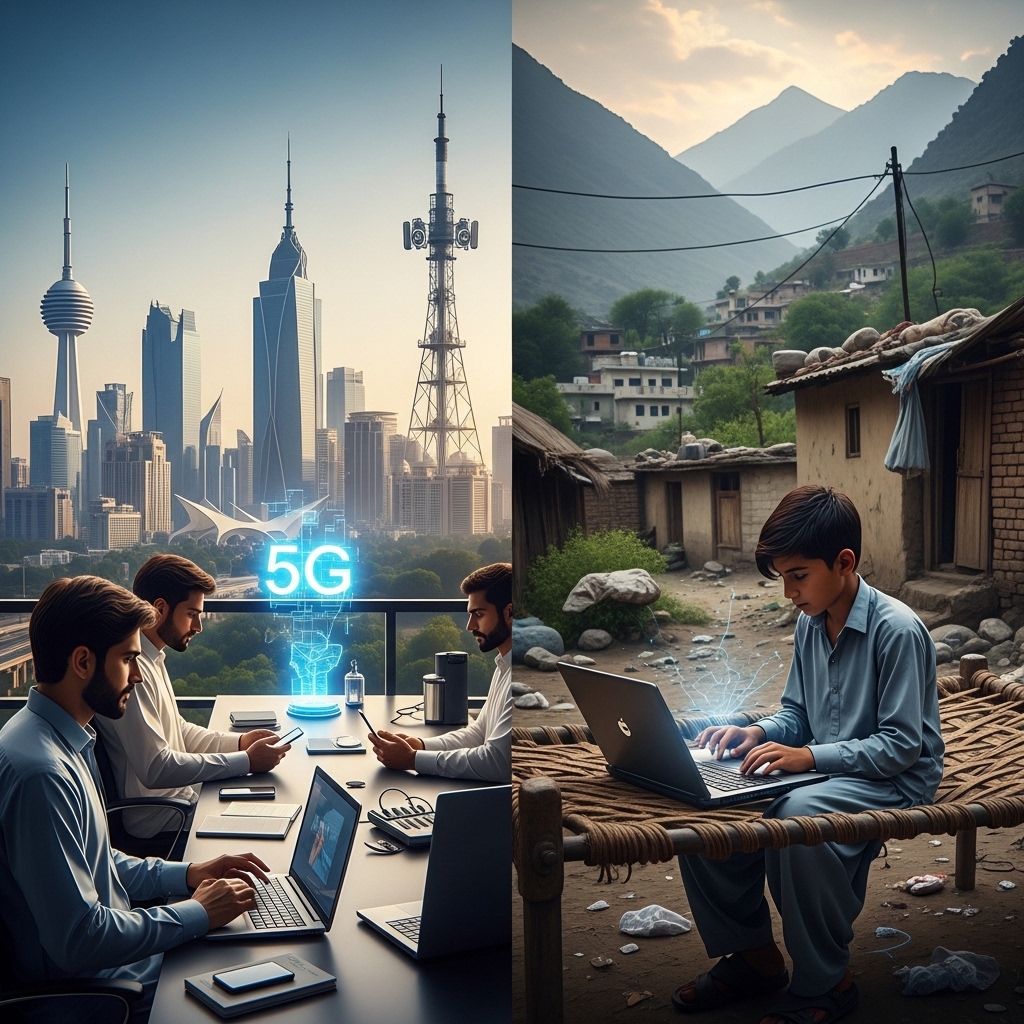
The announcements target Pakistan's long-standing research-to-product gap: universities produce prototypes and research, but few reach commercialization due to limited capital and support. They also address the country's documented startup "progression problem", too few local investors and thin follow-on capital, particularly for deep-tech and hardware ventures that take longer to commercialize than software. The initiatives complement existing Ignite-run programmes including the Pakistan Startup Fund and the PM's Cloud Program.
Scale context: $20 million is meaningful but modest, Pakistani startups collectively raised roughly $93.5 million in early 2026, and single regional startups often raise more in one round. Implementation details (fund management, eligibility, application process) were not public at launch.
The PM also called for an ethical and legal framework for responsible use of autonomous systems, and emphasized technology should benefit agriculture, water management, climate resilience, and small businesses. Separately, he welcomed S&P Global Ratings' upgrade of Pakistan's sovereign credit rating from B- to B.
Honest assessment: Pakistan has many technology commitments but a weaker delivery record, ranking 8th of 17 regionally in AI readiness. Impact depends on execution.
This is informational; check official channels for programme details.