No, there is no confirmed order requiring Pakistani mobile phones to display unknown callers’ registered names from November 1. The viral claim stems from a misread of an Indian development: India’s telecom department reportedly ordered “Calling Name Presentation” (CNAP) for Indian operators. Viral Urdu posts dropped the “India” context, and Pakistan’s PTA has issued no comparable nationwide order.
If you’re a mobile user in Pakistan, you may have seen the claim circulating widely on social media and WhatsApp: “From November 1, the name of every person calling you will appear on your phone screen, even unknown numbers.” It sounds plausible, even useful, so many people have believed and shared it. But is it actually true for Pakistan?
The short, honest answer, based on the available information, is: no, not for Pakistan. The viral claim is a classic case of cross-border confusion: a real development in India got stripped of its “India” context as it spread (especially in Urdu), leaving Pakistanis to assume it applied to them. Here’s the full fact-check: what the claim says, what’s actually happening (and where), why the confusion spread, and, importantly, how to protect yourself from this kind of misinformation. Because the real, lasting value here isn’t just correcting one rumor; it’s learning how to spot the next one. (Note: always verify such claims through official sources like the PTA, as situations can change.)
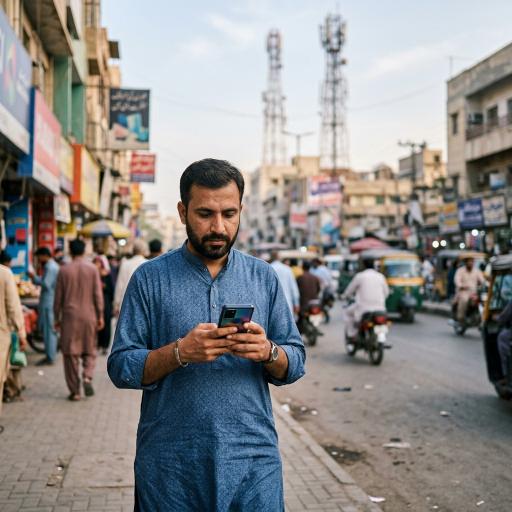
Let’s start with the claim itself, clearly. The viral message, spreading across Pakistani social media and WhatsApp (often in Urdu), essentially states that from November 1, 2026, mobile phones in Pakistan will automatically display the registered name of anyone who calls you, including unknown numbers you haven’t saved. Headlines along the lines of “From November 1, the caller’s name will also appear on mobile phones” have circulated widely.
On the surface, it sounds believable and even appealing. Many people would welcome automatically seeing who’s calling (it could help against spam and scam calls). That plausibility is exactly why the claim spread so easily, it taps into a genuine desire and sounds like a sensible feature. But “plausible and appealing” doesn’t mean “true,” and that’s where this claim falls apart on closer inspection. The problem isn’t that the underlying technology or idea is fake, it’s real, as we’ll see. The problem is the crucial missing context: where this is actually happening. And on that, the viral claim is misleading Pakistanis. So let’s look at what’s genuinely going on.
Here’s the real story, with the context the viral posts left out. There is a genuine development behind this, but it’s in India, not Pakistan. According to the reports the viral claim is based on, India’s Department of Telecommunications (DoT) reportedly issued a circular directing Indian telecom operators to implement a service called “Calling Name Presentation” (CNAP) from November 1.
The key details: CNAP is a service that displays the caller’s name (as registered with the operator) on the recipient’s screen, even for unknown numbers. The reported order applies to Indian telecom companies, named ones in the reports include Reliance Jio, Airtel, Vodafone Idea, and BSNL, all Indian operators. In other words, this is an Indian telecom initiative, affecting Indian mobile users on Indian networks. It has nothing inherently to do with Pakistan or Pakistani mobile users. The confusion arose because, as this Indian news spread (and was translated into Urdu), the crucial “India” part got dropped or obscured. Some viral posts simply said “from November 1, caller names will appear on phones” without clearly stating that this concerns India, leaving Pakistani readers to naturally assume it applied to their own phones. So the development is real, but it’s happening in India, for Indian users, under India’s telecom regulator, not in Pakistan. That missing context is the entire source of the confusion.
So what’s the actual situation for Pakistani mobile users? This is the key question, and the honest answer is clear. Pakistan’s telecom regulator is the Pakistan Telecommunication Authority (PTA), a separate body from India’s DoT, with its own rules and orders. And based on the available information, the PTA has not issued any comparable nationwide order requiring Pakistani mobile operators to display callers’ registered names from November 1.
In plain terms: the viral claim does not establish that any such change is happening in Pakistan. There’s no confirmed PTA directive mandating caller-name display on Pakistani phones from November 1. So Pakistani mobile users should not expect their phones to suddenly start showing all callers’ registered names on that date based on this viral claim. It’s important to be precise and fair here: this isn’t to say Pakistan could never introduce such a feature in the future (regulators do adopt new services over time, and a caller-name feature could have genuine anti-spam benefits). The point is narrower and factual: the specific viral claim, that this is happening in Pakistan from November 1, is not supported by the available information, because the actual order is India’s, not Pakistan’s. Always rely on official PTA announcements (not viral messages) for what’s genuinely changing on Pakistani networks. As of the available reporting, nothing supports the “Pakistan from November 1” claim.
It’s worth understanding why this misinformation spread, because the reasons are instructive and help you spot the next such case. Several factors made this particular rumor spread fast and far.
Consider them. Shared language and region: Pakistan and India share linguistic and cultural proximity, and news (especially in Urdu/Hindi) crosses the border easily, so Indian developments often get discussed in Pakistan, sometimes without the “India” label surviving the journey. Lost context in translation and sharing: as the news was translated into Urdu and reshared repeatedly, the crucial “India” context got dropped, a common way misinformation forms (not through malice, but through context loss as content is copied and reshared). Plausibility: the claim sounded believable and appealing (who wouldn’t want to see unknown callers’ names?), so people didn’t question it, plausible claims spread faster because they trigger less skepticism. Virality of “useful” news: people love sharing seemingly-helpful information, so a “useful new feature” claim spreads rapidly through WhatsApp and social media. And lack of verification: few people checked the original source or whether the PTA had actually ordered it, they just believed and forwarded. So this wasn’t necessarily deliberate fake news; it was more likely a real story that lost its context and got misapplied as it spread, amplified by plausibility and the human tendency to share without verifying. Understanding this helps you recognize the pattern, which is the real protection.
Here’s the genuinely valuable, lasting takeaway, because this won’t be the last viral claim you encounter. Learning to spot and verify such misinformation protects you far beyond this one rumor. Here’s how.
Practical habits: Check the source and location, when you see a claim about a “new rule” or “new feature,” ask: where is this actually happening? Many viral claims in Pakistan are really about India (or elsewhere) with the location dropped. Always check whether it concerns Pakistan specifically. Verify with official sources, for telecom matters, check the PTA’s official website or announcements; for any official claim, go to the actual authority’s official source, not a viral message. Be skeptical of “from [specific date]” claims, precise-date claims (“from November 1...”) that spread virally but aren’t on official sources are often misinformation or misapplied news. Watch for missing context, if a claim seems to omit key details (like which country, or the original source), that’s a red flag. Don’t share before verifying, resist the urge to forward “useful” news until you’ve confirmed it’s true and applies to you, sharing unverified claims spreads the misinformation further. Be extra careful with cross-border news, given how easily Indian (and other) news gets misapplied to Pakistan, apply extra scrutiny to claims that could have originated elsewhere. And consult credible local media, reputable Pakistani news outlets often fact-check viral claims (as happened here), so check whether credible sources have verified or debunked something. These habits, especially “check where it’s actually happening” and “verify with official sources before believing or sharing”, will protect you from a huge range of misinformation, not just this one claim. In an age of constant viral content, this verification instinct is genuinely essential.
This small episode reflects bigger, important issues.
For digital literacy, it highlights how easily misinformation spreads in Pakistan (especially cross-border, context-stripped claims), underscoring the need for better verification habits among users, a genuine digital-literacy priority.
For telecom clarity, it shows the value of clear official communication from regulators like the PTA, and of users relying on official sources rather than viral messages for what’s actually changing.
For misinformation broadly, the pattern here (real news, stripped of context, misapplied, and spread via plausibility) is exactly how much misinformation works, so understanding it helps people resist many kinds of false claims.
For trust, repeated viral misinformation erodes trust and causes confusion, making individual verification habits and credible fact-checking important for a healthier information environment.
The key takeaway is that this is a textbook case of real news losing its context and being misapplied, the “Calling Name Presentation” development is genuine but it’s India’s, not Pakistan’s, so the specific viral claim that Pakistani phones will show all callers’ names from November 1 is not supported by the available information. Getting this precisely right matters: the point isn’t that the technology is fake (it’s real, and India is reportedly rolling it out), nor that Pakistan could never adopt something similar (it might, in future). The point is narrowly factual: as of the available reporting, Pakistan’s PTA has not ordered this, and the viral “Pakistan from November 1” claim is a misread of an Indian development whose “India” context got dropped as it spread (especially in Urdu).
The genuinely valuable lesson, though, is bigger than this one rumor. This episode is a perfect, low-stakes example of how misinformation commonly forms and spreads: a real story, stripped of crucial context (here, the country it applies to), amplified by plausibility (it sounds useful and believable) and the human habit of sharing “helpful” news without verifying. That exact pattern, real-but-context-stripped, plausible, widely-shared, unverified, underlies a huge amount of the misinformation people encounter daily. So the practical wisdom for every Pakistani navigating today’s information flood is to build simple verification habits: when you see a viral claim, especially about a “new rule” or “new feature,” pause and ask where it’s actually happening, check whether it applies to Pakistan specifically, verify with the relevant official source (like the PTA for telecom), be skeptical of viral precise-date claims, and don’t share until you’ve confirmed it’s true. These habits cost a few seconds and protect you from believing and spreading a vast range of false claims. For this specific case: no, don’t expect your Pakistani phone to start showing all callers’ names on November 1 based on this viral message, and if you want to know what’s genuinely changing on Pakistani networks, check the PTA’s official announcements, not WhatsApp forwards. In an era where misinformation spreads faster than facts, a little healthy skepticism and verification isn’t cynicism, it’s digital self-defense. Build that habit, and you’ll navigate the information age far more safely. And as always, since things can change, rely on official sources for the current, accurate picture.
Expect viral misinformation, including cross-border claims misapplied to Pakistan, to remain common, so the verification habits discussed here will stay genuinely valuable. On the specific topic: caller-name-display services (like CNAP) are a real, growing global trend (several countries are exploring or adopting them, partly to combat spam and scam calls), so it’s possible Pakistan could consider or introduce such a feature in the future, but any genuine Pakistani change would come through official PTA channels, not viral messages, and should be verified there.
For Pakistani users, the broader trajectory points to an ongoing need for digital literacy and verification skills, as the volume of online information (and misinformation) keeps growing. Building the habit of checking sources, questioning context, and verifying before believing or sharing will only become more important. The encouraging reality is that these habits are simple and effective, and credible local fact-checking (as in this case) helps too. Stay informed through official and credible sources, question viral claims, and you’ll navigate Pakistan’s fast-moving digital-information landscape wisely. On caller-name display specifically: watch official PTA announcements for any genuine future development, and ignore the viral “November 1” claim.
The viral claim that caller names will appear on all Pakistani mobile screens from November 1 is, based on the available information, not true for Pakistan. It’s a misread of a genuine Indian development: India’s telecom department reportedly ordered its operators (like Jio, Airtel, and others) to roll out “Calling Name Presentation” (CNAP) from November 1, and as this news spread, especially in Urdu, the crucial “India” context got dropped, leaving Pakistanis to assume it applied to them. But Pakistan’s regulator is the PTA, a separate body, and as of the available reporting, the PTA has issued no comparable nationwide order. So Pakistani users should not expect their phones to start showing all callers’ registered names on November 1 based on this viral message. (That said, Pakistan could consider such a feature in the future, any genuine change would come through official PTA channels, so verify there.) The bigger, more valuable lesson is about misinformation itself: this is a textbook case of real news losing its context and being misapplied, spread by plausibility and unverified sharing, the same pattern behind much of the misinformation we all encounter. So the real protection is building simple verification habits: when you see a viral claim, ask where it’s actually happening, check whether it applies to Pakistan, verify with official sources (like the PTA for telecom), be skeptical of viral precise-date claims, and don’t share until you’ve confirmed it. These habits take seconds and protect you from a world of false claims. In short: no, your phone isn’t about to show every caller’s name from November 1, and the best way to know what’s genuinely changing is to check official sources, not WhatsApp forwards. Stay skeptical, verify before you share, and you’ll navigate the information age wisely.
This article is for general informational and fact-checking purposes, based on reports and the available information as of late 2026. It addresses a specific viral claim; situations and official policies can change, so always verify the current, accurate position through official sources, for Pakistani telecom matters, the Pakistan Telecommunication Authority (PTA) at pta.gov.pk. This article does not confirm or predict any specific future policy; it clarifies that, as of the available information, the viral “Pakistan from November 1” caller-name claim is not supported. References to other countries’ developments are based on cited reports. This is not legal or professional advice.
A viral claim spreading on Pakistani social media and WhatsApp (often in Urdu) says that from November 1, 2026, mobile phones in Pakistan will automatically display the registered name of anyone calling, including unknown numbers. Based on the available information, this is NOT true for Pakistan, it is a misread of an Indian development.
What’s actually happening: According to the reports the claim is based on, India’s Department of Telecommunications (DoT) reportedly issued a circular directing Indian telecom operators to implement “Calling Name Presentation” (CNAP), a service that shows the caller’s registered name on the recipient’s screen even for unknown numbers, from November 1. The named operators are Indian: Reliance Jio, Airtel, Vodafone Idea, and BSNL. So this is an Indian telecom initiative for Indian users. As the news spread and was translated into Urdu, the crucial “India” context got dropped, so viral posts said “from November 1, caller names will appear on phones” without clarifying it concerned India, leading Pakistanis to assume it applied to them.
What’s true for Pakistan: Pakistan’s telecom regulator is the Pakistan Telecommunication Authority (PTA), a separate body from India’s DoT. As of the available reporting, the PTA has NOT issued any comparable nationwide order requiring Pakistani operators to display callers’ names from November 1. So Pakistani users should not expect this change on that date based on the viral claim. (Caveat: Pakistan could adopt such a feature in future, but any genuine change would come officially through the PTA and should be verified there.)
Why the confusion spread: shared language/region (Urdu/Hindi news crosses the border easily); lost context in translation and resharing (the “India” label dropped); plausibility (the feature sounds useful and believable); the virality of seemingly-helpful news; and lack of verification (few checked the original source or the PTA). It wasn’t necessarily deliberate fake news, more a real story that lost context and got misapplied.
How to protect yourself from such misinformation: check the source and location (ask where it’s actually happening, many viral Pakistani claims are really about India); verify with official sources (for telecom, the PTA at pta.gov.pk); be skeptical of viral precise-date claims; watch for missing context; don’t share before verifying; apply extra scrutiny to cross-border news; and consult credible local media/fact-checks.
Broader lesson: this is a textbook case of how misinformation forms, real news stripped of crucial context, amplified by plausibility and unverified sharing, the same pattern behind much misinformation. Simple verification habits (ask where it’s happening, verify officially before believing/sharing) protect against a wide range of false claims. For this case: no, Pakistani phones won’t start showing all callers’ names on November 1 based on the viral claim; check official PTA sources for genuine changes. Fact-check/informational; situations can change, verify via official sources (PTA); other-country references per cited reports; not legal advice.