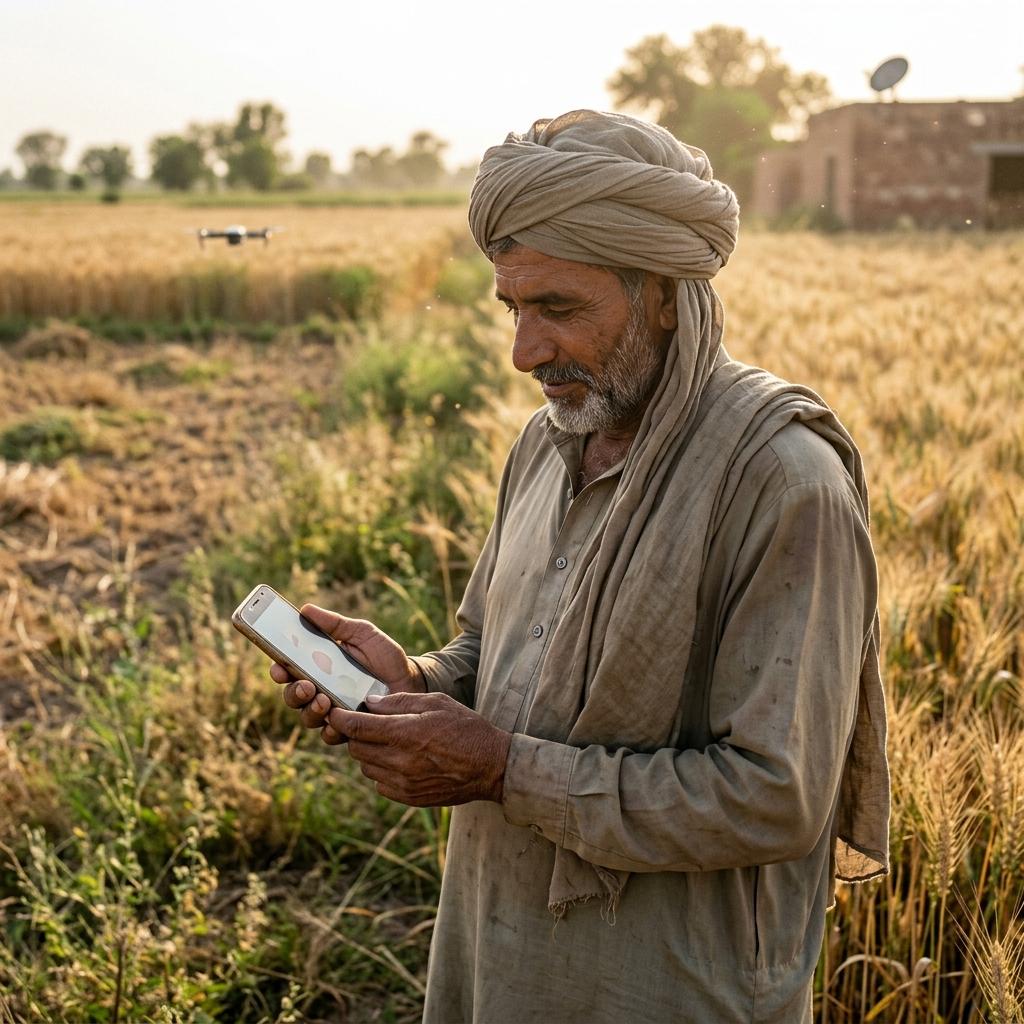
The GSMA Innovation Fund for AI-Enabled Financial Health (backed by the UK’s FCDO) offers Pakistani startups grants of £100,000-£250,000 plus 18 months of venture-building support, for AI solutions that improve people’s financial health. Eligible applicants must be for-profit, registered in Pakistan, with existing users and revenue, and provide 25% matching funds. Applications close December 17, 2026.
Here’s a genuinely valuable, time-sensitive opportunity for Pakistani startup founders, especially those working in AI and fintech: you can now apply for grants of up to £250,000 (equity-free) to build AI solutions that improve people’s financial lives. The GSMA Innovation Fund for AI-Enabled Financial Health, backed by the UK government, has opened applications, and Pakistan is on the eligible-countries list.
For a startup ecosystem where funding, especially non-dilutive (equity-free) funding, can be hard to come by, this is a real opportunity worth knowing about and acting on. A grant of £100,000 to £250,000, plus 18 months of venture-building support and valuable connections, could be transformative for the right startup. And a Pakistani startup has won a GSMA AI grant before, so it’s genuinely achievable. But there are specific eligibility requirements, important conditions, and a deadline (December 17, 2026), so you need to understand the details. Here’s a clear, practical guide: what the fund is, who can apply, what it funds, the key conditions, and how to apply. If you’re an eligible founder, this one’s worth your attention.
Let’s start with what this opportunity actually is. The GSMA Innovation Fund for AI-Enabled Financial Health is a grant program offering funding and support to startups in developing countries (including Pakistan) that use AI to improve people’s financial health. It’s a genuine, well-backed opportunity.
Here’s the background. Who runs it: it’s run by the GSMA (a respected global association representing mobile network operators worldwide), through its Innovation Fund, which has supported startups in developing countries for years. Who funds it: this particular fund is backed by the UK government’s Foreign, Commonwealth and Development Office (FCDO), giving it credibility and solid backing. What it offers: selected startups receive a grant of between £100,000 and £250,000, plus, importantly, 18 months of tailored “venture-building” support (mentorship, capacity-building, connections to investors and partners, and visibility). Its goal: to support AI-powered solutions that improve financial health, helping people (especially underserved groups like women, girls, and people with disabilities) manage money better. And its track record: the GSMA Innovation Fund is well-established; its past grantees have collectively raised significant follow-on funding (reportedly over £71 million, a strong multiplier on the grants), showing the program genuinely helps startups grow. So this is a credible, well-funded, well-supported grant opportunity from a respected international body, not just money, but money plus real support and connections. For an eligible Pakistani startup, that’s a genuinely valuable prospect.
Let’s appreciate why this opportunity matters so much, especially in Pakistan’s funding context. This isn’t just “some grant”, it addresses real needs and offers real advantages for Pakistani founders.
Here’s why it’s significant. It’s equity-free (non-dilutive) funding: unlike venture capital (where you give up ownership), this is a grant, you get the money without giving away equity in your company. That’s extremely valuable, especially for early-stage startups. Funding is hard to get in Pakistan: as we’ve discussed, Pakistan’s startup funding environment is relatively small and has tightened; a £100,000-£250,000 grant (tens of millions of rupees) is substantial and genuinely hard to come by otherwise. It’s more than money: the 18 months of venture-building support, mentorship, investor connections, and ecosystem visibility are arguably as valuable as the cash, helping startups grow, raise follow-on funding, and build partnerships (past grantees raised major follow-on funding). There’s local momentum: a Pakistani startup (WonderTree, a healthtech company) has previously won a GSMA AI grant (selected from 625 applicants across 40 countries), proving Pakistani startups can win. And there’s extra local support: notably, a major Pakistani operator (Jazz, via JazzWorld) has partnered with the GSMA to co-fund Pakistani startups selected in the fund’s rounds, adding further financial support, mentorship, and visibility for Pakistani winners. So for Pakistani startups, this is a rare, valuable combination: substantial equity-free funding, real support and connections, a proven path (Pakistanis have won), and extra local backing. In a tough funding environment, opportunities like this are genuinely worth pursuing. It’s a big deal.
To know if you should apply, understand what the fund is looking for, because it’s specifically focused on AI for financial health. Your solution needs to fit this theme.
The fund seeks AI-powered solutions that improve people’s financial health, specifically, helping people: manage financial shocks (cope with unexpected expenses or income loss); make better, more informed financial decisions; build long-term savings, security, and income; and generally improve their financial wellbeing. Concrete examples of the kinds of solutions it wants include: AI fraud detection (protecting people’s money); AI-powered personal financial coaching or advice (especially in local languages, making it accessible); tools providing market and price information (helping people make better economic decisions); AI job-matching tools (helping people earn); and smart savings and budgeting tools. There’s also an emphasis on serving underserved populations, particularly women and girls and people with disabilities, so solutions that reach and help these groups are especially welcome. So if your startup uses AI to genuinely help ordinary people (especially underserved ones) handle, understand, grow, or protect their money, your solution likely fits. Think: does my AI product improve people’s financial lives in a real, measurable way? If yes, especially for underserved groups, this fund is looking for you. If your startup isn’t about AI for financial health, this particular fund isn’t the fit (though GSMA runs other funds at other times).
Now the crucial practical details: who can actually apply, and what are the requirements? Make sure you qualify before investing time in applying. Here are the key eligibility criteria and conditions (based on the fund’s stated terms, always confirm on the official page).
Eligibility and requirements: Location: the fund is open to businesses in eligible low- and middle-income countries across Africa, South Asia, and Southeast Asia, and Pakistan is on the eligible list. For a Pakistan project, your company must be registered and operating in Pakistan. Type of business: you must be a for-profit, private small or growing business (startup/SME), not a non-profit or a very large company. Existing traction required: importantly, applicants must already have users and revenue, this fund is for startups with a working, revenue-generating product, not pure idea-stage concepts. You need to show real traction and a credible financial-health impact. Matching funds: you must provide a matching contribution of at least 25% of the grant you request (so if you ask for £200,000, you need to contribute at least £50,000 from other sources). Project duration: the funded project should run for about 15 to 18 months. Financial systems: you need adequate financial systems to report on and evidence your spending (of both grant and matching funds). And prior grants: if you currently have an active GSMA grant, you can’t apply (but having previously received a GSMA/FCDO grant doesn’t disqualify you). So in short: you need to be a for-profit, Pakistan-registered startup with an existing AI-for-financial-health product that has users and revenue, able to provide 25% matching funds and run a 15-18 month project with proper financial reporting. Check each requirement carefully against the official terms before applying.
In keeping with honest guidance, a few conditions deserve emphasis, because they affect whether this is right for you and how to plan. Don’t overlook these practical realities.
Key honest points: The matching-funds requirement is real: you must have at least 25% of the grant amount available from other sources, so factor this into whether you can realistically participate. The money comes as reimbursement: importantly, grants are typically paid as milestone-based reimbursement of eligible spending, meaning you may need to spend first and get reimbursed, rather than receiving the full grant upfront. This makes your cash flow and financial management crucial, assess whether you can fund activities ahead of reimbursement. You need genuine traction: the “existing users and revenue” requirement means this isn’t for idea-stage startups; you need a real, working, revenue-generating product. It’s competitive: these grants are sought-after globally (past rounds had hundreds of applicants for a handful of grants), so a strong, well-prepared application is essential, winning isn’t guaranteed. The focus is specific: your solution must genuinely fit the “AI for financial health” theme (and ideally serve underserved groups); a loose fit won’t be competitive. And the project has obligations: you’ll need to deliver on the project, report properly, and meet milestones over 15-18 months. So while this is a genuinely valuable opportunity, approach it realistically: ensure you meet the requirements (especially traction and matching funds), can handle the reimbursement-based funding and reporting, and can submit a strong, well-fitted application. For eligible, prepared startups, it’s well worth pursuing; just go in with clear eyes about the conditions.
Here’s the practical path to applying, because the steps are straightforward if you’re eligible and prepared. Act promptly, the deadline is December 17, 2026.
Steps to apply: First, confirm your eligibility: carefully check that you meet all the criteria (Pakistan-registered for-profit startup, AI-for-financial-health solution, existing users and revenue, able to provide 25% matching funds, etc.) against the official terms. Second, go to the official GSMA Innovation Fund page: find the “GSMA Innovation Fund for AI-Enabled Financial Health” on the official GSMA website (gsma.com), which has the full eligibility criteria, terms, and application instructions. Always apply through the official source. Third, prepare a strong application: applications are typically in English and require you to clearly explain your solution, demonstrate your traction (users, revenue), articulate your financial-health impact (ideally measurable, and for underserved groups), justify your requested budget, and show you can deliver. Prepare this carefully, it’s competitive. Fourth, ensure your matching funds and financials are ready: be prepared to demonstrate your 25% matching contribution and that you have adequate financial systems. Fifth, submit before the deadline: applications close on December 17, 2026, so don’t leave it to the last minute; prepare and submit with time to spare. And sixth, follow the official process: complete any required registration, eligibility forms, and the application as instructed on the GSMA page. The key: verify eligibility, prepare a strong, well-fitted application showing real traction and impact, and submit through the official GSMA page before December 17, 2026. If you’re an eligible Pakistani AI-for-finance startup, this is genuinely worth the effort. Start now, and give yourself time to prepare a competitive application.
This opportunity carries real significance for Pakistan’s startup ecosystem.
For startups: it offers rare, valuable equity-free funding plus support, which can help Pakistani AI/fintech startups build, scale, and raise follow-on funding, directly strengthening promising companies.
For the funding gap: in a tight funding environment, international grants like this provide an important alternative funding source for Pakistani startups, helping address the funding challenges we’ve discussed.
For AI-for-good: it channels resources into AI solutions that genuinely help ordinary Pakistanis with their finances (fraud protection, financial coaching, savings tools), applied AI with real social value.
For global connection and visibility: winning connects Pakistani startups to international support, mentorship, partners, and visibility (including at global events), helping them grow beyond Pakistan.
The key takeaway is that this GSMA grant is a genuinely valuable, relatively rare opportunity for eligible Pakistani startups, substantial equity-free funding plus real support and connections, and qualified founders should take it seriously and apply before the December 17 deadline, while approaching it realistically given the requirements and competition. In Pakistan’s challenging funding environment, non-dilutive funding of £100,000-£250,000 (tens of millions of rupees), especially paired with 18 months of venture-building support, mentorship, investor connections, and global visibility, is a significant prize that could genuinely help a startup build, scale, and raise further funding. The fact that a Pakistani startup (WonderTree) has won a GSMA AI grant before, and that a major local operator (Jazz) is co-funding Pakistani grantees, shows this is a real, winnable, well-supported opportunity for Pakistani founders. For an eligible startup using AI to improve people’s financial health, this is well worth pursuing.
The practical wisdom is to be both proactive and realistic. Proactive: if you’re an eligible founder (a for-profit, Pakistan-registered startup with an AI-for-financial-health product that has real users and revenue), don’t let this opportunity pass, go to the official GSMA page, study the requirements, and prepare a strong application before December 17, 2026. Given how valuable and competitive these grants are, a well-prepared, compelling application that clearly demonstrates your traction, your measurable financial-health impact (especially for underserved groups like women and people with disabilities), and your ability to deliver is essential. Realistic: understand the conditions, you need existing traction (not just an idea), at least 25% matching funds, the ability to handle milestone-based reimbursement (spending before being reimbursed, so cash flow matters), and the capacity to deliver and report over 15-18 months. Make sure you genuinely qualify and can meet these before investing effort, and craft an application that fits the fund’s specific “AI for financial health” focus. For Pakistan’s ecosystem, opportunities like this, international, credible, equity-free, and supportive, are exactly what founders should actively seek out and pursue, especially given domestic funding constraints. So the message to eligible Pakistani founders is clear: this is a rare, valuable opportunity worth serious effort, if you qualify and have a genuine AI-for-financial-health solution with traction, prepare a strong application and apply before the deadline. And more broadly, stay alert to such international grants and programs, they’re a genuine, often-underused funding avenue for Pakistani startups. Pursue this one if it fits, and keep seeking others. Opportunity is there for prepared, proactive founders. As always, verify all details and terms on the official GSMA page before applying.
Expect international grant programs and funds (like this GSMA one) to remain an important funding avenue for Pakistani startups, especially given domestic funding constraints, and for more Pakistani startups to pursue and win them as awareness grows. The GSMA’s continued engagement with Pakistan (including the Jazz partnership) suggests ongoing opportunities, so founders should stay alert to current and future rounds.
For this specific fund, eligible Pakistani founders should act now (deadline December 17, 2026); for the broader picture, the trajectory is that proactive Pakistani startups can increasingly tap international funding and support to overcome domestic funding gaps, a genuinely positive avenue. As more Pakistani startups win such grants (building on WonderTree’s example), it raises the ecosystem’s profile and opens further doors. The encouraging reality is that credible, equity-free international funding is available to prepared Pakistani founders, the key is awareness and strong applications. So beyond this fund, the lesson is to actively seek out international grants, accelerators, and programs as a real funding and growth strategy. For Pakistan’s startups, these global opportunities are a valuable complement to (sometimes scarce) domestic funding, worth pursuing seriously. Watch for more, and apply when you fit.
For Pakistani startup founders, especially those using AI to improve people’s financial lives, the GSMA Innovation Fund for AI-Enabled Financial Health is a genuinely valuable opportunity worth pursuing. It offers grants of £100,000 to £250,000 (equity-free, tens of millions of rupees), plus 18 months of venture-building support, mentorship, investor connections, and global visibility, a rare and significant prize, especially in Pakistan’s tight funding environment. Backed by the UK government and run by the respected GSMA, it’s credible and well-supported, and with a Pakistani startup (WonderTree) having won before and a local operator (Jazz) co-funding Pakistani grantees, it’s genuinely winnable. The fund seeks AI solutions that help people manage financial shocks, make better decisions, and build security (like AI fraud detection, local-language financial coaching, savings and job-matching tools), especially for underserved groups like women and people with disabilities. To be eligible, you need a for-profit, Pakistan-registered startup with an existing, revenue-generating AI-for-financial-health product, plus at least 25% matching funds, and you should understand the conditions (milestone-based reimbursement, 15-18 month project, reporting obligations, and real competition). The deadline is December 17, 2026, so eligible founders should act now: confirm your eligibility, go to the official GSMA Innovation Fund page for the full terms and application, and prepare a strong, well-fitted application demonstrating your traction, measurable impact, and ability to deliver. In a challenging funding landscape, opportunities like this, substantial, equity-free, credible, and supportive, are exactly what Pakistani founders should actively seek and seriously pursue. So if you qualify and have a genuine AI-for-financial-health solution with traction, don’t miss this, prepare a compelling application and apply before December 17. And more broadly, keep seeking out international grants and programs; they’re a real, valuable funding avenue for Pakistan’s startups. Opportunity favors the prepared and proactive, so go for it, and verify all details on the official GSMA page.
This article is for general informational purposes only and reflects details of the GSMA Innovation Fund for AI-Enabled Financial Health as reported in 2026. Terms, eligibility, amounts, conditions, and deadlines can change and may differ, always verify the complete and current eligibility criteria, terms, conditions, and application process directly on the official GSMA Innovation Fund page (gsma.com) before applying, and rely on the official source, not this article, for application decisions. This is not financial, legal, or professional advice, and is not affiliated with or endorsed by the GSMA. Mention of specific companies (e.g., past grantees) is factual/illustrative. Confirm all specifics officially.
Pakistani startups using AI to improve people’s financial health can apply for grants of £100,000 to £250,000 under the GSMA Innovation Fund for AI-Enabled Financial Health, with applications open until December 17, 2026. The fund is run by the GSMA (a global mobile-industry association) and backed by the UK government’s Foreign, Commonwealth and Development Office (FCDO).
What winners get: a grant of £100,000-£250,000 (equity-free / non-dilutive, no ownership given up), PLUS 18 months of tailored venture-building support (mentorship, capacity-building, connections to investors and partners, visibility including at global events like Mobile World Congress). Past GSMA Innovation Fund grantees have collectively raised over £71.1 million in follow-on funding (a £7.60 multiplier per £1 invested).
Who’s eligible: for-profit, private small or growing businesses (startups/SMEs) in eligible low- and middle-income countries across Africa, South Asia, and Southeast Asia, Pakistan is on the list. For a Pakistan project, the company must be registered and operating in Pakistan. Crucially, applicants must already have users and revenue (not idea-stage); must provide matching funds of at least 25% of the grant requested; projects run 15-18 months; and applicants need adequate financial systems for reporting. Companies with an active GSMA grant can’t apply (but a past GSMA/FCDO grant doesn’t disqualify).
What it funds: AI-powered solutions that improve financial health, helping people manage financial shocks, make better financial decisions, and build long-term savings and security. Examples: AI fraud detection, AI personal financial coaching (especially in local languages), market/price information tools, AI job-matching, and savings/budgeting tools. Emphasis on serving underserved populations, especially women and girls and people with disabilities.
Honest conditions to note: the 25% matching-funds requirement is real; grants are typically paid as milestone-based reimbursement of eligible spending (you may spend first, then get reimbursed, so cash flow matters); you need genuine traction (users and revenue); it’s competitive (past rounds had hundreds of applicants for a handful of grants); and your solution must genuinely fit the “AI for financial health” theme.
Local proof points: Pakistan’s WonderTree (a healthtech startup) previously won a GSMA AI Innovation Fund grant (1 of 8 grantees from 625 applications across 40 countries), and JazzWorld signed an MoU with the GSMA Foundation to co-fund Pakistani startups selected in the fund’s 2026 rounds, adding financial support, mentorship, and visibility.
How to apply: confirm eligibility; go to the official GSMA Innovation Fund page (gsma.com) for full terms and application instructions; prepare a strong application (in English) demonstrating traction, measurable financial-health impact (especially for underserved groups), budget justification, and delivery ability; ensure matching funds and financial systems are ready; and submit before December 17, 2026. Takeaway: a rare, valuable, equity-free funding-plus-support opportunity, worth serious pursuit by eligible Pakistani AI-for-finance founders, approached realistically given the requirements and competition. Informational; verify all terms and apply via the official GSMA page; not affiliated/endorsed; not financial/legal advice.