Zong's Z HomeFi is Pakistan's first 5G home broadband (fixed wireless access), launched in October 2026. Plans start at Rs 4,500/month for 10 Mbps and 100GB, with speeds capped at 50 Mbps and a Rs 22,000 device. It's genuinely useful where fibre isn't available, but pricey per GB, so whether it's worth it depends on your situation.
Now that 5G has officially arrived in Pakistan (launched in March 2026, with Zong and Jazz leading), the next question is how it reaches your daily life. One of the first big consumer applications has just landed: 5G home internet. Zong has launched "Z HomeFi," which it calls Pakistan's first 5G home broadband service, bringing 5G beyond the smartphone and into the home, no fibre, no wiring, just plug in and connect.
Sounds exciting, and in some ways it genuinely is. But it's also sparked real debate about whether it's actually worth the money, with critics arguing the pricing and speeds don't live up to the "5G" promise. So should you actually get it? That depends on who you are and what you need. Here's an honest, balanced look at Pakistan's first 5G home internet: what it is, what it really costs, the genuine upsides, the valid criticisms, and who should get it (and who should skip it). Let's help you decide.
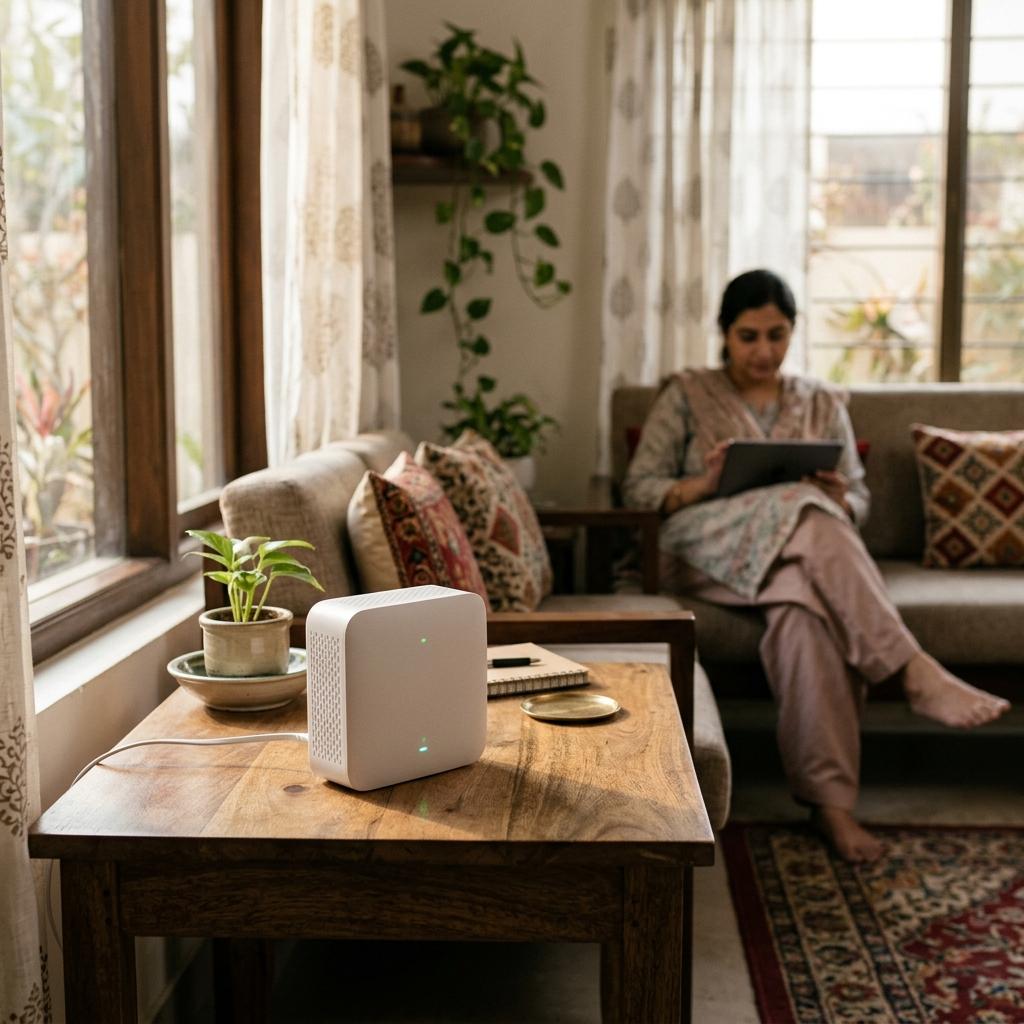
Let's start with what this actually is, because the concept matters. Z HomeFi is a 5G "Fixed Wireless Access" (FWA) service. In plain terms, instead of running a fibre or DSL cable to your home, it delivers home internet wirelessly over Zong's 5G network, via a plug-and-play indoor device (a "CPE," essentially a Wi-Fi router with a SIM) that you set up yourself.
The appeal is clear. You don't need any wiring, fibre installation, or infrastructure, you just plug in the device, it connects to the 5G network, and it broadcasts Wi-Fi to your home or small office. This "plug-and-play, no fibre needed" simplicity is genuinely attractive, especially for people in areas where fibre broadband isn't available, or who want to avoid installation hassles, or who move around. Z HomeFi supports multiple Wi-Fi users, uses modern Wi-Fi 6, and is currently available in Pakistan's top 10 cities (through Zong's service centres). So the core idea is real and useful: home broadband without the complexity of wired installation, powered by 5G. For connecting homes that fibre can't easily reach, that's a genuinely valuable proposition. The question is whether the specific pricing and performance make it worth it, which is where the debate begins.
Here's where you need the actual facts to judge value, so let's lay out the real pricing clearly. Z HomeFi offers 12 prepaid bundles, with speeds from 10 Mbps up to 50 Mbps and monthly data from 100GB to 500GB.
The entry plan, the one that's drawn the most attention, is Rs 4,500 per month for 10 Mbps speed and 100GB of data. Higher tiers include, for example, around Rs 7,500/month for 50 Mbps with 100GB, and around Rs 11,000/month for 50 Mbps with 500GB. On top of the monthly cost, the plug-and-play 5G device (CPE) costs about Rs 22,000 upfront (with a 2-year warranty). A few things stand out from these numbers. First, there are data caps on every plan (100-500GB), with no unlimited option, which matters for heavy users. Second, speeds are capped at a maximum of 50 Mbps, even though this is a "5G" service (and Zong's own 5G trials reportedly hit speeds above 1 Gbps). And third, on a per-GB basis, the entry plan works out to roughly Rs 45 per GB. These concrete numbers are essential for judging whether it's worth it, and they're exactly what's fueled the criticism. Let's weigh both sides fairly.
In fairness, let's give Z HomeFi real credit, because it has genuine advantages that matter for the right person. This isn't a worthless product; it solves real problems for some people.
The real benefits: No fibre or wiring needed, this is the big one. If you live where fibre broadband isn't available (common in many areas, including smaller cities, new developments, and some neighbourhoods), Z HomeFi can bring you home internet where wired options can't reach. That's genuinely valuable. Easy, plug-and-play setup, no waiting for installation, no technicians, no infrastructure, just plug in the device and go. Great for convenience and for renters or people who move. Flexibility, it's not tied to a fixed line, offering more freedom. Multiple users and modern Wi-Fi, it supports many devices with Wi-Fi 6. 5G network reliability (where coverage is good), it can offer decent, reliable connectivity in covered areas. And it's a first step, as Pakistan's first 5G home broadband, it's an early move in bringing 5G-powered home internet to the country, which should improve and expand over time. So for someone without fibre access who wants simple, wireless home internet and has moderate data needs, Z HomeFi genuinely fills a real gap. Its core value proposition, home broadband without wires, is legitimate and useful. The question is purely about price and value for your specific situation.
Now, in keeping with an honest assessment, let's address the real criticisms, because they're legitimate and have resonated with many users. The concerns are mainly about value, pricing versus what you actually get.
The valid criticisms: It's expensive per GB, at roughly Rs 45 per GB on the entry plan, it costs significantly more than other data options; critics point out some mobile data bundles cost a fraction of that per GB, making Z HomeFi look pricey for the data you get. The speeds are modest for "5G", a maximum of 50 Mbps (and just 10 Mbps on the entry plan) is far below what 5G can technically deliver (gigabit speeds), leading critics to argue that calling a 10 Mbps capped service "5G" oversells it. Data caps and no unlimited option, every plan has a data limit (100-500GB), with no unlimited plan, which is restrictive for home use, where families often use a lot of data (streaming, work, learning). Fibre is often better value where available, where fibre broadband exists, it typically offers higher speeds and often better value, making Z HomeFi hard to justify for those with fibre access. And the upfront device cost, Rs 22,000 for the device adds to the initial expense. So the core criticism is fair: for the price, you get modest speeds and limited data, which many feel doesn't match the "5G" branding or offer great value, especially compared to fibre (where available) or cheaper mobile bundles. These are legitimate points worth weighing honestly. The "5G" label raises expectations that the actual plans don't fully meet.
Here's the practical heart, cutting through both the hype and the criticism to help you decide based on your situation. Z HomeFi isn't "good" or "bad" universally; it's right for some people and wrong for others. Here's how to tell which you are.
It could be a good fit if: you live where fibre broadband isn't available, and need home internet (this is the strongest case, it fills a real gap wired options can't); you want simple, plug-and-play wireless internet without installation hassle; you're a renter or move often and want flexibility; your data needs are moderate (you're not a heavy streamer/downloader who'd blow past the caps); and 5G coverage in your area is good. For these people, Z HomeFi genuinely solves a problem and may be worth it.
You should probably skip it if: you have fibre broadband available (fibre usually offers better speed and value, so get that instead); you're a heavy data user (the caps and lack of an unlimited plan will frustrate you, and costs will add up); you're highly price-sensitive and want the cheapest data per GB (other options may serve you better); or you expected true "5G speeds" (you'll be disappointed by the 50 Mbps cap). So the honest guidance: evaluate your own situation, fibre availability, your data needs, your budget, and your area's 5G coverage, rather than getting it just because it's "5G." For the right person (no fibre, wants simplicity, moderate use), it's genuinely useful; for others (fibre available, heavy use, price-sensitive), it's probably not the best choice. Match it to your actual needs.
Let's zoom out, because it's worth keeping perspective on what this launch represents. Z HomeFi is Pakistan's first 5G home broadband service, and firsts are rarely perfect. This is the early stage of 5G-powered home internet in the country, and it should be seen in that light.
A balanced perspective: being first, Z HomeFi is pioneering a new category (wireless 5G home broadband) in Pakistan, which is genuinely valuable for extending connectivity, even if the initial pricing and plans aren't ideal. As 5G networks mature, competition increases (other operators will likely launch similar services), and the market develops, expect 5G home internet to improve, better speeds, more data, better value, and more options over time. The current criticisms (price, caps, modest speeds) reflect an early, still-pricey launch, not the permanent state of 5G home internet. So while today's offering may not be great value for everyone, the category it introduces is promising and will likely get better. For now, judge the specific current offering on its merits for your situation (as above), while recognizing that 5G home internet in Pakistan is just getting started and should improve. Early adopters who genuinely need it can benefit now; others may reasonably wait for the market to mature and prices to fall. Both are sensible choices.
This launch connects to Pakistan's broader connectivity story.
For connectivity access, 5G home broadband (fixed wireless) can extend home internet to areas fibre can't easily reach, genuinely valuable for expanding access, if priced accessibly over time.
For the 5G transition, home internet is one of the first major consumer applications of Pakistan's new 5G networks, a sign of 5G moving beyond phones into broader use.
For competition and value, as more operators launch 5G home internet and compete, consumers should eventually benefit from better speeds, more data, and lower prices, which is the hoped-for trajectory.
For the affordability challenge, the current high per-GB cost highlights Pakistan's ongoing internet-affordability issue (which we've discussed), making affordable 5G services important for genuine digital inclusion.
The key wisdom here is to evaluate 5G home internet (or any new tech service) based on its actual value for your specific needs, not on the exciting "5G" label, and by that honest standard, Z HomeFi is genuinely useful for some and poor value for others. The "5G" branding naturally raises expectations of blazing speeds and great value, but the reality of this early offering, 10-50 Mbps speeds, data caps, and a relatively high per-GB cost, means it doesn't universally live up to that hype. That's not a reason to dismiss it entirely (it solves real problems for the right user), but it is a reason to judge it on its concrete merits rather than the label.
The practical takeaway is to match the service to your situation honestly. If you lack fibre access, want simple wireless home internet, and have moderate data needs, Z HomeFi genuinely fills a gap and may be worth it, a real benefit of Pakistan's 5G arrival. But if you have fibre available, are a heavy user, or prioritize cheap data, you'll likely find better value elsewhere, and there's no shame in skipping it. The broader lesson for Pakistani consumers in the 5G era is to be smart, not swept up: new 5G services will keep launching with exciting branding, and the savvy move is always to look past the hype at the real price, speed, data, and fit for your needs. As 5G home internet matures and competition grows, expect it to get better and cheaper, so today's early adopters should genuinely need it, while others can reasonably wait. For now, Pakistan's first 5G home internet is a welcome, if imperfect, step, a genuine new option worth considering for the right person, judged honestly on its value rather than its label. Know your needs, weigh the real numbers, and choose accordingly. That's how to navigate the 5G era wisely.
Expect 5G home internet in Pakistan to grow and improve: as 5G coverage expands, more operators (Jazz and others) will likely launch competing fixed-wireless home services, and competition should drive better speeds, larger data allowances, and lower prices over time. Today's criticisms (high per-GB cost, modest speeds, data caps) reflect an early-stage, pricey launch that should ease as the market matures.
For consumers, this means more and better home-internet options ahead, especially valuable for areas fibre can't reach. The smart approach is to get 5G home internet now only if you genuinely need it and it fits your situation, while watching the market improve. Over time, 5G fixed-wireless could become a genuinely competitive, valuable home-broadband option across Pakistan, helping extend connectivity and complement fibre. The category is promising; the current offering is an early first step. As always, judge each offering on its real value for you as the market evolves.
Pakistan's first 5G home internet, Zong's Z HomeFi, is a genuine milestone (5G moving into the home, no fibre needed) and a genuinely useful option for the right person, but it's not the blazing-fast, great-value revolution the "5G" label might suggest. The reality: plug-and-play wireless home broadband that's genuinely valuable where fibre isn't available, but with modest speeds (10-50 Mbps), data caps (no unlimited option), a relatively high per-GB cost (~Rs 45/GB on the entry plan), and a Rs 22,000 device, drawing fair criticism on value. So should you get it? Honestly, it depends on you. If you lack fibre access, want simple wireless internet, and have moderate data needs, it fills a real gap and may be worth it. If you have fibre available, are a heavy user, or want the cheapest data, you'll likely find better value elsewhere, and skipping it is perfectly sensible. The smart approach is to judge it, and every new 5G service, on its actual price, speed, data, and fit for your needs, not on the exciting label. And take heart: as 5G home internet matures and competition grows, expect it to get faster, bigger, and cheaper. For now, Pakistan's first 5G home broadband is a welcome, if imperfect, early step, a real new choice worth considering for the right person. Know your needs, weigh the real numbers, and decide wisely. That's how to make Pakistan's 5G era work for you.
This article is for general informational purposes only and reflects pricing, plans, and information available in 2026, which change over time and vary by location, coverage, and promotions. Specific prices, speeds, and plan details are as reported by cited sources and the provider, verify current details directly with the provider before purchasing. This is not purchasing or financial advice, and this article is an independent, balanced assessment, not an endorsement or criticism of any company.
Zong has launched Z HomeFi, Pakistan's first 5G home broadband service (a 5G Fixed Wireless Access / FWA offering), in October 2026, following 5G's official launch in Pakistan in March 2026 (Zong and Jazz first). Instead of a fibre or DSL cable, Z HomeFi delivers home internet wirelessly over Zong's 5G network via a plug-and-play indoor device (a Wi-Fi 6 router with a SIM, "CPE"), with no wiring or installation needed. It's available in Pakistan's top 10 cities and supports multiple users.
Pricing/plans: 12 prepaid bundles, speeds 10-50 Mbps, data 100-500GB, prices Rs 4,500-11,000/month. The entry plan is Rs 4,500/month for 10 Mbps and 100GB (~Rs 45/GB); other examples: ~Rs 7,500 (50 Mbps, 100GB) and ~Rs 11,000 (50 Mbps, 500GB). The device costs ~Rs 22,000 upfront. All plans have data caps (no unlimited option), and speeds are capped at 50 Mbps.
Genuine upsides: no fibre/wiring needed (reaches homes where fibre isn't available, the biggest advantage); easy plug-and-play setup; flexibility (not tied to a fixed line, good for renters/movers); supports multiple users with Wi-Fi 6; reliable where 5G coverage is good; and it's a pioneering first step for 5G home internet in Pakistan.
Valid criticisms (user backlash): expensive per GB (~Rs 45, critics note some mobile bundles cost a fraction of that); modest speeds for "5G" (max 50 Mbps, entry just 10 Mbps, far below 5G's gigabit potential and Zong's own 1.4 Gbps trials, so "5G" branding oversells it); data caps with no unlimited option (restrictive for home use); fibre is often better value/speed where available; and the Rs 22,000 device cost.
Who should get it: good fit if you lack fibre access, want simple plug-and-play wireless internet, are a renter/mover, and have moderate data needs, it fills a real gap. Skip it if you have fibre available (usually better), are a heavy data user (caps/no-unlimited will frustrate), are highly price-sensitive, or expected true gigabit 5G speeds.