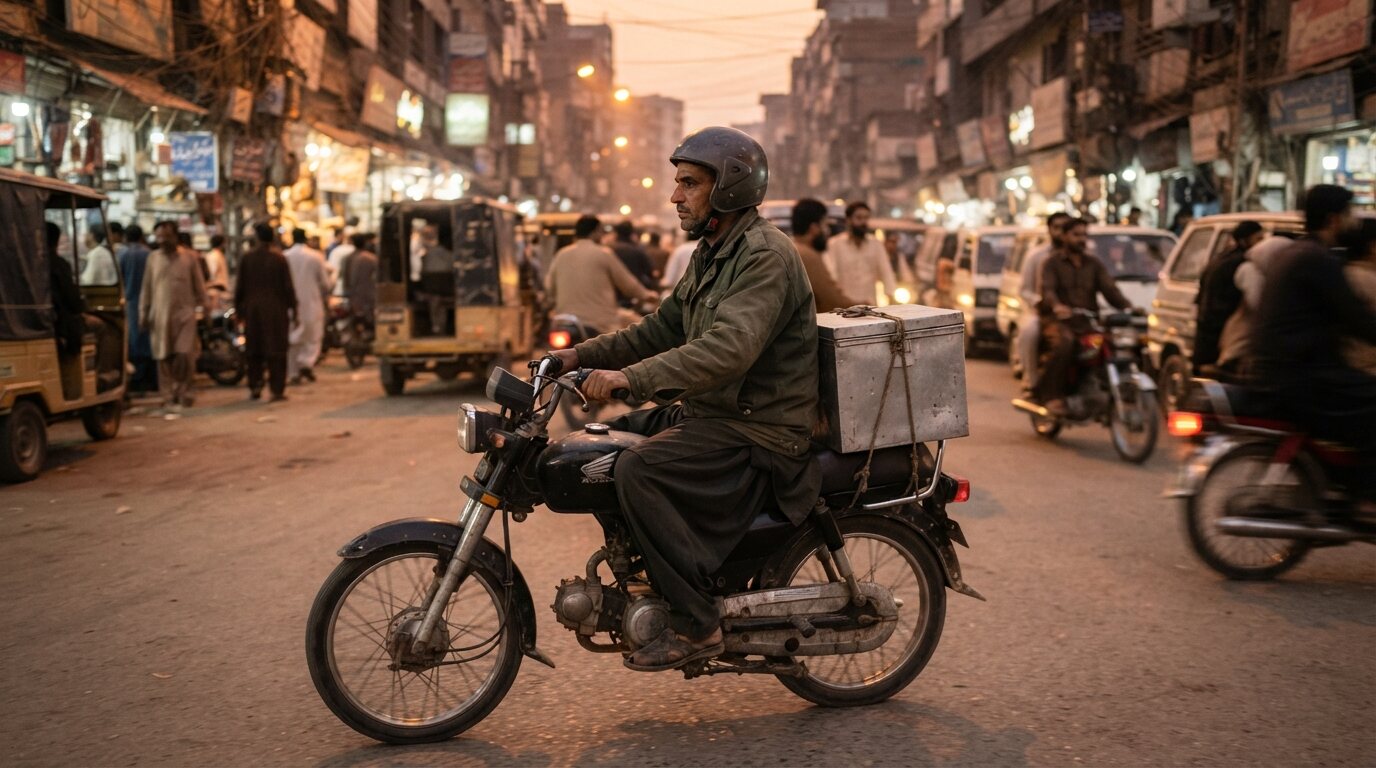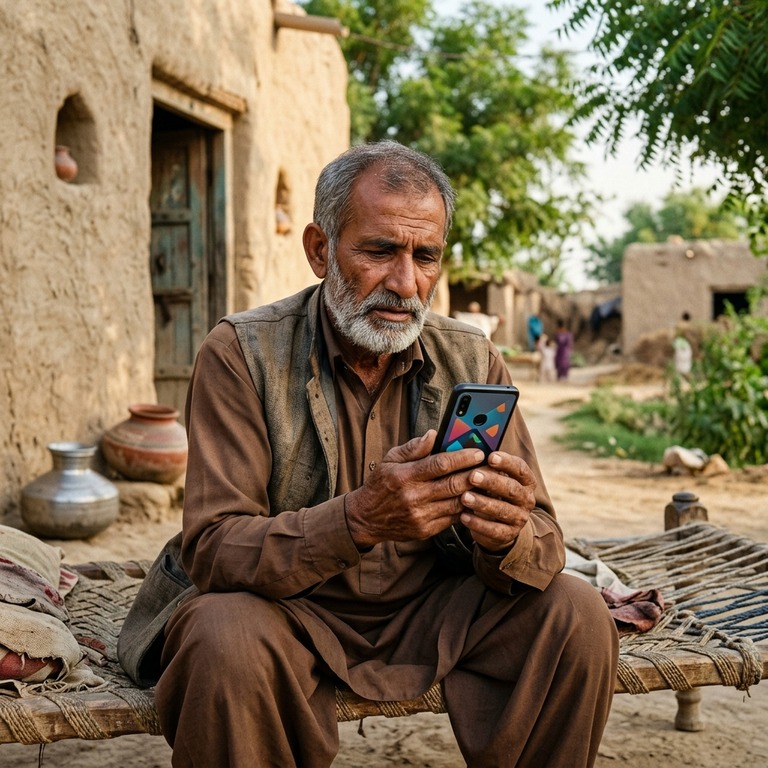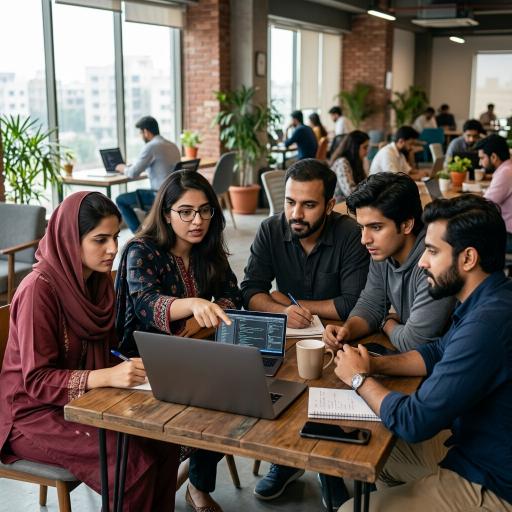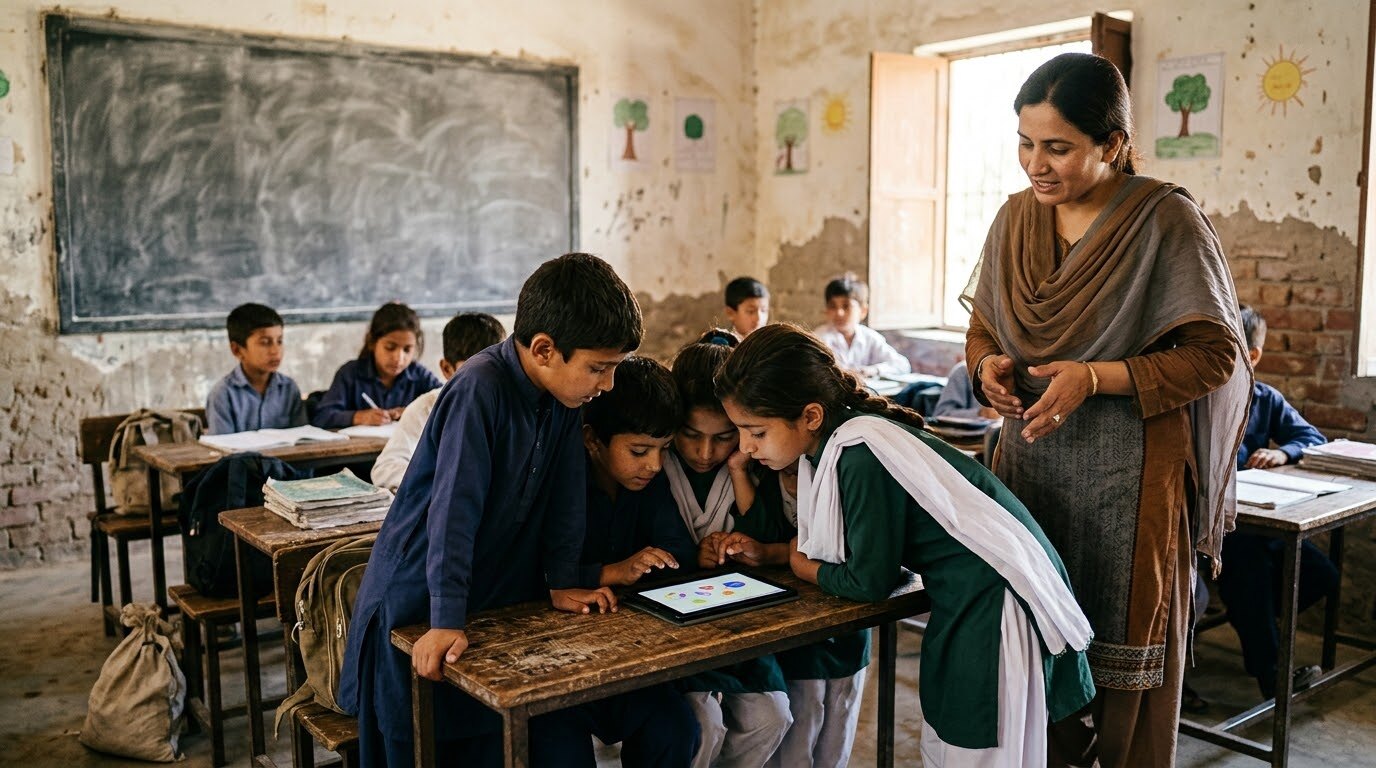
AI is rapidly entering Pakistan's education system: Punjab is introducing AI in primary schools, AI is being added as a school subject (an elective for grades 9-12), and most teachers now use AI tools. It offers real promise as a "teacher multiplier," but faces honest challenges: weak infrastructure, teacher readiness, missing AI policies, and concerns about children using AI.
Something significant is happening in Pakistan's schools, and it's moving faster than most people realize. Artificial intelligence is entering the education system from multiple directions at once: the government is introducing AI into primary schools, adding AI as a formal subject in the curriculum, and, perhaps most strikingly, the vast majority of teachers are already using AI tools like ChatGPT in their work. AI isn't a distant future for Pakistani education; it's arriving now.
This raises genuinely important questions. Is putting AI into Pakistani classrooms, including for young children, a smart move or a risky one? What are the real benefits, and the honest challenges? And is Pakistan's education system, with its well-known constraints, actually ready for this? Here's a balanced look at AI's arrival in Pakistan's schools: what's happening, the genuine opportunity, the real data, and the hard questions that come with it.
Let's start with the concrete developments, because AI is entering Pakistani education through several channels at once. This is a multi-front shift, not a single program.
Here's what's underway. AI in primary education: Punjab has announced it's introducing AI in primary schools, to familiarize young students with modern knowledge and skills early. AI as a school subject: AI is being introduced into the formal curriculum in a structured, age-appropriate way, including as an elective subject for higher grades (reportedly grades 9-12), preparing students for higher education and tech careers, with an emphasis on practical, industry-relevant skills over pure theory. Teacher training: teachers are being offered training in digital skills, IT, and modern teaching methods to support this shift, and higher-education bodies are training university administrators in applied AI too. And teachers already adopting AI: strikingly, independent of official programs, most Pakistani teachers have started using AI tools themselves (more on the data below). So AI is entering Pakistani education top-to-bottom, from primary classrooms to the curriculum to teachers' own practice. It's a genuine, accelerating transformation of how Pakistan educates, and it deserves a clear-eyed look.
Let's give the opportunity its full due, because AI could genuinely help address some of Pakistani education's deepest problems. The most compelling case is AI as a "teacher multiplier."
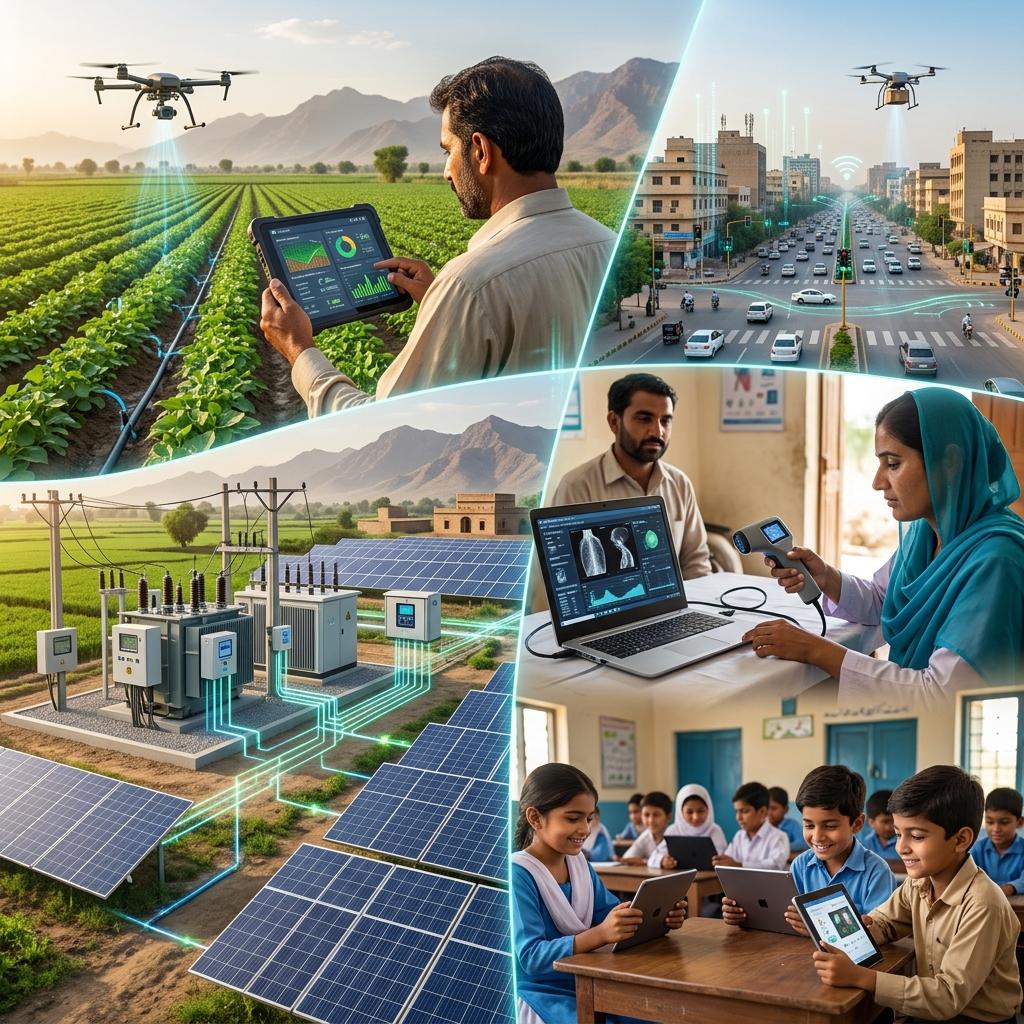
Consider Pakistan's education challenges: overcrowded classrooms, a shortage of trained teachers, uneven quality, and millions of students who need individual attention they can't get. AI could help here in real ways. It can provide personalized lessons adapted to each student's level and pace, something impossible for one teacher with 50+ students. It can give instant feedback on student work, freeing teachers' time. It can support struggling students with extra help and explanations. It can assist teachers with lesson planning, materials, grading, and administration, multiplying their effectiveness. And, importantly, modern AI doesn't necessarily require expensive infrastructure, it can run on low-cost tablets or basic devices, making it potentially accessible. As one education perspective put it, AI can act as a "teacher multiplier," extending the reach and impact of Pakistan's limited teaching capacity. For a country with a genuine teacher shortage and quality gaps, that's a potentially transformative benefit. Used well, AI could help more Pakistani children learn more effectively. The promise is real and worth pursuing.
Here's a genuinely revealing piece of evidence that shows this isn't just top-down policy, it's already happening on the ground. A recent survey of Pakistani teachers (tracking them over three years) found remarkable, fast adoption of AI.
The findings are striking. The share of teachers who had used generative AI (like ChatGPT) rose from 64% in 2024 to around 93% in 2026, near-universal adoption in just two years. Teachers reporting they'd received some AI training rose from 32% to 69%. And encouragingly, the gap between public/low-fee schools and elite schools narrowed on both AI use and training, suggesting adoption isn't only among the privileged. This is significant: Pakistani teachers are embracing AI rapidly, largely on their own initiative, using it to prepare lessons, improve materials, and help students learn. It shows genuine grassroots momentum and openness to the technology. But the same survey also revealed concerning gaps (next section), so the picture is encouraging yet incomplete. Still, the headline is clear: AI is already deeply present in how Pakistani teachers work, formal rollout or not. The classroom AI shift is underway from the bottom up as well as the top down.
Balance is essential, so let's confront the real challenges honestly, because AI in Pakistani education faces serious gaps and legitimate concerns. Enthusiasm shouldn't obscure these.
Several are genuine. Infrastructure deficits: many Pakistani schools lack basics, surveys have found large shares of government schools without reliable electricity, usable furniture, or internet, so "AI in schools" is hard where the fundamentals are missing. Teacher readiness and quality of use: while 93% of teachers use AI, the quality of use matters, the same survey found that only about a quarter of teachers have students critique AI output (arguably the most valuable AI skill), meaning AI is often used superficially, not to build genuine critical thinking. Missing policies and safeguards: alarmingly, very few schools have a written policy on AI use, reportedly zero percent of public-school teachers reported one, meaning AI is being used with little guidance on responsible, ethical, or safe practice. Risks to children: there are real ethical concerns about young children directly engaging with AI chatbots, around accuracy, inappropriate content, over-reliance, privacy, and healthy development, which is why some experts argue AI education should start later (e.g., digital literacy from grade six, AI from grade eight) rather than in early primary. Rising misuse: teachers increasingly report students misusing AI (to cheat or shortcut learning), a growing challenge. And the "throwing money at tech" trap: experts caution that unthinkingly spending on technology for schools, without addressing fundamentals and pedagogy, isn't a solution. So the honest reality is that AI's arrival in Pakistani education is promising but comes with serious infrastructure, readiness, policy, and child-safety gaps that must be addressed for it to genuinely help rather than harm.
Given both the promise and the gaps, the key insight is that the important question isn't whether AI should be in Pakistani education (it's already here, and has genuine benefits), but how it's implemented. This reframing matters.
Done thoughtfully, AI could meaningfully help Pakistani education: multiplying teachers, personalizing learning, and supporting students, especially valuable given the country's teacher shortages and quality gaps. Done carelessly, it could waste money, deepen inequality, expose children to risks, and undermine genuine learning (if used to shortcut thinking rather than build it). The difference lies entirely in implementation: proper teacher training (on using AI well, including teaching students to critique it), clear policies and safeguards (especially for children), age-appropriate introduction (with real caution for young kids), attention to infrastructure fundamentals, and a focus on AI as a tool that supports good teaching and critical thinking, not replaces them or enables shortcuts. The goal should be AI that enhances genuine learning and extends good teaching, within a framework that manages the real risks. That's achievable, but only with deliberate, careful implementation, not a rushed, tech-for-tech's-sake rollout. The "how" is everything.
Constructive analysis needs direction, so here's what would make AI in Pakistani education genuinely beneficial. Several priorities stand out.
Key needs: Train teachers to use AI well, not just to use it, but to use it effectively and critically (e.g., teaching students to question and critique AI output, the most valuable skill), and to integrate it pedagogically. Establish clear AI policies and safeguards, schools (especially public ones) urgently need written guidance on responsible, ethical, safe AI use, including protecting children. Be genuinely age-appropriate and cautious with young children, carefully consider when and how young kids engage with AI, prioritizing safety, healthy development, and sound pedagogy over rushing AI into early primary. Address infrastructure fundamentals, AI can't help where there's no electricity, device, or internet, so basics matter alongside AI ambitions. Focus on learning, not just technology, keep the goal (genuine learning and critical thinking) central, using AI as a means, not an end, and avoid the "throw money at tech" trap. Manage misuse, help students use AI to learn (not cheat), teaching healthy, productive use. And keep the teacher central, AI should support and empower teachers, not sideline them, teachers remain irreplaceable for mentorship, values, and genuine education. Get these right, and AI could be a real boon for Pakistani education. Ignore them, and it risks being an expensive, even harmful, distraction.
AI in education carries enormous stakes for Pakistan's future.
For students and learning outcomes, done well, AI could help address Pakistan's learning crisis (overcrowding, teacher shortages, quality gaps), potentially improving education for millions, a transformative possibility.
For equity, AI could either narrow gaps (if it brings quality learning to underserved students) or widen them (if only well-resourced schools benefit), making thoughtful, inclusive implementation crucial.
For the workforce and economy, equipping students with genuine AI skills and literacy prepares Pakistan's huge young population for an AI-shaped future, supporting the country's knowledge-economy ambitions.
For child welfare, how Pakistan handles children's engagement with AI (safeguards, age-appropriateness) matters deeply for young people's safety and healthy development.
The balanced takeaway is that AI's arrival in Pakistani education is a genuinely promising development with real potential to help, provided it's implemented thoughtfully, with proper training, safeguards, realism, and a relentless focus on genuine learning. The opportunity is substantial: in a system strained by teacher shortages, overcrowding, and quality gaps, AI as a "teacher multiplier", personalizing learning, giving feedback, supporting struggling students, could meaningfully improve outcomes, and the rapid grassroots adoption by teachers (93%) shows real openness and momentum. This is a genuine chance to help Pakistani education leapfrog some of its challenges.
But the honest insight is that the benefits depend entirely on doing it right, and the current gaps are serious: weak infrastructure, superficial AI use (few teaching students to critique AI), almost no school AI policies or safeguards, real risks to children, and rising misuse. The mature path is neither techno-optimist rush (putting AI everywhere, including young children, without safeguards) nor reflexive rejection (missing AI's genuine benefits), but thoughtful implementation: train teachers to use AI well, establish clear policies and child-safety safeguards, be genuinely cautious and age-appropriate with young children, address infrastructure fundamentals, keep the focus on real learning and critical thinking, and keep teachers central. If Pakistan does this, AI could be a real asset for its education and its young people's futures. If it rushes carelessly, it risks wasted resources, deepened inequality, and harm to children's learning and wellbeing. So the verdict is clear-eyed optimism: embrace AI's real promise for Pakistani education, but implement it wisely, with the care that educating children, and using a powerful, imperfect technology, genuinely demands. The classroom is where Pakistan's future is shaped; bringing AI into it thoughtfully could help, but only if the "how" is taken as seriously as the "whether." Promising, yes, if done right.
Expect AI to keep expanding across Pakistani education, more curriculum integration, more teacher use and training, and more AI tools in classrooms. The key questions are whether implementation improves (better teacher training on quality use, clear policies and safeguards, age-appropriate approaches, infrastructure attention) and whether AI genuinely enhances learning rather than enabling shortcuts or deepening inequality. Watch for schools to develop AI policies, for training to emphasize critical AI use, and for thoughtful handling of children's engagement with AI.
If Pakistan gets the implementation right, AI could become a valuable tool for addressing its education challenges and preparing students for an AI future. If it rushes without safeguards and quality, the benefits will fall short and risks will grow. The trajectory depends on deliberate, careful rollout. The encouraging signs are real (openness, adoption, genuine promise); the task is matching them with wisdom in execution. For Pakistan's students and teachers, getting AI in education right is one of the most consequential things the country can do for its future.
AI is entering Pakistan's classrooms rapidly and from every direction, into primary schools, as a formal subject, and onto teachers' desks (with around 93% of teachers already using it). The promise is genuinely exciting: AI as a "teacher multiplier" could help address Pakistan's deep education challenges, overcrowding, teacher shortages, quality gaps, by personalizing learning, giving feedback, and supporting students, potentially improving outcomes for millions, even on low-cost devices. But the honest reality is that serious gaps and concerns come with it: weak infrastructure, superficial AI use, almost no school AI policies or safeguards, real risks around children engaging with AI, and rising misuse. So the crucial question isn't whether AI belongs in Pakistani education (it's already here, with real benefits), but how it's implemented. Done thoughtfully, with proper teacher training, clear safeguards, age-appropriate caution for young children, attention to fundamentals, and a focus on genuine learning and critical thinking, AI could be a real asset for Pakistan's education and its young people. Done carelessly, it risks wasted money, deepened inequality, and harm. The direction is promising; the execution is everything. Pakistan should embrace AI's genuine potential for its classrooms, but implement it with the care that educating children, and wielding a powerful, imperfect technology, truly demands. Get the "how" right, and AI could help shape a brighter future, one classroom at a time.
This article is for general informational purposes only and reflects developments and data available in 2026, which evolve over time. Figures and findings (including survey data and policy announcements) are as reported by cited sources and may vary. This article presents education-policy considerations non-partisanly and raises child-safety considerations thoughtfully. This is not educational, policy, or professional advice; parents and educators should use their own judgment and consult appropriate professionals regarding children's use of technology.
AI is entering Pakistan's education system rapidly from multiple directions: Punjab has announced introducing AI in primary schools; AI is being added to the formal curriculum in a structured, age-appropriate way (including as an elective for grades 9-12, emphasizing practical over theoretical skills); teachers are being offered digital/AI training (and university administrators too, via HEC); and, strikingly, most teachers already use AI on their own initiative.
The promise, AI as a "teacher multiplier": given Pakistan's overcrowded classrooms, teacher shortages, and quality gaps, AI can provide personalized lessons, instant feedback, support for struggling students, and help teachers with planning/grading/administration, extending limited teaching capacity. Modern AI can run on low-cost tablets, making it potentially accessible even in resource-constrained settings.
The data (a 3-year teacher panel survey): Pakistani teachers' generative-AI use rose from 64% (2024) to ~93% (2026); those reporting AI training rose from 32% to 69%; the public/low-fee vs elite school gap narrowed, showing broad, fast, grassroots adoption.
The honest gaps/concerns: weak infrastructure (many government schools lack reliable electricity, furniture, or internet); superficial use (only ~25% of teachers have students critique AI output, the most valuable skill); almost no written AI policies/safeguards (reportedly 0% in public schools); real risks around young children engaging AI chatbots (accuracy, inappropriate content, over-reliance, privacy, development), prompting some experts to argue AI education should start later (digital literacy grade six, AI grade eight) not early primary; rising student misuse (cheating); and the "throwing money at tech" trap (spending without addressing fundamentals/pedagogy).
The key reframe: the question isn't whether AI belongs in Pakistani education (it's already here with real benefits) but how it's implemented. Done thoughtfully