The Virtual Assets Alliance of Pakistan (VAAP), launched November 2026 after crypto-theft incidents, aims to protect crypto users, raise investor awareness, promote cybersecurity education, and encourage responsible practices. Importantly, VAAP is a private industry alliance, not a regulator: it has no regulatory authority or government endorsement (Pakistan’s crypto regulator is PVARA). It complements, but doesn’t replace, caution.
Pakistan’s cryptocurrency scene has a new development aimed at protecting the many Pakistanis who use digital assets: the Virtual Assets Alliance of Pakistan (VAAP). Launched in November 2026, partly in response to incidents of crypto theft, this new alliance aims to protect crypto users, raise awareness, promote cybersecurity, and encourage responsible, transparent practices in the country’s growing virtual-assets industry. For a country that reportedly ranks among the world’s top crypto-adoption markets, that sounds like genuinely good news.
And in many ways, it is, a step toward a safer, more organized, more informed crypto environment is welcome, especially given the risks and scams in the space. But to understand what VAAP really means for you, it’s essential to be clear-eyed about both what it aims to do and, crucially, what it can’t do, because there’s an important distinction that every crypto user should understand. So here’s an honest explainer: what VAAP is, why it was formed, what it aims to achieve, its real limits, and what it all means for crypto users in Pakistan. (An important note upfront: this is informational, not investment advice; crypto is high-risk and regulated in Pakistan, and you must always do your own research and protect yourself, more on that throughout.)
Let’s start with what VAAP actually is. The Virtual Assets Alliance of Pakistan (VAAP) is a newly formed body (launched at a press conference in Islamabad in November 2026) that brings together crypto businesses, users, and stakeholders on a common platform, with the goal of promoting the protection, awareness, and responsible development of Pakistan’s virtual-assets (cryptocurrency and digital-assets) industry.
Here are the basics. Its stated purpose: to improve the protection of cryptocurrency users, raise investor awareness, strengthen cybersecurity, and promote transparency and responsible practices in the crypto market. Who’s leading it: Hunza Asif (founder of Asia Web3 Alliance Japan) was appointed its first chairperson, with Syed Ehtisham Hamdani (a crypto-industry figure) as senior vice chairman; it was formed in collaboration with Asia Web3 Alliance Japan. What prompted it: its launch follows reported incidents of crypto asset theft, highlighting the need for better user protection and security in Pakistan’s crypto space. Its nature: it’s an industry alliance (bringing together businesses, users, and stakeholders), aiming to make Pakistan’s virtual-assets industry more organized, transparent, responsible, and effective. So VAAP is essentially a collective, industry-led initiative focused on protecting and educating crypto users and improving the overall crypto ecosystem in Pakistan. That’s a genuinely positive aim, especially in a space known for risks and scams. But its exact nature (and limits) matter a lot, as we’ll see.
Understanding why VAAP was created helps clarify its value, because it responds to genuine problems in Pakistan’s crypto space. Crypto, for all its popularity, carries serious risks, and Pakistan’s crypto users have been exposed to them.
Consider the context. Crypto theft and scams are real: VAAP’s launch explicitly follows incidents of crypto asset theft, a reminder that the crypto space is rife with hacks, scams, fraud, and theft (as the recent major global exchange hack also underscored). Pakistani crypto users have genuinely suffered losses. High adoption, high exposure: Pakistan reportedly ranks among the top countries globally for crypto adoption (though, importantly, the often-cited figure of “20 million users” is unverified, and VAAP itself notes the lack of reliable data). With many users, many are exposed to risks. Lack of awareness and data: many crypto users lack awareness of security practices and risks, and there’s a genuine lack of reliable data about Pakistan’s crypto users and market. A need for organization: the crypto space has been somewhat chaotic and under-protected, creating a need for more organization, responsible practices, and user protection. So VAAP was formed to address real, pressing needs: protecting users from the genuine risks of theft and scams, raising awareness and cybersecurity education, gathering reliable data, and bringing more organization and responsibility to a risky space. These are legitimate, valuable goals, and the fact that an industry body is stepping up to address them is encouraging. The motivation behind VAAP is sound and responds to real harm.
Let’s look at VAAP’s specific goals and planned activities, because they’re genuinely useful if delivered. The alliance has outlined several aims focused on protecting and empowering crypto users.
Its planned efforts include: Protecting users and raising awareness: educating crypto investors and users about digital assets, risks, and safe practices, so they can make more informed decisions and avoid pitfalls. Promoting cybersecurity education: strengthening awareness of cybersecurity (crucial given the hacks and scams in crypto), helping users protect their assets and accounts. Collecting reliable data: gathering credible data on Pakistan’s crypto users and market (addressing the current lack of verified figures), to better understand and serve the ecosystem. Guidance and support: reportedly, helping users with things like filing complaints, legal assistance, and protecting their digital accounts, practical support for people who’ve been harmed or want to stay safe. University awareness campaigns: running educational campaigns at universities to improve students’ understanding of crypto, blockchain, investment risks, and security. Promoting responsible, transparent practices: encouraging businesses and the industry to operate responsibly and transparently, and acting as a bridge between the public and relevant authorities. And representing the industry: giving Pakistan’s crypto industry a more organized voice, including internationally, and supporting evidence-based policy discussions. So VAAP aims to educate, protect, support, organize, and advocate, all genuinely valuable functions for a safer, more informed crypto ecosystem. If it delivers on these, it could meaningfully help Pakistani crypto users. These are worthwhile goals worth supporting.
Here’s the single most important thing to understand, and it’s essential for setting the right expectations. Despite its protective aims, VAAP is a private industry alliance, NOT a government regulator, and it has explicitly clarified that it has no regulatory authority or official government endorsement. This distinction matters enormously.
Let’s be clear about what this means. VAAP cannot make or enforce laws or rules: it’s not a regulatory body, so it can’t legally regulate crypto businesses, enforce standards, license exchanges, or punish bad actors. It can advocate and educate, but not enforce. It’s not a government body: it has no official government backing or authority; it’s an industry-led collective, a voluntary alliance of businesses, users, and stakeholders. It doesn’t replace the actual regulator: Pakistan does have an official government crypto regulator, the Pakistan Virtual Assets Regulatory Authority (PVARA), established under the Virtual Assets Act 2026, which is the body with actual regulatory power over virtual assets, exchanges, and service providers. VAAP is separate from and additional to PVARA. It acts as a bridge, not an authority: VAAP positions itself as a bridge between the public and relevant authorities, helping, guiding, and advocating, rather than governing. So while VAAP’s protective aims are genuine and valuable, its power is limited to education, awareness, support, advocacy, and industry organization, not regulation or enforcement. It’s important not to overestimate what it can do. VAAP being launched doesn’t mean crypto is now “safe” or “regulated by VAAP”, it isn’t. This honest distinction is crucial for crypto users to understand, so they don’t develop a false sense of security.
So what does VAAP’s launch actually mean for a crypto user in Pakistan? The honest answer is: it’s a positive, helpful development, but it does NOT make crypto safe or remove your need for caution. Let’s be clear about this, because it matters for your money.
Here’s the practical reality. The good: VAAP can genuinely help, through education and awareness (helping you understand risks and safe practices), cybersecurity guidance (helping you protect your assets), support (like guidance on complaints or account protection if you’re harmed), and by pushing the industry toward more responsibility and transparency over time. These are real benefits, and you can take advantage of VAAP’s educational resources and awareness efforts as they develop. The limits: VAAP cannot guarantee your safety, protect you from all scams or theft, enforce anything against bad actors, or make crypto low-risk. Crypto remains high-risk, volatile, and full of scams and hacks, and VAAP’s existence doesn’t change that fundamental reality. The essential takeaway: welcome VAAP as a helpful resource for education and awareness, but continue to protect yourself vigilantly, because you remain your own first line of defense. VAAP is a supportive addition, not a safety net that lets you be careless. So use VAAP’s resources to become better informed and more secure, but never let its existence lull you into complacency about crypto’s genuine risks. Your own caution, research, and security practices remain absolutely essential. VAAP helps; it doesn’t protect you automatically.
Since you remain your own best protection, here’s a reminder of the essential crypto safety practices, because these matter far more than any organization’s existence. Whether or not VAAP helps, these habits protect you.
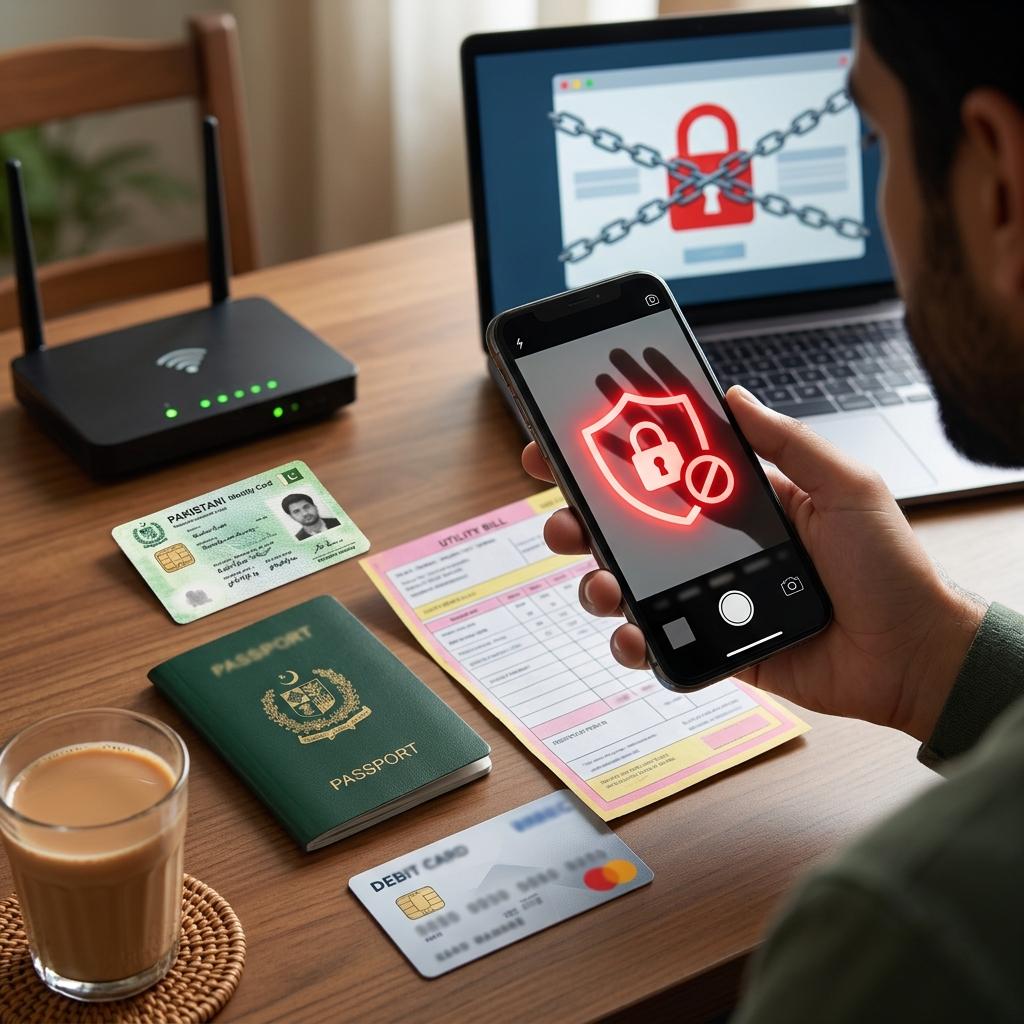
Key crypto safety practices: Understand crypto is high-risk: never invest more than you can afford to lose; crypto is volatile and you can lose everything. Secure your accounts and assets: use strong, unique passwords and app-based two-factor authentication; consider secure wallets for holdings; and never share your passwords, private keys, or seed phrases with anyone, ever. Beware scams relentlessly: crypto is full of scams (fake investments, phishing, fake “support,” too-good-to-be-true returns, impersonation); be deeply skeptical, verify everything independently, and never act on urgent or unsolicited requests. Use reputable, compliant platforms: stick to legitimate, well-established exchanges and services, ideally those operating within Pakistan’s regulated framework (PVARA), and be wary of unregulated or unknown platforms. Understand the legal/regulatory status: know that crypto is regulated in Pakistan (under the Virtual Assets Act and PVARA) and stay within the law; understand the current rules. Do your own research (DYOR): thoroughly research any crypto, platform, or opportunity before putting in money; don’t rely on hype, tips, or others’ claims. Protect against hacks: keep software updated, use secure devices, and be cautious with links and downloads. And if harmed, report it: if you’re scammed or your assets are stolen, report to the relevant authorities (and VAAP may offer guidance), and act quickly. The bottom line: your own vigilance, skepticism, security practices, and research are your real protection in crypto, far more than any alliance. Use VAAP’s educational help, but rely on your own careful habits. These practices are what actually keep you safe.
VAAP’s launch carries real significance for Pakistan’s crypto landscape.
For crypto users: it offers a new source of education, awareness, and support, which (used well) can help users stay safer and more informed in a risky space, a genuine benefit.
For the crypto ecosystem: it aims to bring more organization, transparency, and responsibility to Pakistan’s crypto industry, which, if achieved, would make the ecosystem healthier and more trustworthy over time.
For data and understanding: its goal of collecting reliable data on crypto users addresses a real gap (the current lack of verified figures), which could help better understand and serve the market.
For the broader framework: VAAP complements Pakistan’s official regulatory framework (PVARA, the Virtual Assets Act), adding industry-led awareness and advocacy to government regulation, together potentially fostering a safer, more mature crypto environment, if both play their roles well.
The key insight is that VAAP’s launch is a genuinely positive, welcome step for crypto awareness and user protection in Pakistan, but it’s essential to understand its real nature and limits, it’s a helpful industry alliance focused on education and advocacy, not a regulator or a safety guarantee, so crypto users should welcome its resources while continuing to protect themselves vigilantly, because crypto remains high-risk. There are two truths to hold together here. First, VAAP is a good development: in a crypto space plagued by scams, theft, and a lack of awareness and data, an organized industry effort to educate users, promote cybersecurity, support those harmed, gather reliable data, and push for responsible practices is genuinely valuable. It reflects a maturing crypto ecosystem taking user protection seriously, and crypto users can and should take advantage of its educational and awareness resources as they develop. That’s real, positive progress worth acknowledging.
Second, though, it’s crucial not to misunderstand or overestimate VAAP. It is explicitly not a regulator, it has no regulatory authority or government endorsement, and it cannot make or enforce rules, license or police businesses, guarantee your safety, or make crypto low-risk. Pakistan’s actual crypto regulator is PVARA (under the Virtual Assets Act 2026); VAAP is a separate, industry-led, voluntary alliance that acts as a bridge and advocate, not an authority. This means VAAP’s launch does NOT make crypto “safe” or remove your need for caution. The practical wisdom, therefore, is to welcome the help but keep your guard up: use VAAP’s education and awareness to become more informed and secure, but never let its existence create a false sense of safety. Crypto remains volatile, high-risk, and full of scams and hacks, so your own vigilance is irreplaceable: never invest more than you can afford to lose; secure your accounts and never share keys or passwords; be relentlessly skeptical of scams and verify everything; use reputable, regulated platforms; understand the legal status; do thorough research; and protect against hacks. These personal practices, not any organization, are your real protection. For Pakistan, VAAP (alongside the PVARA regulatory framework) is a constructive step toward a safer, more organized, more mature crypto ecosystem, which is encouraging. But that journey is ongoing, and in the meantime, crypto carries serious risks that no alliance eliminates. So the balanced message to Pakistani crypto users is: welcome VAAP as a helpful resource and a positive sign, engage with its educational efforts, but keep your guard firmly up, protect yourself diligently, stay skeptical, and treat crypto with the caution its genuine risks demand. Help is now more available; your own careful vigilance remains essential. Welcome the help, keep your guard up, that’s how to navigate Pakistan’s crypto space wisely. And as always, this is informational only, not investment advice; do your own research and consider professional guidance.
Expect VAAP to begin rolling out its planned activities (awareness campaigns, cybersecurity education, data collection, university programs, user support) over the coming months, and its real value will depend on how effectively it delivers these. Watch whether it genuinely helps educate and protect users, gathers useful data, and fosters a more responsible ecosystem, and how it works alongside the official regulator (PVARA) and authorities. A well-run VAAP could meaningfully improve crypto awareness and safety in Pakistan over time.
For crypto users, the trajectory is encouraging, more education, awareness, and support should become available, helping people navigate crypto more safely. But the fundamentals won’t change: crypto will remain high-risk, and personal vigilance will stay essential. The broader hope is that VAAP (plus PVARA’s regulation and growing user awareness) gradually makes Pakistan’s crypto ecosystem safer, more transparent, and more mature, a worthwhile goal. For now, crypto users should engage with VAAP’s resources as they emerge, while continuing to protect themselves diligently. The direction, toward more organization, education, and protection in Pakistan’s crypto space, is positive, even as the risks and the need for personal caution persist. It’s a step on a longer journey toward a safer crypto environment.
The launch of the Virtual Assets Alliance of Pakistan (VAAP) is a genuinely positive, welcome step for crypto users in Pakistan, aiming to protect users, raise awareness, promote cybersecurity, support those harmed, collect reliable data, and encourage responsible, transparent practices in the country’s crypto industry, worthwhile goals in a space plagued by scams and theft. For Pakistan’s many crypto users, having an organized body focused on their protection and education is encouraging, and they should take advantage of VAAP’s resources as these develop. But it’s essential to understand VAAP’s real nature and limits honestly: it is a private industry alliance, NOT a government regulator. It has explicitly clarified that it has no regulatory authority or official government endorsement (Pakistan’s actual crypto regulator is PVARA, under the Virtual Assets Act 2026). This means VAAP can educate, advocate, support, and organize, but it cannot make or enforce rules, guarantee your safety, or make crypto low-risk. Crucially, VAAP’s launch does not make crypto “safe” or remove your need for caution. So the balanced, honest takeaway is: welcome the help, but keep your guard up. Use VAAP’s education and awareness to become more informed and secure, but never let its existence lull you into complacency, because crypto remains high-risk, volatile, and full of scams and hacks. Your own vigilance is irreplaceable: never invest more than you can afford to lose, secure your accounts and never share your keys, be relentlessly skeptical of scams and verify everything, use reputable regulated platforms, understand the legal status, and do thorough research. These personal practices, not any alliance, are your real protection. VAAP (alongside PVARA) is a constructive step toward a safer, more mature crypto ecosystem in Pakistan, which is good news. But the risks persist, and you remain your own first line of defense. So engage with VAAP’s helpful resources, welcome this positive development, and keep protecting yourself diligently. In Pakistan’s crypto space, help is now more available, but your own careful vigilance remains essential. Welcome the help, keep your guard up, and navigate crypto wisely.
This article is for general informational and explanatory purposes only, based on reports available in 2026. It is NOT investment, financial, or legal advice, and nothing here is a recommendation to buy, sell, hold, or use any cryptocurrency, digital asset, platform, or service. Cryptocurrency is extremely high-risk and volatile, you can lose your entire investment, and the space carries significant scam, fraud, and theft risks. VAAP is a private industry alliance, not a regulator, and has no regulatory authority or government endorsement; its launch does not make crypto safe or regulated by it. Crypto has a regulated legal status in Pakistan (under the Virtual Assets Act 2026 and PVARA), understand and follow the current laws. Always do your own thorough research, protect your assets and credentials, be alert to scams, and consult qualified financial and legal professionals before engaging with crypto. Do not rely solely on this article.
The Virtual Assets Alliance of Pakistan (VAAP) was formally launched on November 10, 2026, at a press conference in Islamabad, partly in response to crypto-theft incidents, to improve the protection of cryptocurrency users, raise investor awareness, promote cybersecurity, collect reliable data, and encourage transparent, responsible practices in Pakistan’s digital-assets industry. Hunza Asif (founder of Asia Web3 Alliance Japan) is its first chairperson; Syed Ehtisham Hamdani (HTX country manager) is senior vice chairman; it was formed in collaboration with Asia Web3 Alliance Japan.
What VAAP aims to do: protect users and raise awareness; promote cybersecurity education; collect reliable data on Pakistan’s crypto users (addressing a real gap, the often-cited “20 million users” figure is explicitly unverified, though Pakistan reportedly ranks ~3rd globally in crypto adoption); provide support (reportedly including guidance on filing complaints, legal assistance, and protecting digital accounts); run university awareness campaigns; promote responsible/transparent industry practices; and act as a bridge between the public and authorities, giving the industry an organized voice.
The crucial catch: VAAP is a PRIVATE INDUSTRY ALLIANCE, NOT a government regulator. It explicitly clarified it has no regulatory authority or official government endorsement. It cannot make or enforce laws, license or police crypto businesses, punish bad actors, or guarantee safety. Pakistan’s actual crypto regulator is the Pakistan Virtual Assets Regulatory Authority (PVARA), established under the Virtual Assets Act 2026. VAAP is separate from and additional to PVARA, acting as an educator, supporter, and advocate, not an authority.
What it means for users: VAAP’s launch is a positive, helpful development (education, awareness, cybersecurity guidance, support, pushing the industry toward responsibility), but it does NOT make crypto safe or remove the need for caution. Crypto remains high-risk, volatile, and full of scams, hacks, and theft; VAAP can’t guarantee safety or enforce anything. Users should welcome VAAP’s resources but keep protecting themselves vigilantly.
How to protect yourself (regardless of VAAP): understand crypto is high-risk (never invest more than you can afford to lose); secure accounts (strong passwords, app-based 2FA, secure wallets; never share passwords, private keys, or seed phrases); be relentlessly skeptical of scams and verify everything; use reputable, regulated platforms (ideally within PVARA’s framework); understand the legal status and stay compliant; do your own thorough research; protect against hacks; and report promptly if harmed. Your own vigilance is your real protection.
Takeaway: “Welcome the help, keep your guard up.” VAAP (alongside PVARA regulation) is a constructive step toward a safer, more organized, more mature crypto ecosystem in Pakistan, worth engaging with for its education and awareness, but it’s an industry alliance, not a regulator or safety guarantee, and crypto’s serious risks persist. Informational, NOT investment advice; crypto is high-risk; VAAP is not a regulator; crypto is regulated in Pakistan under the Virtual Assets Act/PVARA; do your own research and consult professionals.