Binance, the world’s largest crypto exchange, confirmed a security incident on October 29, 2026, with an estimated total impact of around $6.3 billion, reportedly the largest crypto hack in history. It traced the breach to a compromised employee laptop, suspended deposits and withdrawals, froze about $3 billion, and said it will cover all losses and that user funds are safe.
The world of cryptocurrency has just been rocked by its biggest security incident ever. On Thursday, October 29, 2026, Binance, the world’s largest cryptocurrency exchange, confirmed that it suffered a major hack with an estimated total impact of around $6.3 billion, a figure that, if it holds, makes it by far the largest crypto theft in history. The news sent shockwaves through global crypto markets and has put the risks of digital assets back in the spotlight.
For the growing number of Pakistanis who hold or follow cryptocurrency, this is important news to understand, both what actually happened and what it means for them. So let’s look at the verified facts (soberly, since this is still developing), what Binance is doing, whether funds are safe, and, most importantly, the real lessons and cautions for Pakistani crypto users. A quick but important note upfront: this is breaking news, so details and figures may change; this article is for information only and is absolutely not investment advice; and crypto carries serious risks and has a restricted, heavily-regulated status in Pakistan. With that, here’s what you need to know.
Let’s start with what has been confirmed by Binance and credible major news sources, keeping to the facts. On Thursday, October 29, 2026, Binance announced on its official channels that it had suffered a security incident with an estimated total impact of around $6.3 billion. Major outlets (including the Washington Post, Axios, and others) reported it as, by far, the largest crypto theft in history, more than four times the previous record (the roughly $1.5 billion Bybit hack of 2025).
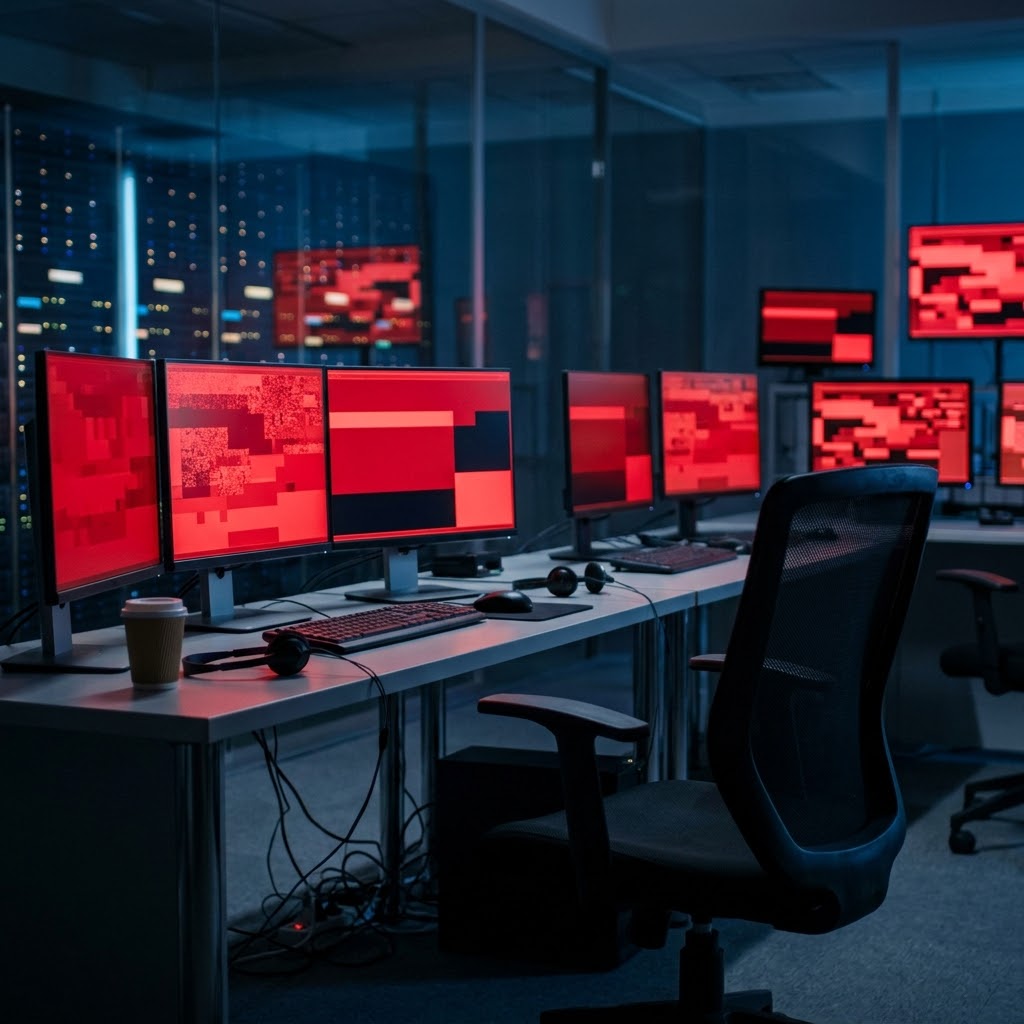
Here are the key confirmed details. The cause: Binance said an initial investigation traced the breach to a compromised laptop belonging to a “DevOps engineer” (an employee), which allowed the attacker to access a “service container” and submit unauthorized withdrawal transactions. Importantly, Binance said it found no evidence of private-key leaks from its wallets, meaning the underlying crypto security (and users’ own keys) weren’t broken; it was an internal-systems compromise. The response: Binance temporarily suspended all deposits and withdrawals as a precaution while it investigates. The freezing: Binance said it worked with blockchain partners to freeze about $3 billion of the affected assets on-chain (stablecoin issuers Tether and Circle reportedly froze over $1.5 billion and hundreds of millions respectively), meaning a large chunk may be recoverable. The reassurance: Binance stated it will cover all losses (reportedly from its reserves/SAFU fund and company funds) and that user funds are safe. So the confirmed picture is: a massive $6.3 billion breach via a compromised employee laptop, a trading halt, about half the funds frozen, and Binance pledging to cover losses and protect users. Those are the established facts as of this writing.
In keeping with responsible reporting, it’s crucial to separate the confirmed from the still-uncertain, because this is breaking news and some details are not yet settled. Please treat these with appropriate caution.
Still developing or unconfirmed: the exact figures, Binance itself cautioned that the full value of affected assets, and the amounts recovered or frozen, could change as the investigation continues, so the $6.3 billion and $3 billion numbers are estimates that may be revised. The attribution, some reports cited allegations linking the hack to North Korea-affiliated groups (which have been behind other major crypto thefts), but this is an allegation under investigation, not a confirmed fact. The full details, exactly how the breach unfolded, how much is ultimately recovered, and the complete impact are still being determined. And the market effects, major cryptocurrencies traded lower on the news (Binance’s own BNB token tumbled before partially recovering), but the longer-term market impact is still unfolding. So while the core event (a roughly $6.3 billion Binance hack) is confirmed, many specifics remain fluid. Be cautious about any claims presenting uncertain details as settled fact, and rely on official Binance statements and credible major news sources for updates, not rumors or social-media speculation (which, as we’ll discuss, often includes scams).
For Pakistanis who actually use Binance, the urgent question is “is my money safe?”, so let’s address it carefully and honestly. Based on Binance’s official statements, Binance has said that user funds are safe and that it will cover all losses from the hack (reportedly using its reserve/SAFU fund and company funds). This is Binance’s stated commitment, and it has honored similar pledges in past (smaller) incidents.
However, a few honest, careful points. First, this is based on Binance’s own statements; while reassuring and consistent with its track record, the situation is still developing. Second, deposits and withdrawals were suspended during the investigation, so you may temporarily be unable to move funds, this is a precaution, not necessarily a sign your funds are lost, but it’s a real inconvenience and worth monitoring. Third, follow only official Binance channels for guidance on your account and funds, not third-party claims. The practical, careful advice for Binance users: stay calm (Binance has pledged to cover losses and protect user funds), follow only official Binance communications for updates and instructions, do not panic-react to rumors, and be extremely alert to scams (see below). While the overall situation appears to be that user funds are protected per Binance’s commitments, it remains a developing event, so stay informed through official sources and exercise caution. Do not take rash actions based on panic or unverified information.
This is genuinely critical, and possibly the most immediately important part for ordinary users, so please take it seriously. Major crypto incidents like this are always followed by a wave of scams exploiting the fear and confusion, and Pakistanis must be on high alert. Binance’s own co-founder reportedly warned users to watch out for scams, unofficial links, and requests for account information that typically accompany such events.
Here’s how scammers exploit moments like this, and how to protect yourself. Scammers may: send fake “security alert” messages (emails, texts, WhatsApp, social media) pretending to be from Binance, urging you to “verify your account,” “secure your funds,” or “claim compensation” via a link, these links steal your login details or drain your account; create fake websites mimicking Binance to capture your credentials; pose as “Binance support” offering to “help recover” your funds (for a fee or your details); and spread panic to trick you into hasty, unsafe actions. To protect yourself: never click links in unsolicited messages about the hack, go directly to Binance’s official app/website yourself; never share your password, 2FA codes, seed phrase, or private keys with anyone, ever (no legitimate service will ask); ignore “compensation” or “fund recovery” offers that ask for payment or credentials (these are scams); use only official Binance channels for any account action; enable strong security (app-based 2FA, strong unique password) if you haven’t; and be deeply skeptical of anything urgent or too-good/too-scary to be true. The rule: in the chaos after a hack, scammers thrive on panic and haste, so slow down, trust only official sources, and never hand over your credentials or money to anyone. Your vigilance now is your best protection.
Beyond Binance users specifically, this event carries broader lessons for all Pakistanis interested in crypto, so let’s consider them honestly. This is a teachable moment about the real nature of crypto.
The key takeaways: crypto carries serious, real risks, this historic hack is a stark reminder that cryptocurrency, despite its appeal, involves significant risks, including that even the biggest, most-trusted exchanges can be hacked for staggering sums. Crypto is not a safe, guaranteed store of value. “Not your keys, not your coins”, a long-standing crypto principle is that funds held on an exchange (a “custodial” arrangement) are vulnerable to that exchange’s failures or hacks; this event illustrates the risk of keeping assets on exchanges rather than in your own secure wallet (though self-custody has its own risks and responsibilities). The importance of security and caution, for anyone in crypto, strong personal security, skepticism, and caution are essential, as both hacks and scams are rampant. Pakistan’s regulatory context, crypto remains in a restricted, heavily-regulated, and evolving legal status in Pakistan (with authorities like the new regulatory bodies still shaping the framework, and significant official caution). This event reinforces why regulators worldwide, including in Pakistan, treat crypto with caution. And the volatility and uncertainty, crypto markets react sharply to such news, underscoring their volatility and the risk of loss. So for Pakistanis, the bigger-picture lesson is one of informed caution: crypto can be interesting and even opportunity-rich, but it is genuinely high-risk, and events like this historic hack are a sobering reminder to approach it carefully, never invest more than you can afford to lose, prioritize security, stay skeptical, and understand both the risks and Pakistan’s regulatory stance. This is not a reason for panic, but it is a reason for sober realism about crypto’s dangers.
This historic hack has significant implications.
For crypto globally, the largest-ever hack shakes confidence in centralized exchanges, may accelerate scrutiny and regulation, and reinforces concerns about crypto security, potentially affecting adoption and prices.
For exchanges, it will likely drive intensified security measures, audits, and perhaps regulatory requirements across the industry, as even the largest player proved vulnerable.
For regulation (including Pakistan’s), events like this strengthen the case for careful crypto regulation and consumer protection, likely influencing how Pakistan and others shape their evolving crypto frameworks.
For Pakistani users, it’s a high-profile reminder of crypto’s risks, reinforcing the need for caution, security, and realistic expectations, and the importance of understanding the local regulatory status before engaging with crypto.
The balanced takeaway from this historic event is that it should serve as a sobering, educational reminder of crypto’s genuine risks, prompting Pakistanis toward informed caution and strong security, rather than either panic or dismissal. On one hand, the scale is genuinely alarming: $6.3 billion stolen from the world’s largest, most-resourced crypto exchange, via a single compromised employee laptop, shows that even the biggest players carry serious vulnerabilities, and that crypto, for all its promise, is a high-risk space where staggering losses can happen. That’s a real lesson worth internalizing. On the other hand, it’s not a reason for panic or for concluding crypto is uniquely doomed: Binance has pledged to cover losses and protect user funds (consistent with its track record), about half the stolen assets were quickly frozen, and the underlying blockchain and users’ own keys weren’t broken (it was an internal-systems breach). The system, in some ways, responded.
For Pakistanis specifically, the practical wisdom is clear. If you use Binance, stay calm, follow only official Binance channels, and be on extreme alert for the inevitable wave of scams (never click unsolicited links or share credentials). More broadly, let this reinforce sensible crypto principles: understand that crypto is genuinely high-risk (even big exchanges get hacked); never invest more than you can afford to lose; prioritize strong security and healthy skepticism; consider the risks of keeping funds on exchanges; and understand crypto’s restricted, evolving regulatory status in Pakistan before engaging. This event is neither a reason to panic-sell in a frenzy (often exactly what scammers and chaos exploit) nor to ignore the real risks it highlights. It’s a reason for sober, informed caution, the right mindset for anyone engaging with crypto anywhere, and especially in a market like Pakistan where the regulatory framework is still forming and the risks are real. So take the lesson, tighten your security, stay alert to scams, keep your expectations realistic, and approach crypto, if you do at all, with eyes wide open. In the crypto world, as this event shows, caution isn’t pessimism; it’s survival. And as always with breaking news, stay informed through credible official sources, not rumors. This is still developing, so keep learning as the facts settle.
Expect this event to have lasting effects: intensified scrutiny of crypto-exchange security, likely regulatory responses globally (and reinforcement of cautious approaches like Pakistan’s), and ongoing developments as the investigation continues, more funds may be recovered or frozen, the full impact clarified, and the cause (and any attribution) investigated. Watch official Binance updates and credible news for how the situation, and the recovery of frozen funds, unfolds.
For the crypto space, this historic hack may accelerate moves toward better security, more regulation, and perhaps greater caution among users (including more interest in self-custody and security). For Pakistanis, it reinforces the importance of approaching crypto carefully and staying informed about both risks and the country’s evolving regulatory framework. The broader lesson, that crypto carries serious risks requiring caution and security, will remain relevant long after this specific event. As the situation develops, the key is to rely on verified, official information, stay alert to scams, and let the episode inform a sensible, cautious approach to digital assets. Stay safe, stay skeptical, and stay informed.
The roughly $6.3 billion Binance hack of October 29, 2026, reportedly the largest crypto theft in history, is a landmark, sobering event for the entire cryptocurrency world, and an important one for Pakistanis to understand. The confirmed facts: Binance suffered a major breach traced to a compromised employee laptop (not a blockchain or private-key failure), suspended deposits and withdrawals, froze about $3 billion with partners’ help, and pledged to cover all losses and protect user funds. For Binance users in Pakistan, the careful advice is to stay calm, follow only official Binance channels, avoid panic, and, critically, be on extreme alert for the inevitable wave of scams exploiting the chaos (never click unsolicited links or share your credentials, 2FA, or keys). For all Pakistanis, the bigger lessons are sobering but valuable: crypto carries serious, real risks (even the biggest exchanges get hacked for staggering sums); security, skepticism, and caution are essential; never invest more than you can afford to lose; and understand crypto’s high risk and restricted, evolving regulatory status in Pakistan before engaging. This event is not a reason for panic, but it is a powerful reminder to approach crypto with sober, informed caution. As the situation is still developing, rely on verified official sources, stay alert to scams, and keep your expectations and your security sharp. In a space where, as this historic hack shows, even billions can vanish overnight, caution and vigilance aren’t optional, they’re essential. Stay informed, stay safe, and approach crypto with your eyes wide open.
This article is for general informational purposes only, based on breaking news and reports available as of October 29-30, 2026; details, figures, and facts are still developing and may change, always rely on official Binance statements and credible, up-to-date news sources for the latest. This is NOT investment, financial, or trading advice, and nothing here is a recommendation to buy, sell, hold, or use any cryptocurrency, exchange, or asset. Cryptocurrency is extremely high-risk and volatile, you can lose your entire investment. Crypto also has a restricted and heavily-regulated legal status in Pakistan; understand the current laws and risks, and consult qualified professionals, before engaging. Be extremely alert to scams exploiting this event, never share your credentials, 2FA codes, seed phrase, or private keys, and use only official channels. This article mentions companies and individuals factually based on public reporting; it is not an endorsement or accusation.
On October 29, 2026, Binance, the world’s largest cryptocurrency exchange, confirmed a major security incident with an estimated total impact of around $6.3 billion, reported by major outlets (Washington Post, Axios, NBC, AFP) as by far the largest crypto theft in history (more than four times the previous record, the ~$1.5 billion 2025 Bybit hack). This is breaking news and details are still developing.
Confirmed facts (per Binance and credible reporting): The cause was traced in an initial investigation to a compromised laptop belonging to a Binance “DevOps engineer” (employee), which let an attacker access a “service container” and submit unauthorized withdrawal transactions. Binance said it found no evidence of private-key leaks from wallets, so the underlying blockchain security and users’ own keys were not broken; it was an internal-systems compromise. Binance temporarily suspended all deposits and withdrawals as a precaution, worked with blockchain partners to freeze about $3 billion on-chain (stablecoin issuers Tether froze over $1.5 billion and Circle hundreds of millions), and said it will cover all losses (reportedly from its reserve/SAFU fund and company funds) and that user funds are safe.
Still developing/unconfirmed: exact figures (Binance said affected, recovered, and frozen amounts could change); the attribution (some reports alleged North Korea-linked groups, but this is an allegation under investigation); the full breach details and final impact; and longer-term market effects (crypto prices and Binance’s BNB token fell on the news, BNB tumbled then partially recovered).
Is money safe (for Binance users)? Per Binance’s statements, user funds are safe and losses will be covered (consistent with its past track record), but it’s developing, and withdrawals were suspended temporarily. Advice: stay calm, follow only official Binance channels, don’t react to rumors, and be extremely alert to scams.