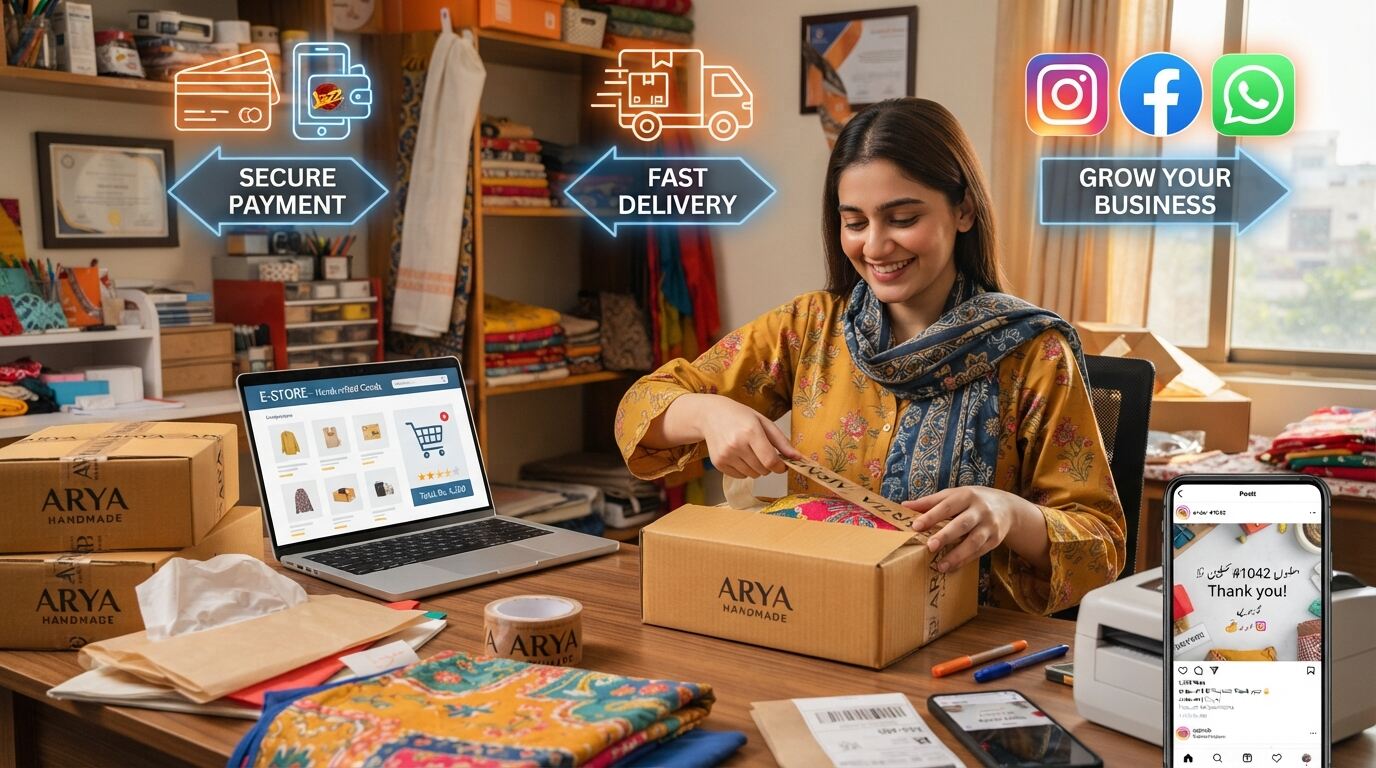
To start selling online in Pakistan, choose a platform (Daraz for instant reach, Shopify/WooCommerce for your own brand, or Facebook/Instagram/WhatsApp for social selling), pick a product with real demand, set up payments via JazzCash, easypaisa, or cash-on-delivery, arrange delivery through a courier, and list with quality photos. Pakistan's e-commerce market exceeds PKR 1.2 trillion in 2026.
Selling online in Pakistan has never been more accessible, or more promising. With a young, increasingly connected population and a fast-growing digital economy, more Pakistanis than ever are turning products into income from their phones and laptops. Whether you want a side hustle, a full business, or a way to take an existing shop online, the opportunity is real.
But it's easy to feel overwhelmed: Daraz or your own website? What should you even sell? How do you handle payments and delivery? This beginner's guide walks you through it all, clearly and honestly, with practical steps and real 2026 context, so you can start selling with confidence and avoid the common mistakes.
First, the encouraging backdrop. Pakistan's e-commerce is in a strong growth phase, and the numbers back it up. The market is projected to be worth well over PKR 1.2 trillion in 2026, with some estimates putting it around $14 billion and rising toward $20 billion by 2029.
Several forces are driving this. Smartphone penetration is high and climbing (over 70% and rising), mobile internet use is widespread, digital payments are surging via Raast and mobile wallets, and social commerce is exploding. With over half of Pakistan's population under 26, a huge, digitally native customer base is coming online. In short, more Pakistanis are shopping online every year, which means more opportunity for sellers, if you approach it wisely.
The first big decision is where to sell. There are three main routes, each with clear trade-offs.
Option A: Sell on a marketplace (Daraz). Daraz is Pakistan's dominant e-commerce marketplace, with tens of millions of shoppers and hundreds of thousands of sellers. The advantage is instant access to a massive existing audience, plus built-in logistics and payment systems. The trade-off is competition (many sellers chase the same products), platform fees, and less control over your brand. It's the easiest place to start and get sales quickly.
Option B: Build your own store (Shopify or WooCommerce). If you want to build a real brand, your own website gives you full control over design, customer data, and margins. Shopify is easiest to set up (a paid monthly subscription), while WooCommerce (built on WordPress) offers maximum control and better long-term SEO, at the cost of more setup effort. The trade-off is that you must drive your own traffic through marketing, there's no built-in audience.
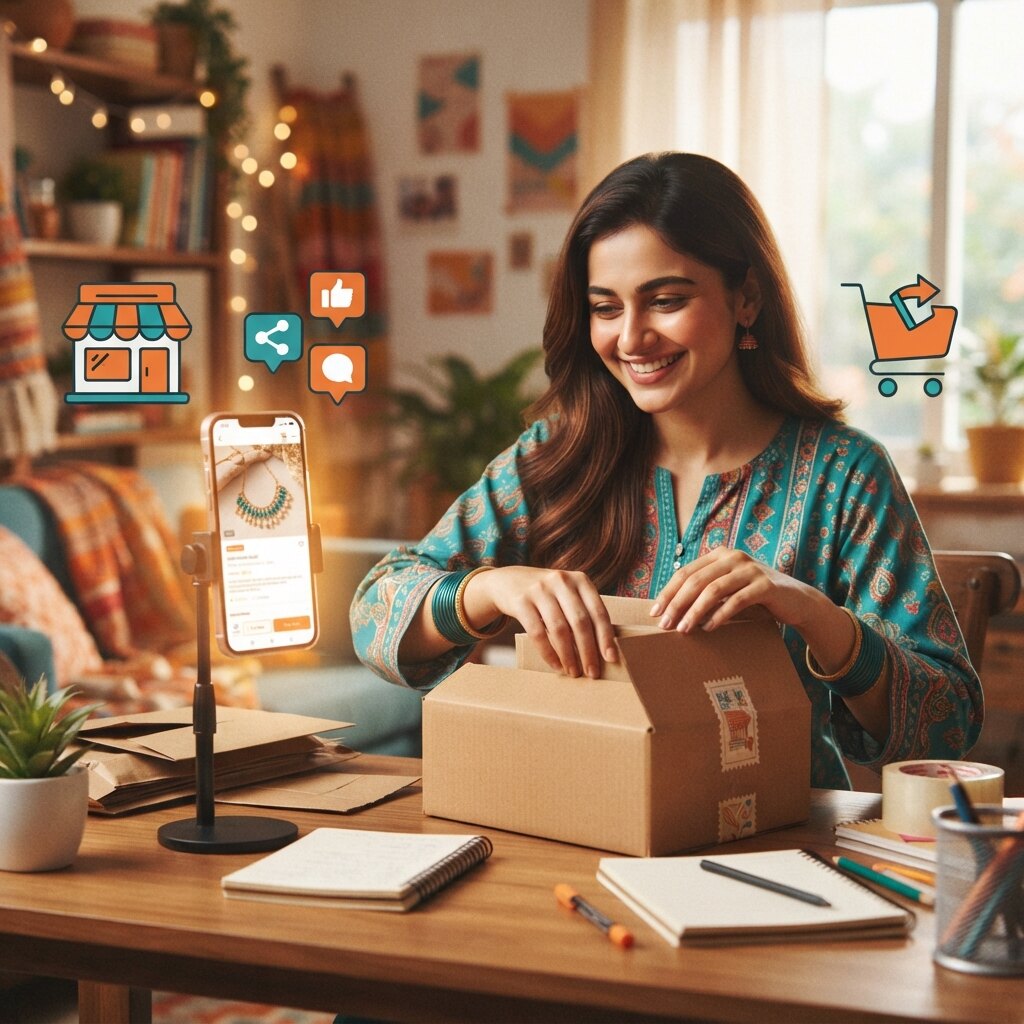
Option C: Social selling (Facebook, Instagram, WhatsApp). Many successful Pakistani sellers start here with near-zero cost. You showcase products on Facebook/Instagram and close sales over WhatsApp, Pakistan's "conversion layer." It's the lowest-barrier entry, ideal for testing an idea, though it's harder to scale and manage than a proper store.
The honest recommendation: Beginners often start with Daraz or social selling (low cost, quick sales) and graduate to their own Shopify/WooCommerce store once they have a proven product and brand. Many sellers use several channels at once.
Choosing the right product is arguably the most important decision. Look for real, consistent demand, not just what seems exciting.
Based on current Daraz and market data, the strongest categories in Pakistan are fashion and apparel (the biggest segment, around 28% of the market, including modest fashion, which has a huge permanent audience), electronics and mobile accessories (phone cases, chargers, earphones, power banks, smartwatches, high demand and repeat sales), beauty and personal care (cosmetics, skincare, grooming, fast-growing), and home and living (small appliances like air fryers and electric kettles, kitchen gadgets, and budget-friendly home items).
When picking, consider a few honest questions: Is there steady demand (not just a passing fad)? Can you source it reliably and affordably (wholesale markets, local suppliers, or platforms)? Is the competition manageable, or is everyone already selling it? And can you offer something distinctive, better price, unique design, or better service? A smaller niche you can own often beats a crowded category.
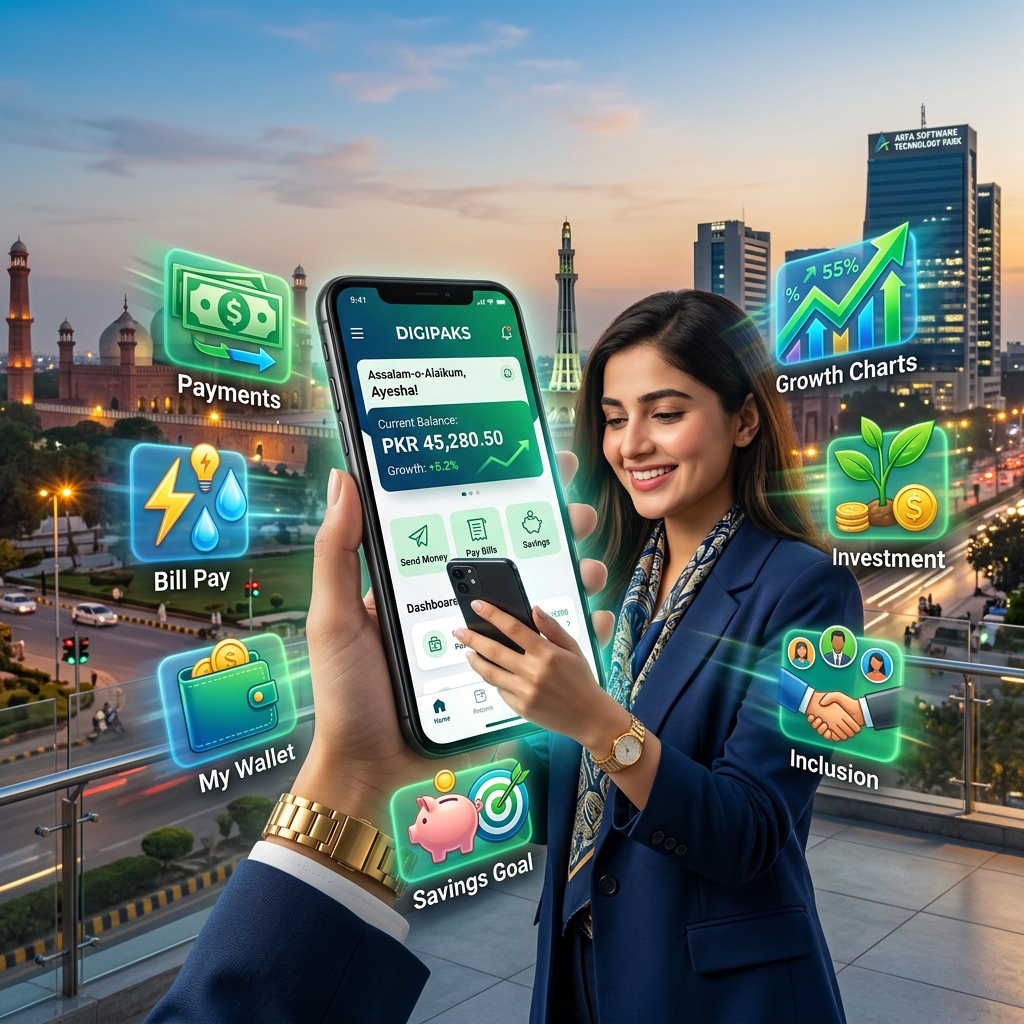
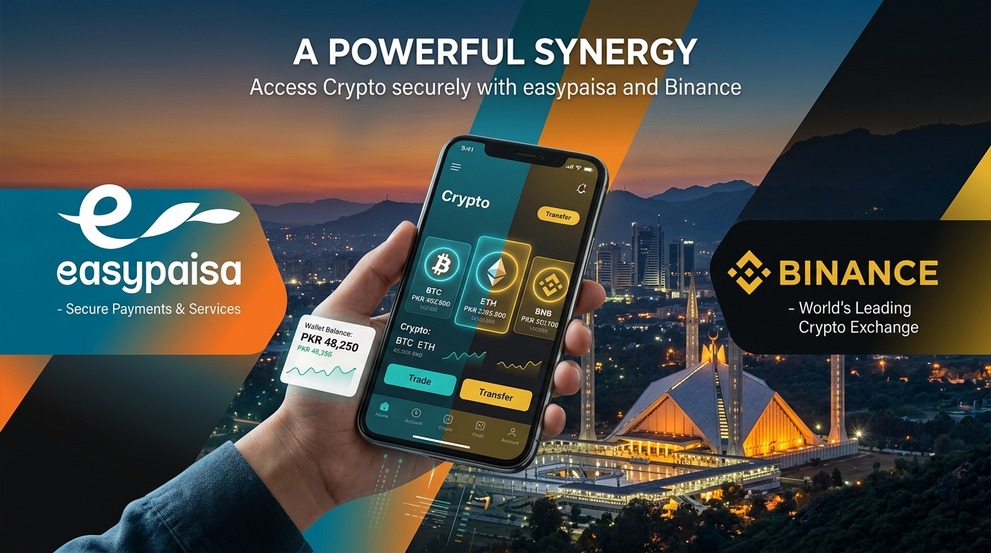
Pakistani customers pay in several ways, and you should support the popular ones. The main options are mobile wallets (JazzCash and easypaisa, extremely widely used), bank transfers, debit/credit cards, and, crucially, cash-on-delivery (COD).
A key Pakistani reality: cash-on-delivery remains hugely popular because many buyers still prefer to pay when the product arrives, due to trust concerns. Offering COD can significantly boost sales, though it comes with risks (returns, refused deliveries), so factor that in. As digital payments grow via Raast and wallets, prepaid options are rising, but for now, supporting COD alongside digital payments covers the most customers.
If you sell on Daraz, payment handling is built in. On your own store, you'll integrate a payment gateway (local options like those tied to JazzCash/easypaisa, or others) plus COD.
Getting products to customers reliably is essential to your reputation. If you sell on Daraz, you can use their logistics network, which simplifies things enormously for beginners. If you sell independently, Pakistan has several courier services (like TCS, Leopards, M&P, and others) that offer COD collection and nationwide delivery, many designed specifically for online sellers.
Start simple: pack products well, choose a reliable courier, be clear about delivery times, and keep customers updated. Reliable, on-time delivery earns repeat customers and good reviews, which are gold in e-commerce.
Once you're set up, presentation and trust drive sales. Write clear, honest product descriptions and use high-quality, well-lit photos, this single factor hugely affects conversion. On marketplaces, good ratings and reviews are critical, so prioritize customer satisfaction from day one.
For marketing, social media is your best friend in Pakistan. Short-form video (TikTok, Reels), engaging Facebook and Instagram content, and responsive WhatsApp service turn browsers into buyers. Affordable Facebook/Instagram ads (with low CPCs in Pakistan) can extend your reach cost-effectively. Building genuine trust, through reviews, responsiveness, and reliable delivery, is what separates sellers who last from those who fizzle.
Your online store isn't just personal income, it's part of a bigger shift. E-commerce is empowering hundreds of thousands of Pakistani SMEs and individuals to reach customers nationwide, creating jobs and driving digital economic growth. Daraz alone empowers hundreds of thousands of sellers, many of them small businesses.
Every new online seller adds to Pakistan's documented digital economy, supports courier and payment ecosystems, and often creates further employment. For women especially, online selling offers a flexible, accessible path to earning, one that can be done from home. So when you start selling online, you're participating in one of the most dynamic and inclusive parts of Pakistan's economy.
The most reliable advice from successful Pakistani online sellers is refreshingly grounded. Start small and validate before going big, test a product with a small batch or on social media before investing heavily in inventory. This limits risk while you learn what actually sells.
Be honest about the challenges, too. Beware of counterfeit products (prevalent on marketplaces and a reputation-killer), tight margins in crowded categories, COD-related returns, and the effort required, this is a real business, not passive income. Success usually comes from consistency, good customer service, and reinvesting early profits into growth, not from one viral moment.
Avoid the get-rich-quick mindset that some "dropshipping course" marketers push. Dropshipping and reselling can work, but they require real effort, good supplier relationships, and customer trust. Treat online selling as a genuine business, and it can genuinely reward you.
Pakistan's e-commerce will keep growing, with rising trends including social commerce, quick commerce (fast delivery), AI-powered marketing, and increasing digital payment adoption reducing COD reliance over time. For sellers, staying adaptable, embracing video content, building a brand, and delivering great service, will matter more than ever.
The opportunity is expanding, but so is competition and customer expectation. Those who start now, learn continuously, and prioritize trust and quality will be well positioned as the market matures toward its projected $20 billion size.
Starting an online business in Pakistan in 2026 is genuinely achievable, and the timing is good. Choose a platform that fits your goals (Daraz or social selling to start, your own store to scale), pick a product with real demand, support popular payment methods including COD, arrange reliable delivery, and win trust through quality and service. Start small, stay honest, reinvest, and treat it as the real business it is. Pakistan's digital marketplace is growing fast and has room for sellers who do it right. Your online store could be the beginning of something significant, so take the first step, list your first product, and start learning by doing.
This article is for general informational purposes only and reflects the e-commerce landscape in Pakistan in 2026. Platform features, fees, market data, and regulations can change; verify current details with each platform. This is not financial or business advice; individual results vary with effort, product, and market conditions.
Starting an online business in Pakistan in 2026 is increasingly accessible amid strong e-commerce growth, the market is projected to exceed PKR 1.2 trillion (roughly $14 billion, rising toward $20 billion by 2029), driven by high smartphone penetration, digital payments (Raast, wallets), booming social commerce, and a young population (over half under 26).
Three main selling routes: (1) Marketplaces (Daraz), Pakistan's dominant platform with tens of millions of shoppers, built-in logistics and payments, easiest quick start, but high competition and fees. (2) Own store (Shopify for easy setup, WooCommerce for control and SEO), full brand control and margins, but you must drive your own traffic. (3) Social selling (Facebook/Instagram for discovery, WhatsApp to close sales), lowest cost, ideal for testing, harder to scale. Beginners often start with Daraz or social selling and graduate to their own store; many use multiple channels.
Best-selling categories: fashion and apparel (largest, ~28%, including modest fashion), electronics and mobile accessories (cases, chargers, power banks, smartwatches), beauty and personal care, and home goods (air fryers, kettles).
Payments: JazzCash, easypaisa, bank transfer, cards, and cash-on-delivery (COD), which remains very popular due to trust concerns and can boost sales (but carries return risks). Delivery: Daraz logistics, or couriers like TCS, Leopards, M&P for independent sellers.
Keys to success: quality photos and honest descriptions, good reviews, responsive WhatsApp service, social/video marketing, affordable Facebook/Instagram ads. Honest advice: start small and validate before big inventory, beware counterfeits and tight margins, avoid get-rich-quick dropshipping hype, and treat it as a real business.
Informational only; results vary, platform details change.