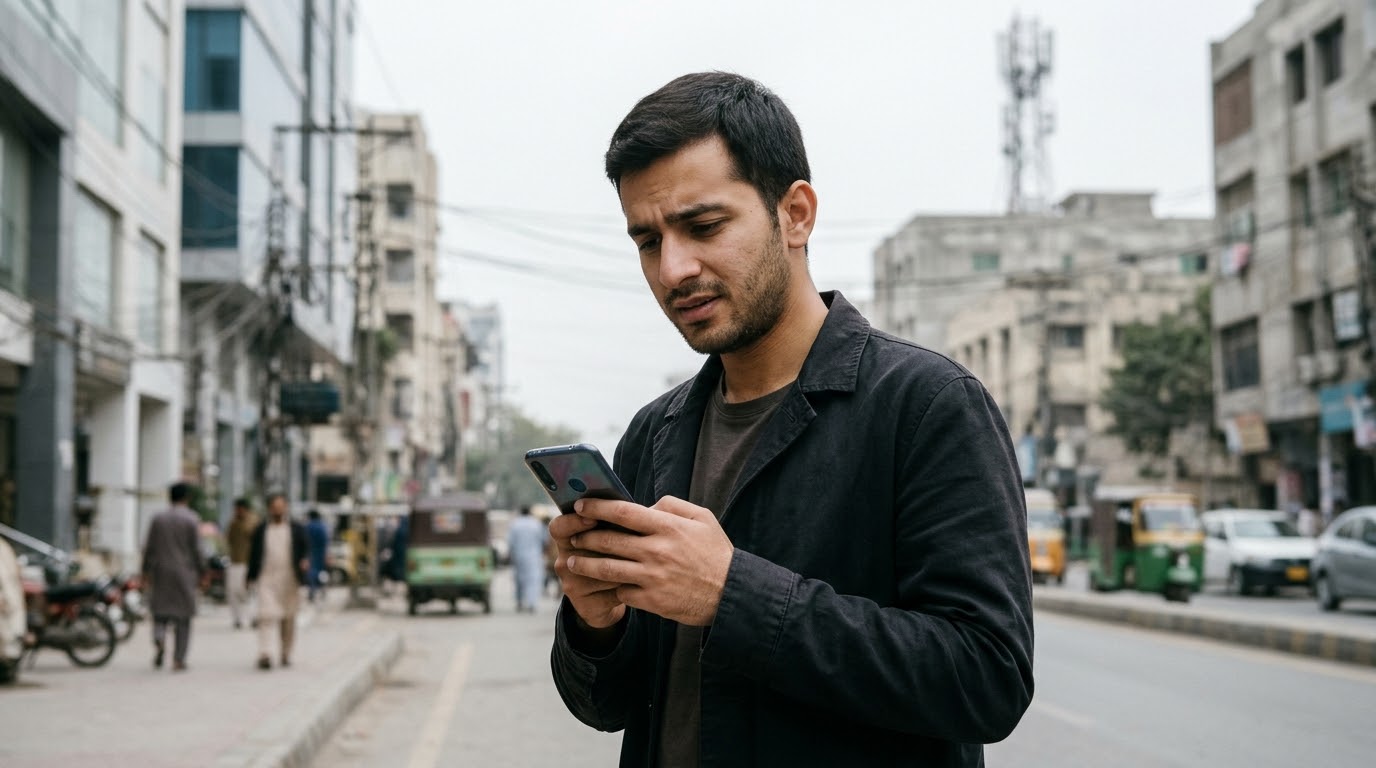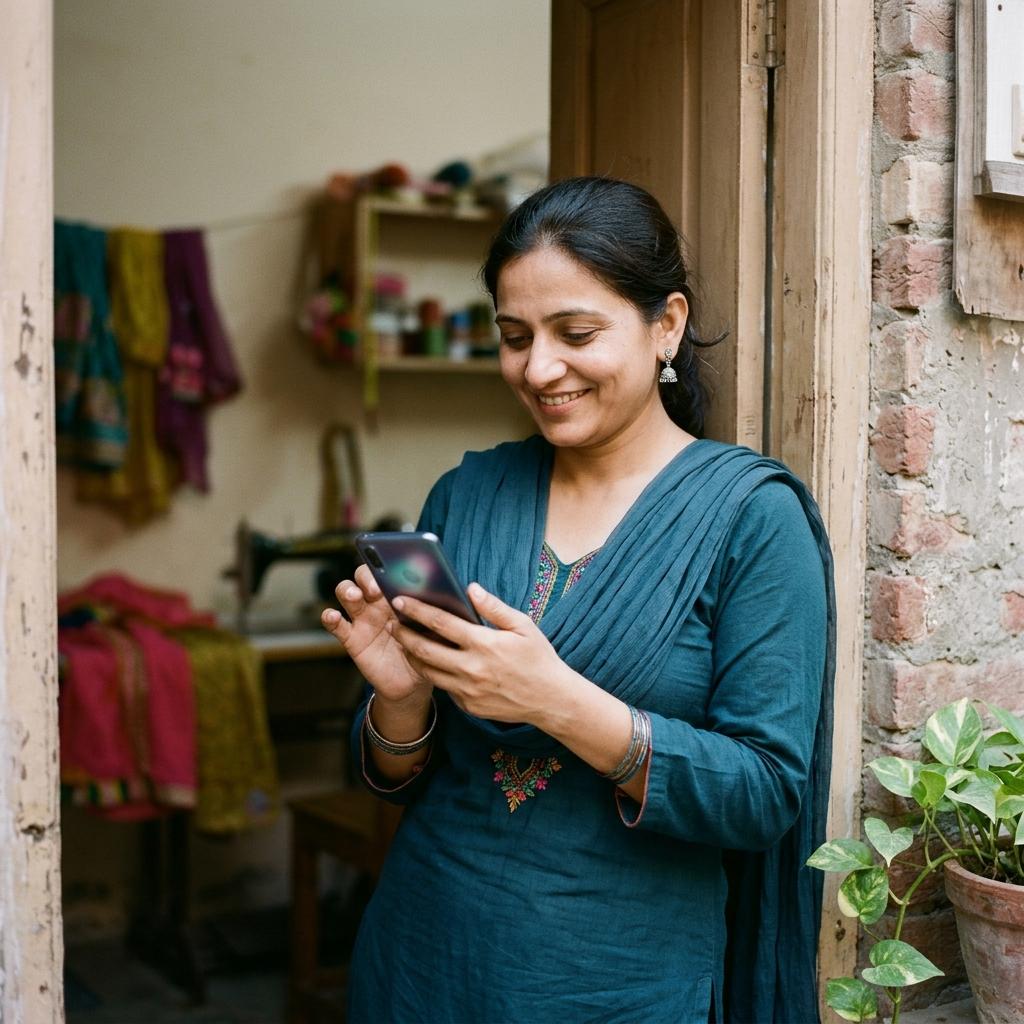
Pakistan’s mobile-internet gender gap narrowed dramatically from 25% to 8% in a single year (2024-2025), the fastest improvement among 14 low- and middle-income countries in the GSMA Mobile Gender Gap Report 2026. Women’s mobile-internet use rose from 45% to 53%. It’s a genuine milestone in women’s digital inclusion, though gaps remain: many women still rely on borrowed phones.
Here’s a piece of genuinely good news about Pakistan worth celebrating: more Pakistani women are getting online than ever before, and the country just narrowed its digital gender gap faster than any other nation in a major global survey. According to the GSMA’s Mobile Gender Gap Report 2026, Pakistan’s mobile-internet gender gap, the difference between how many men and women use mobile internet, plummeted from 25% to just 8% in a single year, the fastest improvement among the 14 low- and middle-income countries surveyed.
That’s a real, record achievement, and it matters enormously, because women getting online means more access to education, income, financial services, and opportunity, with huge potential benefits for women and for Pakistan’s economy. But in keeping with honesty, it’s also important to recognize that the job isn’t done: real gaps remain, and “being online” isn’t the same as full, independent digital inclusion. So here’s a balanced look: the genuine progress and why it’s significant, what drove it, and the honest gaps that still need closing. It’s a story of real achievement, and real work still ahead.
Let’s start by appreciating the genuine achievement, because it’s substantial and worth celebrating accurately. Pakistan has made remarkable, measurable progress in getting women online.
Here are the headline numbers (from the GSMA Mobile Gender Gap Report 2026). The mobile-internet gender gap fell from 25% to 8% in a single year (2024 to 2025), meaning the gap between men’s and women’s mobile-internet use shrank dramatically. This was the fastest/largest improvement among the 14 low- and middle-income countries GSMA surveyed, Pakistan led the pack. Women’s mobile-internet use rose from 45% to 53% in that year, while men’s usage stayed roughly flat, so women drove the narrowing by getting online faster. The longer view is even more striking: women’s mobile-internet adoption in Pakistan rose from just 8% in 2017 to 53% in 2025, a remarkable transformation over eight years. And Pakistan also recorded the largest improvement among surveyed countries in narrowing the mobile-ownership gender gap (from 37% to 27%). So this isn’t a minor statistical blip; it’s a genuine, record-setting surge in women’s digital access, recognized internationally. More Pakistani women are connected, participating, and able to access the digital world than ever before, and the pace of improvement led the world’s surveyed developing nations. That’s a real achievement worth celebrating, and a bright spot in Pakistan’s digital story.
Let’s appreciate why this progress is so significant, because getting women online unlocks genuine, far-reaching benefits, for women and for Pakistan. This is about much more than internet statistics.
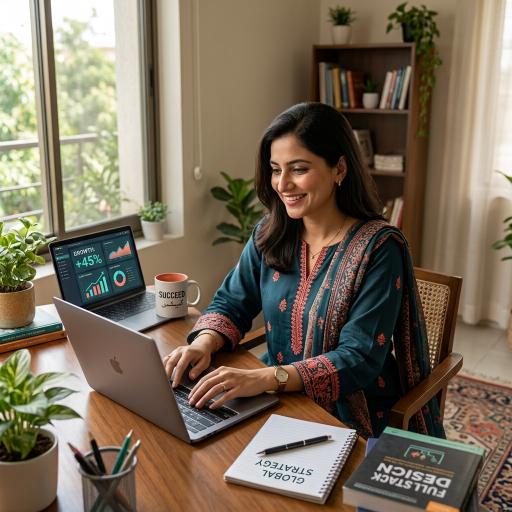
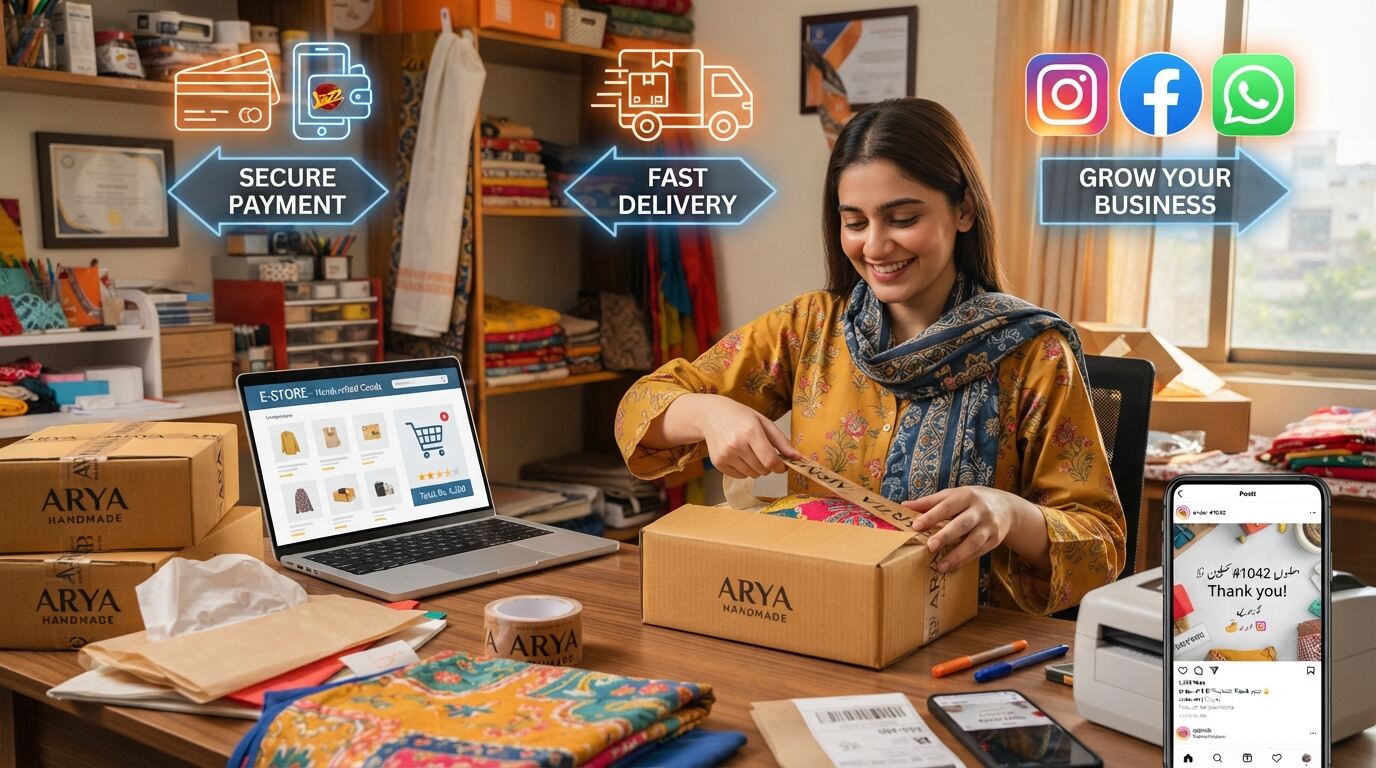
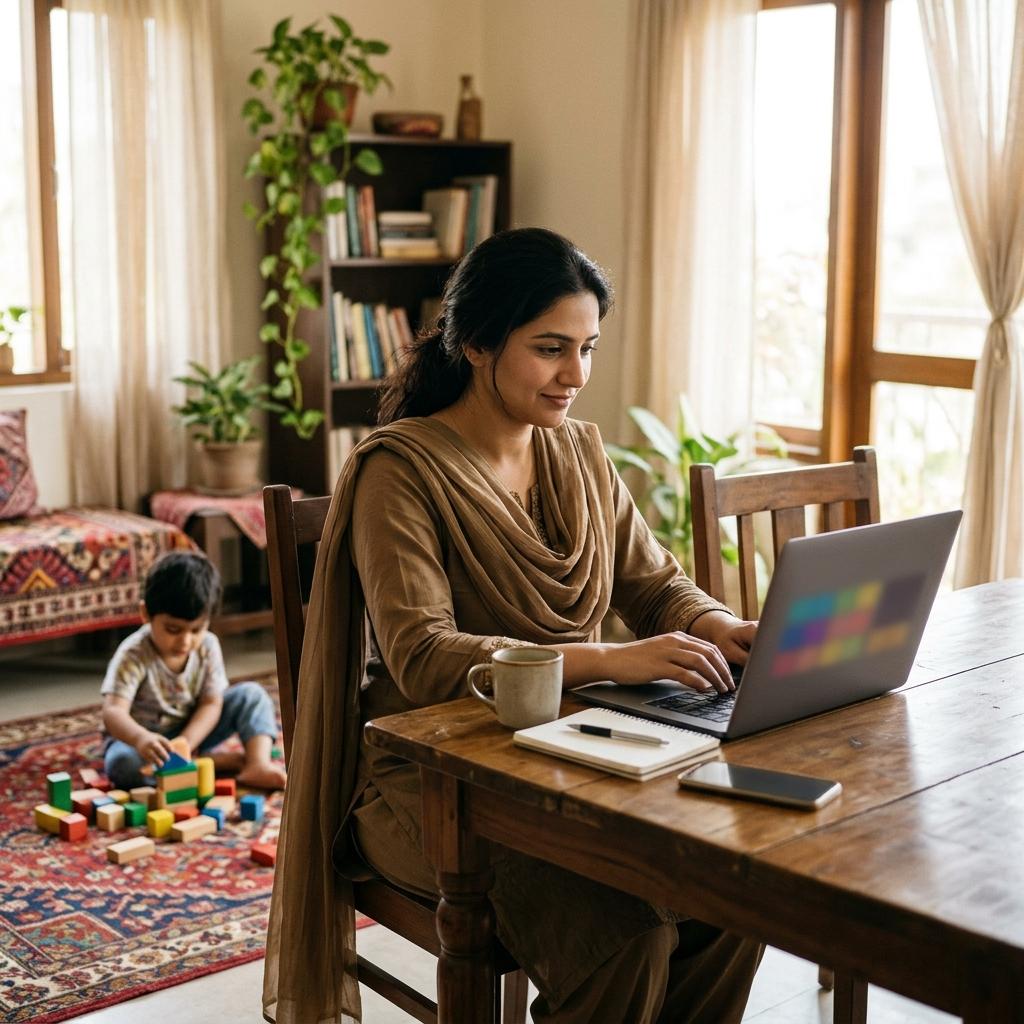
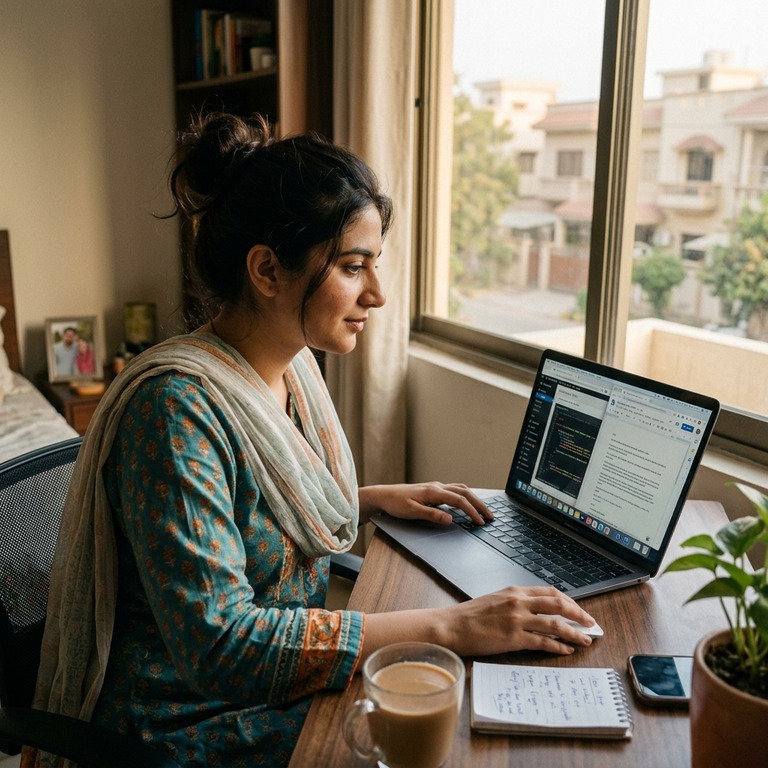
Consider what women’s digital access enables. Education and information: online access opens up learning, information, and knowledge to women who may have limited other avenues. Income and entrepreneurship: as we’ve seen, women are using mobile internet to run online businesses, freelance, and earn (home bakers selling on Instagram, sellers on Daraz, freelancers working globally), achieving financial independence they couldn’t before. Financial inclusion: mobile internet enables access to digital financial services, wallets, banking, payments, bringing more women into the formal financial system. Healthcare and services: online access connects women to health information, government services, and support. Empowerment and voice: digital access gives women more independence, connection, information, and participation in society and the economy. And economic impact for Pakistan: this isn’t just good for women individually; it’s good for the whole country. The GSMA estimates that closing Pakistan’s mobile-internet gender gap could add around $55 billion to the country’s GDP over time, a massive economic opportunity. So getting women online drives education, income, financial inclusion, empowerment, and national economic growth. It’s one of the highest-return forms of progress a country can make, and Pakistan’s record narrowing of the gap represents real, valuable movement in that direction. Every woman who gets meaningfully online adds to this positive impact. That’s why this milestone genuinely matters.
It’s worth understanding what drove this record improvement, because it shows the progress wasn’t accidental, it reflected real efforts and trends. Several factors contributed.
Key drivers include: Expanding connectivity and access: growing mobile and internet coverage, and more affordable access, brought more women online. Focused efforts on women’s inclusion: there have been deliberate initiatives to include women in the digital economy, from government and industry (the Ministry of IT, telecom operators, and development partners), including women-focused programs, digital-skills training, women’s technology parks, and accelerators. Collective, coordinated action: as stakeholders noted, the progress reflected government, industry, and partners working toward the shared goal of digital inclusion, collective effort delivering results. The accessibility of opportunity: women increasingly see real, relatable opportunities online (earning, learning, selling, connecting), motivating adoption, as visible examples of women succeeding online inspire others. Broader digital momentum: Pakistan’s overall digital growth (smartphones, internet, digital payments, e-commerce) created an environment pulling more people, including women, online. And changing attitudes: gradually shifting social attitudes toward women’s digital participation (though barriers remain) helped. So the record narrowing resulted from a combination of expanding access, focused inclusion efforts, coordinated action, relatable opportunities, and broader digital momentum. This matters because it shows the progress is driven by real, repeatable factors, which means it can be sustained and extended with continued effort. It wasn’t luck; it was movement in the right direction, and that’s encouraging for keeping it going.
Now, in keeping with honesty, let’s be clear-eyed, because while the progress is genuine and worth celebrating, important gaps remain, and real inclusion means more than just “being online.” It’s crucial to acknowledge these honestly.
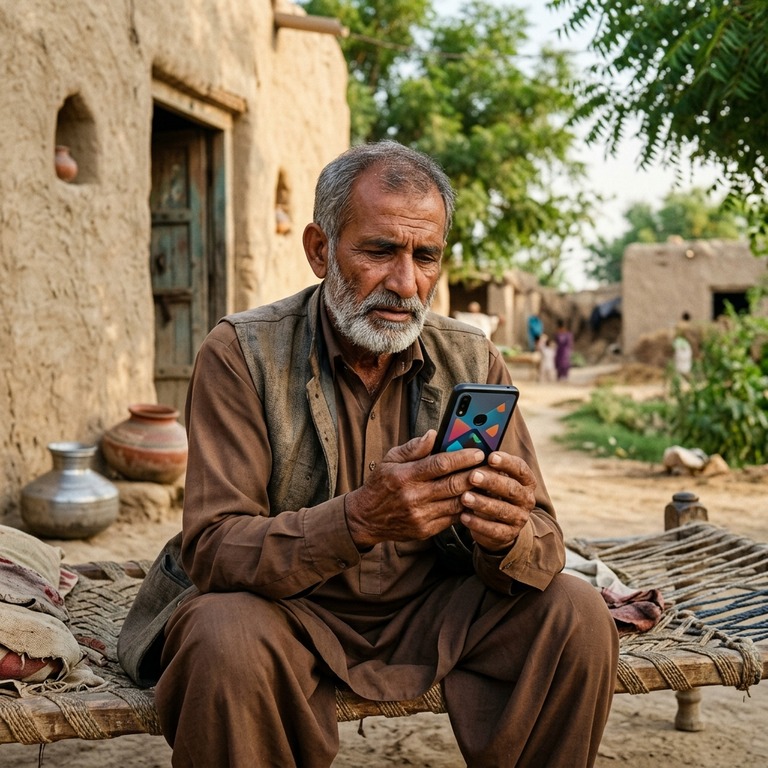
The remaining challenges: Many women rely on borrowed phones (a big one): strikingly, around 28% of women in Pakistan who use mobile internet still rely entirely on someone else’s phone, not their own. As a digital-rights advocate put it, “this is not digital inclusion, it is digital dependence.” Using a borrowed/shared phone means less privacy, less independence, and less control over one’s digital life, so this is access, but not full, independent inclusion. The device-ownership gap persists: while it improved (from 37% to 27%), there’s still a significant gap in women owning their own mobile phones, and ownership matters for genuine, independent access. Millions of women are still offline: approximately 47 million women in Pakistan still don’t use mobile internet at all, a huge number still excluded. Real barriers remain: as the GSMA and others note, barriers persist, including the high cost of smartphones and data (affordability), lack of digital skills, safety and harassment concerns online, and social barriers. Access alone isn’t enough: as we’ve discussed, simply having some internet access doesn’t mean a woman can fully, safely, and productively use it, skills, safety, support, and independent ownership all matter. And global context: even with progress, women across low- and middle-income countries remain less likely than men to use mobile internet, with hundreds of millions still offline, it’s a widespread, unfinished challenge. So the honest reality is that Pakistan’s record progress, while genuinely impressive, is a major step on a longer journey, not the finish line. Celebrating the achievement and acknowledging the remaining work aren’t contradictory; both are true and important. Real, full digital inclusion for women requires continuing to close these gaps.
This is the balanced heart of the matter, holding two truths together, because both the celebration and the continued effort are warranted. It’s important not to swing to either extreme (empty triumphalism or dismissive negativity).
Here’s the balanced view. On one hand, genuinely celebrate: Pakistan’s record-fastest narrowing of the digital gender gap, with women’s mobile-internet use jumping to 53% and women driving the gains, is a real, significant, internationally-recognized achievement that reflects meaningful progress and real benefits for women and the economy. It deserves genuine recognition and pride, it shows what focused, collective effort can achieve, and it’s a hopeful sign. Dismissing it would be unfair and discouraging. On the other hand, keep going honestly: the remaining gaps (borrowed-phone dependence, ownership gaps, 47 million still offline, affordability, skills, and safety barriers) mean the work is far from finished, and real, full, independent digital inclusion for women requires continued, focused effort. Ignoring these gaps would be complacent and would leave millions behind. So the mature, honest stance is to celebrate the genuine progress and use it as motivation to continue, not to declare victory, and not to dismiss the achievement, but to recognize real movement while committing to finish the job. This “celebrate and continue” mindset is exactly right: it honors the real achievement, sustains momentum, and keeps focus on the remaining work. Pakistan has shown it can make record progress on women’s digital inclusion; the task now is to keep that momentum going until inclusion is genuine, full, and universal. Both the pride and the resolve are warranted.
Constructively, let’s note what would help continue the progress, because the path to fuller inclusion is fairly clear. Building on the momentum, several things matter.
Key priorities going forward: Make devices and data more affordable: the cost of smartphones and data is a major barrier (especially for women to own their own phones), so affordability (including, as GSMA urges, addressing device costs and taxes) is crucial, this directly tackles the borrowed-phone and ownership gaps. Close the device-ownership gap: help more women own their own phones (not just borrow), for genuine, independent access. Expand digital skills: provide accessible digital-skills training for women, so access translates into capability and productive use. Ensure online safety: address harassment and safety concerns so women can use the internet freely and confidently. Reach the still-offline: focus on the ~47 million women still not online, including in rural and underserved areas. Continue focused, coordinated efforts: sustain the government-industry-partner collaboration, women-focused programs, and inclusion initiatives that drove the progress. And address social barriers: continue shifting attitudes and support for women’s digital participation. The through-line: build on the momentum by tackling affordability, ownership, skills, safety, reach, and social barriers, turning strong progress into full, genuine, independent digital inclusion for women. The good news is that Pakistan has proven it can move fast on this; applying continued, focused effort to these priorities can carry the progress to completion. The path is clear; the task is to keep walking it.
This progress carries real significance for Pakistan.
For women: more women online means more access to education, income, financial services, and empowerment, transforming lives and expanding opportunity for half the population.
For the economy: closing the gender gap could add an estimated ~$55 billion to Pakistan’s GDP over time, tapping a huge, underused source of growth, women’s fuller economic participation.
For digital inclusion broadly: this progress, and the remaining challenges, highlight both what’s achievable and what’s still needed for inclusive digital growth (affordability, skills, safety, ownership) across all underserved groups.
For Pakistan’s image and momentum: leading the world’s surveyed developing nations in narrowing the gender gap is a genuine bright spot and a motivating proof that focused, collective effort delivers results.
The key insight is that Pakistan’s record-fastest narrowing of its digital gender gap is a genuine, significant achievement that deserves real celebration, and simultaneously a milestone on an unfinished journey that demands continued effort, so the right response is to honor the progress while committing to close the remaining gaps toward full, independent digital inclusion for women. This is a story that rewards honest, balanced appreciation. The achievement is real and substantial: in a single year, Pakistan led the world’s surveyed low- and middle-income countries by slashing its mobile-internet gender gap from 25% to 8%, with women’s mobile-internet use jumping to 53% and women driving the gains, part of a remarkable rise from just 8% of women online in 2017. That reflects meaningful progress with huge potential benefits, for women’s education, income, financial inclusion, and empowerment, and for Pakistan’s economy (an estimated $55 billion GDP opportunity in closing the gap fully). It shows what focused, coordinated effort by government, industry, and partners can achieve, and it’s a genuine bright spot worth celebrating with pride.
But the honest wisdom pairs that celebration with resolve. The job isn’t done: around 28% of women online still depend on borrowed phones (dependence, not full inclusion), the device-ownership gap persists, roughly 47 million women remain offline entirely, and real barriers, affordability of devices and data, digital skills, online safety, and social attitudes, still stand in the way of genuine, independent inclusion. Access alone isn’t the same as empowerment, as we’ve consistently noted; owning a device, having skills, being safe online, and having support all matter. So the mature stance is to celebrate and continue: recognize and take pride in the record progress (it’s real and motivating), while committing to finish the job by making devices and data affordable, closing the ownership gap, expanding women’s digital skills, ensuring online safety, reaching the still-offline, and sustaining the focused, collective efforts that drove this success. Pakistan has proven it can move faster than anyone on women’s digital inclusion; the opportunity now is to carry that momentum all the way to full, genuine, independent inclusion for all its women, unlocking enormous benefits for them and the country. This is a moment for both pride and purpose: pride in a world-leading achievement, and purpose to complete it. Celebrate the progress, and keep going, that’s how Pakistan turns a record milestone into a lasting transformation. The direction is right, the momentum is real, and the goal, full digital inclusion for Pakistan’s women, is genuinely within reach if the effort continues. That’s a future worth working toward, building on a genuinely encouraging start.
Expect Pakistan to continue making progress on women’s digital inclusion, building on this record momentum, if the focused efforts (affordability, skills, safety, ownership, outreach, and coordinated action) continue. Watch whether the remaining gaps (borrowed-phone dependence, ownership, the ~47 million still offline) narrow further, which would mark genuine, deepening inclusion. Sustained effort could carry Pakistan toward full digital inclusion for women over the coming years.
If the momentum is maintained, the benefits, for women’s opportunity and empowerment, and for Pakistan’s economy (that ~$55 billion GDP potential), could be enormous, a genuinely transformative outcome. If efforts slow or complacency sets in after the headline success, progress could stall with gaps remaining. The trajectory depends on continued, focused commitment. The encouraging reality is that Pakistan has demonstrated it can lead the world in this progress, so the capability and momentum are proven; the task is to sustain and extend them. For Pakistan’s women and economy, continuing to close the digital gender gap, all the way to genuine, independent inclusion, is one of the most valuable and hopeful journeys the country can complete. The record start is cause for optimism; finishing the job is the worthy goal ahead.
Pakistan has achieved something genuinely worth celebrating: it narrowed its mobile-internet gender gap faster than any other nation in a major global survey, from 25% to just 8% in a single year, as women’s mobile-internet use jumped from 45% to 53% (and from only 8% in 2017), with women driving the gains. It’s a real, record-setting milestone in women’s digital inclusion, recognized internationally, reflecting focused, collective effort, and carrying huge promise: getting women online means more education, income, financial inclusion, and empowerment, with an estimated $55 billion GDP opportunity for Pakistan in fully closing the gap. This progress deserves genuine pride and recognition. But honesty requires acknowledging that the job isn’t done. Around 28% of women online still rely on borrowed phones (dependence, not full inclusion), the device-ownership gap persists, roughly 47 million women remain entirely offline, and real barriers, device and data affordability, digital skills, online safety, and social attitudes, still block full, independent inclusion. Access alone isn’t empowerment. So the balanced, honest response is to celebrate and continue: take real pride in this world-leading achievement, and use it as motivation to finish the job, by making devices and data affordable, closing the ownership gap, expanding women’s digital skills, ensuring online safety, reaching the still-offline, and sustaining the coordinated efforts that drove this success. Pakistan has proven it can move faster than anyone on women’s digital inclusion; the opportunity now is to carry that momentum all the way to genuine, full, independent inclusion for all its women, transforming lives and unlocking enormous economic potential. This is a moment for both pride and purpose. The progress is real and encouraging; the remaining work is clear and achievable. So let’s celebrate how far Pakistan has come, faster than anyone, and commit to going the rest of the way. Closing the digital gender gap fully is one of the most valuable things Pakistan can do, and this record start shows it’s genuinely within reach.
This article is for general informational purposes only and reflects data and reports available in 2026 (primarily the GSMA Mobile Gender Gap Report 2026 and Digital Pakistan 2030 report, and related MoITT figures). Statistics (the 25%-to-8% gap narrowing, 45%-to-53% usage, borrowed-phone and ownership figures, the ~47 million offline, and the ~$55 billion GDP estimate) are as reported by cited sources and may vary by methodology and over time. This is analysis and commentary, not policy advice. It discusses women’s inclusion respectfully and constructively.
Pakistan narrowed its digital gender gap faster than any other nation in a major global survey. According to the GSMA Mobile Gender Gap Report 2026, Pakistan’s mobile-internet gender gap (the difference between men’s and women’s mobile-internet use) fell from 25% to just 8% in a single year (2024-2025), the fastest/largest improvement among the 14 low- and middle-income countries surveyed. Women’s mobile-internet use rose from 45% to 53% in that year (and from just 8% of women in 2017 to 53% in 2025), while men’s usage stayed roughly flat, so women drove the gains. Pakistan also recorded the largest improvement in narrowing the mobile-ownership gender gap (from 37% to 27%). This featured in the GSMA’s “Digital Pakistan 2030” report.
Why it matters: getting women online unlocks education and information; income and entrepreneurship (online businesses, freelancing, earning, e.g., home bakers on Instagram, sellers on Daraz); financial inclusion (wallets, banking); healthcare and services; and broader empowerment. Economically, GSMA estimates closing Pakistan’s mobile-internet gender gap could add around $55 billion to GDP over time.
What drove it: expanding, more affordable access; focused women’s-inclusion efforts (MoITT, telecom operators, development partners, digital-skills programs, women’s technology parks, accelerators); coordinated government-industry-partner action; relatable online opportunities drawing women in; broader digital momentum; and gradually shifting attitudes.
The honest reality (job isn’t done): around 28% of women who use mobile internet still rely entirely on a borrowed/shared phone (“not digital inclusion, it is digital dependence,” per a digital-rights advocate), meaning less privacy, independence, and control. The device-ownership gap persists (improved to 27% but still significant). Roughly 47 million women in Pakistan still don’t use mobile internet at all. And real barriers remain: high cost of smartphones and data (affordability), lack of digital skills, online safety/harassment concerns, and social barriers. Access alone isn’t full, independent inclusion.
The balanced takeaway (“celebrate and continue”): genuinely celebrate the real, record, world-leading progress (it reflects what focused, collective effort achieves and brings real benefits), while committing to finish the job, don’t declare victory or dismiss the achievement. What’s needed: make devices and data affordable; close the ownership gap (independent, not borrowed, access); expand women’s digital skills; ensure online safety; reach the ~47 million still offline (including rural/underserved); sustain coordinated efforts and women-focused programs; and address social barriers. Pakistan has proven it can move faster than anyone on women’s digital inclusion; the opportunity is to carry that momentum to full, genuine, independent inclusion, transforming lives and unlocking major economic potential. A moment for both pride and purpose. Analysis/commentary; figures per GSMA 2026 and may vary; respectful; not policy advice.