Pakistan is deepening AI and technology cooperation with China, linking its AI infrastructure and skills ambitions with China's advanced capabilities. It offers genuine opportunity: access to compute, hardware, expertise, and investment Pakistan lacks. But experts caution that importing hardware alone won't build a sustainable AI ecosystem, Pakistan must pair cooperation with genuine local capability-building to avoid mere dependence.
Building a competitive AI capability is one of the hardest things a country can attempt, it requires advanced chips, massive computing power, deep expertise, and serious investment, resources most developing nations, including Pakistan, don't have in abundance. So when a technologically advanced partner offers to help, it's a genuinely tempting opportunity. That's exactly the situation Pakistan faces as it deepens its AI and technology cooperation with China.
On one hand, this cooperation could give Pakistan access to exactly what it needs to accelerate its AI ambitions. On the other, it raises an important, honest question: is Pakistan building genuine AI capability, or simply trading dependence on Western tech for dependence on Chinese tech? This is a nuanced, consequential issue worth examining fairly. Here's what the cooperation involves, the real opportunity it offers, the genuine risks, and what Pakistan must get right, analyzed evenhandedly, focused on the technology and economics rather than geopolitics.
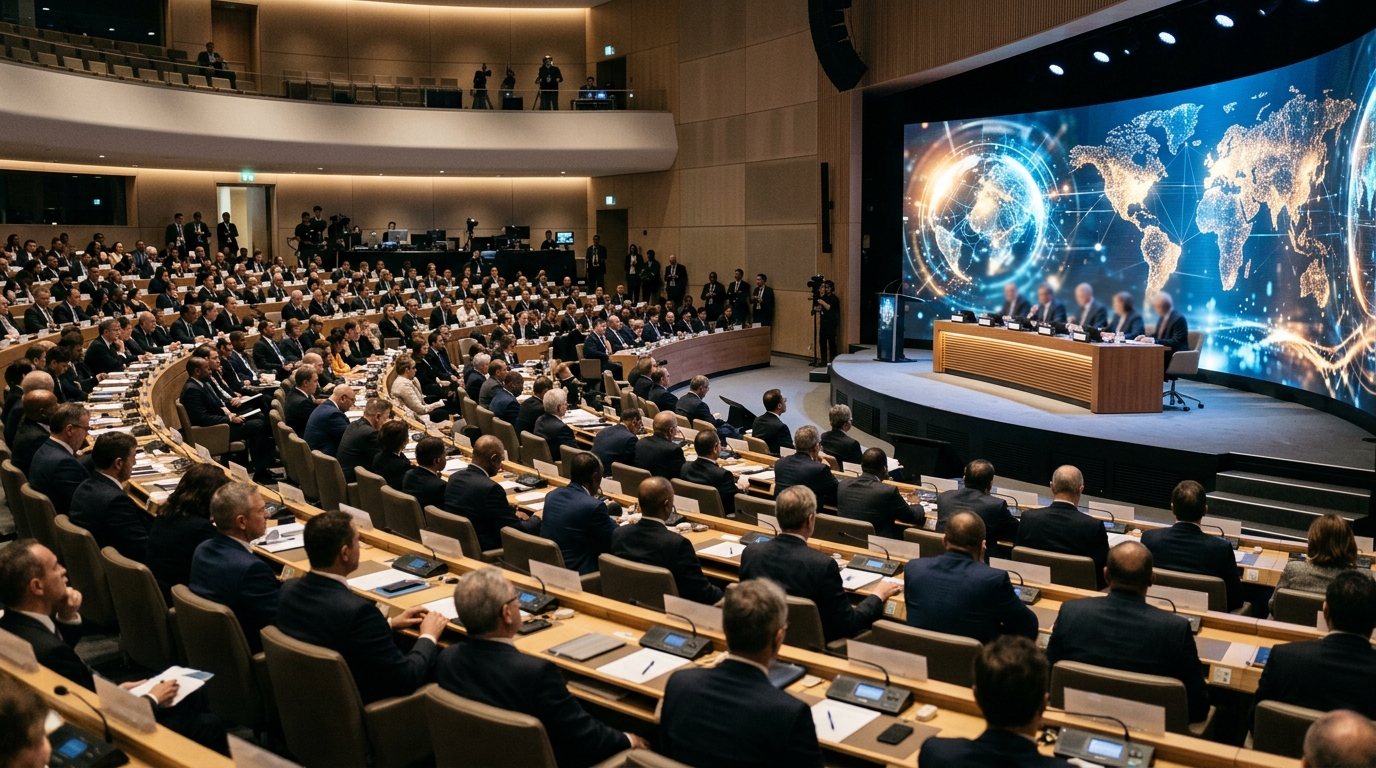
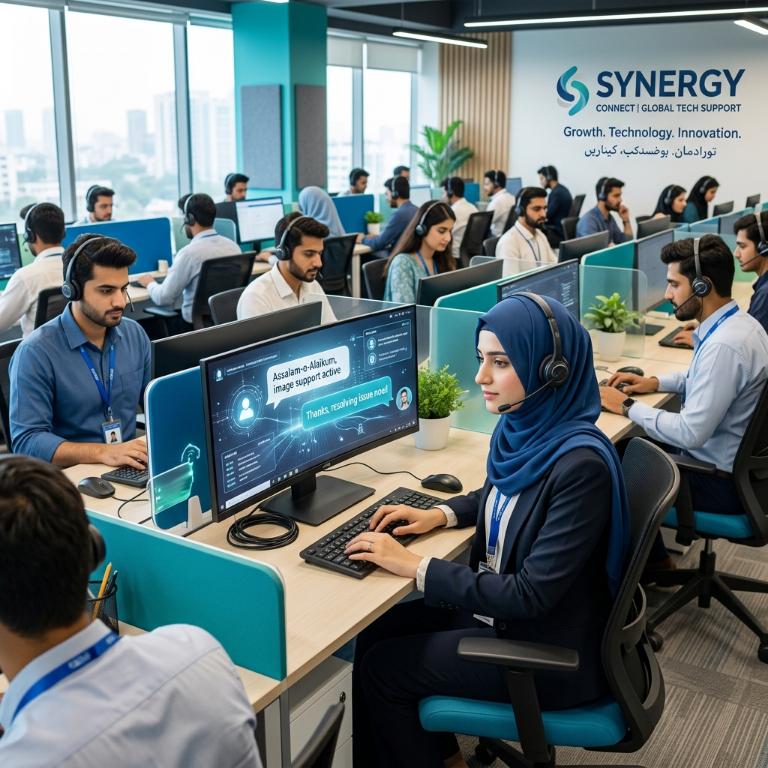
Let's start with the development itself. Pakistan and China have been reaffirming and expanding their technology cooperation, with a particular focus on artificial intelligence, advanced manufacturing, and digital infrastructure. This has been discussed at high-level forums (such as a Pakistan-China business conference on the sidelines of a major trade fair in Beijing), where officials and business leaders from both countries explored new avenues for investment, joint ventures, technology transfer, and commercial cooperation.
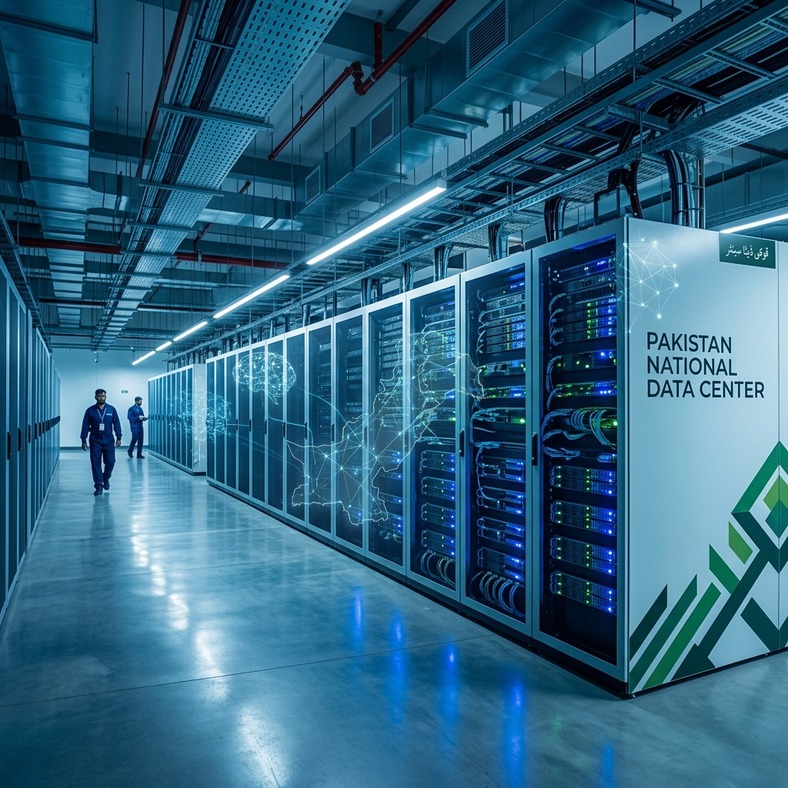
The context makes the logic clear. Pakistan has ambitious AI plans, a national AI policy calling for a national AI compute grid, plans for AI hubs and large-scale training, and a goal of developing a million AI-skilled professionals, but it faces real gaps in the advanced infrastructure, computing power, and specialized hardware those ambitions require. China, meanwhile, has made major advances in AI and possesses significant technological capabilities, hardware, expertise, and investment capacity. So Pakistani experts increasingly see potential in linking Pakistan's emerging AI infrastructure and skills requirements with China's technological capabilities, connecting Chinese tech companies with Pakistani universities, startups, and industries. In short, Pakistan is looking to a capable partner to help fill the gaps in its AI journey, which, on its face, is a pragmatic move.
Let's give the opportunity its full due, because it's real and significant. For a country trying to build AI capability largely from scratch, cooperation with an advanced partner like China offers genuine, valuable advantages.
Consider what it could provide. Access to compute and hardware: AI requires high-performance computing, specialized processors (GPUs), and infrastructure that are expensive and hard to obtain, cooperation could give Pakistan access to these critical resources. Expertise and knowledge transfer: China's experience building AI capabilities, data centers, and digital infrastructure could help Pakistan learn and build faster, avoiding reinventing the wheel. Investment: Chinese investment could fund the expensive infrastructure (data centers, compute grids) Pakistan's AI ambitions require. Market and collaboration opportunities: connecting Pakistani startups, universities, and industries with Chinese tech companies could open real collaboration, research, and commercial opportunities. And speed: partnering with a capable player could significantly accelerate Pakistan's AI development versus going it alone. Given that compute and infrastructure are the exact bottlenecks constraining AI ambitions everywhere (including Pakistan's), access to a partner who can help with these is genuinely valuable. The opportunity is real, and pursuing it pragmatically makes sense.
Here's the crucial caveat that experts themselves raise, and it's essential to the whole analysis. There's a big difference between importing AI capability and building it, and this distinction determines whether cooperation genuinely helps Pakistan or just creates dependence.
As Pakistani experts have pointedly noted, Pakistan should not view these developments merely from the perspective of importing advanced hardware, because access to hardware alone will not produce a sustainable AI ecosystem. This is a genuinely important insight. You can buy chips, rent compute, and import data-center technology, but that doesn't automatically give you a thriving AI ecosystem of your own. A sustainable AI capability requires local talent, research, development environments, intellectual property, and the ability to actually build and innovate, not just operate imported tools. If Pakistan treats cooperation as simply acquiring hardware and services from China, it risks becoming a consumer of Chinese AI (dependent, with limited real capability), rather than developing genuine homegrown capability. The goal should be to use cooperation as a springboard to build local capability, through technology transfer, skills development, joint research, and knowledge-sharing, not as a substitute for it. That distinction, building versus merely buying, is the heart of getting this right.
This leads to the honest, central question worth confronting directly. Pakistan has long relied heavily on foreign technology (largely Western, and increasingly Chinese). So is deepening AI cooperation with China a smart path to capability, or trading one dependence for another?
The balanced truth is that it depends entirely on how Pakistan approaches it. If Pakistan uses cooperation to genuinely build local capability, gaining skills, technology transfer, research capacity, and the ability to eventually build its own AI, then it's a smart, pragmatic springboard. Partnering to learn and build is how many countries have developed their tech industries. But if Pakistan simply becomes a market for Chinese AI products and infrastructure without building its own capability, then it risks a new form of technological dependence, reliant on a single foreign partner for a strategically critical technology. Neither extreme is inevitable; the outcome depends on Pakistan's strategy and intent. The ideal is a balanced approach: embrace valuable cooperation and the resources it provides, while deliberately using it to build genuine, diversified local capability, and avoiding over-reliance on any single foreign partner. Dependence isn't inherent to cooperation; it results from cooperation without a capability-building strategy. Pakistan's task is to ensure the former, not the latter.
Given all this, here's what Pakistan needs to do to make this cooperation genuinely beneficial rather than a dependence trap. Several principles matter.
Key priorities: Prioritize capability-building, not just acquisition, structure cooperation around technology transfer, skills development, joint research, and local capacity, so Pakistan actually learns to build, not just buy. Invest in local talent and research, cooperation should accelerate (not replace) Pakistan's own investment in AI talent, universities, and R&D, so genuine local capability grows. Build local IP and products, aim to develop Pakistan's own AI products and intellectual property (moving up the value chain), not just operate others' technology. Diversify partnerships, while China cooperation is valuable, avoid over-dependence on any single partner; maintain diverse international relationships for resilience. Ensure sovereignty and security, for a strategically critical technology, maintain appropriate control, data sovereignty, and security (relevant to Pakistan's own sovereign-AI and data-governance efforts). And negotiate for genuine value, ensure cooperation delivers real knowledge-transfer and local benefit, not just sales of foreign hardware and services. Done with these principles, cooperation becomes a powerful accelerator of genuine Pakistani AI capability. Done carelessly, it risks dependence. The difference lies in deliberate, strategic intent.
How Pakistan navigates this cooperation has real stakes.
For Pakistan's AI ambitions, access to compute, hardware, expertise, and investment through cooperation could genuinely accelerate its AI development, if used to build real capability.
For sovereignty and resilience, getting the balance right (cooperation plus local capability, diversified partnerships) protects Pakistan from over-dependence on any single foreign partner for a critical technology.
For the economy, successful technology cooperation and capability-building could help Pakistan move up the value chain toward building its own AI products and IP, a stated national goal.
For the broader strategy, this connects to Pakistan's whole AI push, infrastructure, skills, sovereignty, and the ambition to be an AI creator, not just consumer, making the "build vs. buy" question central to whether that ambition succeeds.
The essential wisdom is that technology cooperation with an advanced partner like China can be genuinely valuable for Pakistan's AI ambitions, but only if approached as a means to build local capability, not merely to acquire foreign technology. The opportunity is real: Pakistan lacks the compute, hardware, expertise, and investment that AI requires, and a capable partner can help fill those gaps and accelerate progress. Pragmatic cooperation is sensible, isolation would be self-defeating. But the expert caution is equally real and important: importing hardware and services alone will not create a sustainable AI ecosystem or genuine capability; it can even deepen dependence if that's all it amounts to.
The strategic path forward is a balanced one, neither rejecting valuable cooperation (which would be foolish) nor over-relying on it (which would be risky). Pakistan should embrace cooperation with China (and others) to access critical resources and knowledge, while deliberately structuring it to build genuine local capability, investing in its own talent, research, IP, and the ability to eventually build its own AI, and diversifying its partnerships to avoid over-dependence on any single player. The countries that have successfully built tech industries generally did so by partnering to learn and build, not just to buy. For Pakistan, the goal should be to use cooperation as a springboard toward becoming a genuine AI creator with real sovereign capability, rather than a dependent consumer of others' AI. That requires deliberate, strategic intent, and keeping the "build, don't just buy" principle front and center. Handled wisely, Pakistan-China AI cooperation could meaningfully accelerate Pakistan's AI future; handled carelessly, it risks trading one dependence for another. The opportunity is genuine; realizing it well is the challenge, and the choice is Pakistan's.
Expect Pakistan to continue deepening technology cooperation with China (and likely other partners) as it pursues its AI ambitions, driven by the genuine need for compute, hardware, investment, and expertise. Watch whether this cooperation translates into genuine local capability-building (technology transfer, skills, research, IP) or remains largely acquisition of foreign technology, that distinction will determine its long-term value for Pakistan.
The broader trajectory depends on Pakistan's strategic choices: whether it pairs cooperation with serious investment in its own AI talent, research, and products, and whether it maintains diversified, balanced international relationships. If it does, cooperation could accelerate Pakistan toward genuine AI capability and sovereignty. If it doesn't, it risks dependence. For Pakistan's AI future, getting this balance right, cooperating to build, not just to buy, is one of the most consequential strategic questions ahead.
Pakistan deepening its AI and technology cooperation with China reflects a pragmatic response to a real challenge: building AI capability requires compute, hardware, expertise, and investment that Pakistan lacks, and a capable partner can help provide them. The opportunity is genuine, and pursuing cooperation sensibly makes sense, isolation isn't a viable path to AI capability. But the honest, essential caveat, raised by Pakistani experts themselves, is that importing hardware and services alone won't build a sustainable AI ecosystem or genuine capability; it can even deepen dependence. The crucial question isn't whether to cooperate, but how: will Pakistan use this cooperation as a springboard to build genuine local capability (talent, research, IP, the ability to create its own AI), or simply become a dependent consumer of foreign AI? The answer lies in Pakistan's strategic intent, prioritizing capability-building over mere acquisition, investing in its own talent and research, aiming to build local products and IP, diversifying partnerships, and safeguarding sovereignty. Handled with that deliberate, balanced approach, cooperation with China (and others) could genuinely accelerate Pakistan toward its goal of becoming an AI creator, not just a consumer. Cooperate to build, not just to buy, that's the principle that will determine whether Pakistan's AI bet pays off. The opportunity is real; realizing it wisely is the task ahead.
This article is an opinion and analysis piece for general informational purposes, based on reports and developments available in 2026. It focuses on the technology and economic dimensions of Pakistan's AI cooperation and is non-partisan, not taking geopolitical sides. Perspectives are presented for balanced consideration; statements are attributed to their sources where relevant. This is not policy, investment, or professional advice.
Pakistan is deepening AI and technology cooperation with China, reaffirmed at forums like a Pakistan-China B2B conference on the sidelines of CIFTIS 2026 in Beijing, with a focus on artificial intelligence, advanced manufacturing, and digital infrastructure. The logic: Pakistan has ambitious AI plans (a national AI policy calling for a national AI compute grid, AI hubs, large-scale training, and a goal of a million AI-skilled professionals) but lacks the advanced infrastructure, computing power, and specialized hardware those require, while China has significant AI capabilities, hardware, expertise, and investment capacity. So experts see potential in linking Pakistan's AI infrastructure and skills needs with China's capabilities, connecting Chinese tech companies with Pakistani universities, startups, and industries.
The genuine opportunity: access to compute and specialized hardware (GPUs); expertise and knowledge transfer; investment to fund expensive infrastructure; collaboration and market opportunities; and speed (accelerating Pakistan's AI development versus going alone). Since compute/infrastructure are the exact bottlenecks constraining AI ambitions, a capable partner is genuinely valuable.
The crucial caveat (raised by Pakistani experts): Pakistan "should not look at these developments merely from the perspective of importing advanced hardware," because "access to hardware alone would not produce a sustainable AI ecosystem." There's a big difference between importing AI capability and building it. A sustainable AI ecosystem requires local talent, research, development environments, IP, and the ability to build and innovate, not just operate imported tools. Treating cooperation as mere acquisition risks making Pakistan a dependent consumer of Chinese AI rather than a genuine capability-builder.