Raast is Pakistan's instant payment system by the State Bank, enabling free, real-time money transfers between people, businesses, and government. In 2026 it's projected to process over $500 billion, exceeding Pakistan's estimated $452 billion GDP. It has grown roughly 162 times since 2022, and a new consent-based "pull payment" feature is launching soon.
You've probably used it without thinking much about it, sending money instantly, for free, from your banking app. That's Raast, and it has quietly become one of the most important pieces of infrastructure in Pakistan. So important that in 2026, it's projected to move more money than the entire Pakistani economy produces.
That's a genuinely remarkable milestone, and it says something big about where Pakistan's financial future is heading. But it also comes with an honest asterisk worth understanding. Here's what Raast actually is, what that GDP-beating number really means, the new features coming, and why it matters for you.
Let's start simple, because many people use it without knowing the name. Raast is Pakistan's instant payment system (IPS), developed and run by the State Bank of Pakistan. The name is an Urdu word meaning "straight" or "direct path", symbolizing a clean, fast, reliable route for money to move.
Its purpose is to make digital money practical for everyone. Raast enables low-cost, real-time digital payments between individuals, businesses, and government entities. In plain terms, it lets money move instantly and, crucially, for free, between bank accounts and wallets, using something as simple as your phone number or a QR code, without the delays and fees that once made digital transfers a hassle.
If you've ever instantly sent money to a friend using their mobile number in your banking app, you've used Raast. It's the invisible rail underneath a growing share of Pakistan's digital transactions.
Now the headline number, and it's striking. Raast is projected to process online transactions worth more than $500 billion (about Rs140 trillion) in 2026, exceeding the size of Pakistan's domestic economy, estimated at around $452 billion for FY26.
Let that sink in: a payment system moving more money than the entire country produces in a year. On a peak day, Raast already processes roughly 10 to 11 million transactions worth more than Rs500 billion. The growth has been explosive, digital payments through Raast have grown around 162 times since 2022, crossing 1.28 billion transactions in 2025.
An important clarification, because the "bigger than GDP" line, while accurate and striking, needs honest context. GDP measures the value of goods and services produced; Raast's figure measures total money flow, and the same rupee can move through Raast many times in a year (your salary arrives, you pay a bill, the shop pays a supplier, all separate transactions). So this doesn't mean Raast "is bigger than the economy" in a literal sense, it means the volume of digital money movement has become enormous. That's still a genuine, impressive milestone, it just measures transaction flow, not economic output. Being clear about this is more useful than repeating the headline uncritically.
Raast isn't standing still, and the next feature is significant. The State Bank is set to introduce a new consent-based "pull payment" method, allowing businesses and service providers to collect payments directly from customers' bank accounts, after obtaining their prior approval.
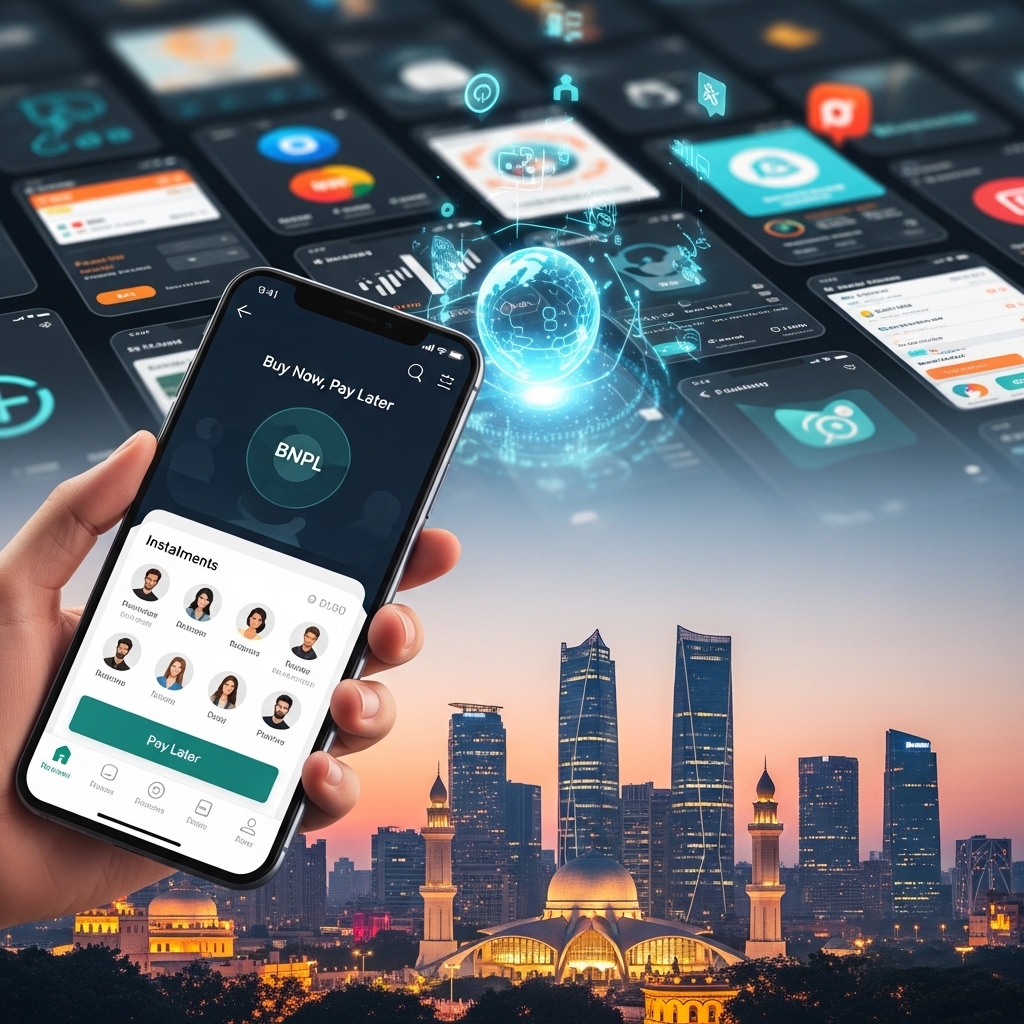
Here's why this matters in everyday terms. Currently, most Raast payments are "push", you actively send money. "Pull" payments flip this: after you give permission, a business can request and collect payment from your account, think automatic bill payments, subscriptions, or recurring installments, all with your consent. The system is being tested and is expected to launch soon, supported by tokenization technology to enhance security.
This is a big deal for businesses (easier recurring collections) and for consumers (no more manually paying the same bills every month), and it pushes Pakistan further toward a modern, automated payments economy. The consent and tokenization safeguards are important, they mean businesses can't just pull money without your approval.
Here's the deeper significance beyond the impressive numbers. Digital payments sit at the heart of "formalizing" Pakistan's economy, and that has profound ripple effects.
When salaries, merchant sales, remittances, utility bills, and government payments move digitally, they create records. Those records unlock things that cash cannot: credit scoring (so people can access loans based on their transaction history), fairer taxation, consumer protection, and better financial planning. In a country where cash and informality run deep, this gradual shift can genuinely change who gets to participate in the economy.
It's also central to financial inclusion. Pakistan aims to raise adult financial inclusion from 64% in 2023 toward 75% by 2028, and Raast is a key tool for bringing people currently outside the formal banking system into it, especially women and small businesses that traditional banks have long ignored.
Now the crucial reality check, because celebrating the $500 billion figure without this would be misleading. Despite Raast's explosive growth, cash still dominates daily life for most Pakistanis.
The numbers tell the story. Only about 35% of adults have a digital financial account, with a stark gender gap, roughly 56% for men versus just 14% for women. Pakistan remains one of only eight countries where more than half the adult population is unbanked. And while digital payments now cover most money moving through banks, a large share of Pakistan's retail and services economy still never touches a bank at all.
Why does cash persist despite great infrastructure? Transaction habits, trust issues, unreliable internet and power (especially rurally), transaction fees elsewhere in the system, and low financial literacy. So Raast's huge transaction volume is concentrated among those already in the digital system, moving money faster and more often, while a massive informal, cash-based economy still sits largely outside it. The infrastructure is world-class; the adoption journey is still years from complete. Both things are true.
Raast's rise has real consequences across the board.
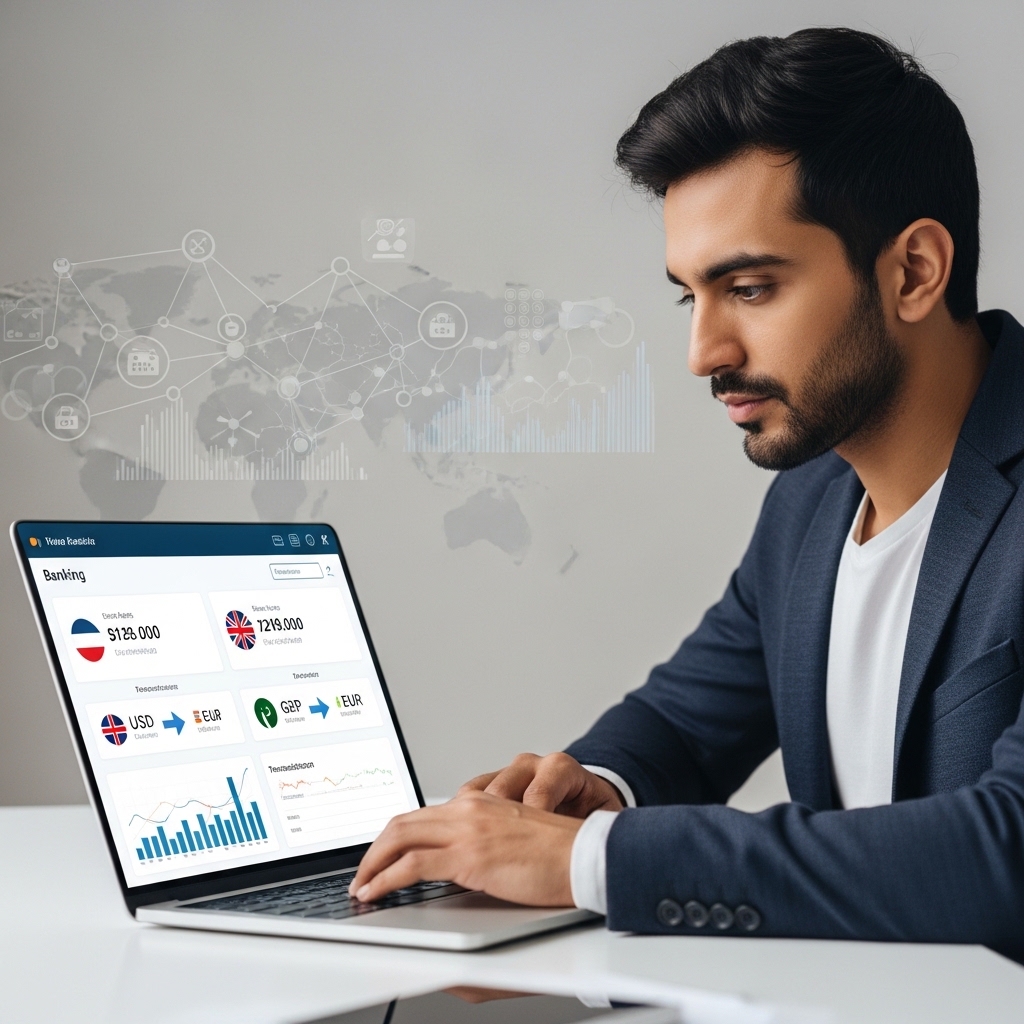
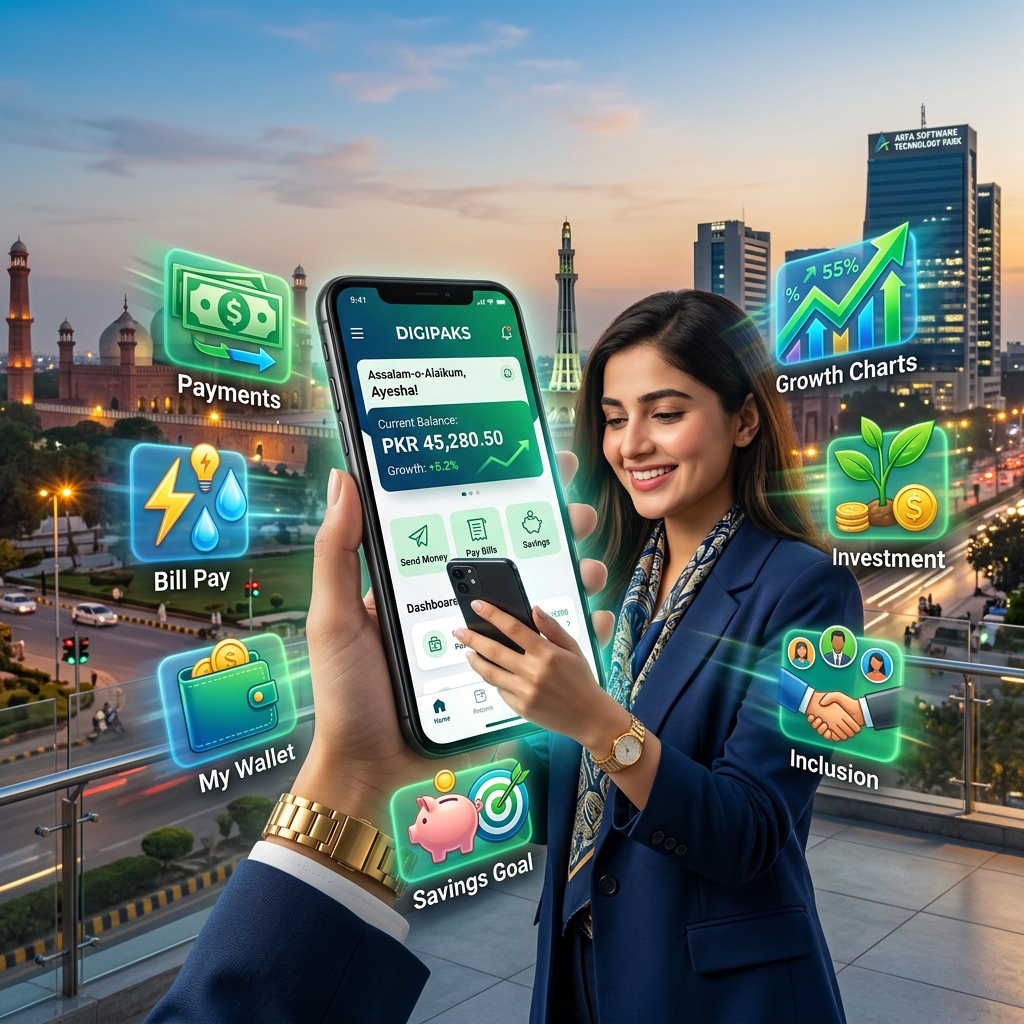
For individuals, it means free, instant transfers, no more fees or waiting to send money to family or friends, and increasingly, easier bill payments and purchases via QR codes.
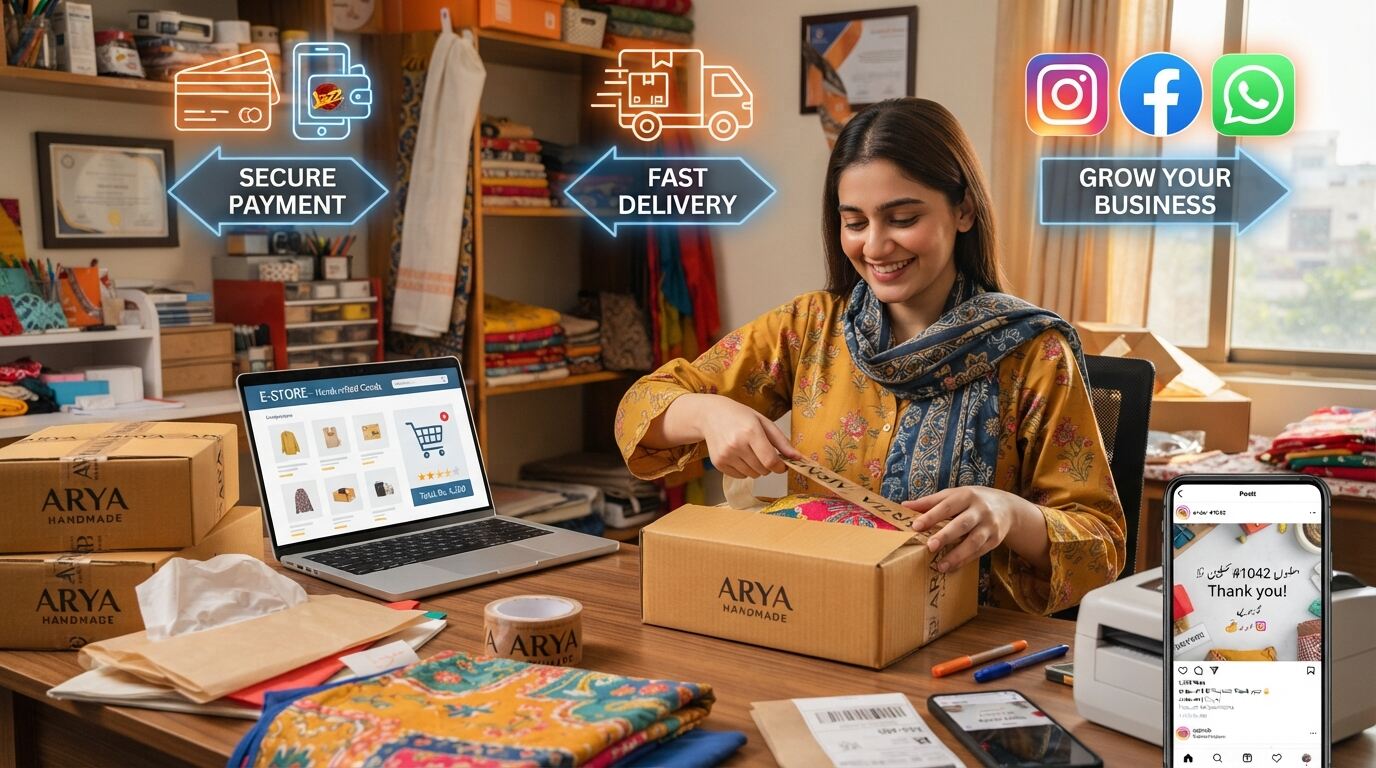
For businesses and freelancers, Raast (and QR merchant payments) offers a cheap, instant way to receive money, and the coming pull-payment feature will make recurring billing far simpler. For small merchants, accepting digital payment is becoming frictionless.
For the fintech ecosystem, Raast is the foundation that digital wallets, neobanks, and fintech apps build on, a growing layer of innovation is emerging around this public infrastructure, targeting the underserved.
For the economy, every transaction that moves from cash to digital adds a data point that supports formalization, credit access, and a more inclusive financial system. Raast is quietly laying the tracks for Pakistan's digital financial future.
The consistent expert view is that Pakistan has built genuinely world-class payment infrastructure, Raast is regularly cited as a fintech success story and a model instant-payment system. The State Bank deserves real credit; building this, and making it free, was a significant achievement.
The challenge now isn't building better rails, it's getting more of the country onto the train. That means tackling the demand side: building trust among first-time users, improving affordability and reliability (especially rural internet and power), raising financial literacy, closing the gender gap, and giving people genuine reasons to prefer digital over cash. The $500 billion figure proves the system works technically; the next milestone is making it work for the majority still living in cash. That's a harder, slower, human challenge, but it's where the real transformation lies.
Expect Raast to keep growing rapidly, with pull payments, expanded QR acceptance, and deeper integration into apps and businesses. As features mature and trust builds, more of Pakistan's cash economy should gradually shift digital. Watch for adoption metrics (not just transaction volume) improving: more first-time users, narrowing gender gap, and rural penetration. Those are the real signs of transformation.
Combined with Pakistan's broader digital-finance push, digital banks, crypto regulation, financial inclusion targets, Raast positions the country for a more formalized, inclusive financial future, if the adoption gap can be closed.
Raast processing more money than Pakistan's entire GDP in 2026 is a genuinely impressive milestone, and a sign of how far the country's digital payment infrastructure has come. It's free, instant, growing explosively, and about to get more powerful with consent-based pull payments. Understood correctly (as a measure of money movement, not economic size), it shows Pakistan has built world-class financial rails. The honest next chapter is adoption: bringing the cash-dependent majority, especially women and rural Pakistanis, into the system. The infrastructure is ready and remarkable. The task now is human, not technical. If Pakistan can close that gap, Raast won't just move money, it'll help reshape who gets to participate in the economy at all.
This article is for general informational purposes only and reflects data and projections reported in 2026. The "$500 billion" figure is a projection of transaction volume, not economic output; figures vary by source. This is not financial advice.
Raast is Pakistan's instant payment system (IPS), developed and run by the State Bank of Pakistan; its name means "direct path" in Urdu. It enables free, real-time digital transfers between individuals, businesses, and government using identifiers like mobile numbers or QR codes.
Milestone: Raast is projected to process over $500 billion (about Rs140 trillion) in transactions in 2026, exceeding Pakistan's estimated $452 billion GDP for FY26. It processes roughly 10-11 million transactions worth over Rs500 billion on a peak day, has grown around 162 times since 2022, and crossed 1.28 billion transactions in 2025. Important clarification: this figure measures total money flow (the same rupee moves many times yearly), not economic output, so "bigger than GDP" reflects transaction volume, not literal economic size.
New feature: a consent-based "pull payment" method is launching (being tested), letting businesses collect payments directly from customers' accounts after prior approval, enabling automatic bills, subscriptions, and recurring installments, secured by tokenization. This complements existing "push" payments where users actively send money.
Why it matters: digital payments create records that enable credit scoring, taxation, consumer protection, and financial planning, formalizing Pakistan's cash-heavy economy. Raast supports the national goal of raising adult financial inclusion from 64% (2023) toward 75% (2028).
Honest gap: cash still dominates daily life. Only ~35% of adults have a digital financial account (56% men, 14% women); Pakistan is among 8 countries where over half of adults are unbanked. Raast's volume concentrates among those already digital; barriers include trust, unreliable internet/power (rural), fees elsewhere, and low financial literacy. The infrastructure is world-class; broad adoption is years away.
Informational only; the $500B figure is a transaction-volume projection; not financial advice.