On July 1, 2026, Telenor Pakistan formally merged into Pak Telecom Mobile Limited (PTML), operating as Ufone 5G, after Islamabad High Court approval. Telenor ceased to exist as a separate company. The combined operator now holds about 35.9% of Pakistan's mobile market, becoming the country's second-largest, with services continuing for existing customers.
One of the biggest changes in Pakistan's telecom history has just become official. Telenor Pakistan, a brand millions have used for over two decades, has merged into Ufone 5G. As of July 1, 2026, Telenor Pakistan no longer exists as a separate company.
This is a huge moment for the industry and for ordinary users. If you use a Telenor or Ufone SIM, you probably have questions: Is my number safe? Will service change? Who is the biggest network now? Here is a clear, calm breakdown of what happened and what it means for you.
After a long process, the merger is now legally complete. Telenor Pakistan has formally amalgamated into Pak Telecom Mobile Limited (PTML), operating under Ufone 5G, with effect from July 2026.
The final green light came from the courts. The merger follows final statutory approval from the Islamabad High Court, concluding a regulatory process involving multiple institutions.
And the Telenor name is going away. With the development, Telenor Pakistan will cease to exist as a separate legal entity, with its operations, network infrastructure and customer base fully integrated into PTML.
This did not happen overnight. It started with a major acquisition. PTCL had signed a share purchase agreement with Norway's Telenor Group in December 2023 to acquire the two entities for $400 million.
The deal took time because of the many approvals required. The transaction required a rigorous administrative and legal process spanning nearly two and a half years. Along the way, it needed clearance from the competition regulator. The Competition Commission of Pakistan (CCP) approved PTCL's acquisition in October 2025, subject to conditions aimed at protecting competition, ensuring non-discriminatory access and passing efficiencies on to consumers.
Telenor had been in Pakistan a long time. The Norwegian company launched services in March 2005 and, over the years, invested more than $2 billion in the country. Its exit marks the end of a significant chapter.
The merger reshapes the ranking of mobile networks in Pakistan. The country is a huge mobile market. Latest figures from the Pakistan Telecommunication Authority show the country had more than 206 million mobile subscribers at the end of May 2026.
The new combined company is now a giant. Jazz remains the market leader with a 36.42% share, followed by Zong at 26.62%, while the newly combined PTML now commands approximately 35.91% of the mobile subscriber market.
In simple terms, the merger creates a strong number-two operator, close behind Jazz, and ahead of Zong. This makes the market more competitive at the top.
This is the part most readers care about most. For now, the message from the company is continuity. Ufone 5G has promised continuity of service for both Ufone 5G and Telenor Pakistan customers during the integration process.
Your SIM and number should keep working during the transition. However, mergers of this size do cause some disruption, and the company itself expects movement. A senior Ufone executive noted that some subscribers of both Telenor and Ufone may switch their SIMs to other networks as operations fully merge.
The honest takeaway: your service continues, but expect a transition period. Keep an eye on official messages from Ufone 5G about any changes to packages, billing, or network settings, and make sure your important accounts linked to your number stay updated.
One interesting detail is what happens to the names. Reports suggest the merged company may eventually phase out both the Ufone and Telenor brands. Some reports indicate the group could adopt the "e&" identity as part of the UAE-based parent group's global branding strategy over time.
For now, the operator runs as Ufone 5G under PTML. Any bigger rebrand would come later, and customers would be informed.
This merger is bigger than two companies joining. It signals where Pakistan's telecom sector is heading.
For the market, it creates a stronger challenger to Jazz, which could mean better competition on price and quality. It also reduces the number of major operators, which regulators watched carefully to protect consumers.
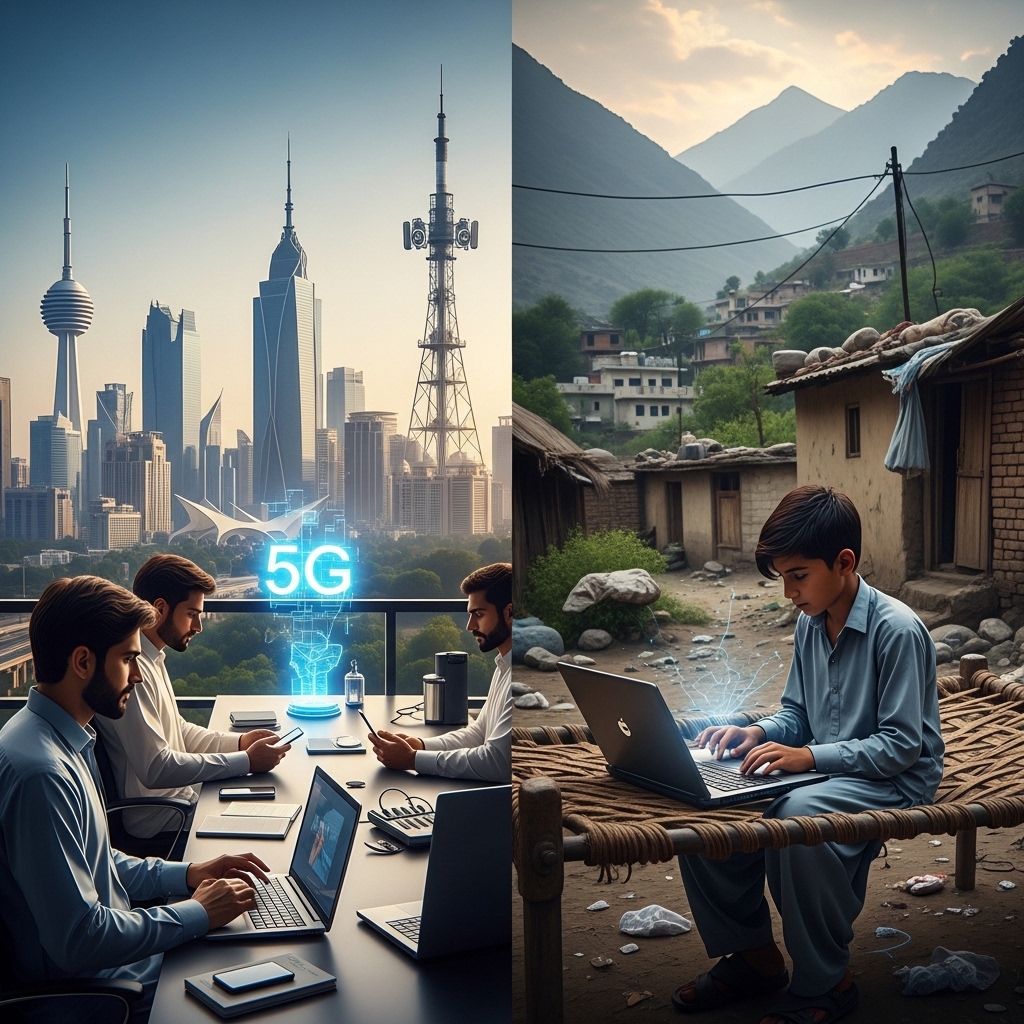
For technology, the combined company gets a stronger spectrum portfolio and more capacity. The stated priority is next-generation connectivity, especially expanding 5G coverage nationwide. For a country working to grow its digital economy, faster and wider mobile internet is essential.
For the economy, the deal reflects both challenge and confidence. The telecom sector has faced thin margins, high spectrum costs and heavy investment needs, which pushed consolidation. At the same time, a major group investing in 5G is a positive signal for digital growth.
Telecom analysts see this as a logical, even necessary, move. Running a mobile network in Pakistan is expensive, and margins are tight. By combining, the two operators can cut duplicate costs, share infrastructure, and invest more efficiently in new technology.
Analysts note the merger drastically improves PTCL Group's strategic position and market valuation, giving it a much stronger base to pursue future digital growth. The trade-off is fewer independent players in the market, which is exactly why the competition regulator attached conditions to protect consumers.
There were also corporate changes around the deal. As part of the arrangement, PTCL will operate separately from the merged mobile business, each with its own board and leadership, following conditions set by the regulator.
The next few months are about integration, blending two networks, systems, and customer bases into one. This is complex work, and how smoothly it goes will shape customer trust.
The big promise is 5G. If the combined company delivers wider, faster 5G at fair prices, customers and the digital economy both win. The main things to watch are service quality during the transition, any package changes, and how quickly 5G expands beyond a few cities.
The merger of Telenor Pakistan into Ufone 5G marks the end of an era and the start of a new one. A familiar brand is gone, but a stronger, better-resourced operator has taken its place, now the second largest in the country. For customers, service continues for now, with better 5G promised ahead. As with any big merger, the real test will be smooth integration and fair treatment of users. For Pakistan's digital future, a stronger telecom sector with serious 5G investment is a welcome step, provided the benefits reach ordinary people.
This article is for general informational purposes only and reflects reports available as of early July 2026. Customers should rely on official Ufone 5G/PTML communications for account-specific guidance.
On July 1, 2026, Telenor Pakistan formally merged (amalgamated) into Pak Telecom Mobile Limited (PTML), operating as Ufone 5G, following final Islamabad High Court approval (order dated June 30, 2026). Telenor Pakistan ceased to exist as a separate legal entity; its operations, network, and customer base are fully integrated into PTML, a wholly owned subsidiary of PTCL. Background: PTCL signed a $400 million share purchase agreement with Norway's Telenor Group in December 2023, completed 100% acquisition on December 31, 2025, and the ~2.5-year regulatory process included CCP approval (October 2025, with consumer-protection conditions) and PTA's final NOC. Market impact: of Pakistan's 206M+ mobile subscribers (PTA, May 2026), Jazz leads at 36.42%, the merged PTML is now second at ~35.91%, and Zong third at 26.62%. Per CCP conditions, PTCL operates separately from the merged mobile entity (MergeCo) with its own board/CEO; Hatem Bamatraf leads MergeCo. Ufone migrated to Telenor's '345' Gulberg Greens HQ. Customer impact: service continuity promised, though some SIM-switching churn is expected. Reports suggest both Ufone and Telenor brands may eventually be replaced by the "e&" identity (UAE parent group), though unconfirmed. Priority is nationwide 5G expansion. Telenor had operated in Pakistan since March 2005, investing $2 billion+. This is informational, not account-specific advice; customers should follow official Ufone 5G communications.