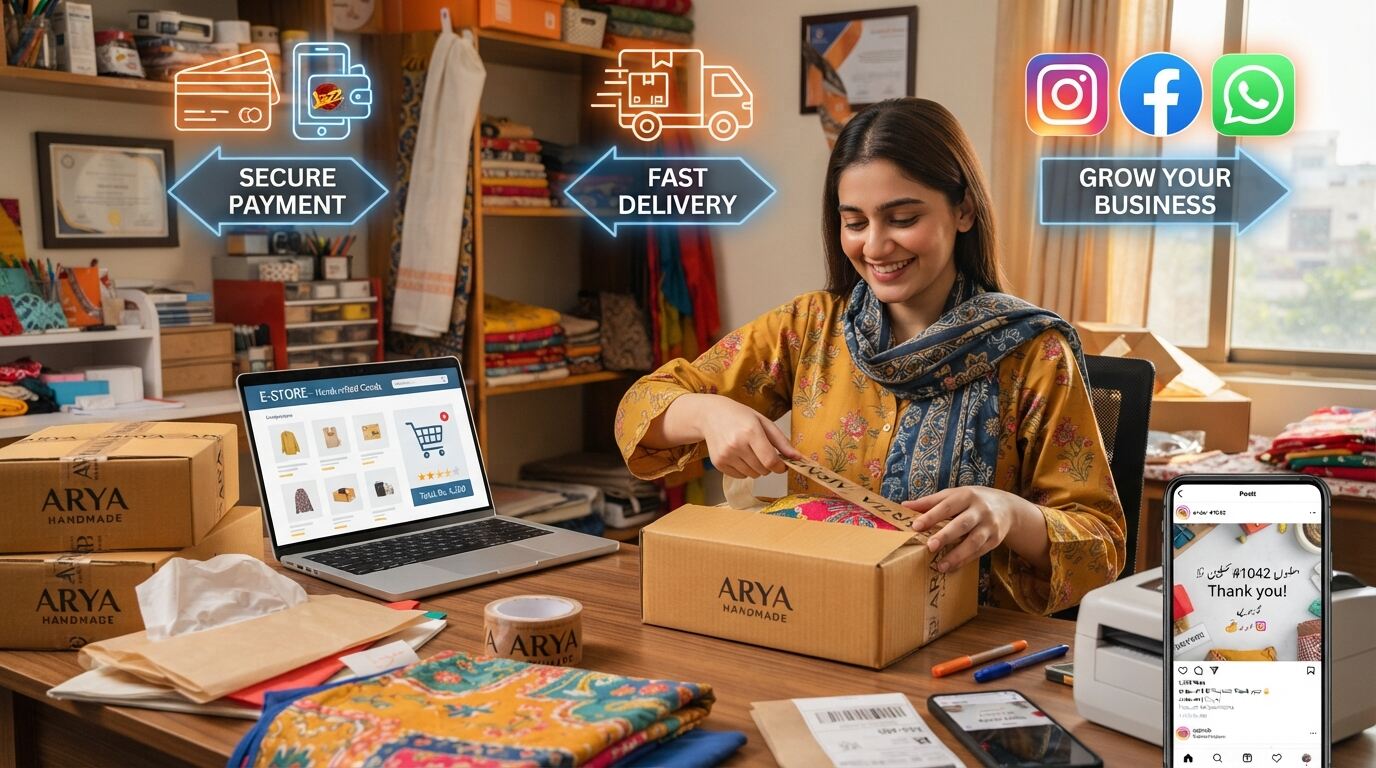
Pakistani AI startups are attracting top global investors in 2026. Metal, founded by former Airlift CEO Usman Gul and backed by a16z and Y Combinator, builds an AI operating system for fundraising. Other rising names include Newton (healthcare AI), Metric (SME finance), and TaxGPT (tax automation), signaling Pakistan's shift from outsourcing to product-building.
For decades, Pakistan's tech reputation was built on one thing: doing the world's work at a good price. Talented engineers, reliable delivery, low cost. But in 2026, a new and more exciting story is taking shape. Pakistani founders are no longer just serving global companies, they are building their own AI products and winning backing from the biggest names in venture capital.
When firms like Andreessen Horowitz (a16z) and Y Combinator put money behind Pakistani startups, it sends a powerful signal. It says Pakistani talent can create world-class products, not just support them. Here are the founders and companies leading this shift, and why it matters for the whole country.
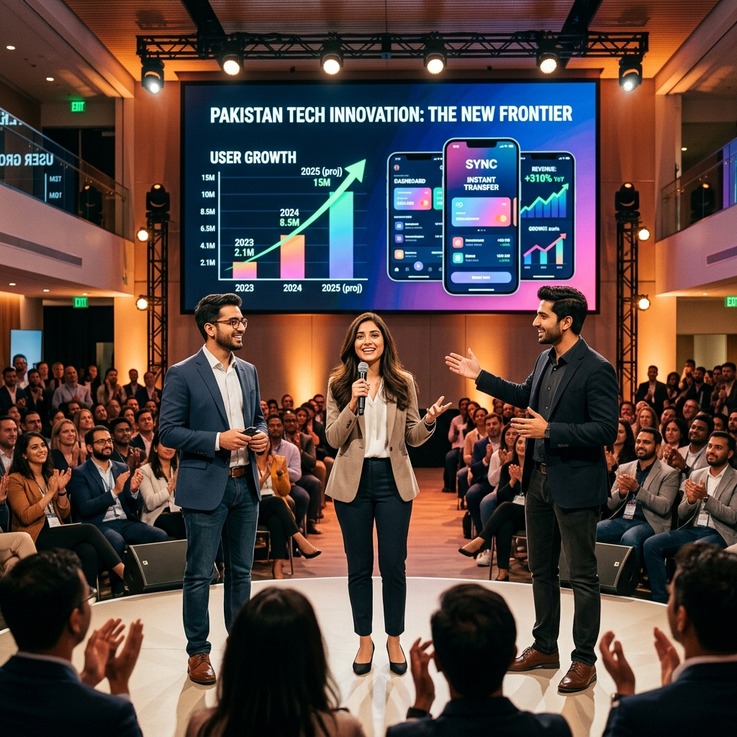
A recent gathering in the heart of Silicon Valley captured this new energy. A recent event in San Francisco showcased how Pakistani entrepreneurs and engineers are helping shape the global artificial intelligence industry.
The event had a clear and confident theme. The session was titled "Building AI Products with Pakistani Talent," hosted by Mehroz Azam, founder of Ejad Labs, to promote collaboration between Pakistan's tech ecosystem and international investors.
That title says everything. The conversation has moved from "Pakistan can code for you" to "Pakistan can build products with you." That is a major shift in how the country sees itself, and how the world sees it.
The standout example is a startup called Metal. Metal, founded by Usman Gul, former CEO of Airlift, and backed by a16z and Y Combinator, uses AI to bring deep intelligence to all the core workflows involved in raising venture rounds.
In simple terms, Metal is a tool that helps startup founders raise money more smartly. The product is essentially an operating system for founders navigating fundraising, combining investor research, relationship intelligence, and pipeline management in one AI-powered platform.
The founder's story matters here. Usman Gul previously led Airlift, one of Pakistan's most famous startups. He built on that hard-won experience, learning from both success and failure, to create something new. Metal is already being used by hundreds of founders backed by top investors, showing real global traction, not just a pitch.
Metal is not alone. A whole group of Pakistani AI startups is gaining attention for solving real problems.
Newton is applying AI to healthcare. At the San Francisco event, Newton's team highlighted how its AI-driven platform is improving workflow efficiency for dental and healthcare practices. The company recently secured $4.6 million in seed funding to expand its operations, a strong vote of confidence.
Metric is building AI-powered financial tools for small and medium businesses, a huge underserved market in Pakistan and beyond.
TaxGPT is automating tax and accounting work, one of the most painful and time-consuming tasks for businesses everywhere. It has also raised millions to fund its growth.
Together, these companies share one important trait: they are building products that solve specific problems, and those products can serve customers anywhere in the world.
This trend is more than a few success stories. It represents a possible turning point for the entire economy.
For founders, it is proof that ambition pays off. If Pakistani startups can win a16z and YC backing, so can the next generation. These stories create role models and open doors.
For developers and engineers, it means new kinds of jobs, building original products with global standards, not just executing someone else's plans. This is more challenging, better paid, and more rewarding work.
For the economy, product companies are far more valuable than pure service firms. A successful product can scale to millions of users and earn recurring revenue, bringing much more foreign exchange per worker than outsourcing.
For Pakistan's global image, every a16z-backed founder rewrites the story. The country known as the world's back office is becoming a place that produces founders, not just freelancers.
Why is this happening now? Part of the answer is a unique combination of talent and cost. Pakistan produces tens of thousands of software engineers and data scientists annually, and the country ranks among the top five globally for freelance tech talent. The people who can build AI products exist here in abundance, and at a fraction of the cost of their counterparts in the West.
There is also a deeper advantage: local knowledge. Global AI products are often built for everyone and therefore fit no one perfectly. Pakistani founders who understand local languages, culture, and problems, in areas like Urdu AI, agriculture, healthcare, and underbanked finance, can build products that global companies simply cannot. That cultural and linguistic specificity is a real competitive moat.
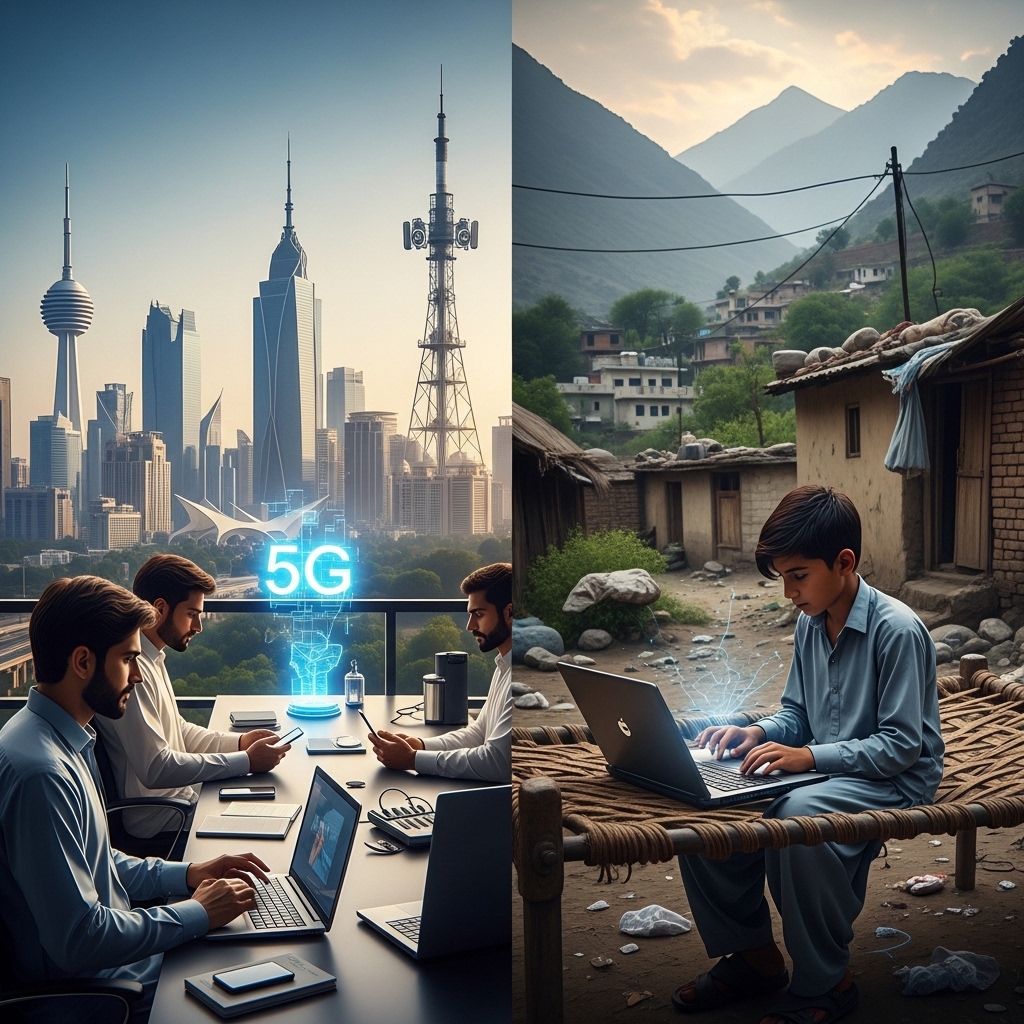
It would be dishonest to pretend everything is solved. The ecosystem still faces serious gaps. Power outages still happen, AI skills remain scarce, and data infrastructure is patchy at best.
There is also the harder truth that many of these success stories are built partly in Silicon Valley, using foreign capital. The real test for Pakistan is whether it can build enough local funding, infrastructure, and support so that founders can build global companies from within Pakistan, not only after leaving for the US. Local investors, follow-on capital, and cleaner startup structures are still developing.
The direction is clear and encouraging. As more Pakistani startups win global backing, they create a flywheel: successful founders become investors and mentors, inspiring and funding the next wave. Government programs like the $1 billion AI investment plan and AI Seekho aim to widen the talent base that feeds this pipeline.
If Pakistan keeps producing product-focused founders and slowly builds a stronger local capital ecosystem, the coming years could see the country's first home-grown AI success stories at scale.
The rise of Pakistani AI startups backed by a16z and Y Combinator is one of the most hopeful tech stories of 2026. It marks a real shift from a service mindset to a builder mindset. Companies like Metal, Newton, Metric, and TaxGPT prove that Pakistani talent can compete at the highest level, not by working cheaper, but by building smarter. The foundation is being laid. Now the goal is to build the local ecosystem that turns these early wins into a lasting wave. Pakistan's builder era has begun.
This article is for general informational purposes only and reflects reports available as of mid-2026. It is not investment advice; startup details and funding can change.
In 2026, Pakistani AI startups are increasingly winning backing from top global investors like Andreessen Horowitz (a16z) and Y Combinator, marking a shift from an outsourcing/services model to product-building. The flagship example is Metal, founded by Usman Gul (former CEO of Pakistani startup Airlift) and backed by a16z and YC; it's an AI-native "operating system" for founders raising venture rounds, combining investor research, relationship intelligence, and pipeline management, already used by hundreds of top-investor-backed founders. Other rising Pakistani-linked AI startups: Newton (AI for dental/healthcare workflow efficiency, raised $4.6M seed), Metric (AI financial tools for SMEs), and TaxGPT (tax/accounting automation, raised $4.6M). A San Francisco event, "Building AI Products with Pakistani Talent," hosted by Mehroz Azam (founder of Ejad Labs), spotlighted this trend. Drivers: Pakistan produces tens of thousands of engineers annually, ranks top-five globally for freelance tech talent at low cost (an "arbitrage" advantage), and founders leverage local/linguistic knowledge (Urdu AI, agriculture, healthcare, underbanked finance) as a competitive moat. Context: IT exports projected at $4.5-4.6B in FY2025-26; government targets $1B AI investment by 2030. Honest caveats: persistent power outages, scarce AI skills, patchy data infrastructure, and reliance on Silicon Valley capital/location; Pakistan still needs stronger local funding, follow-on capital, and startup stru