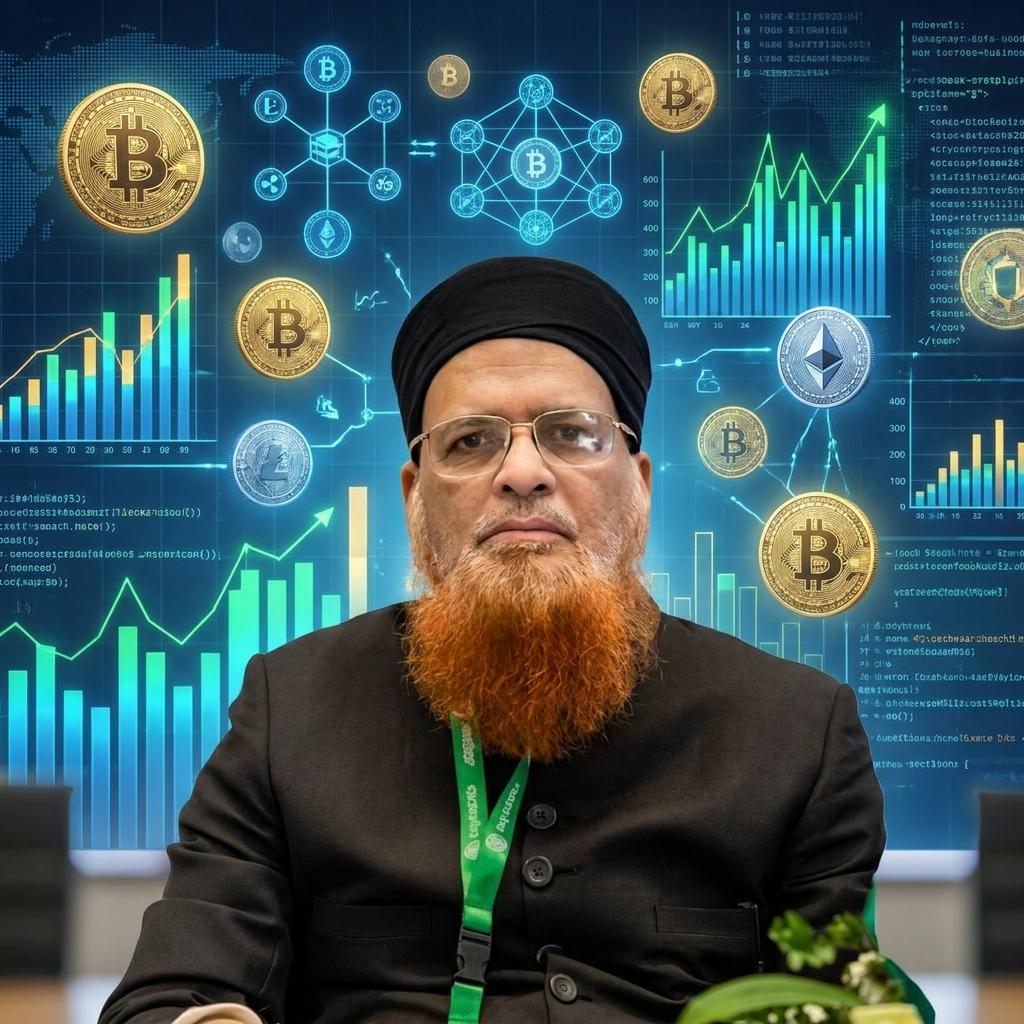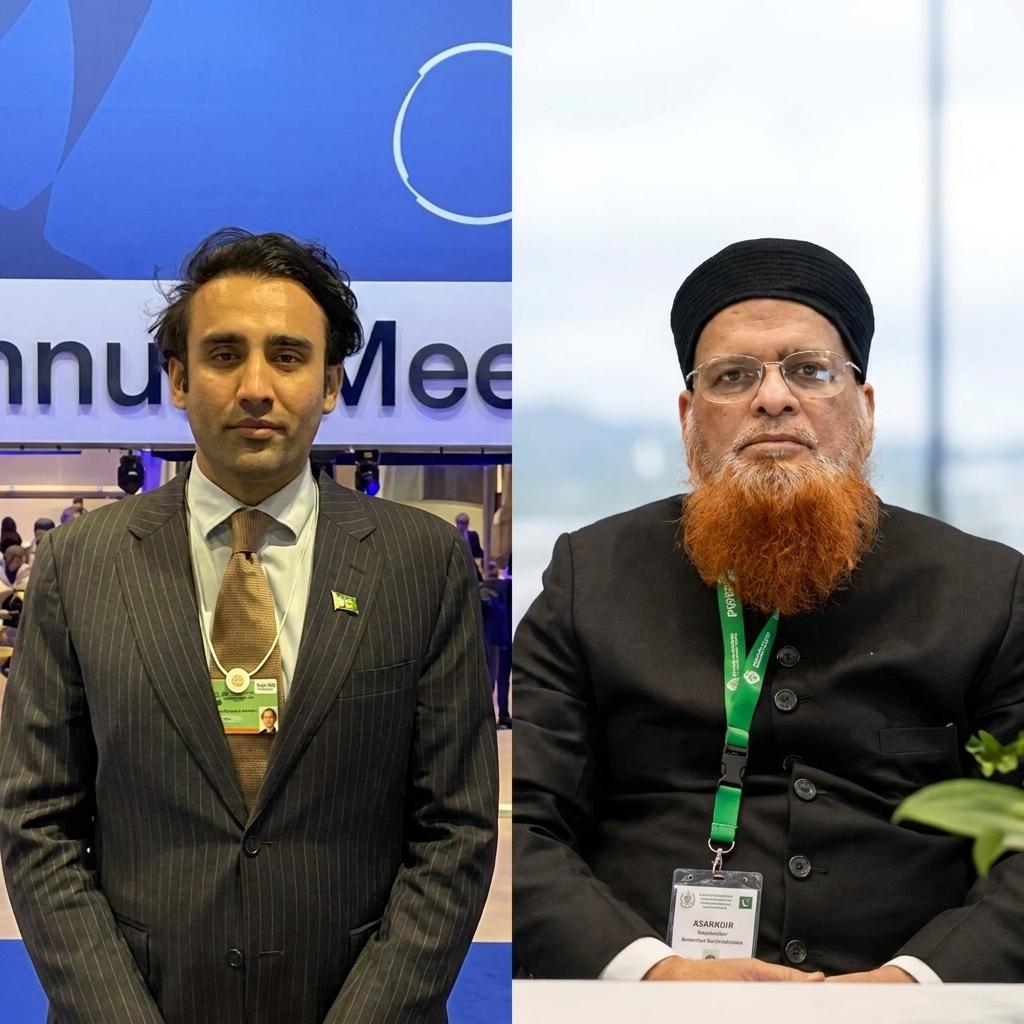
Pakistan's crypto regulator, PVARA, is developing a dual framework that assesses digital assets from both regulatory and Shariah perspectives. After a June 2026 fatwa declared crypto purchases impermissible, PVARA chairman Bilal bin Saqib met scholar Mufti Taqi Usmani, arguing that different digital assets need separate technical and religious evaluation rather than one blanket ruling.
Pakistan is trying to solve one of the trickiest puzzles in global finance: how to build a modern crypto industry in a country where Islamic law carries deep importance, and where a leading scholar has just declared crypto payments impermissible. The government's answer is a bold one, a framework that judges digital assets on both regulatory and religious grounds at the same time.
This is a delicate balancing act. On one side is a fast-growing digital economy with tens of millions of users. On the other is a serious religious ruling that many Pakistanis will take to heart. Here is how the country's crypto regulator is responding, what the proposed framework aims to do, and what it means for the future of digital assets in Pakistan. We report the religious dimension neutrally and respectfully throughout.
To understand this story, you need the recent history. Pakistan has moved unusually fast on crypto. After banning it in 2018, the country reversed course and, in March 2026, passed the Virtual Assets Act 2026, establishing PVARA (the Pakistan Virtual Assets Regulatory Authority) as a permanent federal body to license and regulate the sector.
Then came the religious challenge. On June 10, 2026, a fatwa issued by Jamia Darul Uloom Karachi, signed by Mufti Muhammad Taqi Usmani and other scholars, declared that purchasing goods with cryptocurrency, including stablecoins like USDT, is impermissible under Islamic law. The reasoning was that digital tokens do not qualify as "maal" (recognized wealth or property) in Shariah.
This created obvious tension. The state had just legalized and begun regulating an asset class that its most authoritative religious voice was now questioning.
Rather than clash with the scholars, Pakistan's crypto regulator chose engagement. On July 11, 2026, PVARA Chairman Bilal bin Saqib met Mufti Taqi Usmani for what he described as a "constructive discussion" on digital assets and their Shariah status.
Saqib's message emphasized common ground. In a post on X, he said both sides were united on one fundamental objective: protecting Pakistanis from fraud, exploitation, and financial harm. This framing was smart, it focused on a shared goal that both regulators and religious scholars care about.
Notably, Saqib did not dispute the religious ruling directly. Instead, he made a specific technical argument, which is at the heart of this whole story.
Saqib's central argument is that "cryptocurrency" is not one single thing. He explained that blockchain technology, digital assets, stablecoins, and tokenized real-world assets represent a wide range of technologies and use cases, and therefore should not be viewed as a single category.
His proposed approach is nuanced. He argued these technologies merit careful technical assessment alongside rigorous Shariah examination, rather than being judged through one lens. In other words, a speculative cryptocurrency, a dollar-backed stablecoin, and a token representing a real physical asset are very different things, and might deserve different religious and regulatory treatment.
This is the foundation of the dual framework Pakistan is building: evaluate each type of digital asset on both its technical function and its Shariah compliance, case by case, rather than accepting or rejecting all of them together.
Interestingly, Pakistan's lawmakers seem to have anticipated this exact tension. The Virtual Assets Act 2026 mandated the creation of a Shariah Advisory Committee within the regulatory structure. This suggests that from the beginning, the framework was designed to incorporate Islamic finance principles, not treat them as an afterthought.
PVARA's official mandate reflects this balance. The authority is tasked with curbing illicit finance, protecting consumers, and unlocking opportunities in fintech, remittances, and tokenized assets, while fostering Shariah-compliant innovation through regulatory sandboxes. The goal is a system that is simultaneously modern, safe, and religiously considered.
This effort has real consequences for millions of people and the direction of Pakistan's economy.
For crypto users, the stakes are enormous. Pakistan ranks third globally in crypto adoption, with an estimated 40 million users, roughly one in six Pakistanis. Many use stablecoins as a hedge against inflation. How this religious-regulatory question is resolved will directly affect whether they feel comfortable continuing.
For the industry, clarity is valuable. Licensed exchanges and fintech firms need to know how different tokens will be treated, both legally and religiously, so they can design compliant products. A clear, category-based framework could actually help the sector grow on firmer ground.
For Pakistan's economy, the outcome shapes a promising sector. Crypto and blockchain offer real potential in remittances, financial inclusion, and fintech innovation. Getting the framework right could unlock that potential responsibly; getting it wrong could stall it.
This is not a simple problem, and honesty requires acknowledging that. The challenge is applying Islamic legal principles, developed centuries ago, to a completely new kind of asset. Sincere, learned scholars around the world have reached different conclusions on crypto, and there is no global consensus.
It is worth noting Mufti Taqi Usmani's own stature and openness here. As a globally respected authority who helped shape international Islamic finance standards, his view carries weight. Yet he has previously indicated his position could evolve if cryptocurrencies come to be used in real trade by real economies, leaving room for the conversation to develop.
Some observers also note a fair critique: that the regulator is, in a sense, seeking religious alignment after the framework was already written, rather than before. Whether or not one agrees, the ongoing dialogue is widely seen as the responsible path forward, better than either ignoring the scholars or abandoning the industry.
The key question now is whether continued engagement produces a clear, category-specific framework that both regulators and the public can follow. Watch for the Shariah Advisory Committee's work, any refined guidance on which types of digital assets are considered acceptable, and whether scholars issue more detailed opinions after technical assessment.
Pakistan is attempting something genuinely difficult and potentially influential. If it succeeds in creating a credible model that bridges digital finance and Islamic principles, it could become a reference point for other Muslim-majority countries facing the same questions.
Pakistan's effort to build a dual regulatory and Shariah framework for crypto is a thoughtful response to a real tension. Rather than forcing a choice between innovation and religious values, the regulator is pursuing dialogue and a nuanced, category-by-category approach. The path ahead is not simple, and the religious debate is far from settled. But the attempt to reconcile technology with faith, transparently and respectfully, is exactly the kind of careful work such a sensitive issue demands. For Pakistan's millions of crypto users and its growing digital economy, how this unfolds will matter for years to come.
This article is for general informational purposes only. It reports on regulatory developments and a religious debate but does not provide religious guidance, and is not financial or investment advice. Readers seeking rulings for their own situation should consult qualified scholars they trust. Cryptocurrency carries significant financial risk regardless of religious considerations.
Pakistan's Virtual Assets Regulatory Authority (PVARA) is developing a dual framework that evaluates digital assets from both regulatory and Shariah (Islamic law) perspectives, as it navigates tension between a fast-growing crypto sector and religious concerns.
The context: on June 10, 2026, a fatwa from Jamia Darul Uloom Karachi, signed by Mufti Muhammad Taqi Usmani and other scholars, declared purchasing goods with cryptocurrency, including stablecoins like USDT, impermissible under Islamic law, on the basis that digital tokens do not qualify as "maal" (recognized wealth). This clashed with the Virtual Assets Act 2026 (passed March 2026), which established PVARA to license virtual asset service providers and, notably, mandated a Shariah Advisory Committee.
On July 11, 2026, PVARA chairman Bilal bin Saqib met Mufti Taqi Usmani for a "constructive discussion." Rather than disputing the ruling, Saqib argued that blockchain, cryptocurrencies, stablecoins, and tokenized real-world assets are distinct technologies with different use cases and should receive separate technical assessment alongside rigorous Shariah examination, not one blanket judgment. Both stressed a shared goal: protecting Pakistanis from fraud, exploitation, and financial harm.
The stakes are high: Pakistan ranks third globally in crypto adoption with ~40 million users (about one in six citizens), many using stablecoins as an inflation hedge. In April 2026, the State Bank permitted banks to serve licensed VASPs, ending an eight-year restriction.
Scholarly opinion on crypto remains divided globally, and Usmani has previously suggested his view could evolve if crypto sees real trade use. A fair critique notes the regulator is seeking religious alignment after the framework was written. The fatwa is a religious opinion, not law, so regulated crypto remains legal.
This is informational, not religious guidance or financial advice; crypto carries significant risk.