Pakistan’s National CERT has warned that cybercriminals are increasingly using AI (bots, deepfake voice/video, and AI-accelerated phishing) to attack banks, payment systems, and steal from customers, even potentially faking displayed account balances. Financial fraud is already nearly half of reported cybercrimes. Protect yourself with app-based two-factor authentication, skepticism of urgent calls, updated apps, and verifying everything through official channels.
Here’s a warning worth paying attention to, because it’s about your money. Pakistan’s national cybersecurity authority, the National Cyber Emergency Response Team (National CERT), has issued a formal advisory warning that artificial intelligence is making cyberattacks and banking fraud faster, smarter, and harder to stop. Criminals are increasingly using AI, automated bots, deepfake voice and video, and AI-powered phishing, to target banks, payment systems, and ultimately, people’s money.
This isn’t abstract or distant. Financial fraud is already the most-reported cybercrime in Pakistan (nearly half of all reported cybercrimes), and AI is supercharging it, making scams more convincing, faster, and larger in scale. For every Pakistani who uses a bank account, a digital wallet, or online payments, this is a genuine, growing threat worth understanding. The good news: while the threat is serious, protecting yourself is largely about awareness and a few sensible habits. So here’s what the warning actually says, why it matters to you, and, most importantly, concrete steps to protect yourself and your money. (A quick note: this is a protective awareness guide, not security or financial advice; if you’re ever targeted, contact your bank and the authorities immediately, and always verify through official channels.)
Let’s start with what the National CERT advisory actually warns about, because it’s significant and worth understanding clearly. In an advisory issued in early November 2026, National CERT (which operates under the Cabinet Division and leads Pakistan’s cyber-incident response) warned banks, financial institutions, and operators of critical national infrastructure about escalating AI-powered cyber threats.
Here’s the core of it. Criminals are using AI to attack faster and smarter: the advisory says cybercriminals are increasingly using AI-powered bots, botnets, and automated (“agentic”) tools to find system weaknesses, steal credentials, and launch coordinated attacks at far greater speed and scale than before. Core banking systems and payments are targets: it flags core banking systems, digital payment platforms, banking APIs (the connections between systems), and customer-facing apps as particularly exposed. A striking warning about fake balances: notably, the advisory cautions that attackers could potentially gain access and manipulate the account balances customers see, showing inaccurate financial information even if the actual funds are unchanged, which could create panic and undermine confidence in the banking system. It’s a national-security issue, not just banking: the threat extends to critical infrastructure (like power grids), so it’s being treated as a national-security matter, not just a financial one. And banks are directed to strengthen defenses: National CERT urged banks and institutions to strengthen authentication (like multi-factor authentication), monitor for suspicious activity, improve incident response, and report incidents. So the warning is clear and serious: AI is making cyberattacks on Pakistan’s financial systems (and beyond) more dangerous, and institutions must step up their defenses. But individuals have a role too, which is where protecting yourself comes in.
You might think, “This is a warning to banks, not to me.” But it genuinely matters to every ordinary Pakistani who uses financial services, so let’s be clear about why. The threat ultimately targets your money and your trust.
Here’s why it’s personal. Financial fraud is already rampant: as noted, financial fraud is the most-reported cybercrime in Pakistan, making up nearly half (around 48%) of all reported cybercrimes, so this is already happening to real people, and AI is making it worse. AI makes scams more convincing: AI-powered phishing can create emails, messages, and fake websites that look almost identical to genuine ones, and deepfake technology can clone voices and faces, so a scam call or message may sound or look exactly like your bank, a family member, or a colleague. This makes the old “just spot the obvious scam” advice much harder. Attacks are faster and larger: AI lets criminals target far more people, far faster, and more personally, increasing everyone’s risk. Your accounts and data are the target: whether through attacks on banks or scams aimed directly at you, the goal is your money, credentials, and data. And panic itself is a weapon: as the “fake balance” warning shows, attackers may try to create fear and confusion to manipulate you. So this isn’t just a technical issue for banks; it’s a direct, growing threat to ordinary people’s money and financial safety. The more Pakistanis use digital banking and payments (a positive trend), the more important it is to be aware and protected. This warning is, in effect, a call for everyone to be more vigilant.
To protect yourself, it helps to understand the specific AI-powered scam types now emerging, because they’re more convincing than old scams. Being able to recognize them is the first defense. (We’ll describe these at an awareness level, so you know what to watch for.)
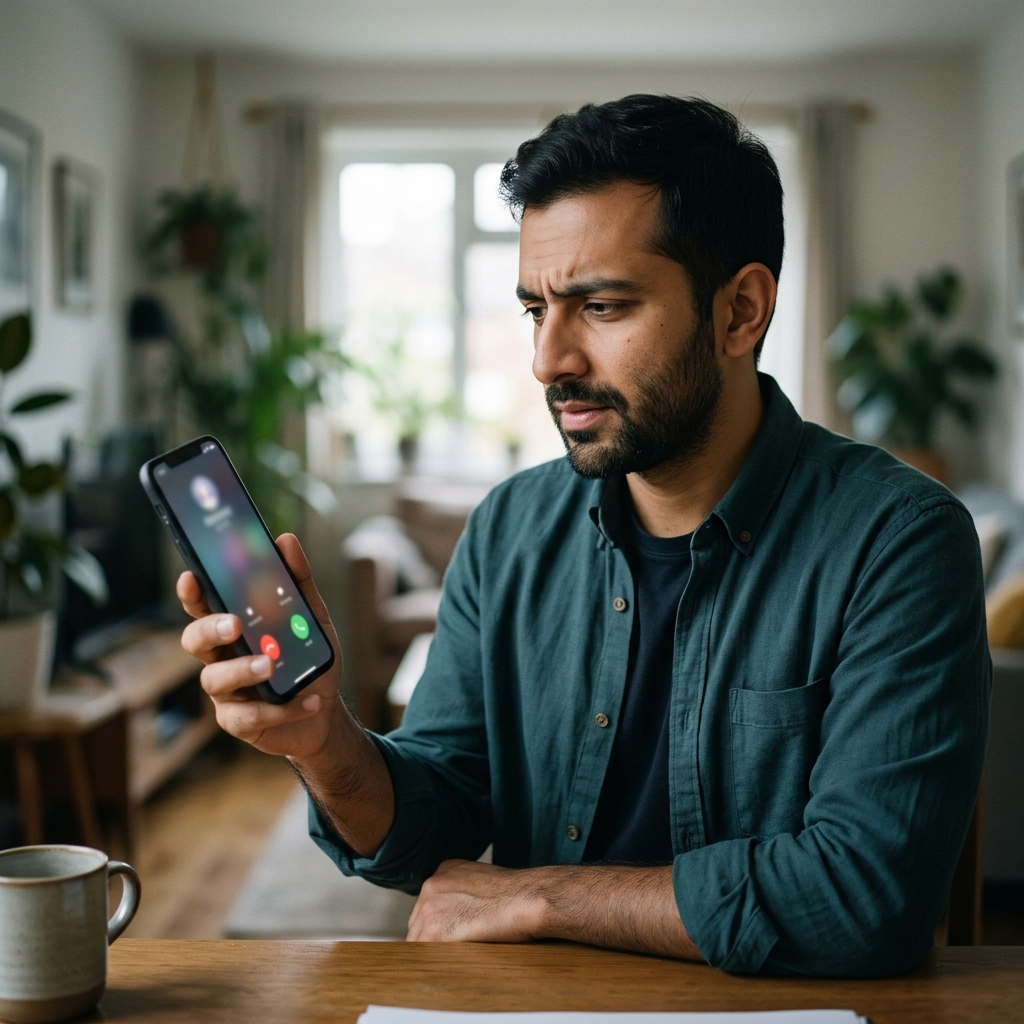
The key AI-enabled threats include: AI-powered phishing: scam emails, texts, and messages (pretending to be from your bank, a service, or a person) that AI makes highly convincing, well-written, personalized, and hard to distinguish from real ones. The old advice to “look for spelling mistakes” is less reliable now. Deepfake voice scams: criminals can use AI to clone a voice from available audio, so you might get a call that sounds exactly like your bank representative, your boss, or a family member, urgently asking for money, codes, or information. A familiar voice is no longer proof. Deepfake video/image scams: similarly, AI can create fake but realistic videos or images to deceive. Fake websites and apps: AI helps create convincing fake bank websites or apps designed to steal your login details. Automated, personalized attacks: AI lets scammers target you with information tailored to seem legitimate (using data about you), making scams more believable. And manipulated information: as warned, attackers might show you false information (like a fake balance or alert) to create panic and prompt hasty, unsafe actions. The common thread: AI makes scams far more convincing and harder to spot than before, a fake message, voice, or site may look or sound completely real. So the key mindset shift is: you can no longer rely only on “spotting obvious fakes”; you must verify through trusted channels and stay skeptical even of things that seem genuine. Knowing these scam types helps you stay alert to them.
Here’s the most important part: concrete, practical steps to protect yourself and your money. The good news is that strong habits dramatically reduce your risk, even against AI-powered scams. Here’s what every Pakistani should do.
Key protective steps: Use strong, app-based two-factor authentication (2FA): secure your bank, wallet, and important accounts with app-based authenticators or in-app approvals rather than just SMS codes where possible, this is one of the strongest protections, since even if criminals get your password, they can’t easily get in. Be deeply skeptical of urgent calls and messages: treat any urgent request (for money, codes, passwords, or personal info), by call, text, email, or message, with extreme suspicion, even if it sounds or looks like your bank, boss, or family. Urgency and pressure are classic scam tactics, now supercharged by AI. Verify through official channels, independently: if you get a call or message claiming to be your bank (or anyone) asking for action, don’t act on it directly, instead, independently contact your bank through its official number/app/website (not any number or link they provide) to verify. For a “family emergency” call, call the person back on their known number. Never share sensitive information: never give anyone your passwords, PINs, OTPs/codes, card details, or banking login, no legitimate bank or service will ever ask for these. Keep your apps and devices updated: update your banking apps, phone, and software promptly, security patches fix the exact weaknesses AI attacks exploit. Use strong, unique passwords (and a password manager): so a breach of one account doesn’t compromise others. Monitor your accounts: regularly check your bank accounts and enable transaction alerts, so you catch anything suspicious quickly (and if you ever see a suspicious balance or transaction, verify independently with your bank rather than panicking). Be cautious with links and downloads: don’t click links in unsolicited messages or download unofficial apps, go directly to official apps/sites yourself. And don’t let panic drive you: scammers (and the “fake balance” tactic) try to create fear to make you act hastily, so if something alarms you, slow down, stay calm, and verify before acting. The golden rule in the AI age: verify everything through trusted, official channels, and never act on urgent, unverified requests, no matter how real they seem. These habits are your strongest defense.
This deserves emphasis, because it’s the scariest and most novel part of AI scams. In the past, you could often trust a familiar voice or a message that looked right. AI changes that, and adjusting your instincts is crucial.
Here’s the key adjustment. Because AI can convincingly fake voices, faces, and messages, you can no longer treat “it sounds/looks like my bank/boss/family” as proof it’s genuine. So: if you get an urgent call that sounds like a loved one in trouble (asking for money), pause, and verify by calling them back on their known number, or checking with other family, before acting. Scammers exploit emotion and urgency. If a message or call seems to be from your bank asking you to act urgently, don’t trust it at face value, verify independently through your bank’s official app or helpline. And consider a simple safeguard with family: agree on a “safe word” or verification question for emergencies, so you can confirm a caller is really who they claim. The mindset: in the AI era, treat urgent, unexpected requests, especially those involving money or sensitive information, with skepticism regardless of how genuine the voice, face, or message seems, and always verify through a separate, trusted channel. This single habit, “verify independently, don’t trust appearances”, protects against the most dangerous AI scams. It’s the most important instinct to develop.
This threat and warning carry real significance for Pakistan.
For consumers: as AI makes fraud more convincing and common, protecting ordinary people’s money and financial safety becomes more important, and more challenging, requiring awareness and vigilance.
For digital finance and trust: if AI-powered fraud erodes trust in banking and digital payments, it could undermine Pakistan’s crucial shift toward a digital, cashless economy, so tackling it protects that progress.
For banks and institutions: the warning underscores the urgent need for banks and critical-infrastructure operators to strengthen their defenses (authentication, monitoring, response) against AI-powered attacks, a serious institutional responsibility.
For national security: the advisory treats AI-powered attacks on financial systems and critical infrastructure as a national-security issue, highlighting the broader stakes beyond individual accounts.
The key insight is that while AI is genuinely making cyber fraud more dangerous, faster, smarter, and more convincing, ordinary Pakistanis are far from powerless: awareness of the threat combined with a few strong, consistent habits (especially app-based authentication and independent verification) provides powerful protection, even against AI-powered scams. Pakistan’s National CERT warning is a serious and timely wake-up call: AI is supercharging cyberattacks on banks and fraud against individuals, financial fraud is already the most common cybercrime in the country, and the new AI-enabled scams (deepfake voices, AI phishing, convincing fakes) make the old “just spot the obvious scam” advice insufficient. This is a real, growing threat that everyone using financial services should take seriously. But the reassuring truth is that the fundamentals of protection remain effective, and are within everyone’s reach.
The practical wisdom comes down to a mindset and a few habits. The mindset: in the AI era, you can no longer trust appearances, a voice, face, message, or website that seems completely genuine may be an AI-powered fake, so verify everything through trusted, official channels and treat urgent, unexpected requests with deep skepticism. The habits: use strong app-based two-factor authentication on your financial accounts (one of the single most powerful protections); never share passwords, PINs, codes, or banking details with anyone; keep your apps and devices updated; independently verify any urgent call or message (by contacting your bank through its official channels, or calling a family member back on their known number) before acting; monitor your accounts and enable alerts; be cautious with links and downloads; and, crucially, never let panic or urgency rush you into acting, slow down and verify. For families, a simple “safe word” for emergencies adds protection against deepfake-voice scams. These steps cost little and protect enormously. For Pakistan broadly, the warning rightly calls on banks and institutions to strengthen their defenses, and that’s essential, but individual vigilance is the frontline, and it’s genuinely powerful. So the message to every Pakistani is clear and empowering: take this threat seriously, but don’t be paralyzed by fear, instead, build the simple habits of verification and skepticism that defeat even sophisticated AI scams. In the age of AI-powered fraud, your awareness and your habit of verifying before acting are your strongest shield. Stay alert, verify everything, protect your money, and you can navigate the digital-financial world safely, even as the threats evolve. Knowledge and vigilance genuinely win here. And remember, when in doubt, always verify through your bank’s official channels and report anything suspicious to the authorities.
Expect AI-powered cyber threats and fraud to keep evolving and growing, both globally and in Pakistan, as AI tools become more capable and accessible to criminals. This means the warning’s relevance will only increase, and both institutions and individuals will need to keep strengthening their defenses and vigilance. Watch for banks and regulators to enhance security (authentication, AI-based fraud detection, monitoring), and for continued awareness efforts, both of which are needed.
For individuals, the trajectory makes the protective habits discussed here, especially verification, skepticism, and strong authentication, increasingly essential, and worth building into daily life. On the hopeful side, defenses are also improving (banks adopting better security, AI itself used to detect fraud, growing public awareness), so it’s an ongoing contest, not a lost cause. The key is that as threats get smarter, so must our habits and defenses. Pakistanis who stay informed, maintain strong protective habits, and verify before acting will be well-placed to stay safe even as AI-powered fraud evolves. The broader lesson: Pakistan’s welcome digital-financial growth must be matched by equally serious attention to cybersecurity, from institutions and individuals alike. Stay vigilant, keep your defenses current, and the digital-financial future can remain safe to participate in.
Pakistan’s National CERT warning that AI is making cyberattacks and banking fraud faster, smarter, and more convincing is a serious, timely alert that every Pakistani using financial services should heed. Criminals are now using AI, deepfake voices and faces, AI-powered phishing, automated attacks, to target banks and, ultimately, people’s money, making scams more realistic and harder to spot than ever (the old advice to “just spot the obvious fake” is no longer enough). With financial fraud already the most common cybercrime in Pakistan, and attackers even able to potentially fake the balances you see to create panic, this is a real, growing, personal threat. But here’s the empowering truth: you are far from powerless. Protecting yourself comes down to awareness and a few strong habits, above all, verifying everything through trusted, official channels and treating urgent, unexpected requests with deep skepticism, no matter how genuine the voice, message, or website seems. Use strong app-based two-factor authentication; never share passwords, PINs, codes, or banking details; keep your apps updated; independently verify any urgent call or message before acting; monitor your accounts; be cautious with links; use a family “safe word” against voice-cloning scams; and never let panic rush you into acting. These simple habits are a powerful shield, even against sophisticated AI scams. As AI makes fraud smarter, your vigilance and your instinct to verify before acting must keep pace, and they genuinely can. So take the warning seriously, build these protective habits, stay calm and skeptical, and you can keep your money and yourself safe in the age of AI-powered fraud. In this new era, awareness and verification are your best defense, so stay alert, verify everything, and protect what’s yours. And if you’re ever targeted or unsure, contact your bank and the authorities immediately, and always verify through official channels. Your vigilance is your strongest protection.
This article is for general awareness and informational purposes only, to help readers protect themselves from AI-powered fraud and cyber threats. It is not professional security, financial, or legal advice. Threats, scams, and best practices evolve, verify current guidance and any specific situation through official and credible sources (your bank, the State Bank of Pakistan, National CERT, and the National Cyber Crime Investigation Agency/FIA cybercrime). If you suspect fraud or are targeted, contact your bank and the relevant authorities immediately, and only use official channels. Never share passwords, PINs, OTPs, or banking details, and verify independently before acting on any request. Being targeted by fraud is not the victim’s fault.
Pakistan’s National Cyber Emergency Response Team (National CERT), under the Cabinet Division, issued a cybersecurity advisory in early November 2026 (around November 6-7) warning banks, financial institutions, and critical-infrastructure operators about escalating AI-powered cyberattacks. This is a protective awareness guide for ordinary users.
What the advisory says: cybercriminals are increasingly using AI-powered bots, botnets, and automated (“agentic”) tools to find system weaknesses, steal credentials, and launch coordinated attacks at far greater speed and scale. It flags core banking systems, digital payment platforms, banking APIs, and customer-facing apps as targets. Notably, it warns attackers could potentially manipulate the account balances customers see (showing inaccurate information even if funds are unchanged), creating panic and undermining confidence. The threat extends to critical infrastructure (e.g., power grids), making it a national-security issue. Banks were urged to implement multi-factor authentication (MFA), monitor suspicious activity, strengthen incident response, and report incidents.
Why it matters to ordinary people: financial fraud is already the most-reported cybercrime in Pakistan (nearly 48% of complaints, per NCCIA 2026 figures); Pakistan recorded 253 cyberattacks in 2026. AI makes scams more convincing and scalable.
New AI-powered scam types to watch for: AI-powered phishing (highly convincing, personalized fake emails/texts/websites, so “spot the spelling mistakes” is unreliable); deepfake voice scams (AI cloning a voice from audio, so a call may sound exactly like your bank, boss, or family urgently asking for money/codes); deepfake video/image scams; fake websites and apps; automated personalized attacks; and manipulated information (fake balances/alerts to create panic). Key shift: you can no longer rely on spotting obvious fakes, a message, voice, or site may look/sound completely real.
How to protect yourself: use strong app-based two-factor authentication on financial accounts (one of the strongest protections); be deeply skeptical of urgent calls/messages (even familiar-sounding ones); independently verify any urgent request through official channels (your bank’s official number/app, or calling a family member back on their known number) before acting; never share passwords, PINs, OTPs, card details, or banking logins; keep apps and devices updated (patches fix the weaknesses AI attacks exploit); use strong unique passwords; monitor accounts and enable alerts; be cautious with links/downloads; agree on a family “safe word” for emergencies (against voice-cloning scams); and never let panic/urgency rush you, slow down and verify.
If targeted: don’t engage or share anything; verify independently with your bank; contact your bank immediately (official channels) to secure/freeze accounts; report to cybercrime authorities (NCCIA/FIA) and National CERT; change passwords from a secure device; document it. Being targeted isn’t the victim’s fault.
Takeaway: AI is making fraud more dangerous, but awareness plus a few strong habits (especially app-based 2FA and independent verification) are a powerful defense. In the AI era, verify everything through trusted official channels and don’t trust appearances. Awareness guide; not security/financial advice; verify via official sources (bank, SBP, National CERT, NCCIA).