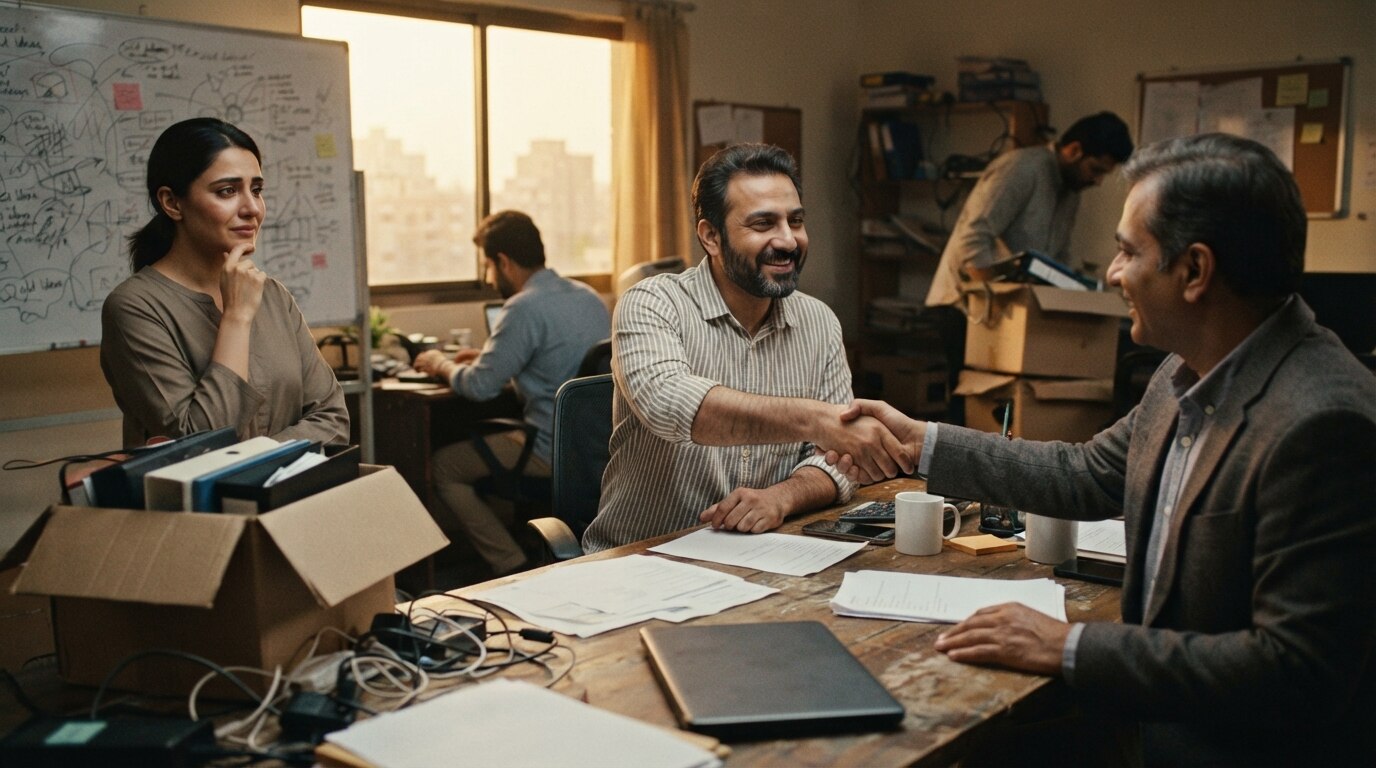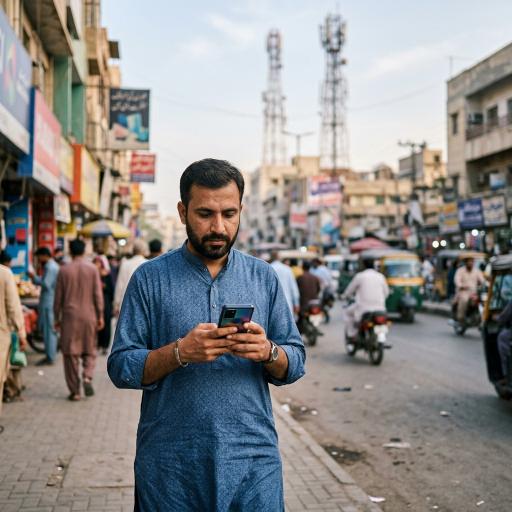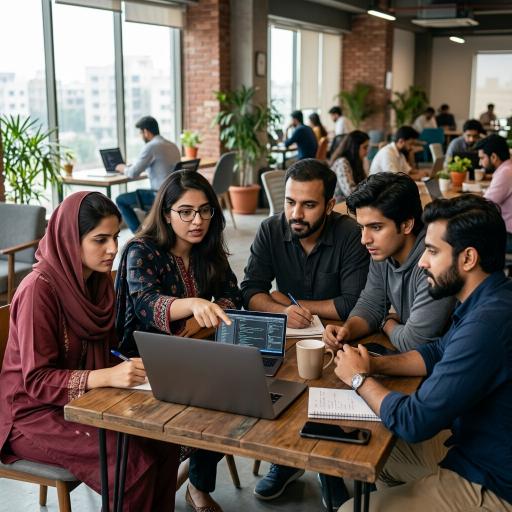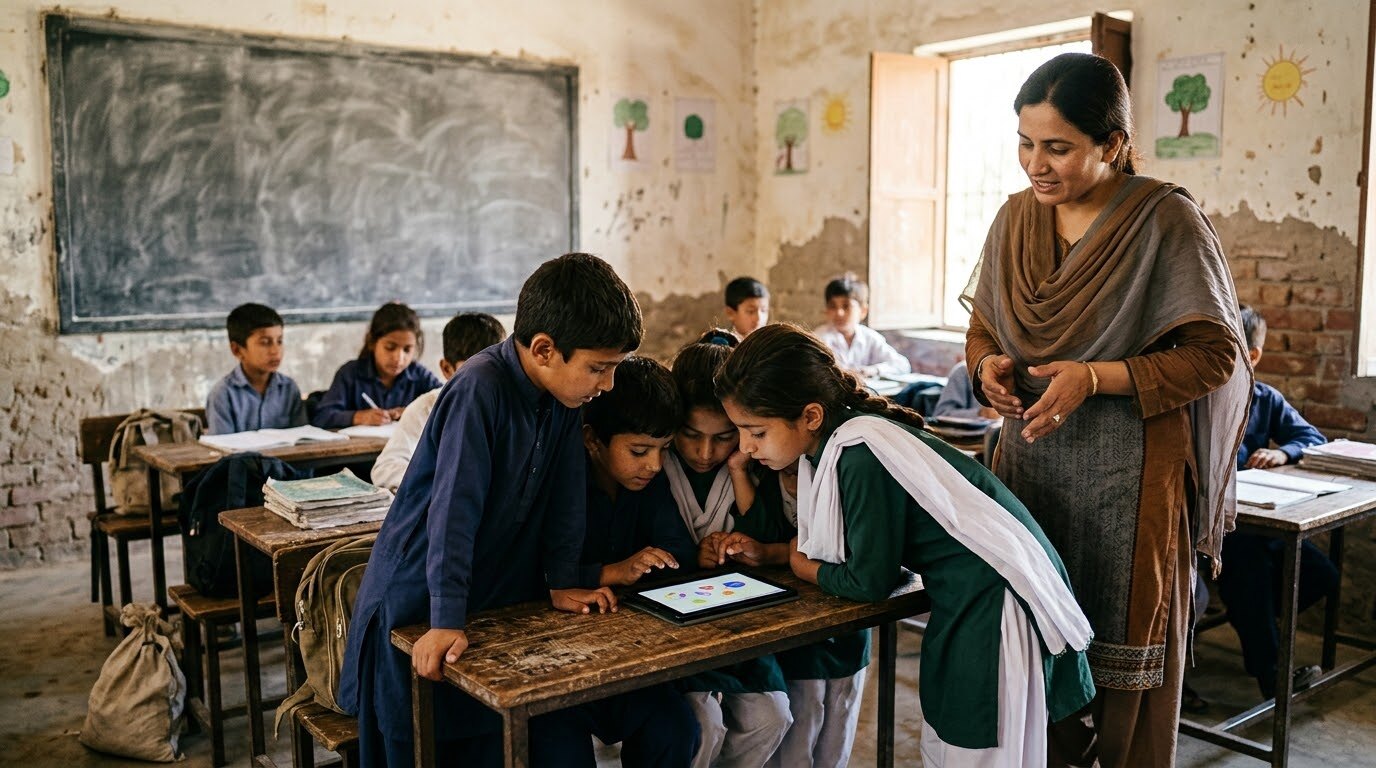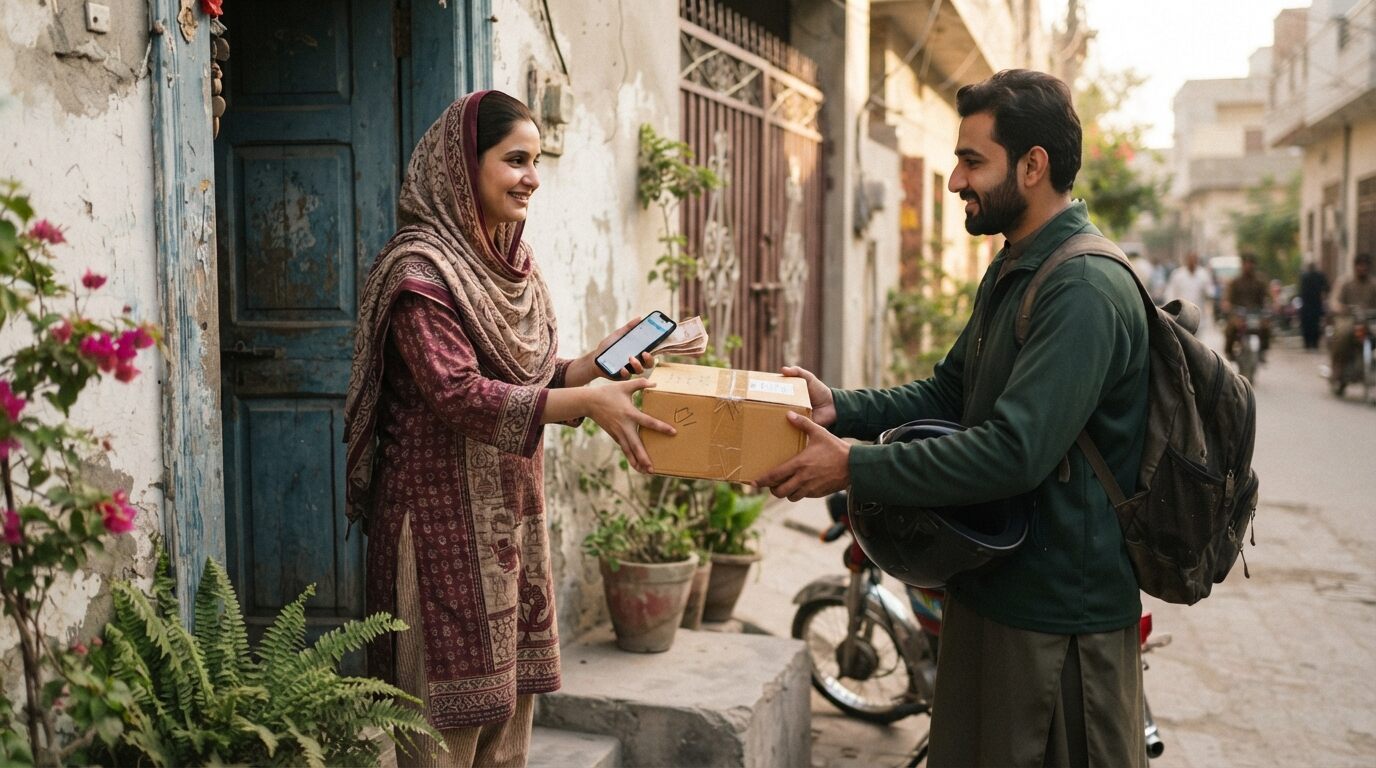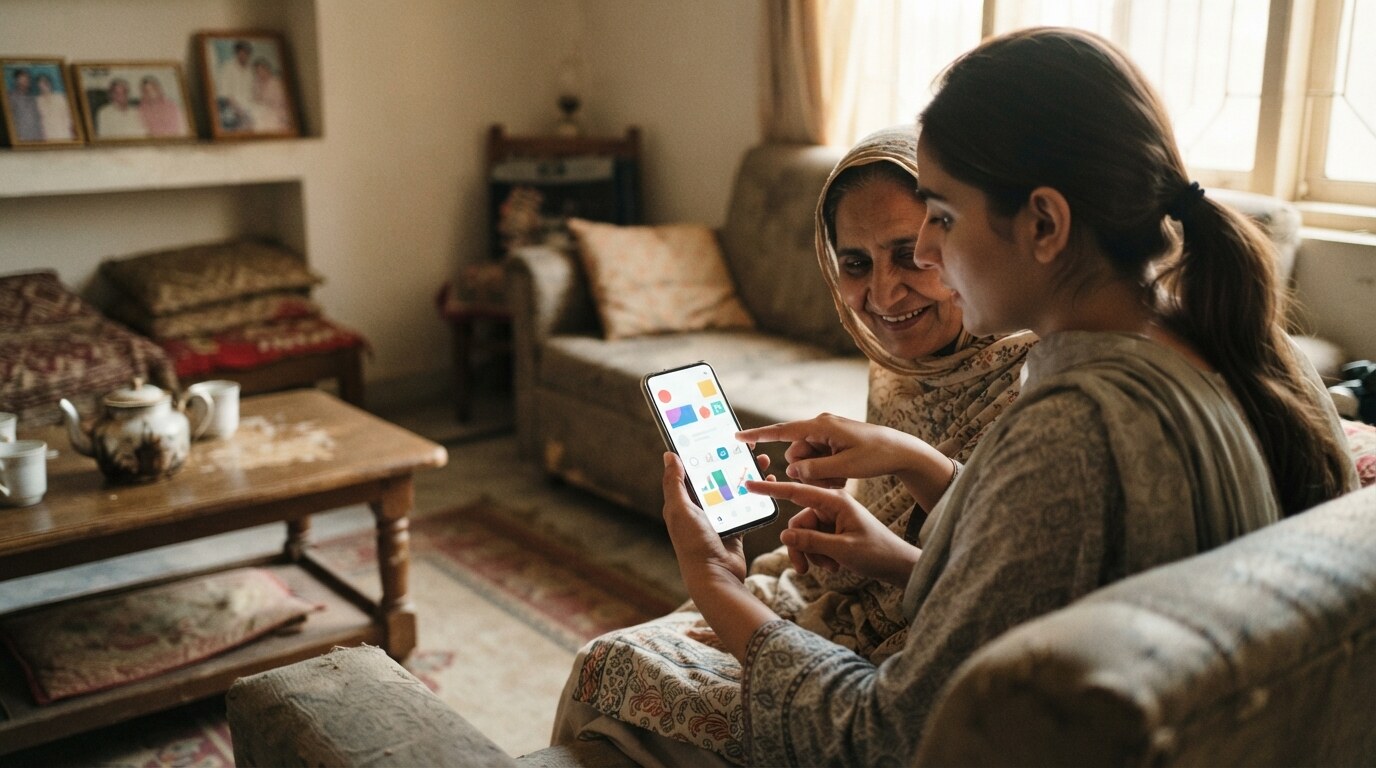
A digital bank is a fully licensed bank that operates entirely through apps and online channels, with no physical branches. Under the State Bank's Digital Bank framework, Pakistan now has its first licensed digital banks (Easypaisa Bank being the first), which, unlike mobile wallets, can accept deposits and lend money like traditional banks, but branchlessly.
Remember the last time you opened a bank account? The paperwork, the queue, the trip to a branch? For a growing number of Pakistanis, that whole experience is becoming optional, because Pakistan now has its first genuine "digital banks": fully licensed banks that live entirely in your phone, with no branches to visit at all.
This is a significant evolution in how Pakistanis bank. But it also creates confusion: how is a "digital bank" different from the mobile wallets (like JazzCash and Easypaisa) people already use? Is it different from a normal bank with an app? And will these digital banks eventually replace traditional banks and branches altogether? Here's a clear explainer of what Pakistan's new digital banks actually are, how they differ from what came before, and what they mean for how you'll bank in the future.
Let's start with a clear definition, because the term gets used loosely. A digital bank is a fully licensed bank that provides banking services primarily, or entirely, through digital channels (apps and online), without relying on physical branches. It's a real bank, legally and functionally, just one that operates branchlessly, in your phone rather than on the high street.
Crucially, a true digital bank is a licensed bank, meaning it can do the core things banks do: accept deposits, offer accounts, provide loans/credit, and more, all under proper banking regulation and oversight. The key difference from a traditional bank isn't what it does, but how: no branches, no physical paperwork queues, everything handled digitally, from opening your account (often in minutes via an app, using your CNIC and a selfie) to transfers, payments, savings, and borrowing. The State Bank of Pakistan deliberately created a framework to enable these, recognizing that fully-digital banking can expand access, cut costs, and modernize finance. So a digital bank is best understood as "a complete bank, delivered entirely through your phone." That's genuinely new for Pakistan.
Pakistan didn't let digital banks emerge in a regulatory vacuum, the State Bank created a proper framework, which is worth understanding. The SBP introduced a Digital Bank Regulatory Framework that creates two new categories of fully-digital banks.
The two types are: Digital Retail Banks (DRBs), which focus primarily on retail customers, everyday individuals and small businesses, providing digital banking services (accounts, payments, deposits, lending) to the mass market. And Digital Full Banks (DFBs), which can serve a broader range of customers, including larger businesses, with a fuller scope of banking services. Both are allowed to accept deposits and lend money (real banking functions), but operate under phased capital requirements and close regulatory oversight to ensure they're sound and safe. This framework is significant because it means digital banks in Pakistan are properly licensed and regulated, not unregulated apps, giving customers the protections of the formal banking system. It also signals the SBP's serious intent to modernize Pakistani banking and expand financial inclusion through technology. The framework is the foundation that makes genuine digital banking possible and trustworthy in Pakistan.
The framework isn't just theory, it's already in practice, with a familiar name leading. Easypaisa, one of Pakistan's best-known mobile money brands, has upgraded to become a licensed digital bank (Easypaisa Bank, granted digital-bank status), making it the first example of the new framework in action.
This is notable for a few reasons. It shows the transition of a hugely popular mobile-wallet brand into a more comprehensive, licensed digital bank, a natural evolution from "wallet" to "full bank." It validates the framework and the model, Pakistan's first digital bank is a real, operating entity, not a distant plan. And it signals what's coming: more players are expected to follow, with various fintechs and institutions pursuing digital-bank licenses, so Easypaisa is likely the first of several. For millions of Pakistanis who already use Easypaisa as a wallet, its evolution into a digital bank means access to fuller banking services (proper accounts, savings, lending) through the same familiar app. It's a concrete sign that digital banking in Pakistan has genuinely arrived, and from a brand people already trust and use.
Here's the part that clears up the most confusion, and it's genuinely useful to understand the distinctions. Pakistanis now have three overlapping options, and knowing the differences helps.
Let's distinguish them. Mobile wallets (classic JazzCash, Easypaisa wallet, etc.): primarily for payments, transfers, and basic financial services, convenient and widespread, but historically more limited in scope (not full banking, often with transaction/balance limits, not the same as holding a full bank account). Traditional banks: full-service licensed banks with the complete range of services, but delivered largely through branches and physical processes (plus apps), involving paperwork, queues, and physical presence for many things. Digital banks (the new category): full licensed banks (like traditional banks in capability, deposits, lending, accounts) but delivered entirely digitally (like wallets in convenience, no branches). In essence, a digital bank combines the full capability of a traditional bank with the pure digital convenience of a wallet. The lines do blur, wallets are expanding, traditional banks have strong apps, and some wallets (like Easypaisa) are becoming digital banks, but the key distinction is that a digital bank is a complete, licensed bank operating entirely digitally, offering more than a basic wallet while being far more convenient than a branch-based traditional bank. Understanding this helps you choose what fits your needs.
Beyond convenience, digital banks carry real significance for Pakistan, and it's worth appreciating. Their potential benefits align closely with Pakistan's biggest financial needs.
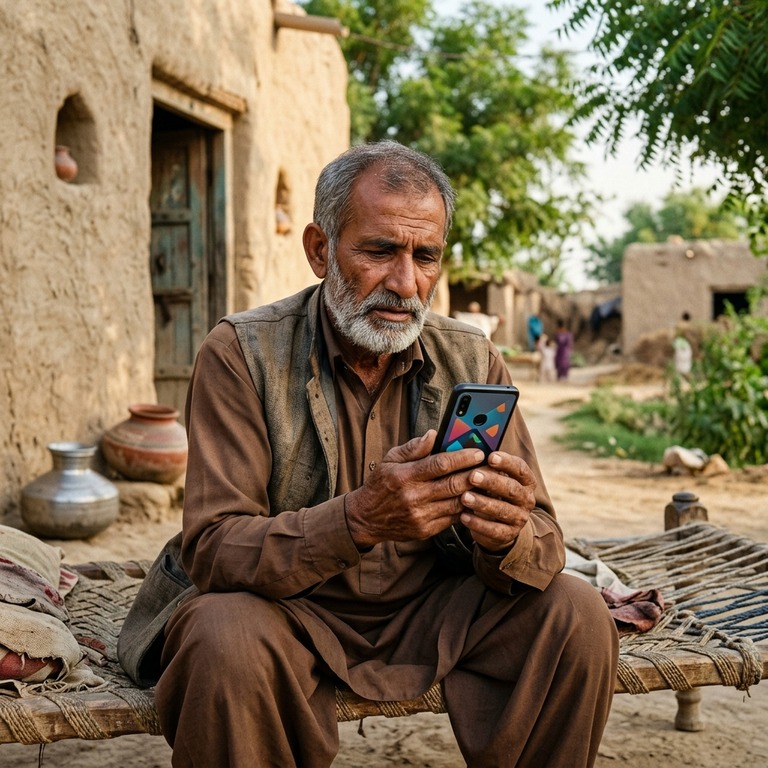
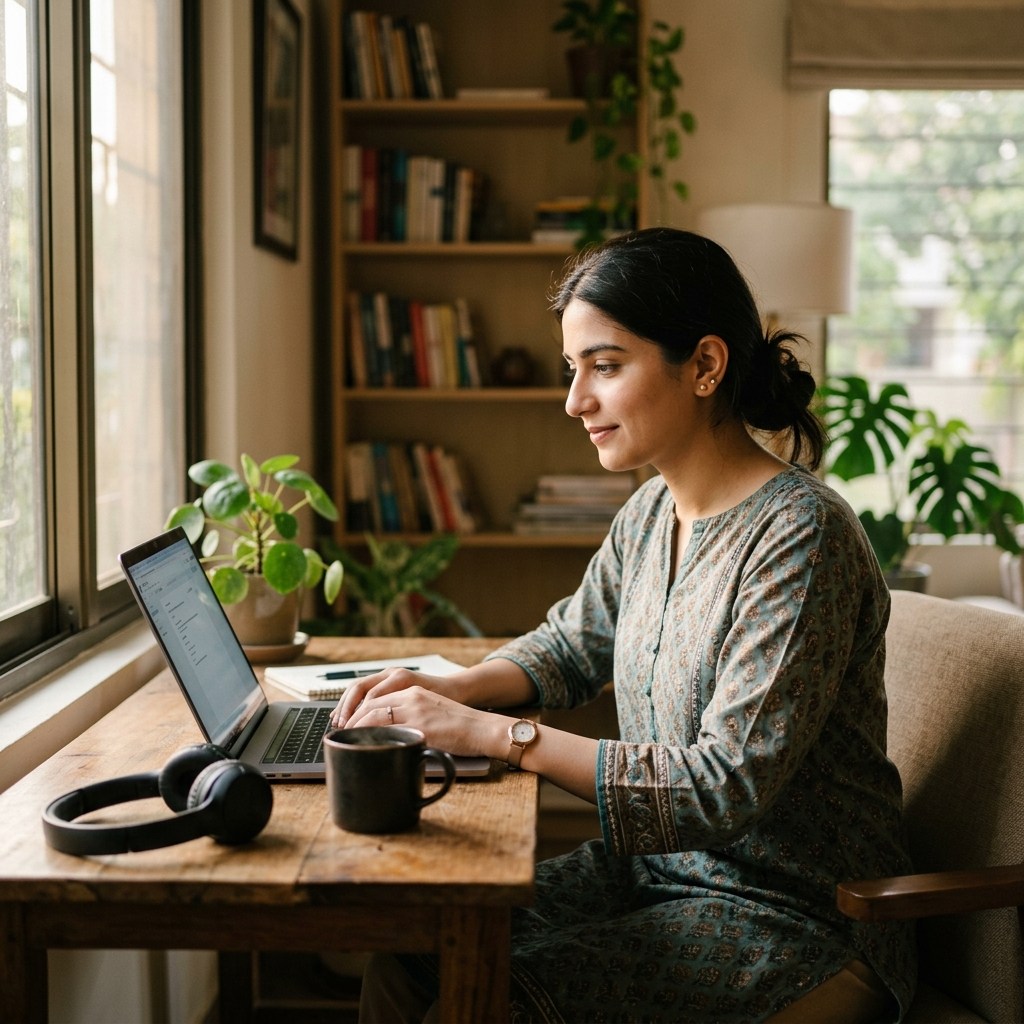
Consider the value. Financial inclusion: digital banks can reach people who find traditional banking inaccessible (no nearby branch, intimidating paperwork), opening accounts in minutes via a phone, helping bring more of Pakistan's largely-unbanked population into formal finance. Convenience: banking anytime, anywhere, from your phone, no branches, queues, or paperwork, a genuine quality-of-life improvement. Lower costs: without expensive branch networks, digital banks can potentially offer lower fees and serve customers (including small, low-value accounts) more affordably. Faster, better service: digital-first banks often provide quicker account opening, instant services, and more modern user experiences. Innovation and competition: digital banks push the whole sector to innovate and improve, benefiting all customers. And serving the underserved: they can tailor services to groups traditional banks overlook (freelancers, young people, small businesses, rural users). So digital banks aren't just a tech novelty, they're a potentially powerful tool for financial inclusion, convenience, and modernization in a country that genuinely needs all three. That's why the SBP is enabling them, and why they matter.
Balance matters, so let's be realistic, because digital banks won't instantly replace traditional banks, branches, or cash. Several honest factors temper the revolution.
A few realities. They're new and still scaling, digital banks are just launching in Pakistan; it'll take time to build trust, services, and customer bases. Trust and habit, many Pakistanis (especially older or less tech-comfortable people) still trust and prefer physical branches and cash, and changing deeply-ingrained habits takes time. The digital divide, as we've discussed, many Pakistanis lack reliable internet, smartphones, or digital skills, limiting who can use digital banks (they serve the connected, not yet everyone). Cash dependence, Pakistan remains heavily cash-based; digital banking grows alongside, but doesn't erase, cash. Some needs still suit branches, certain complex transactions, large cash handling, or those who simply prefer in-person service. And traditional banks are adapting too, with their own strong digital offerings, blurring the lines. So digital banks are a significant, growing addition to Pakistan's banking landscape, and they may eventually reduce reliance on branches considerably, but they're a complement to (and evolution of) the system, not an overnight replacement of traditional banks or cash. Realistic expectations: big shift underway, not instant revolution.
The rise of digital banks has broad significance.
For consumers, digital banks offer more convenient, accessible, and potentially cheaper banking, a genuine improvement, especially for the underserved and digitally-comfortable.
For financial inclusion, by making banking accessible via phone (no branches/paperwork), digital banks could help bring more of Pakistan's unbanked majority into formal finance, a major national goal.
For the banking sector, digital banks inject competition and innovation, pushing traditional banks to modernize and improving the whole industry.
For Pakistan's digital economy, more people in digital banking deepens the shift toward a documented, cashless, modern financial system, supporting broader economic goals.
The balanced takeaway is that digital banks represent a genuine, positive evolution in Pakistani banking, offering real benefits in convenience, inclusion, and modernization, while recognizing they're an addition to (not an instant replacement of) the existing system. The SBP enabling licensed digital banks is a forward-looking move that could meaningfully expand access to proper banking for Pakistanis who find traditional banking inaccessible, and Easypaisa's evolution into the first digital bank shows the model is real and arriving from trusted, familiar brands. For a country with a large unbanked population and a pressing need for financial inclusion, convenient, low-cost, phone-based banking is genuinely valuable.
The practical wisdom for Pakistanis is twofold. First, embrace the convenience and opportunity, if a digital bank suits your needs (easy account opening, convenient phone-based banking, potentially lower fees, good for freelancers and the digitally-comfortable), it's worth exploring; these are properly licensed, regulated banks, offering the protections of the formal system with far more convenience. Second, keep expectations and caution sensible, digital banks are new and scaling, so choose licensed, reputable ones (verify they're SBP-licensed), understand their services and any limits, and recognize that traditional banks, branches, and cash will remain part of the picture for a long time. The broader trajectory is encouraging: digital banks are part of Pakistan's welcome shift toward more accessible, modern, inclusive finance, and over time they could significantly reduce the need to ever visit a branch. For now, they're a valuable new option, embrace them where they fit, bank wisely, and enjoy the growing convenience of having a full bank in your pocket. The branch may not disappear tomorrow, but for many Pakistanis, visiting one is already becoming a choice rather than a necessity.
Expect more digital banks to launch in Pakistan as additional players obtain licenses under the SBP framework, increasing competition, choice, and innovation. Watch for digital banks to expand their services (savings, lending, SME finance, freelancer-friendly features) and user bases, and for traditional banks to respond with stronger digital offerings, blurring the lines further. Over time, reliance on physical branches is likely to decline for many customers, even if branches and cash persist.
For Pakistanis, this means growing options for convenient, accessible, modern banking, and a continued push toward financial inclusion. As digital banks mature and trust builds, they could play a significant role in bringing more of the unbanked into formal finance and modernizing how Pakistan banks. The trajectory is toward a more digital, inclusive, convenient financial future, with digital banks an increasingly important part of it. The era of phone-based, branchless banking in Pakistan has genuinely begun.
Pakistan's arrival of licensed digital banks, fully-licensed banks that operate entirely through your phone with no branches, marks a genuine evolution in how the country banks. Enabled by the State Bank's Digital Bank framework (creating Digital Retail Banks and Digital Full Banks) and led by Easypaisa Bank as the first, with more to follow, these digital banks combine the full capability of a traditional bank (deposits, lending, accounts) with the pure convenience of a mobile wallet (no branches, instant app-based everything). They promise real benefits: greater financial inclusion, convenience, lower costs, and modernization, exactly what Pakistan needs. But they won't replace traditional banks, branches, or cash overnight; they're a significant, growing addition to the landscape, limited for now by scaling, trust, and the digital divide. So will you ever visit a branch again? Increasingly, that's becoming your choice rather than a requirement, especially if you're digitally comfortable. For Pakistanis, digital banks are a valuable new option worth exploring (choosing licensed, reputable ones), and a clear sign that banking here is becoming more accessible, convenient, and modern. The full bank in your pocket has arrived, and for many, the branch is becoming a thing of the past.
This article is for general informational purposes only and reflects the banking landscape and frameworks in 2026, which evolve over time. Details about digital banks, licenses, services, and regulations are as reported by cited sources and may change, always verify that any bank is properly SBP-licensed, understand its services and terms, and check current information through official sources (State Bank of Pakistan) before making financial decisions. This is not financial, banking, or investment advice.
Pakistan now has its first licensed digital banks. A digital bank is a fully licensed bank that provides banking services primarily or entirely through digital channels (apps/online) without physical branches, a real, regulated bank that can accept deposits, offer accounts, and lend money, just delivered branchlessly through a phone.
The State Bank of Pakistan (SBP) created a Digital Bank Regulatory Framework establishing two new categories: Digital Retail Banks (DRBs, focused on retail customers, individuals and small businesses) and Digital Full Banks (DFBs, broader scope including larger businesses). Both can accept deposits and lend, under phased capital requirements and close oversight, so they're properly licensed/regulated, not unregulated apps, giving customers formal-banking protections.
Easypaisa leads: Easypaisa Bank, a well-known mobile-money brand, was granted digital-bank status, becoming Pakistan's first licensed digital bank under the framework, with more players expected to follow. For millions already using Easypaisa as a wallet, this means access to fuller banking (accounts, savings, lending) via the same app.
Key distinctions: Mobile wallets (classic JazzCash/Easypaisa) are mainly for payments/transfers/basic services (convenient but limited, often with transaction/balance limits, not full banking). Traditional banks are full-service but branch-based with paperwork. Digital banks combine the full capability of a traditional bank (deposits, lending, accounts) with the pure digital convenience of a wallet (no branches, instant app-based everything). Lines blur (wallets expanding, banks with strong apps, wallets becoming digital banks), but the core point: a digital bank is a complete licensed bank operating entirely digitally.
Why they matter: financial inclusion (reaching the unbanked via phone, no branches/paperwork, account opening in minutes); convenience; lower costs (no branch networks); faster/better service; innovation/competiti