Inter Tech is a two-year technical intermediate stream from the Federal Board of Intermediate and Secondary Education (FBISE) for students who have passed Matric. Students study academic subjects alongside hands-on technical training and receive a recognised FBISE intermediate certificate, the same board that examines FSc and ICS, graduating with both a qualification and job-ready skills.
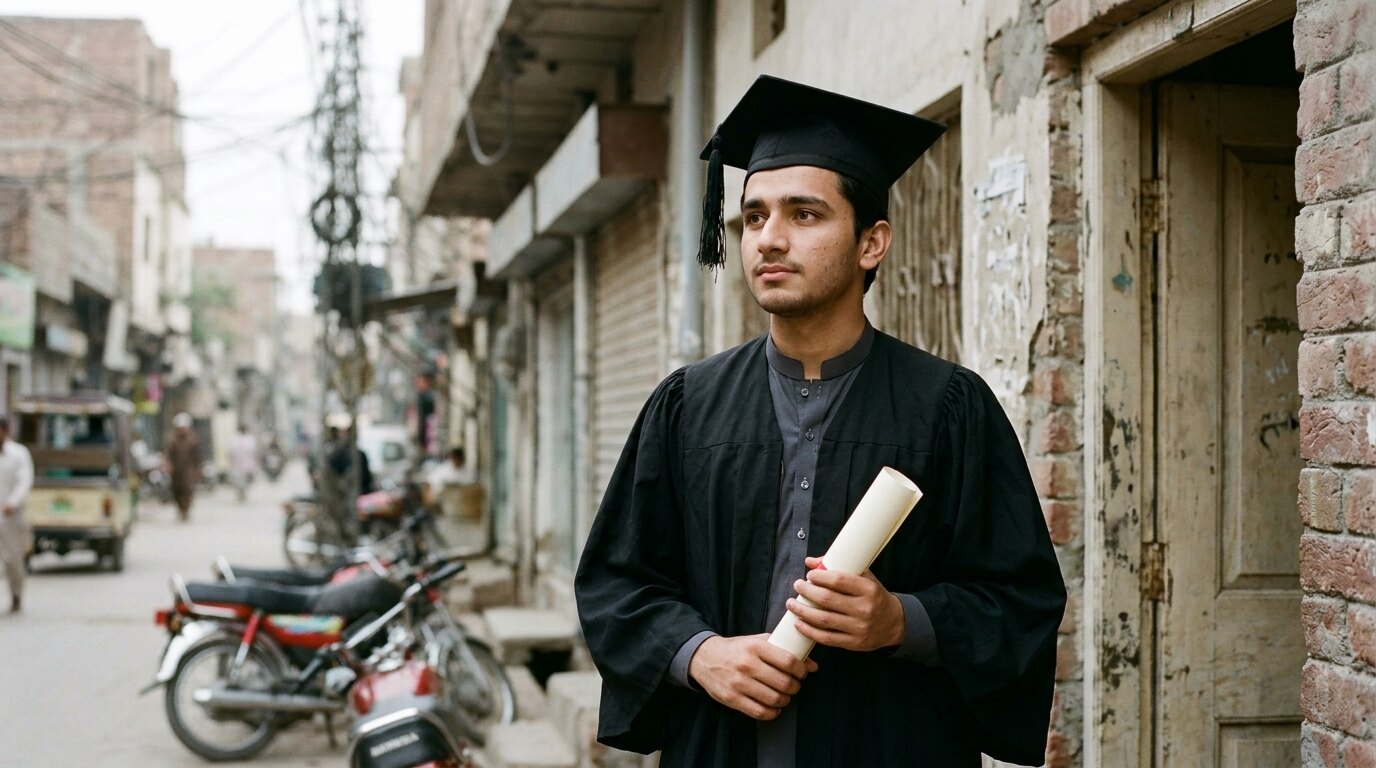
Every year, thousands of students in Islamabad finish Matric and face the same question: FSc, ICS, or something else? For a long time, the answer was essentially a choice between pure academics and leaving formal education for a short skills course. You picked one path, and if you needed the other later, you caught up then. FBISE’s Inter Tech program is changing that. It gives students a full intermediate qualification and practical technical skills at the same time, in the same two years.
For families weighing what comes after Matric, this is a genuinely important development, and one worth understanding properly. So what exactly is Inter Tech, how does it differ from the familiar FSc and ICS, who is it right for, and what should you check before enrolling? Here’s a clear, honest guide to help Islamabad students and their parents make an informed choice. (Important note upfront: no single path is “best” for everyone, the right choice depends on the student, and you should always verify details, like a college’s FBISE affiliation and your target university’s entry requirements, independently.)
Let’s start with the basics. Inter Tech is a technical intermediate stream introduced by the Federal Board of Intermediate and Secondary Education (FBISE). It’s a two-year program for students who have passed Matric, the same intermediate stage as FSc and ICS, but with a different emphasis.
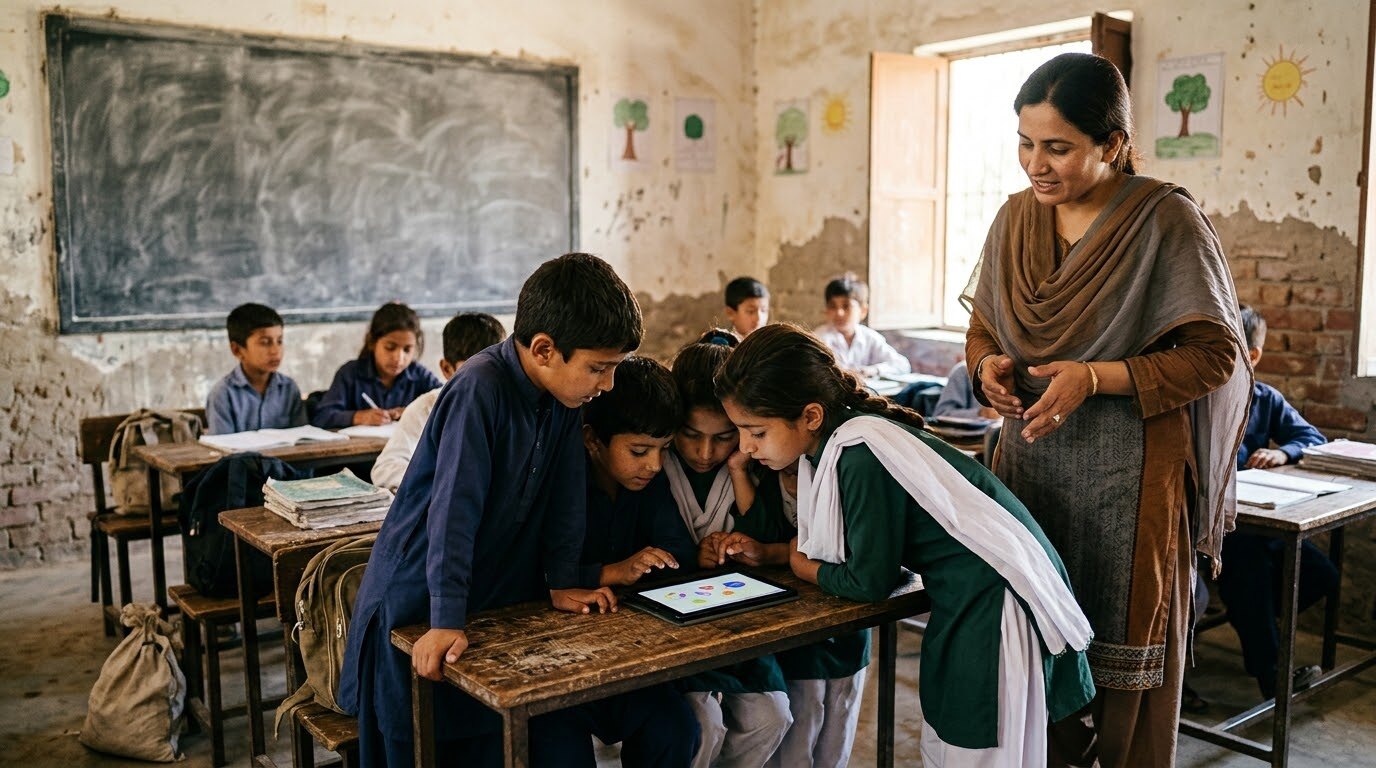
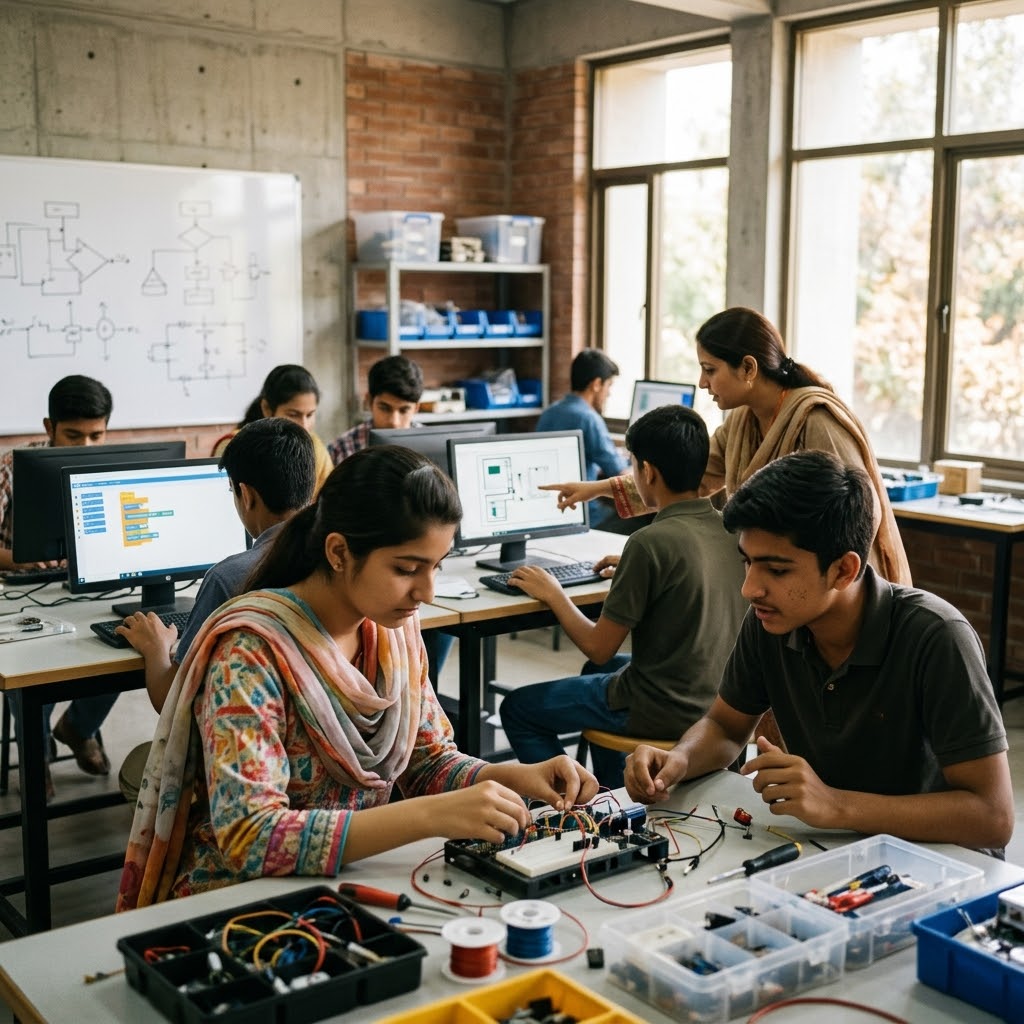
Here’s what makes it distinctive. Students study academic subjects alongside hands-on technical training, and critically, they receive their intermediate certificate from FBISE, the same board that examines FSc and ICS across Islamabad. So it’s a recognised, mainstream intermediate qualification, not an informal or lesser credential. The idea behind it is simple and sensible: Pakistan’s job market increasingly asks for skills, not just certificates. Traditionally, a student had to choose, pursue pure academics (and gain practical skills later, if at all), or leave formal study for a short skills course (and miss out on a recognised intermediate qualification). Inter Tech removes that either-or. It lets students build both a recognised qualification and practical, job-ready technical skills in the same two years, instead of choosing one and catching up on the other later. That combination, a real FBISE intermediate plus hands-on skills, is the heart of what Inter Tech offers.
A natural question for any family: how does Inter Tech compare to the familiar options? Understanding the differences helps you choose well. Each of the three streams has a clear focus.
Here’s how they compare. FSc (Pre-Medical or Pre-Engineering) is built around the sciences and is the traditional route toward medicine and engineering, geared heavily toward the entry tests for those fields. ICS (Intermediate in Computer Science) focuses on computer science and mathematics, a popular route for students interested in computing and IT. Inter Tech adds a strong practical, technical component to the intermediate years, so students graduate not just with academic knowledge but with hands-on technical skills they can use from day one. The key distinction is emphasis: FSc leans toward science academics and professional-field entry tests; ICS toward computing and maths; and Inter Tech toward applied, hands-on technical ability alongside the academic qualification. Importantly, none of these paths is “better” than the others for everyone, each suits different students. The right choice depends entirely on the individual student’s interests, strengths, and goals. A student aiming for medical college will look at FSc; one drawn to computing may consider ICS; and a student who learns best by doing, and who wants a head start on a technical career, should give Inter Tech a serious look. It’s about fit, not ranking.
To decide if it’s right for you (or your child), it helps to know who Inter Tech genuinely suits. It’s designed with a particular kind of student in mind, though it keeps broad options open.
Inter Tech is likely a strong fit for Matric students who: enjoy practical, hands-on work more than pure theory (students who learn best by doing, building, and applying, rather than only studying abstract concepts); want job-ready technical skills by the end of intermediate (so they graduate able to work, not just certified); are interested in technology, technical fields, or starting their own work early (including those who may want to begin earning or freelancing sooner); and still want a recognised FBISE intermediate qualification to keep higher-education options open (so they’re not closing doors). That last point addresses a common, fair concern. Parents often ask whether a technical stream limits future options. The reassuring answer: Inter Tech is a full intermediate qualification from FBISE, so it keeps higher-education pathways open. That said, and this is important to be honest about, students should still check the specific entry requirements of the particular university programs they’re aiming for, exactly as they would with any intermediate stream (FSc, ICS, or Inter Tech alike). Different university programs have different prerequisites, so always verify that your intended stream matches your target program’s requirements. With that due diligence done, Inter Tech offers practical skills without giving up a recognised qualification.
Inter Tech isn’t just an individual choice; it addresses a genuine national problem, which makes it significant. As we’ve written about before, Pakistan faces a serious skills crisis and a persistent gap between education and employment, educated young people who struggle to find work because their qualifications don’t come with the practical, job-ready skills employers actually need.
Here’s why programs like Inter Tech matter in that context: they address the skills gap at the right moment. The usual pattern is that a student graduates with a certificate and then starts searching for skills, often after years of purely academic study that didn’t equip them for the job market. Inter Tech intervenes earlier and better: at 16 or 17, before students commit to a path, it lets them build practical ability during intermediate itself, alongside their qualification. Instead of “qualify first, find skills later,” it’s “build both together, from the start.” That’s a meaningfully smarter approach to the education-to-employment problem, equipping young people with real, applicable skills at a formative stage rather than leaving them to scramble for them afterward. For a country where the disconnect between education and employable skills costs enormously (in wasted potential and lost opportunity), streams like Inter Tech represent exactly the kind of practical, skills-integrated education Pakistan needs more of. It won’t single-handedly solve the skills crisis, but it’s a genuinely useful piece of the solution, delivered at the right time in a young person’s journey.
Cost is a real consideration for many families, so it’s worth knowing that financial support can be available. Scholarships can make a meaningful difference in whether Inter Tech (or any intermediate stream) is accessible.
Eligible Inter Tech students can apply for support through the Pakistan Education Endowment Fund (PEEF), a government-backed scholarship program, alongside merit-based and need-based scholarships offered by individual colleges. The practical advice: if cost is a concern, don’t assume it’s out of reach, ask about scholarships. Specifically, look into PEEF eligibility, and ask each college you’re considering about its own merit and need-based scholarship options. Combining available support can make quality technical education genuinely affordable for deserving students. As always, verify the current eligibility criteria and application processes directly with PEEF and the individual colleges, as these can change. But the key point is that financial support exists, so a motivated student shouldn’t rule out Inter Tech on cost alone without first exploring the scholarship options available to them.
A practical question: where is Inter Tech actually offered? It’s worth knowing that this is still a relatively new stream in Islamabad, so the number of colleges offering it is currently limited, though growing.
One college offering Inter Tech in Islamabad is Uptech Institute, an FBISE-affiliated college with campuses in I-9 Markaz and PWD. Uptech combines the FBISE syllabus with practical, project-based teaching, an approach shaped by its founder’s background in software development, which fits the hands-on, applied spirit of Inter Tech. For families interested in exploring the program, a useful step is to learn more directly: students can find out about the Inter Tech program at Uptech Institute in Islamabad, including how to visit a campus and even sit in on a class before deciding. That “see before you commit” option is genuinely valuable, it lets students and parents judge the teaching and environment for themselves. As the stream grows, more colleges may begin offering Inter Tech, so it’s worth checking for current options too. Whichever college you consider, the due-diligence steps in the next section apply, verify affiliation, ask about teaching, and see a class first.
This is genuinely important, and applies to any college, not just for Inter Tech but for any education decision. Before you pay fees anywhere, ask three key questions to protect yourself and make a sound choice.
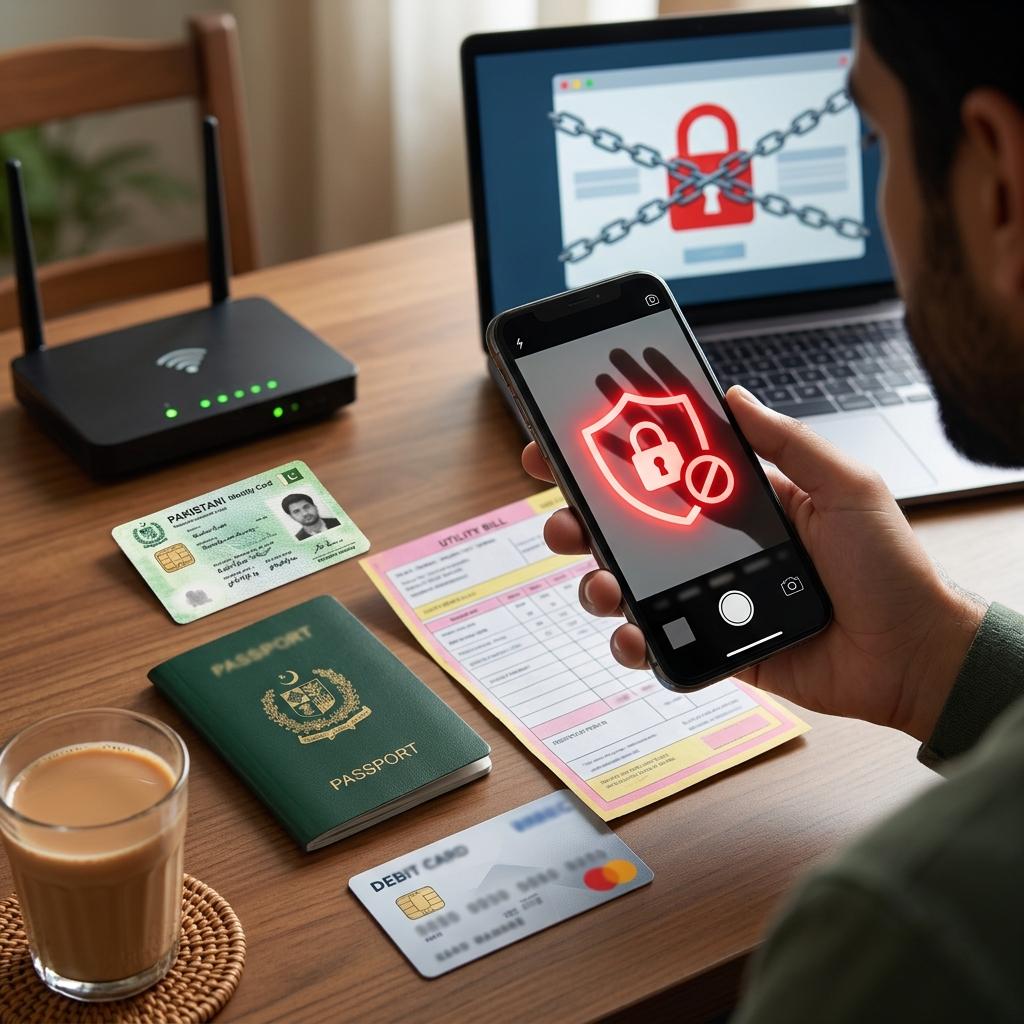
The three essential questions: First, is the college affiliated with FBISE? This is crucial, your qualification is only recognised if the college is genuinely FBISE-affiliated. Critically, check the FBISE website yourself to verify affiliation; don’t rely on verbal claims or marketing. Independent verification protects you from unaccredited or fraudulent setups. Second, who teaches? Ask about the teachers’ qualifications and experience. Good teaching, especially for a practical, skills-based stream like Inter Tech, depends heavily on knowledgeable, experienced instructors. Don’t be shy about asking. Third, can you see a class before paying fees? Visit the campus and sit in on a class if possible, so you can judge the learning environment, teaching quality, and facilities for yourself before committing any money. A reputable college should welcome this. These three checks, verifying FBISE affiliation independently, assessing the teachers, and seeing a class before paying, are your best protection against making a poor or costly choice. They apply to any college and any stream. Do this due diligence, and you’ll choose with confidence.
Inter Tech and streams like it carry real significance for Pakistan.
For students and families, it offers a genuine third option after Matric, a recognised qualification plus practical skills, giving young people a better-equipped start and more informed choice.
For the skills gap, by building job-ready skills during intermediate itself (not after), it tackles Pakistan’s education-to-employment gap at exactly the right, formative moment.
For the economy, more young people graduating with practical, applicable technical skills strengthens Pakistan’s workforce and supports its digital and technical ambitions.
For education reform, streams like Inter Tech represent the kind of practical, skills-integrated education Pakistan needs more of, a positive example of aligning education with real-world needs.
The key point is that Inter Tech represents a genuinely valuable addition to Pakistan’s intermediate education, a third, skills-integrated option that addresses a real gap, and the wise approach for families is to consider it seriously as one of several paths, choosing based on the individual student’s fit and doing proper due diligence. For too long, students after Matric faced an unhelpful either-or: pursue pure academics and gain practical skills later (if at all), or leave formal study for skills and forgo a recognised qualification. Inter Tech’s integration of a full FBISE intermediate qualification with hands-on technical skills is a smart response to Pakistan’s skills crisis, equipping young people with real, applicable abilities at a formative age, rather than leaving them to scramble for skills after graduating with only a certificate. That’s genuinely positive and worth families understanding.
The balanced wisdom is to approach it as exactly that, a valuable option to consider, not a one-size-fits-all answer. No single stream (FSc, ICS, or Inter Tech) is best for everyone; the right choice depends on the student’s interests, strengths, and goals. For a student who learns by doing and wants a head start on a technical career while keeping higher-education options open, Inter Tech is well worth a serious look. For one set on medical college, FSc remains the route; for a computing-focused student, ICS may fit. The practical path for any family is to understand the options honestly, assess the individual student’s fit, check that their intended stream matches their target university programs’ requirements, explore scholarships (like PEEF) if cost is a concern, and do careful due diligence on any college, verifying FBISE affiliation independently, asking about teachers, and seeing a class before paying. Done thoughtfully, these choices set young people up well. Inter Tech’s arrival is one of the more interesting and genuinely useful changes in Pakistan’s intermediate education in years, precisely because it helps close the education-to-skills gap at the right moment. For Islamabad’s Matric students weighing what comes next, it deserves a place in the conversation, considered wisely, chosen for fit, and entered with eyes open. That’s how a good option becomes a good decision.
Expect streams like Inter Tech to grow in availability and popularity as Pakistan increasingly recognises the need to integrate practical skills into mainstream education. As awareness spreads and more colleges offer it (currently it’s still a newer, limited option in Islamabad), more students may choose this skills-integrated path. Watch for the stream to expand, for outcomes (how Inter Tech graduates fare in work and further study) to become clearer over time, and for the model to potentially influence broader education reform toward skills integration.
For students and families, the growing availability of options like Inter Tech is encouraging: it means more informed, better-equipped choices after Matric, and more routes that combine qualifications with employability. For Pakistan, if skills-integrated streams like this expand and prove successful, they could meaningfully help narrow the education-to-employment gap over time. The key, as always, will be quality delivery (good teaching, real skills, recognised qualifications) and families making informed, fit-based choices with proper due diligence. Inter Tech is a promising step in the right direction, and worth watching as it develops.
Inter Tech gives Islamabad students a genuine third option after Matric: a recognised FBISE intermediate qualification together with practical, job-ready technical skills, built in the same two years, rather than choosing between academics and skills and catching up later. It’s a smart, timely response to Pakistan’s skills crisis, equipping young people with real, applicable abilities at a formative age (16 or 17), before they commit to a path, instead of leaving them to search for skills after graduating with only a certificate. For students who want to learn by doing and get a head start on a technical career, and for families who want a qualification that leads to real skills, Inter Tech is one of the most interesting changes in Pakistan’s intermediate education in years. That said, it’s one valuable option among several, not a universal “best”: FSc, ICS, and Inter Tech each suit different students, so the right choice depends on the individual’s interests and goals. The sensible approach is to consider Inter Tech seriously if it fits, keep in mind that it’s a full FBISE qualification that preserves higher-education options (while checking your target programs’ specific requirements), explore scholarships like PEEF if cost matters, and, crucially, do proper due diligence on any college, verify FBISE affiliation yourself on the FBISE website, ask about the teachers, and see a class before paying any fees. In Islamabad, Inter Tech is currently offered at a few colleges, including Uptech Institute (FBISE-affiliated, with campuses in I-9 Markaz and PWD and a practical, project-based approach), where prospective students can even visit and sit in on a class before deciding. For Islamabad’s Matric students weighing what comes next, Inter Tech deserves a real place in the conversation. Understand your options, choose for fit, do your due diligence, and you’ll set yourself, or your child, up for a strong, skills-ready start.
This article is for general informational and educational guidance purposes only. Program details, affiliations, scholarships (including PEEF), fees, campuses, and university entry requirements can change, always verify current information independently: confirm a college’s FBISE affiliation directly on the official FBISE website (fbise.edu.pk), check scholarship eligibility with PEEF and individual colleges, and confirm specific entry requirements with your target universities before making decisions. Mention of any institution is informational and does not constitute an endorsement or a guarantee of outcomes. This is not professional educational or career-counselling advice; consider consulting a qualified counsellor for your specific situation.
Inter Tech is a technical intermediate stream introduced by the Federal Board of Intermediate and Secondary Education (FBISE) in Pakistan. It is a two-year program for students who have passed Matric, in which they study academic subjects alongside hands-on technical training and receive a recognised FBISE intermediate certificate, the same board that examines FSc and ICS. Its purpose: Pakistan’s job market increasingly asks for skills, not just certificates, so Inter Tech lets students build both a recognised qualification and practical, job-ready technical skills in the same two years, instead of choosing one and catching up later. It offers a genuine “third option” after Matric.
How it differs: FSc is built around the sciences and is the traditional route toward medicine and engineering entry tests; ICS focuses on computer science and mathematics; Inter Tech adds a strong practical, technical component so students graduate with hands-on skills usable from day one. No path is universally “better”, the right choice depends on the student’s interests and goals.
Who it suits: Matric students who enjoy practical, hands-on work over pure theory; want job-ready technical skills by the end of intermediate; are interested in technology, technical fields, or starting their own work early; and still want a recognised FBISE qualification to keep higher-education options open. On the common parental concern about limiting options: Inter Tech is a full FBISE intermediate qualification that keeps higher-education pathways open, but students should still check the specific entry requirements of their target university programs, as with any stream.
Why it matters: it addresses Pakistan’s skills crisis and education-to-employment gap at the right moment, at 16 or 17, before students commit to a path, letting them build practical ability during intermediate itself rather than graduating with a certificate and then searching for skills.
Scholarships: eligible Inter Tech students can apply for support through the Pakistan Education Endowment Fund (PEEF), alongside merit and need-based scholarships from individual colleges (verify current criteria directly).
Where to study it in Islamabad: it is still a newer, limited stream. One college offering it is Uptech Institute, an FBISE-affiliated college with campuses in I-9 Markaz and PWD, combining the FBISE syllabus with practical, project-based teaching (shaped by its founder’s software-development background); prospective students can visit a campus and sit in on a class before deciding.
Due-diligence questions for any college: (1) Is it FBISE-affiliated? Verify yourself on the official FBISE website, don’t rely on verbal claims. (2) Who teaches, and what are their qualifications/experience? (3) Can you see a class before paying fees? These protect against poor or fraudulent choices. Bottom line: Inter Tech gives Islamabad students a recognised FBISE intermediate qualification plus practical technical skills, one of the more interesting changes in Pakistan’s intermediate education in years, best chosen for individual fit with proper due diligence. Informational/educational guidance; verify affiliations, scholarships, and university requirements independently; not professional counselling advice.