Pakistan is developing a digital nomad policy to attract foreign remote workers and its tech diaspora, joining 50+ countries with such visas. Pakistan offers genuine draws, very low living costs ($500-800/month), stunning landscapes, improving connectivity, and a growing tech scene, but faces real obstacles: security perception, visa friction, infrastructure gaps, and image, which it must address to compete.
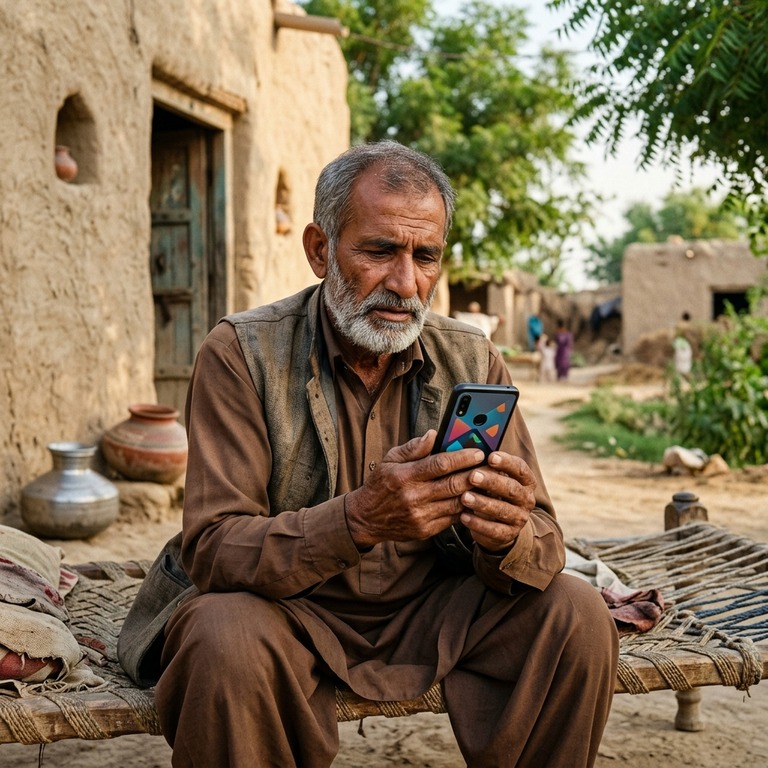
Here's a twist on Pakistan's usual tech story. We talk a lot about Pakistanis working remotely for the world, freelancing and taking remote jobs with foreign companies. But now Pakistan is exploring the opposite: attracting the world's remote workers to come here. The government is developing a "digital nomad" policy, aiming to draw foreign remote workers and its own globe-trotting tech diaspora to live, work, and spend in Pakistan.
It sounds ambitious, maybe even surprising. Can a country more often associated with its own talent going abroad actually become a destination that attracts international remote workers? There's a genuinely interesting case on both sides. Here's what Pakistan's digital-nomad push is about, the real opportunity it represents, the honest obstacles it faces, and a balanced look at whether Pakistan can actually pull it off.
Let's start with the development. Pakistan is developing a digital-nomad policy framework, aiming to attract remote workers (both foreigners and its tech diaspora) by streamlining visa processes and offering incentives. The Ministry of IT & Telecom has signaled intent to create a pathway for remote workers to legally live and work from Pakistan, and the country is currently working out the framework (its nomad-visa status is "developing," versus "active" in countries like the UAE, Portugal, and Indonesia).
This is part of a clear global trend. As remote work became mainstream, over 50 countries now offer dedicated "digital nomad visas", special permits letting remote workers live in a country long-term while earning from foreign employers or clients. Countries do this to boost their economies, attract spending and talent, and revitalize tourism. The global digital-nomad market is large (estimated in the trillions of dollars of economic activity), so there's real competition to attract these mobile, often well-paid remote workers. Pakistan recognizing this opportunity, and moving to join the trend, is a forward-looking step. It's also worth noting Pakistan already has various visa options (e-visas, business visas, visa-on-arrival for many nationalities) that nomads use; the dedicated nomad policy would formalize and ease the pathway. So the plan is real, if still in development.
To understand the ambition, consider why it makes sense for Pakistan, because there's genuine logic. Attracting digital nomads could bring several real benefits.
The motivations include: Foreign-exchange and spending, nomads earn abroad but spend locally (accommodation, food, co-working, travel, services), injecting foreign currency into the economy, valuable for Pakistan. Tourism boost, nomads are long-stay visitors who explore and promote the country, helping revitalize Pakistan's underdeveloped tourism potential. Diaspora engagement, Pakistan has a huge, skilled tech diaspora; attracting them to spend time (and potentially invest, mentor, or build) in Pakistan could benefit the ecosystem. Global image and soft power, nomads who have positive experiences become ambassadors, improving Pakistan's international image, a real need. Ecosystem and knowledge spillovers, international remote workers mingling with local talent can bring ideas, networks, and inspiration. And capturing a growing market, as remote work and nomadism grow, positioning Pakistan to capture some of that mobile talent and spending is strategically smart. So the logic is sound: digital nomads could bring money, tourism, diaspora engagement, better image, and ecosystem benefits, all things Pakistan genuinely wants. The ambition is well-founded.
Here's where it gets genuinely interesting, because Pakistan has real, underappreciated advantages as a nomad destination. This isn't a hopeless pitch; the country offers things nomads actively seek.
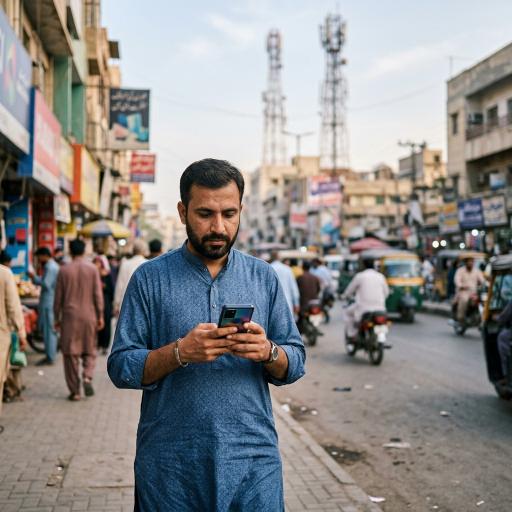
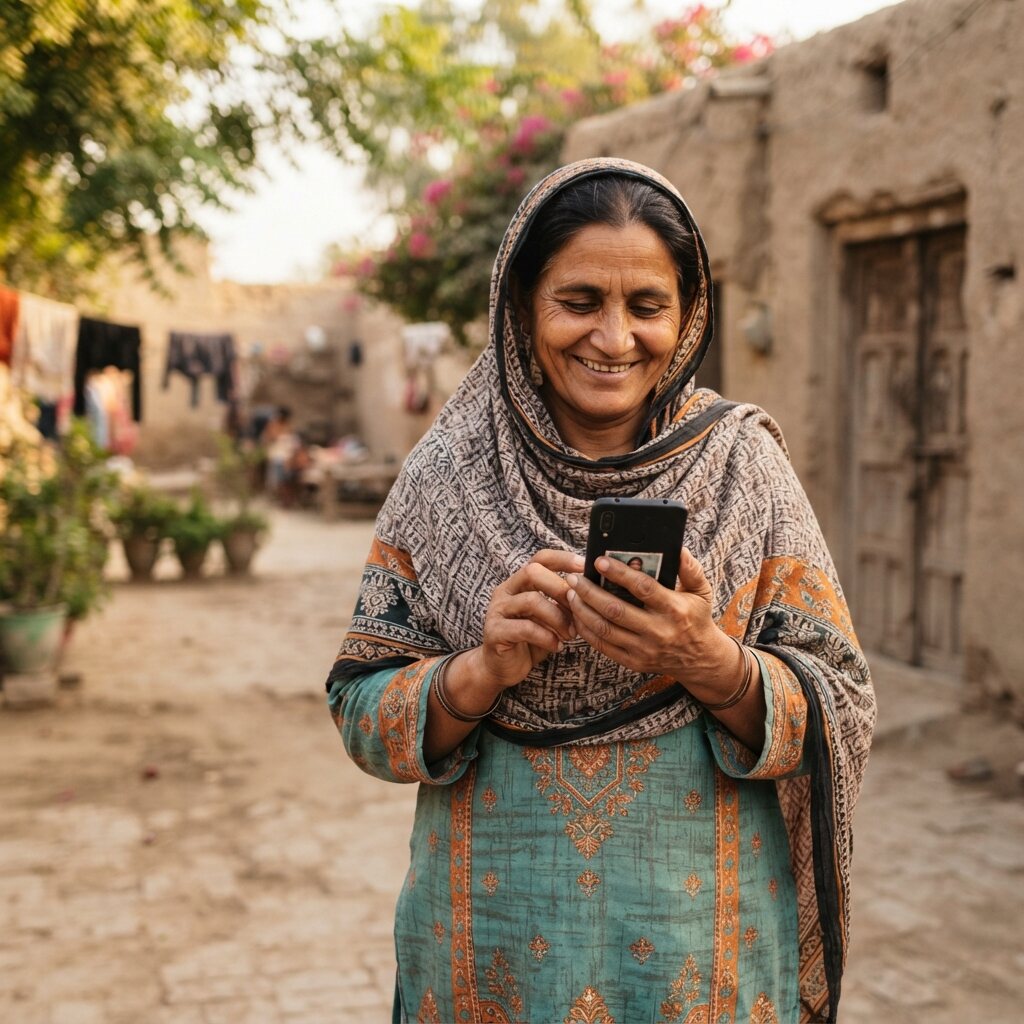
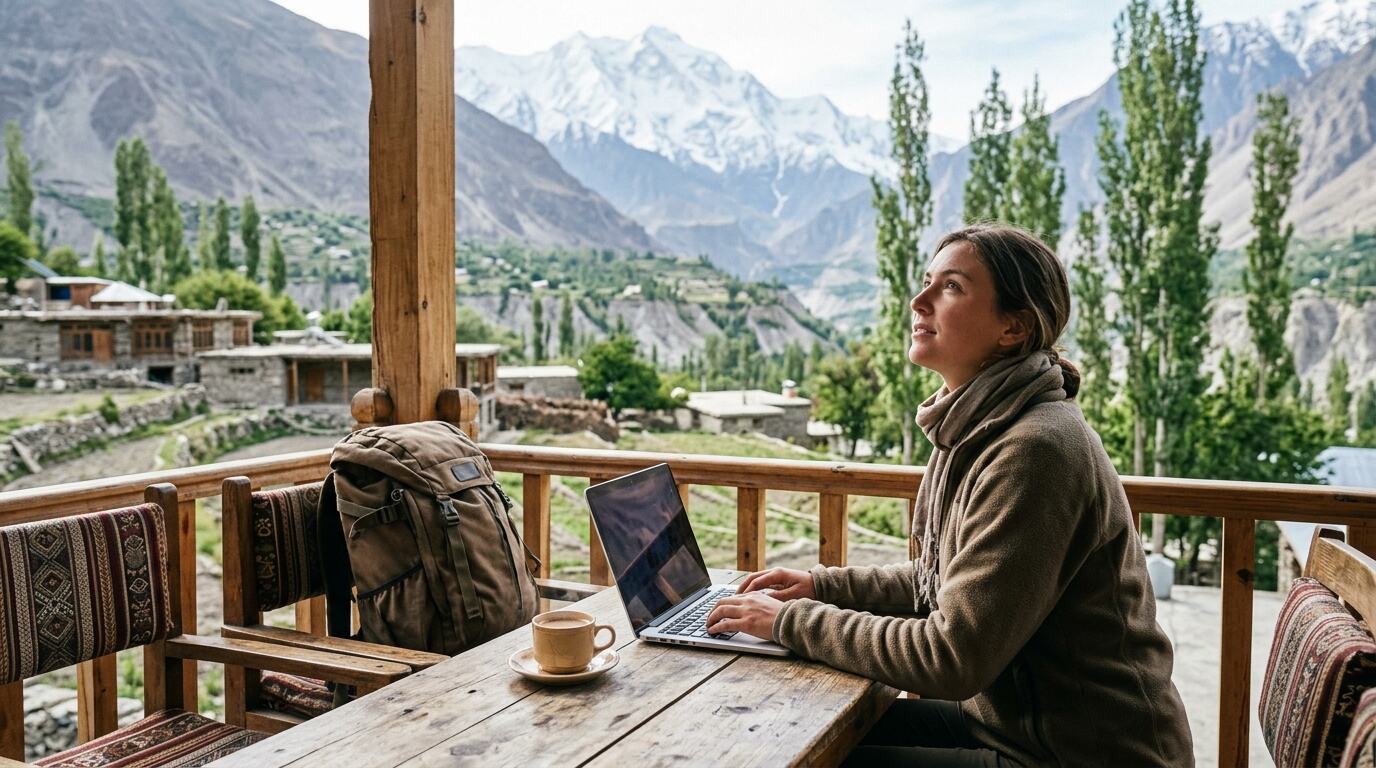
Consider the real draws. Incredibly low cost of living, nomads can reportedly live well in Pakistan on around $500-800/month, dramatically cheaper than most popular nomad hubs, a huge draw for remote workers stretching foreign income. Spectacular, diverse landscapes, from the Karakoram mountains (some of the world's highest peaks) to the Arabian Sea coast, with valleys, lakes, deserts, and historic cities, Pakistan offers world-class, uncrowded adventure and beauty that rivals anywhere. Warm hospitality, Pakistan is genuinely renowned for its welcoming, hospitable culture, something nomads value highly. Improving digital infrastructure, major cities (Lahore, Islamabad, Karachi) have reasonable 4G/5G coverage and a growing number of co-working spaces. A booming tech scene, Pakistan's growing startup and tech ecosystem offers networking, community, and collaboration opportunities for tech-oriented nomads. And rich culture and food, a deep, vibrant culture and famously excellent cuisine add to the appeal. So Pakistan genuinely has a compelling value proposition for the right nomad: extraordinary affordability, stunning adventure, warmth, decent connectivity, and authentic experiences. For adventurous, budget-conscious remote workers, Pakistan could be a genuinely attractive, off-the-beaten-path destination. The raw ingredients are real.
Balance and honesty are essential, so let's confront the serious obstacles, because Pakistan faces real, significant challenges in actually attracting international nomads. The potential is genuine, but so are the barriers.
The honest obstacles include: Security perception, this is likely the biggest, Pakistan has an international image around security that, fair or not, deters many potential visitors; perception often lags reality, but it's a powerful barrier that must be addressed through both genuine safety and image work. Visa friction and access, while some nationalities get easy entry, the overall visa experience and Pakistan's own passport/bilateral dynamics can create friction; a smooth, welcoming nomad visa is essential but not yet fully in place. Infrastructure gaps, while cities have decent connectivity, reliability issues (internet disruptions, power outages) and uneven infrastructure outside major centers can frustrate remote workers who need dependable connectivity. Image and awareness, Pakistan simply isn't on most nomads' radar as a destination; changing that requires serious, sustained marketing and positive experiences. Practical ecosystem gaps, compared to established nomad hubs, Pakistan has fewer nomad-oriented amenities (co-working density, nomad communities, English-language services in some areas, ease of setup). And bureaucracy, ease of doing the practical things (banking, registration, extensions) matters, and can be challenging. So while Pakistan's raw appeal is real, these obstacles, especially security perception and ease of entry/stay, are serious and must be genuinely addressed for the nomad ambition to succeed. Acknowledging them honestly is the first step to overcoming them.
Given the potential and the obstacles, here's what would make Pakistan's nomad ambition actually work. Several priorities stand out.
Key needs: A genuinely smooth, welcoming nomad visa, easy to apply for, generous in duration, clear in rules, so entry isn't a barrier. Address security, and perception, both genuine safety for visitors and serious, honest image/marketing work to shift outdated perceptions (showcasing real nomad experiences). Improve connectivity reliability, ensure dependable internet and power in nomad-friendly areas, since reliable connectivity is non-negotiable for remote workers. Build nomad-friendly ecosystems, develop co-working spaces, nomad communities, and amenities in key cities and scenic areas. Market strategically, actively promote Pakistan to the global nomad community (and the diaspora), highlighting the genuine advantages (cost, adventure, hospitality) and real experiences. Ease the practical stuff, make banking, registration, and daily logistics smooth for foreigners. And start with the diaspora and adventurous early-adopters, Pakistan's own tech diaspora and adventure-seeking nomads are the natural first audience, win them, and they become ambassadors. Get these right, especially the visa, security perception, and connectivity, and Pakistan's genuine appeal could translate into real nomad attraction. Ignore them, and the raw potential stays unrealized.
Pakistan's nomad ambition connects to broader goals.
For the economy, attracting nomads brings foreign spending, tourism revenue, and diaspora engagement, valuable foreign-exchange and economic activity.
For tourism, nomads could help develop Pakistan's underrealized tourism potential, with long-stay visitors exploring and promoting the country.
For the tech ecosystem, international remote workers and returning diaspora can bring ideas, networks, investment, and inspiration, strengthening the local scene.
For global image, positive nomad experiences create authentic ambassadors who can help shift Pakistan's international perception, a genuine soft-power benefit.
The balanced takeaway is that Pakistan's digital-nomad ambition is genuinely smart and holds real potential, because the country's raw appeal (extraordinary affordability, stunning landscapes, warmth, a growing tech scene) is authentic and matches what nomads seek, but realizing it requires honestly and seriously addressing significant obstacles, above all security perception and ease of entry. This is a case where the opportunity and the challenge are both real and substantial. On the opportunity side: Pakistan offers a genuinely compelling, off-the-beaten-path value proposition that could attract adventurous, budget-conscious remote workers, and capturing even a slice of the large, growing nomad market would bring real economic and image benefits. On the challenge side: perception (especially around security), visa and infrastructure friction, and low awareness are serious barriers that won't resolve on their own.
The constructive path is clear: pursue the nomad ambition deliberately and well, create a genuinely smooth, welcoming visa; invest in both real safety and honest image-work to shift perceptions; ensure reliable connectivity in nomad areas; build nomad-friendly ecosystems; market strategically; and start by winning the diaspora and adventurous early-adopters who become ambassadors. Done right, Pakistan could gradually establish itself as a genuinely appealing (if niche, at first) nomad destination, bringing foreign spending, tourism, diaspora engagement, and a brighter image. Done half-heartedly, or with the obstacles unaddressed, the genuine potential will stay unrealized. So the honest verdict is optimistic but conditional: Pakistan absolutely can attract digital nomads given its real advantages, but only if it earns it by seriously tackling the obstacles, especially perception and ease of entry. The raw ingredients for an appealing nomad destination are genuinely there; turning them into reality is the work ahead. It's an ambition worth pursuing, and worth pursuing properly.
Watch for Pakistan to finalize and launch its digital-nomad visa/policy, and for how smooth, welcoming, and well-marketed it is. Watch too for progress on the key enablers: security and perception, connectivity reliability, nomad-friendly infrastructure, and awareness-building. Early success is likely to come first from the tech diaspora and adventurous early-adopter nomads, whose experiences (positive or negative) will shape Pakistan's nomad reputation.
If Pakistan executes well, addressing the obstacles while promoting its genuine advantages, it could gradually build a real (if initially niche) position as a nomad destination, growing over time as perceptions improve and word spreads. If execution falters or obstacles remain, the ambition will struggle despite the raw potential. The trajectory depends on deliberate, serious effort. The encouraging reality is that Pakistan's underlying appeal is genuine and increasingly matches global nomad trends; the task is to make the experience, and the perception, match the potential. It's a long game, but a worthwhile one.
Pakistan's ambition to attract the world's digital nomads, flipping the usual script of its talent going abroad, is a genuinely smart and forward-looking move with real potential. The country offers an authentically compelling value proposition that matches what nomads seek: extraordinary affordability (living well on $500-800/month), spectacular and diverse landscapes from the Karakoram to the sea, famous hospitality, improving connectivity, and a growing tech scene, a genuinely attractive, off-the-beaten-path destination for adventurous, budget-conscious remote workers. But the honest obstacles are serious: security perception (likely the biggest barrier), visa and infrastructure friction, and low awareness. So can Pakistan actually pull it off? The answer is a conditional yes: it genuinely can, given its real advantages, but only if it earns it, by creating a smooth, welcoming visa, seriously addressing both real safety and outdated perceptions, ensuring reliable connectivity, building nomad-friendly ecosystems, marketing strategically, and winning over its diaspora and adventurous early-adopters as ambassadors. The raw ingredients for an appealing nomad destination are genuinely there; the work is turning potential into reality by tackling the obstacles head-on. It's an ambition well worth pursuing, done properly. If Pakistan gets it right, the world's nomads might just discover what adventurous travelers have long known: that Pakistan, for all its challenges, is a genuinely extraordinary place to spend time. The invitation is being written; now Pakistan must make it one the world can't refuse.
This article is for general informational purposes only and reflects developments and information available in 2026, which evolve over time. Policy details (including the digital-nomad visa), visa rules, costs, and conditions are as reported by cited sources and may change, always verify current visa requirements and travel/safety information through official sources before making plans. This article presents the topic non-partisanly. This is not travel, immigration, or financial advice.
Pakistan is developing a digital-nomad policy/visa to attract foreign remote workers and its tech diaspora, a notable inversion of the usual story of Pakistani talent working remotely for the world. The Ministry of IT & Telecom has signaled intent to create a legal pathway for remote workers to live and work from Pakistan (status: "developing," versus "active" in the UAE, Portugal, Indonesia). It's part of a global trend, 50+ countries now offer digital-nomad visas to capture the large (~$1.6 trillion) remote-work economy, boost tourism, and attract spending. Pakistan already has e-visas, business visas, and visa-on-arrival for many nationalities that nomads use; the dedicated policy would formalize/ease the pathway.
Why Pakistan is pursuing it: foreign-exchange and local spending; a tourism boost (long-stay visitors); diaspora engagement; improved global image/soft power; ecosystem/knowledge spillovers; and capturing a growing market.
Pakistan's genuine advantages (the real case): very low cost of living (reportedly $500-800/month, far cheaper than most nomad hubs); spectacular, diverse landscapes (Karakoram mountains to the Arabian Sea, valleys, lakes, deserts, historic cities); renowned hospitality; improving 4G/5G and co-working in major cities (Lahore, Islamabad, Karachi); a booming tech scene; and rich culture and food. For adventurous, budget-conscious remote workers, Pakistan is a compelling off-the-beaten-path destination.
Honest obstacles: security perception (likely the biggest barrier, fair or not, deters many); visa friction and access issues; infrastructure gaps (internet disruptions, power outages, uneven outside cities); low awareness (not on most nomads' radar); fewer nomad amenities than established hubs; and bureaucracy (banking, registration, extensions).
What Pakistan needs to get right: a smooth, welcoming nomad visa; addressing both real safety and outdated perceptions through honest image-work; reliable connectivity in nomad