Pakistan's digital payments are surging: per the State Bank's FY2024-25 review, retail payments reached 9.1 billion transactions worth PKR 612 trillion, with digital channels now 88% of the total. Raast, the free instant payment system, more than doubled and serves 48 million users. Yet cash still dominates due to a persistent "sticky cash culture."
Something quietly transformative is happening in how Pakistanis pay for things. In a country long defined by cash, the majority of transactions are now digital, and the shift is accelerating fast. Billions of payments are flowing through mobile apps, QR codes, and an instant payment system called Raast that most Pakistanis had never heard of a few years ago.
But this is not a simple "Pakistan goes cashless" story. The growth is genuinely impressive, yet the central bank itself is candid that cash remains stubbornly dominant in daily life. Here is the real picture, the numbers, what's driving them, and the honest challenges, of Pakistan's digital-payments revolution.
The scale of Pakistan's digital-payment activity has become genuinely large. According to the State Bank of Pakistan's Annual Payment Systems Review for FY2024-25, retail payments reached 9.1 billion transactions worth PKR 612 trillion, marking a 38% increase in volume and a 12% increase in value year-on-year.
The digital share is the headline story. Digital channels now account for 88% of all retail payments, up from 78% two years earlier (FY23) and 85% the year before (FY24). That steady climb shows a clear, sustained behavioral shift: Pakistanis are increasingly reaching for phones and cards rather than cash for recorded transactions.
Mobile leads the way decisively. Mobile banking apps led with over 6.2 billion transactions, growing 52% year-on-year, while internet banking processed 297 million transactions, up 33%. Notably, e-money wallets, though still a smaller share, were the fastest-growing category, with both volume and value doubling in the year, a sign of rising trust in digital wallets.
At the heart of this shift is a system worth understanding. Raast (meaning "direct" in Urdu) is Pakistan's instant payment system, launched by the State Bank of Pakistan in 2021 to enable free, real-time digital transfers between individuals, businesses, and government.
Its growth has been remarkable. Raast more than doubled in both transaction count and value over the year and now serves around 48 million users, processing roughly two billion transactions and, by some measures, approaching PKR 50 trillion in cumulative value. What makes it powerful is that it is free and instant, removing the cost and delay that once discouraged digital transfers.
Crucially, it is expanding beyond simple person-to-person transfers. The rollout of Raast Person-to-Merchant (P2M) services marks a transformative step, letting people pay shops and businesses directly, reducing reliance on costly card infrastructure, enabling faster settlements, and creating a transparent digital trail that pulls more people into the formal financial system. This is the foundation on which much of Pakistan's cashless future is being built.
This growth did not happen by accident, it rests on deliberate infrastructure building. The point-of-sale (POS) network expanded to nearly 195,849 terminals across more than 159,000 merchant locations, with close to one million card payments processed daily, up from 0.7 million the year before.
The backbone systems are being modernized too. In August 2025, the SBP launched PRISM+, an upgraded real-time interbank settlement system adopting the global ISO 20022 messaging standard to improve the speed, efficiency, and security of large transactions. Even government disbursements are going digital, with Raast's bulk-payment functionality now used for payroll, vendor payments, and other settlements. Innovative pilots, like digital payment acceptance at cattle markets during Eid, show the push reaching everyday Pakistani life.
The significance goes far beyond convenience. Digital payments create a transparent financial trail that helps document Pakistan's large informal economy, expands access to formal banking, improves tax visibility, and reduces the costs and risks of handling cash.
For overseas Pakistanis, the digital shift is also paying off. Roshan Digital Account inflows crossed $11 billion with over 890,000 active accounts, channeling diaspora money into the formal system digitally. And financial inclusion, a core national goal, advances every time someone moves from cash to a documented digital account. The government aims to lift adult financial inclusion significantly in the coming years, and digital payments are the primary vehicle.
Here is where balance matters, and the SBP itself is refreshingly honest about it. Despite the impressive digital growth, cash remains deeply entrenched in everyday Pakistani life.
The evidence is clear in the data. ATMs, now exceeding 20,000 nationwide, are still overwhelmingly used for cash withdrawal, about 98% of ATM activity involves dispensing cash rather than depositing it. The SBP describes this persistent reliance as Pakistan's "sticky cash culture," rooted in deep-seated habits and trust deficits that slow the migration to digital modes.
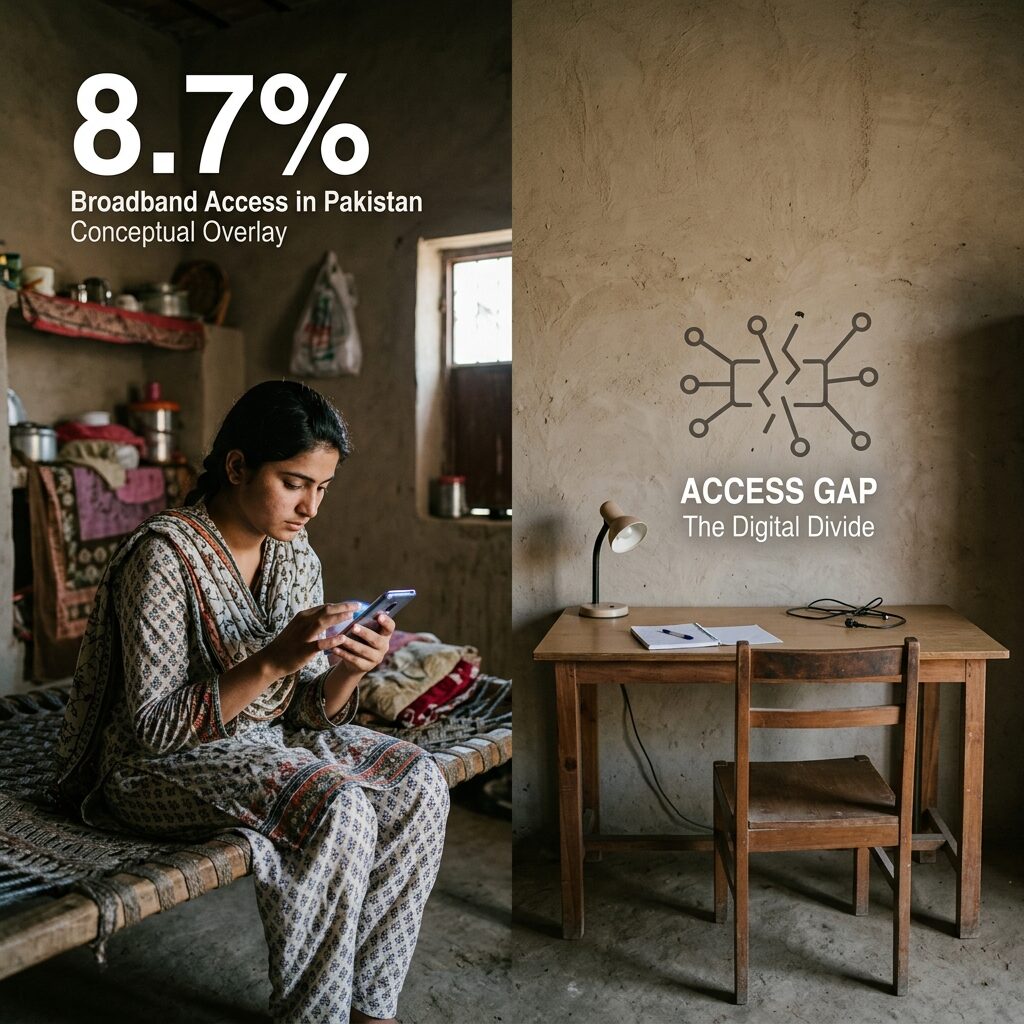
Adoption is also uneven. The review candidly notes that adoption varies across socioeconomic and geographic segments, with many regions underserved due to low digital literacy, patchy internet connectivity, and inconsistent liquidity among the country's 731,814 branchless banking agents. There are also regulatory bottlenecks and interoperability issues between banks, electronic money institutions, and fintech platforms that need resolving.
And for perspective, financial inclusion still lags regionally, only about a quarter of Pakistan's adult population has an account, compared with much higher rates in countries like India and Indonesia. So while the digital transaction numbers are huge, they partly reflect heavy use by those already in the system, rather than everyone being included.
The shift creates real, practical effects across society.
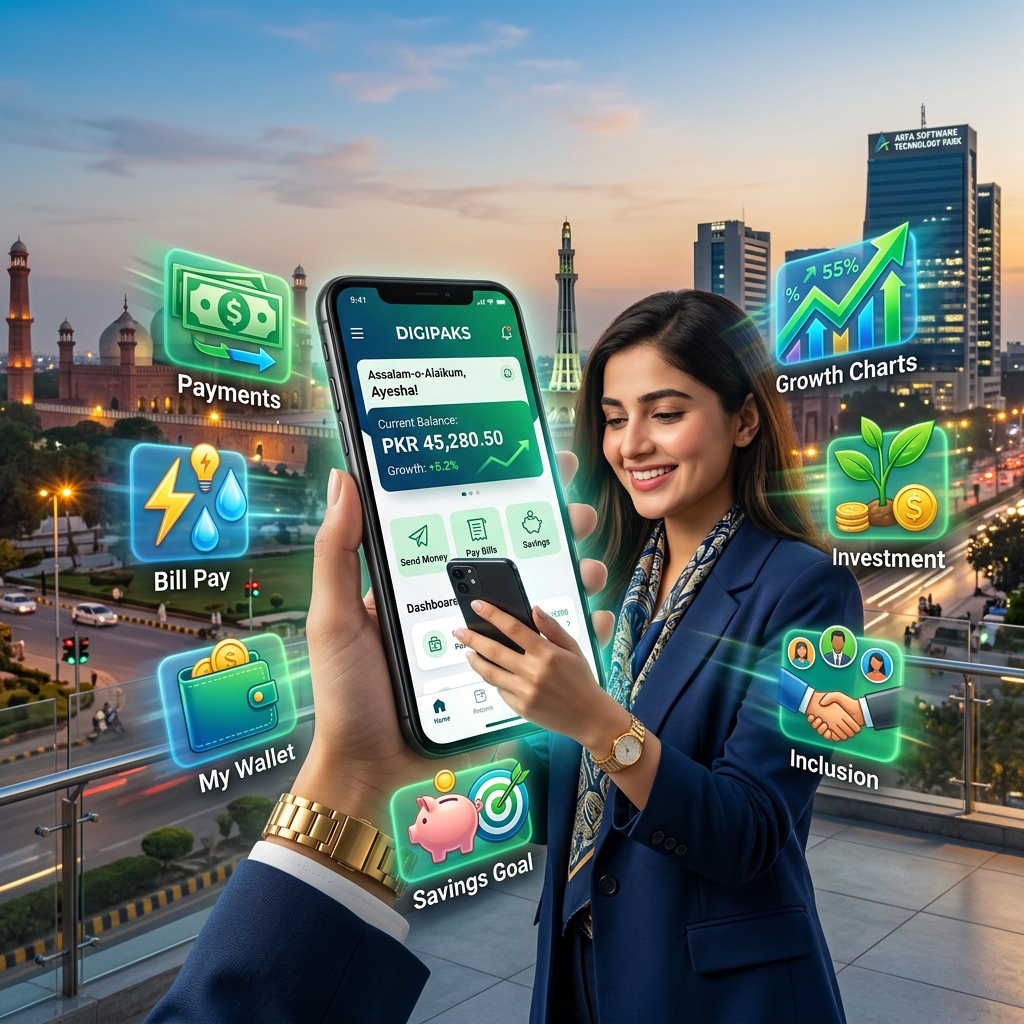
For consumers, digital payments mean convenience, speed, and safety, no need to carry large amounts of cash, and instant free transfers via Raast. As P2M expands, paying shops digitally becomes easier everywhere.
For businesses and merchants, accepting digital payments (especially low-cost Raast) reduces cash-handling costs and creates a transaction record useful for accessing credit and formalizing operations.
For freelancers and the digital economy, robust digital rails complement the banking reforms that make receiving and using money easier, reinforcing Pakistan's growing online economy.
For the fintech sector, this expanding ecosystem is fertile ground, one reason Pakistan has been called a fintech rising star, with wallets and payment startups growing rapidly on top of this infrastructure.
The clear lesson from the SBP's data is that Pakistan has largely built the infrastructure for a digital-payment economy, Raast, POS networks, PRISM+, wallets, and now the harder work is cultural and inclusive adoption.
Building the rails is necessary but not sufficient. The remaining challenge is behavioral and structural: overcoming the trust deficit and cash habit, extending reliable connectivity and digital literacy to underserved areas, ensuring smooth interoperability, and genuinely including the roughly three-quarters of adults still outside formal banking. These are harder than laying infrastructure, but the foundation now exists to tackle them.
The encouraging reality is that the trajectory is unmistakable, digital's share has risen every year, and tools like free instant P2M payments directly attack the reasons people cling to cash. Pakistan's cashless transition is clearly underway; the question is pace, not direction.
Expect the digital share to keep climbing as Raast P2M spreads, wallets grow, and more merchants accept digital payments. Watch for deeper financial inclusion as these tools reach underserved populations, and for continued government and SBP pushes to reduce cash in circulation.
The bigger prize is converting transaction growth into genuine inclusion, bringing the unbanked majority into the system. If Pakistan pairs its strong infrastructure with sustained efforts on trust, literacy, and access, the "sticky cash culture" will gradually loosen, and the digital economy the country is building will reach far more of its people.
Pakistan's digital-payments story is genuinely impressive: 9.1 billion transactions, 88% now digital, and a homegrown instant payment system in Raast that is quietly transforming how money moves. It reflects real, sustained progress and smart infrastructure building. Equally important is the honesty the central bank itself shows, cash still rules daily life, adoption is uneven, and most adults remain outside formal banking. Both truths matter. Pakistan has built the foundation of a cashless economy; the coming years are about extending it to everyone. For a country modernizing its financial system, that is a story of real momentum, and real work still ahead.
This article is for general informational purposes only and reflects figures from the State Bank of Pakistan's Annual Payment Systems Review for FY2024-25 and related reporting available in 2026. Statistics are as reported by the SBP; figures can be revised. This is not financial advice.
Pakistan's digital payments are surging, per the State Bank of Pakistan's (SBP) Annual Payment Systems Review for FY2024-25. Retail payments reached 9.1 billion transactions worth PKR 612 trillion, up 38% in volume and 12% in value year-on-year. Digital channels now account for 88% of all retail payments, up from 78% in FY23 and 85% in FY24. Mobile banking apps led with 6.2 billion transactions (up 52%), internet banking processed 297 million (up 33%), and e-money wallets grew fastest (volume and value doubling).
Central to the shift is Raast ("direct" in Urdu), Pakistan's free instant payment system launched by SBP in 2021. It more than doubled in transaction count and value, serves ~48 million users, processed ~2 billion transactions, and is approaching PKR 50 trillion cumulatively. Its new Person-to-Merchant (P2M) service lets people pay shops directly, reducing reliance on costly card infrastructure and building a transparent digital trail. Infrastructure expanded too: ~195,849 POS terminals, ~1 million daily card payments, and the August 2025 launch of PRISM+ (upgraded RTGS using ISO 20022).
Honest challenges (flagged by SBP itself): cash still dominates daily life, ~98% of ATM use is cash withdrawal, a "sticky cash culture" driven by habit and trust deficits. Adoption is uneven due to low digital literacy, patchy connectivity, and inconsistent branchless-agent liquidity (731,814 agents). Only about a quarter of adults have formal accounts (vs much higher in India/Indonesia), plus regulatory/interoperability bottlenecks.
Significance: digital payments document the informal economy, expand financial inclusion, improve tax visibility, and cut cash-handling costs. Pakistan has built strong payment infrastructure; the remaining work is cultural adoption and inclusion.
Figures are official SBP FY25 data as reported; informational only, not financial advice.