Under Pakistan’s 2026 tax changes, FBR registration is now mandatory for online sellers (regardless of size), and an 18% sales tax applies to many digital sales. Online marketplaces and payment/courier intermediaries are required to collect and deposit tax on sellers’ transactions. The era of informal, cash-based online selling is ending, so sellers should register and comply.
If you sell anything online in Pakistan, on Daraz, your own store, Instagram, Facebook, TikTok, or anywhere else, there is an important change you need to know about: the government is now taxing online selling, and the rules have tightened significantly. Under Pakistan’s 2026 tax legislation, registering with the Federal Board of Revenue (FBR) has become mandatory for digital sellers, and a sales-tax regime now applies to online sales. In short, the era of informal, cash-based online trading is ending.
This matters for everyone from large e-commerce businesses to small home-based sellers and resellers. It brings real compliance obligations (and costs), but also, arguably, a more legitimate, trusted, formal industry. So what exactly has changed, who is affected, what do you now need to do, and how do you navigate it without panic? Here is a clear, practical explainer. (Important upfront: this is general information, not tax advice. Tax rules are complex, vary by situation, and change, so always verify the current requirements with the FBR and a qualified tax professional before acting.)
Let’s start with the core changes, because the shift is significant. Historically, much of Pakistan’s online selling, especially by small and home-based sellers, operated informally and in cash, largely outside the tax net. That is now changing through new tax legislation (introduced via the 2026 Finance Act and related measures).
The key changes include: FBR registration is now mandatory for digital/online sellers, reportedly regardless of revenue size or business structure, meaning even small online sellers are now expected to be registered with the tax authorities. A sales-tax regime applies to online sales: businesses supplying goods or digital services online are subject to sales tax (commonly 18%) where they meet the applicable registration thresholds, which must be collected and remitted. And crucially, the system now pulls intermediaries into tax collection: online marketplaces (like Daraz and others), banks and payment providers, and couriers/logistics companies are being required to collect and deposit tax on behalf of, or in relation to, sellers’ online transactions. This last point is the game-changer: because the platforms, payment channels, and couriers that sellers rely on are now part of tax collection, it becomes very difficult for online sellers to operate “off the books.” In effect, Pakistan has moved to formalize and tax the online-selling sector systematically. For sellers used to informal operation, this is a real, significant shift that requires attention and action.
A natural question: does this apply to me? The short answer is that it affects a very broad range of online sellers, so most people selling online should assume they need to pay attention. Let’s clarify.
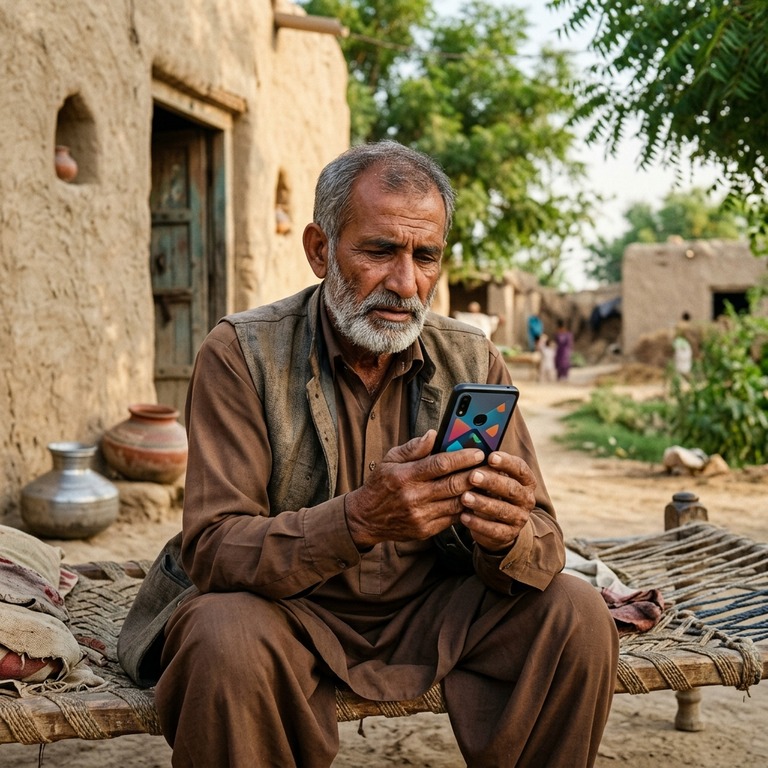
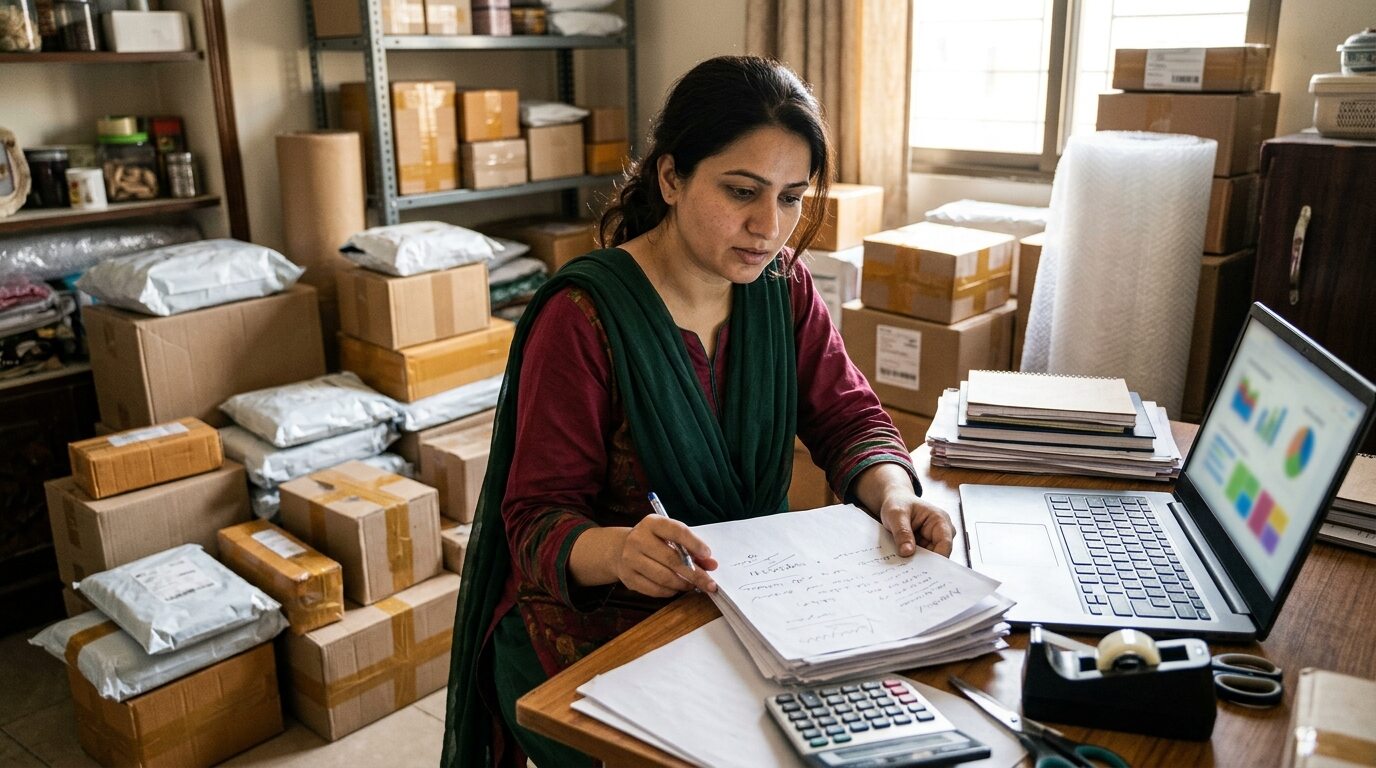
Broadly affected are: businesses and individuals selling goods online (on marketplaces like Daraz, their own websites, or social media); resellers and drop-shippers; home-based and small online sellers (the mandatory-registration change specifically widens the net to include smaller players who were previously informal); sellers of digital services and products; and essentially anyone earning from online selling in Pakistan. While the exact obligations (such as whether and when the 18% sales tax applies to you specifically) depend on factors like your turnover, what you sell, and registration thresholds, the key shift is that registration with the FBR is now expected broadly, not just for large businesses. So if you sell online in any meaningful way, the safe assumption is that these rules apply to you and that you should get informed and compliant, rather than assuming you are too small to matter. The whole point of the change is to bring smaller, previously-informal sellers into the formal system. When in doubt, consult a tax professional about your specific situation.
To respond sensibly, it helps to understand the reasoning, because there is a logic to it (even if the compliance burden is unwelcome). The government’s motivations are fairly clear.
The reasons include: broadening the tax base (Pakistan has a chronically narrow tax base and serious revenue needs, so bringing the large, growing, previously-untaxed online-selling sector into the net is a way to raise revenue); formalizing the economy (moving online trade from informal, cash-based activity into the documented, formal economy, a long-standing national goal); fairness and a level playing field (ensuring online sellers pay tax like other businesses, rather than enjoying an informal advantage); capturing a booming sector (e-commerce is growing fast, into the billions of dollars, making it an attractive and logical target for taxation); and building legitimacy and trust (a formalized, regulated e-commerce sector can attract more investment and build consumer confidence over time). So from the government’s perspective, taxing online selling is about revenue, formalization, fairness, and capturing a growing sector, understandable goals, even if the execution creates real friction for small sellers. Understanding this helps sellers see the change as a structural shift that is unlikely to reverse, and therefore something to adapt to rather than wait out.
In keeping with honest analysis, let’s acknowledge the real burdens, because this change genuinely makes life harder for small online sellers in some ways. It is not all positive, and pretending otherwise would be unfair.
The genuine downsides include: compliance burden (registering, filing, collecting and remitting sales tax, and maintaining records is real work and complexity, especially for tiny, informal, or first-time sellers who lack accounting knowledge); costs (the 18% sales tax, where it applies, plus potential accountant/consultant fees and the time cost of compliance, can squeeze already-thin margins); higher prices or lower margins (sellers may have to raise prices (hurting competitiveness) or absorb the tax (hurting profit)); a barrier to entry (the new formality and compliance could discourage some aspiring small sellers from starting, or push others out); confusion and uncertainty (many small sellers simply do not understand the new rules, creating anxiety and risk of unintentional non-compliance); and friction for the smallest players (a change aimed partly at big e-commerce can disproportionately burden tiny home-based sellers who were barely scraping by informally). So it is honest to say that this formalization, while understandable, imposes real costs and complexity on small online sellers, exactly the group that found online selling accessible precisely because it was easy and informal. These concerns are legitimate, and sellers are right to find the transition challenging. Acknowledging that is important.
Balance requires noting the genuine positives, because the change is not purely a burden, there is a real silver lining, especially over time. Formalization brings some real benefits.
The upside includes: a more legitimate, trusted industry (formalizing e-commerce builds consumer trust and can attract more investment and serious players, growing the overall market); a level playing field (compliant sellers compete fairly, rather than being undercut by informal operators avoiding tax); access to the formal economy (registered, documented businesses can more easily access banking, financing, formal partnerships, and growth opportunities); becoming a “filer” and its benefits (registering and complying can bring the advantages of being in the formal tax system, as with the filer benefits we have discussed for freelancers); and long-term sector maturity (a formalized sector is more sustainable, investable, and capable of becoming a genuine export channel for Pakistani products, a bigger prize). So while the short-term pain is real, formalization can, over time, create a healthier, more trusted, more investable, and more sustainable e-commerce sector, which ultimately benefits serious sellers. The transition is hard, but the destination (a legitimate, formal digital-commerce economy) is genuinely better for the industry’s long-term growth. Sellers who adapt and formalize position themselves well for that more mature market.
Here is the practical guidance that matters most, because the right response is to get informed and compliant rather than panic or ignore it. The system now makes avoidance difficult and risky, so adaptation is the smart path.
Practical steps: understand whether and how the rules apply to you (your obligations depend on what and how much you sell, so get clear on your specific situation); register with the FBR (get your NTN and register as required, this is now expected even for smaller sellers, and being registered keeps you compliant and a filer); understand the sales-tax rules for your situation (whether the 18% applies to you, thresholds, and how collection works, especially if you sell on marketplaces that now handle some tax collection); keep proper records (maintain clear records of your sales, income, and expenses, essential for compliance and filing); file your returns and comply (meet your registration, filing, and payment obligations on time to avoid penalties); get professional help (given the complexity, consulting a tax professional or accountant, or using a reputable tax-filing service, is genuinely worthwhile, especially for first-timers, and can save you money, stress, and mistakes); factor tax into your pricing (build the tax implications into your pricing and margins so you are not caught out); and stay informed (rules are evolving, so keep up with official FBR guidance and updates). The key mindset: the informal era is ending, so treat compliance as a normal, necessary part of running an online business now, get set up properly, and you can sell online with peace of mind. Avoidance is increasingly risky; compliance is the sustainable path.
This shift has significant implications for Pakistan.
For small sellers, it raises the bar for selling online (more compliance, cost, and formality), a real challenge for the many small and home-based sellers who relied on informal ease, though it also brings them into the formal economy.
For the e-commerce sector, formalization could, over time, build a more trusted, investable, and mature industry, even as it creates short-term friction.
For government revenue and documentation, taxing the growing online-selling sector helps Pakistan’s narrow tax base and broader formalization goals, genuinely important national needs.
For the digital economy, how this is implemented (whether supportively, with reasonable thresholds and help for small sellers, or heavy-handedly) will significantly shape whether it strengthens or stifles Pakistan’s promising e-commerce growth.
The key wisdom is that Pakistan’s move to tax and formalize online selling is a significant, structural shift that is here to stay, so the smart response for sellers is to understand the rules, register, and comply, adapting to the new reality rather than trying to avoid it or waiting for it to reverse. The informal, cash-based era of online selling in Pakistan is ending, and the system is now designed (through mandatory registration and intermediary tax collection via marketplaces, payment channels, and couriers) to make avoidance difficult and risky. Fighting that tide or ignoring it is not a viable long-term strategy; adaptation is. For sellers, this means treating tax registration and compliance as a normal, necessary part of running an online business, getting properly set up (registering with the FBR, understanding your sales-tax obligations, keeping good records, filing on time), and crucially, getting professional help given the genuine complexity, which is well worth the cost to avoid mistakes, penalties, and stress.
The honest, balanced perspective is that this transition imposes real, unwelcome burdens on small sellers (compliance work, costs, complexity, and pressure on margins), and those concerns are legitimate, especially for the tiny, home-based sellers for whom informality was the whole appeal. At the same time, the destination, a formalized, legitimate, trusted e-commerce sector, is genuinely better for the industry’s long-term health, investability, and growth, and compliant sellers benefit from a level playing field and the advantages of being in the formal economy. So the wisest approach is to accept the shift, formalize properly, and position yourself to thrive in the more mature market that formalization should eventually create. For Pakistan, the hope is that the government implements this thoughtfully, with reasonable thresholds, clear guidance, and support for small sellers, so that formalization strengthens rather than stifles the country’s promising digital-commerce growth. For individual sellers, though, the message is clear and practical: the rules have changed, avoidance is risky and shrinking, so get informed, register, comply (ideally with professional help), and build your online business on solid, formal foundations. Adapt and formalize, and you can keep selling online with confidence in the new era. As always, verify the specifics with the FBR and a qualified professional.
Expect the formalization and taxation of online selling in Pakistan to continue and tighten, with the informal era progressively ending as intermediary tax collection and mandatory registration take full effect. Watch for how the rules are refined, whether reasonable thresholds, simpler compliance, and support for small sellers emerge (which would ease the burden), or whether the approach remains heavy-handed (which could stifle small sellers and the sector’s growth). Also watch how marketplaces, payment providers, and couriers implement their new tax-collection roles.
For sellers, the trajectory means compliance will only become more necessary and unavoidable, so adapting now is wise. Over time, a more formal, mature e-commerce sector could emerge, more trusted, investable, and capable of growth (and even exports), benefiting serious sellers, provided the transition is managed in a way that does not crush the small players. The key will be balanced implementation. For Pakistan’s promising digital-commerce future, getting this formalization right, raising revenue and legitimacy without stifling the sector, matters a great deal. Sellers who formalize and adapt will be best positioned for whatever comes.
Pakistan is now taxing and formalizing online selling, and if you sell online, it affects you. Under the 2026 tax changes, FBR registration has become mandatory for digital sellers (even small ones), an 18% sales tax applies to many online sales, and marketplaces, payment providers, and couriers are now pulled into collecting tax, making the informal, cash-based era of online selling effectively end. For small and home-based sellers especially, this brings real, unwelcome burdens: compliance work, costs, complexity, and pressure on margins, and those concerns are entirely legitimate. But it also brings genuine upside over time: a more legitimate, trusted, investable, and mature e-commerce sector, a level playing field for compliant sellers, and the benefits of operating in the formal economy. The key point is that this is a structural shift that is here to stay, and the system now makes avoidance difficult and risky. So the smart, practical response is not to panic or try to dodge it, but to adapt: understand whether and how the rules apply to you, register with the FBR, understand your sales-tax obligations, keep good records, file and comply on time, factor tax into your pricing, and, given the genuine complexity, get professional help, which is well worth it. Do that, and you can keep selling online with confidence and peace of mind on solid, formal foundations, well-positioned for the more mature market that formalization should eventually create. The rules have changed; adapt and formalize, and you will be fine. And always, verify the specifics for your situation with the FBR and a qualified tax professional, because when it comes to tax, getting it right matters.
This article is for general informational purposes only and reflects tax rules and changes reported for 2026, which are complex, depend heavily on individual circumstances, and change frequently. It is NOT tax, legal, or financial advice. Specific obligations (including whether, when, and how registration and the 18% sales tax apply to you) vary, always verify the current requirements directly with the Federal Board of Revenue (FBR) and consult a qualified tax professional for your specific situation before acting. Do not rely solely on this article.
Pakistan has moved to tax and formalize online selling under its 2026 tax legislation (the Finance Act and related measures), ending the era of informal, cash-based online trading. Key changes: (1) FBR registration is now mandatory for digital/online sellers, reportedly regardless of revenue size or business structure, so even small and home-based sellers are expected to register; (2) a sales-tax regime applies, businesses supplying goods or digital services online are subject to sales tax (commonly 18%) where they meet registration thresholds, collected and remitted; and (3) crucially, intermediaries are pulled into tax collection, online marketplaces (like Daraz), banks and payment providers, and couriers/logistics companies are now required to collect and deposit tax in relation to sellers’ online transactions, making it very difficult to operate “off the books.”
Who is affected: broadly, businesses and individuals selling goods online (marketplaces, own websites, social media), resellers, drop-shippers, home-based and small sellers (the net specifically widened to include them), and digital-service sellers. Exact obligations (like whether 18% applies) depend on turnover, what you sell, and thresholds, but registration is now broadly expected.
Why the government is doing it: broadening Pakistan’s narrow tax base and raising revenue; formalizing the economy (moving online trade into the documented formal sector); fairness/level playing field; capturing the fast-growing e-commerce sector (into the billions of dollars); and building legitimacy and trust.
Honest downsides for small sellers: real compliance burden (registering, filing, collecting/remitting tax, record-keeping), costs (18% sales tax where applicable, plus accountant fees and time), pressure on margins or higher prices, a barrier to entry, confusion/uncertainty, and disproportionate friction for the smallest players.