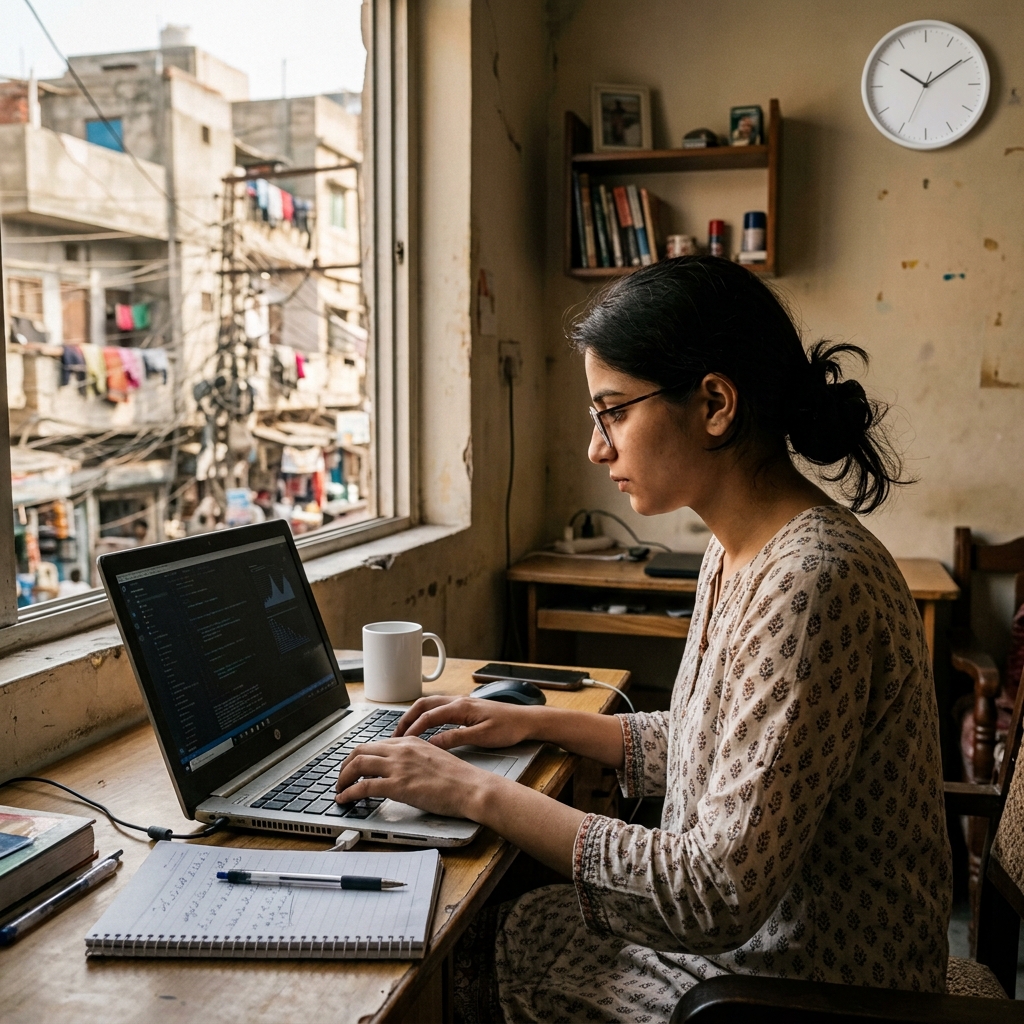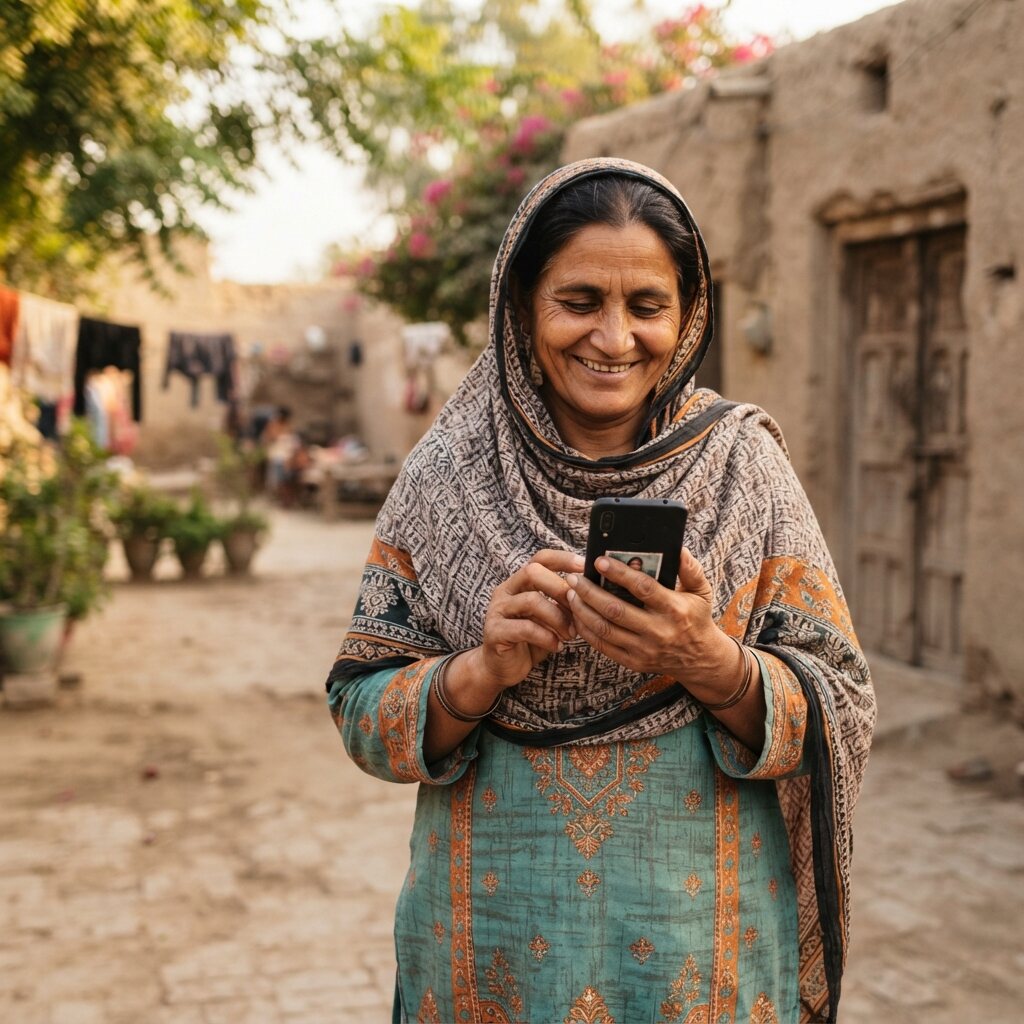
The Pakistan Telecommunication Authority (PTA) and Meta signed a Letter of Intent in July 2026 to promote youth online safety, digital literacy, and digital well-being. The framework covers capacity building, policy dialogue, awareness campaigns, and sharing global best practices, plus engagement on online content governance and regulatory compliance across Pakistan.
Millions of Pakistani children and teenagers spend hours every day on Facebook, Instagram, and WhatsApp. For parents, that raises real worries: online harassment, scams, harmful content, and the general question of whether these platforms are safe for young users.
Pakistan's telecom regulator and Meta have now signed a formal agreement aimed at exactly those concerns. Here is what the deal actually covers, what it could mean for young users and parents, and an honest look at what it does and does not change right now.
The agreement is a formal statement of intent to work together. The Pakistan Telecommunication Authority (PTA) and Meta signed a Letter of Intent (LoI) to establish a collaborative framework for promoting youth online safety, digital literacy, and digital well-being.
The focus is clearly on protecting younger users. The agreement centers on online safety, digital well-being, and protective measures for children and young users in Pakistan, establishing a structured platform for strategic cooperation and policy dialogue between the national regulator and Meta.
PTA framed the goal in broad terms. Chairman Maj Gen (R) Hafeez ur Rehman said the authority aims to promote digital literacy, encourage responsible online behaviour, and foster a safer, more secure digital environment for the people of Pakistan, particularly children and young users.
The framework identifies several specific areas of joint work, which gives a sense of what to expect.
Capacity building involves developing technical knowledge and specialized skills among stakeholders to better address emerging online challenges. In practice, this means training regulators, educators, and others who deal with online safety issues.
Policy dialogue means joint discussions to align regulatory and safety efforts with global best practices, essentially bringing Pakistan's approach closer to international standards.
Awareness campaigns aim to educate the public, particularly young people and parents, about online risks and safety tools.
Content governance and compliance is also part of it. PTA stated the collaboration will facilitate engagement on online content governance, regulatory compliance, and initiatives aimed at strengthening digital safety across Pakistan.
The agreement lands against a real backdrop of concern. Pakistan has a very young population, and social media use among teenagers is widespread. Online harassment, financial scams, misinformation, and exposure to harmful content are genuine, everyday problems for Pakistani families.
There is also a regulatory context. PTA has been steadily increasing its engagement with global platforms. According to the Economic Survey of Pakistan 2025-26, the regulator intensified engagement with major platforms including Meta, TikTok, X, Google, and Telegram to accelerate identification and removal of illegal and harmful content, resulting in improved moderation processes, API-based compliance systems, and priority escalation channels.
This Meta agreement fits that broader pattern: rather than only issuing blocks and takedown demands, PTA is building structured working relationships with the platforms themselves. That is generally a more sustainable approach than confrontation alone.
Here is important context that most coverage skips. A Letter of Intent is a statement of shared intention to cooperate, not a binding legal agreement or a new regulation.
That does not make it meaningless, formal frameworks matter, because they create channels, commitments, and accountability that did not exist before. But it does mean parents should not expect immediate, dramatic changes to how Instagram or Facebook work in Pakistan tomorrow.
The real value will show up over time, in whether awareness campaigns actually reach families, whether safety tools become better known and used, whether escalation of harmful content genuinely gets faster, and whether policy dialogue produces concrete protections. Those are the things worth watching.
The agreement touches several groups.
For parents and families, the promise is better awareness and stronger protections for children online, plus more accessible information about the safety tools that already exist on Meta's platforms.
For young users, digital literacy education could genuinely help, teaching teens to recognize scams, handle harassment, and manage their own digital well-being is often more effective than restrictions alone.
For creators and businesses on Meta platforms, closer regulator-platform cooperation on content governance and compliance may mean clearer rules and more predictable moderation, though it also means more structured oversight.
For Pakistan's digital policy, it reflects a maturing approach: engaging global platforms as partners on safety rather than relying solely on blocking, which has been a common tool in the region.
Online safety experts consistently point out that the most durable protection for young people is not blocking access, it is building awareness and skills. Children who understand how scams work, how to report harassment, and how to manage privacy settings are far better protected than those simply told to stay offline.
That is why the digital literacy component of this agreement may prove more valuable than the regulatory parts. If awareness campaigns genuinely reach Pakistani schools and families, and if young users learn to use the safety tools already built into these platforms, the impact could be significant.
The open question, honestly, is reach and follow-through. Pakistan has seen safety initiatives before, including a previous PTA collaboration with TikTok on a digital safety competition. The measure of success will be whether these efforts reach beyond Islamabad press conferences into actual homes, schools, and phones across the country.
Regardless of what the agreement delivers later, parents do not need to wait to protect their children. Meta's platforms already include parental supervision tools on Instagram, privacy settings that restrict who can contact a young user, and reporting features for harassment or inappropriate content.
The most effective step, though, is conversation. Talking openly with children about what they encounter online, who contacts them, and what to do when something feels wrong builds the kind of trust that no software setting can replace. Teaching a child to come to you when something goes wrong is the strongest safety tool available.
Watch for the concrete outputs of this framework: awareness campaigns rolling out, training programs for educators and officials, faster content escalation, and possibly clearer guidelines on platform compliance in Pakistan. If those materialize, the agreement will have delivered real value.
More broadly, expect PTA to continue building similar structured relationships with other major platforms, as it has already done with TikTok, Google, X, and others. The direction of Pakistan's digital policy is increasingly toward negotiated cooperation with platforms.
In July 2026, the Pakistan Telecommunication Authority (PTA) and Meta signed a Letter of Intent (LoI) establishing a collaborative framework to promote youth online safety, digital literacy, and digital well-being in Pakistan, with particular focus on protecting children and young users from digital risks.
The collaboration covers four main areas: capacity building (developing technical knowledge and specialized skills among stakeholders to address emerging online challenges); policy dialogue (aligning regulatory and safety efforts with global best practices); awareness campaigns (educating young people and parents about online risks and safety tools); and engagement on online content governance and regulatory compliance across Pakistan. PTA Chairman Maj Gen (R) Hafeez ur Rehman said the authority aims to promote digital literacy, encourage responsible online behaviour, and foster a safer digital environment, particularly for children and young users.
Important context: a Letter of Intent is a cooperation framework, not binding regulation or new law, so no immediate platform rule changes should be expected. Its value will depend on implementation, whether awareness campaigns reach families and schools, safety tools become better known, and harmful-content escalation genuinely speeds up.
Broader context: per the Economic Survey of Pakistan 2025-26, PTA has intensified engagement with major platforms (Meta, TikTok, X, Google, Telegram) to accelerate removal of illegal and harmful content, achieving improved moderation processes, API-based compliance systems, and priority escalation channels. PTA previously ran a digital safety competition with TikTok.
Practical guidance for parents: use existing tools (Instagram parental supervision, privacy settings, reporting features) and maintain open conversation with children about their online experiences.
This is informational, not legal advice; outcomes depend on implementation.