Pakistan's first official gig-economy measurement (Labour Force Survey 2024-25) shows online gig work is just ~2.9% of total employment, and digital freelancers are a minority, over 97% of gig workers do physical platform labor like ride-hailing and delivery. This punctures the "freelance superpower" narrative and highlights gaps in data, policy, and worker protections.
We love a good success story, and few are more celebrated in Pakistan than the "freelance nation" narrative: millions of young Pakistanis earning dollars from laptops, making the country a global freelancing superpower. It's an inspiring picture, and there's real truth in it. But Pakistan just measured its gig economy officially for the first time, and the data tells a more complicated, more honest story than the hype suggests.
The surprising finding? Online freelancers, the coders, designers, and writers we celebrate, are actually a minority of Pakistan's gig workers. The vast majority are doing something far less glamorous: driving bikes and delivering food. This isn't cause for despair, freelancing remains genuinely valuable, but it's a reality check worth taking seriously. Here's what the first official count actually shows, why it matters, and what it means for how Pakistan thinks about its gig economy.
Let's start with why this data is significant, it's the first of its kind. For years, discussion of Pakistan's gig and freelance economy relied on platform estimates, self-reported figures, and optimistic projections. Now, for the first time, Pakistan has officially measured its gig economy through the Pakistan Bureau of Statistics' Labour Force Survey (2024-25), giving us actual, government-collected data rather than hype.
And the numbers are revealing. According to this first official count, online gig work accounts for about 2.9% of total employment in Pakistan. That's a real, meaningful chunk, gig work matters, but it's more modest than the grand "freelance nation" framing might lead you to expect. More strikingly, the composition of that gig economy upends the popular image. This is the finding that deserves attention, and it's worth sitting with.
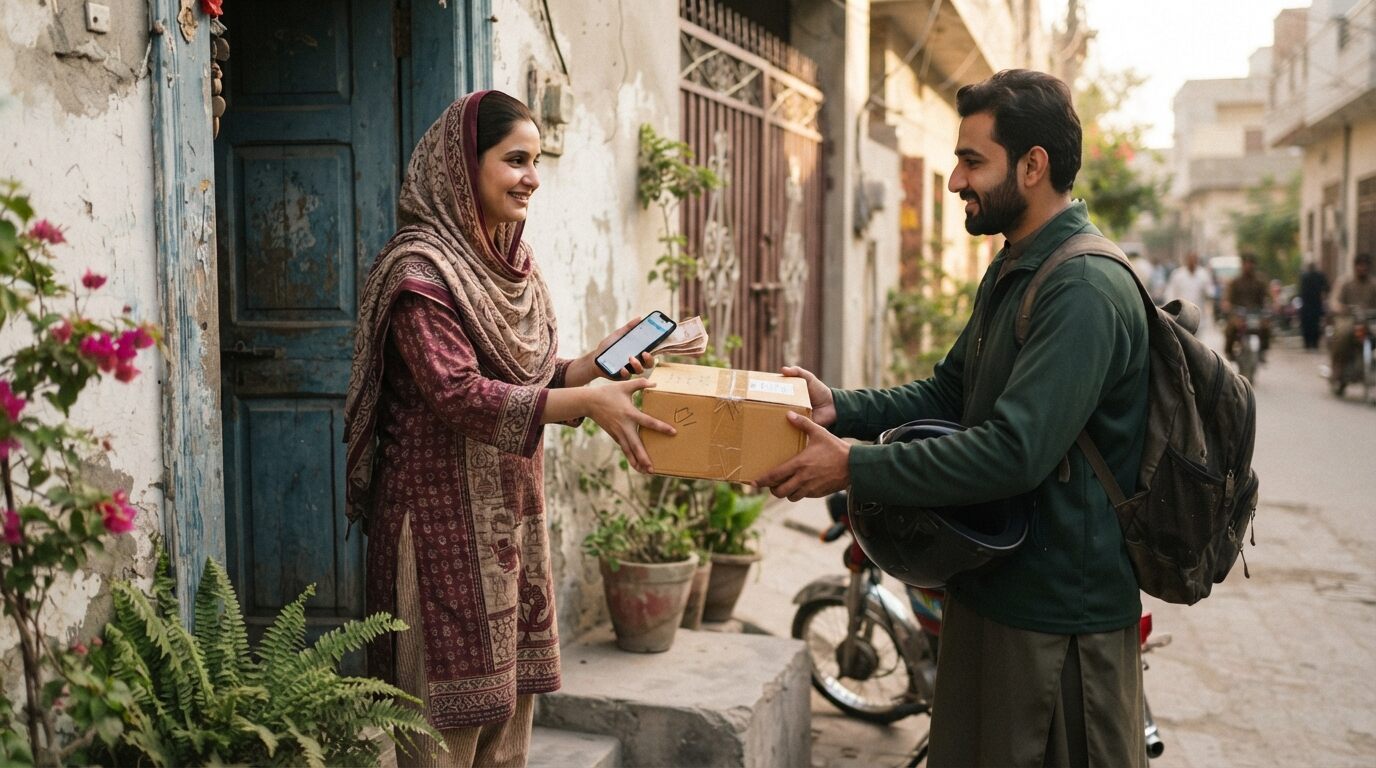
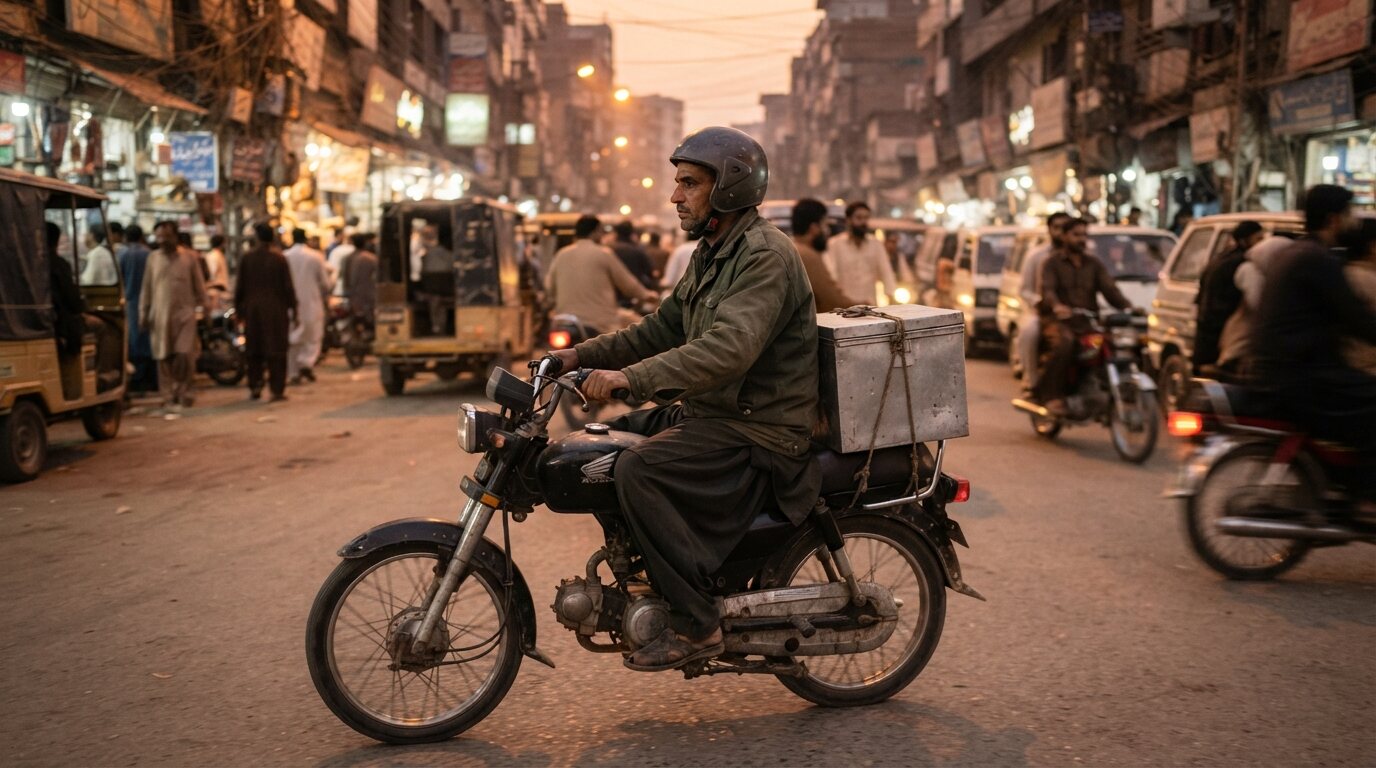
Here's the finding that punctures the myth, and it's genuinely surprising to most people. When we picture Pakistan's gig economy, we imagine young freelancers on Upwork and Fiverr earning dollars from home. But the official data shows that digital freelancers are actually a minority of Pakistan's gig workers. The overwhelming majority, reportedly over 97%, are engaged in physical platform labor: ride-hailing (like Bykea, Careem) and delivery (like Foodpanda), not online freelancing.
Think about what this means. When people cite Pakistan's "millions of gig workers" as evidence of a freelancing revolution, most of those workers are actually bike riders and delivery workers serving the local economy, not exporters earning foreign currency from global clients. The celebrated laptop-freelancer is real, but relatively rare within the broader gig workforce. This is a crucial distinction that the hype usually blurs: "gig economy" and "freelance export economy" are not the same thing, and conflating them creates a misleading picture. The official data forces an honest reckoning with what Pakistan's gig economy actually looks like.
Before this becomes a takedown of freelancing, let's inject essential balance, because the reality check doesn't diminish freelancing's genuine value. Even if freelancers are a minority of gig workers by headcount, their economic contribution is real and disproportionately valuable.
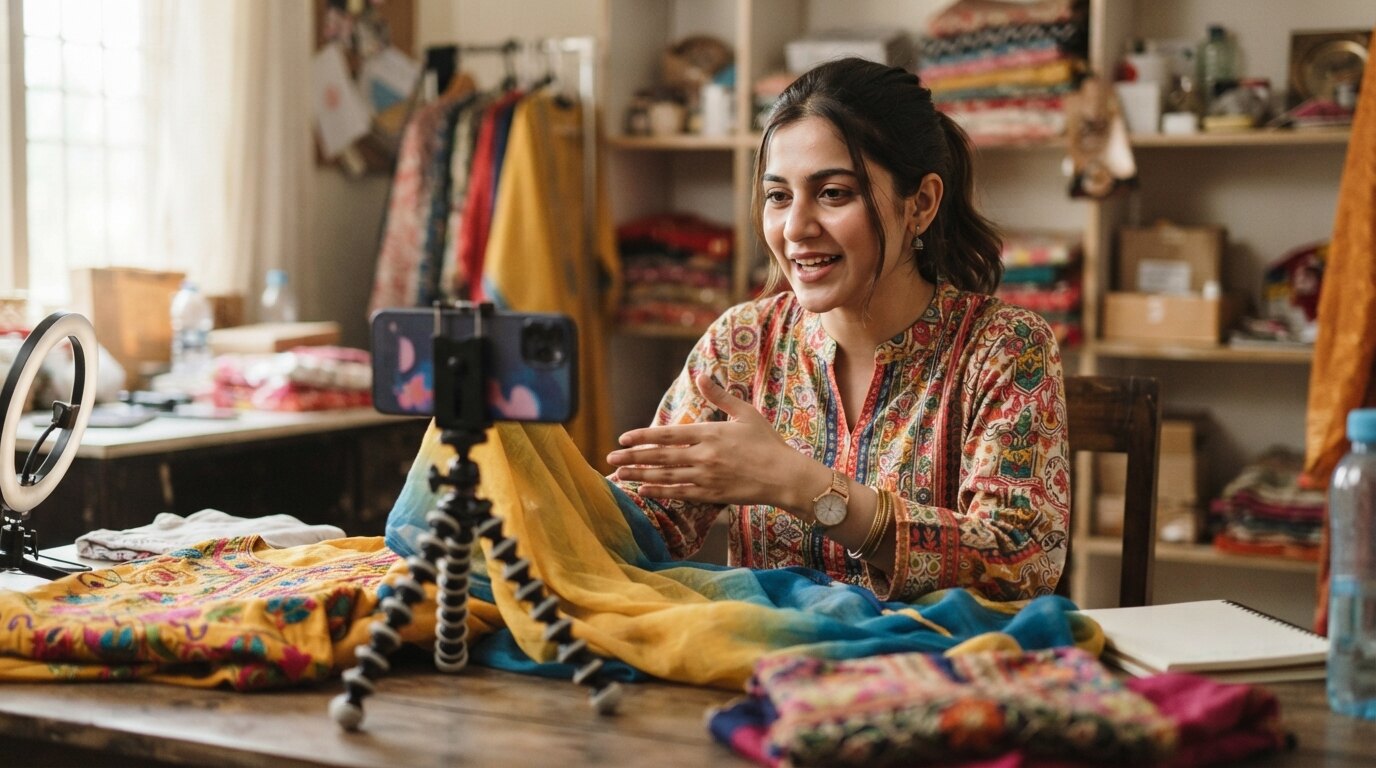
Consider the facts. Pakistani freelancers earned a record $1.76 billion in foreign revenue in 2026, and recent data shows freelance exports surging (up around 44% year-on-year in some months), genuinely impressive, valuable foreign-exchange earnings. Freelancing offers real, high-value opportunity: skilled freelancers can earn far more than most local jobs, access global clients, and build genuine careers. And Pakistan does rank among the world's largest providers of digital labor, that's real. So the point isn't that freelancing is fake or unimportant, it's genuinely one of Pakistan's most valuable economic bright spots. The point is narrower but important: freelancers are a smaller share of the total "gig economy" than the popular narrative implies, and we shouldn't conflate the whole gig workforce (mostly local physical labor) with the celebrated freelance export story. Both are real; they're just different things. Honest framing serves everyone better than inflated myths.
So why does getting this right actually matter? For several genuinely important reasons, honest data leads to better decisions. This isn't just pedantry; the accurate picture has real consequences.
Consider the stakes. Policy needs accurate data: if policymakers believe Pakistan has a massive freelance-export workforce when most gig workers are local delivery riders, they'll design the wrong policies. Good policy requires knowing who these workers actually are. Different workers need different support: a delivery rider and an Upwork developer face completely different challenges, protections, and needs, lumping them together obscures both. Managing expectations: overselling the "everyone can freelance to riches" narrative can mislead young people; the reality is that high-earning freelancing requires real skills and effort, while much gig work is lower-paid physical labor. Worker protections: as we'll discuss, most gig workers (physical and digital) lack legal protections, and honest data highlights the scale of this gap. And credible national planning: Pakistan's economic strategy should rest on real numbers, not inflated ones. In short, the reality check matters because honest data enables honest, effective policy and realistic expectations, which serve workers and the country far better than comfortable myths. Truth is more useful than hype.
The data also spotlights a serious, related problem that applies across Pakistan's whole gig economy, and it's arguably the most important takeaway. Whether they're delivery riders or online freelancers, most of Pakistan's gig workers operate in a legal grey zone with little to no protection.
Here's the concern. Pakistan's laws haven't caught up with the gig economy. Gig and freelance workers largely lack the protections traditional employees have: no guaranteed minimum wage, no job security, no health insurance or social protection, no clear dispute-resolution mechanisms, and, for freelancers, unclear legal classification and cross-border tax/enforcement issues. Delivery riders face physical risks, income insecurity, and platform dependence with no safety net; freelancers face client non-payment, platform dependence, and legal ambiguity. This "growth without protection" is a genuine problem: Pakistan's gig economy has expanded rapidly, but the legal and social framework to protect its workers hasn't followed. The official measurement of the gig economy is actually a positive step here, because you can't protect or support workers you haven't even counted. Recognizing the true scale and composition of gig work is the first step toward extending it proper protections and support. That's the constructive path forward.
This reality check has real implications for Pakistan.
For policymakers, accurate data enables better-targeted policy, distinguishing between supporting high-value freelance exports and protecting local gig workers (riders, delivery), who have different needs.
For freelancers, the honest picture underscores that high-value freelancing is a real but skill-demanding opportunity (a valuable minority pursuit), worth pursuing seriously rather than assuming it's a guaranteed path.
For gig workers broadly, spotlighting the protection gap (for the physical-labor majority especially) is a step toward the social protections and rights they currently lack.
For Pakistan's economic narrative, grounding the "freelance nation" story in reality makes national planning and international positioning more credible and effective, honesty is a strength, not a weakness.
The mature takeaway is to celebrate Pakistan's genuine gig and freelance achievements while grounding them in reality, and to use honest data to build better policy and protections, rather than clinging to inflated narratives. Pakistan's freelance export economy ($1.76 billion and growing) is a genuine, valuable success worth celebrating and nurturing. Its broader gig economy (millions of riders and delivery workers) provides real income and livelihoods to many, also worth acknowledging and supporting. Both are real and valuable. What serves no one is the myth that conflates them into an inflated "everyone's a freelancer earning dollars" story that the official data now clearly contradicts.
The constructive path is threefold. First, be honest about the numbers: freelancers are a valuable minority of gig workers; most gig work is local physical labor, both matter, but they're different. Second, tailor support accordingly: nurture high-value freelance exports (skills, payments, the 0.25% tax regime, global access) while extending protections to the vulnerable physical-labor majority. Third, close the protection gap: whether rider or freelancer, gig workers need legal clarity, fair treatment, and social protection that Pakistan's laws currently don't provide. For young Pakistanis, the honest message is empowering rather than discouraging: freelancing is a genuine, high-value opportunity worth pursuing with real skills and effort, not a guaranteed lottery, and whatever gig work you do, you deserve, and should advocate for, proper protections. Pakistan's gig economy is a real and growing part of its future. Building it well requires seeing it clearly, celebrating what's genuinely working, honestly acknowledging what isn't, and protecting the people who power it. The first official count is a valuable gift: it lets Pakistan finally see its gig economy as it truly is, and build from there.
Expect Pakistan's gig economy, both physical and digital, to keep growing, and expect increasing (and overdue) attention to formalizing and protecting gig work as its scale becomes officially clear. Watch whether policymakers use this new data to craft smarter, better-targeted policy, distinguishing freelance exports from local gig labor, and whether long-overdue worker protections and legal clarity finally emerge. The freelance export segment, though a minority of headcount, will likely keep growing in value and importance.
For Pakistan, the trajectory should be toward a more honest, better-supported gig economy: celebrating and nurturing valuable freelance exports, providing real protections to all gig workers, and planning based on accurate data. If Pakistan does this, its gig economy can be both a genuine economic asset and a fair one. The first official measurement is the foundation, now the task is building good policy and protection on top of honest numbers.
Pakistan's first official gig-economy count delivers a valuable reality check: online freelancers, the celebrated stars of the "freelance nation" narrative, are actually a minority of the country's gig workers, most of whom drive bikes and deliver food rather than earning dollars from laptops. This doesn't diminish freelancing's genuine value, it remains a real, high-value opportunity earning Pakistan $1.76 billion and growing, but it punctures the inflated myth that conflates the whole gig economy with a freelance export boom. Getting this right matters, because honest data enables better policy, realistic expectations, and, crucially, attention to the protection gap that leaves most gig workers (riders and freelancers alike) without rights or safety nets. The constructive path is clear: celebrate Pakistan's genuine freelance achievements, honestly acknowledge the broader gig economy's true composition, and build the policies and protections that all gig workers deserve, on a foundation of real numbers rather than comfortable hype. Pakistan's gig economy is genuinely important to its future. Seeing it clearly, for the first time, is exactly how to build it better. The myth was inspiring; the truth is more useful.
Pakistan officially measured its gig economy for the first time (Pakistan Bureau of Statistics Labour Force Survey 2024-25), and the data challenges the popular "freelance nation" narrative. Key findings: online gig work accounts for about 2.9% of total employment, and, most surprisingly, digital freelancers are a minority of gig workers, over 97% do physical platform labor like ride-hailing (Bykea, Careem) and delivery (Foodpanda), not the online freelancing (Upwork, Fiverr) the hype celebrates.
The reality check: when people cite Pakistan's "millions of gig workers" as proof of a freelancing revolution, most are actually bike riders and delivery workers serving the local economy, not exporters earning foreign currency. "Gig economy" and "freelance export economy" are not the same thing, conflating them creates a misleading picture. The celebrated laptop-freelancer is real but relatively rare within the total gig workforce.
Balance, freelancing is still genuinely valuable: Pakistani freelancers earned a record $1.76 billion in foreign revenue in 2026, with exports surging (up ~44% year-on-year in some months), and Pakistan ranks among the world's largest digital-labor providers. Freelancers are a valuable minority whose foreign-exchange contribution is disproportionately high. So freelancing is real and important, just a smaller share of the total gig workforce than commonly believed.
Why it matters: honest data enables better policy (policymakers designing for a freelance-export workforce would misfire when most gig workers are local riders); different workers (riders vs. developers) need different support; realistic expectations (high-earning freelancing needs real skills, isn't a guaranteed lottery); and it spotlights the worker-protection gap.
The bigger issue, protection: most gig workers (physical and digital) operate in a legal grey zone without guaranteed minimum wage, job security, health insurance, social protection, or clear dispute resolutio