Global remote hiring shifted decisively to skills-based hiring in 2026: employers now prioritize validated, job-ready skills over degrees and resumes, while AI roles surged 283% (Deel). For Pakistani workers, this is opportunity and challenge, real skills can win global jobs without elite credentials, but competition is surging and hiring standards are tightening.
If you're a Pakistani professional hoping to land a global remote job, or already have one, the rules just changed in a way that's genuinely good for you. Employers around the world are increasingly hiring based on what you can do, not where you studied or what your resume says. For talented people without elite credentials, that's a real opening.
But there's a flip side you need to know: as the door opens wider, more people are rushing through it, and employers are raising their standards. Understanding both sides is essential to competing in 2026. Here's exactly how remote hiring has shifted, what it means for Pakistanis, and what you need to stay ahead.
The single most important change is a move away from credentials toward capability. Global tech hiring in 2026 has become decisively skills-first: employers are moving away from degree-based and resume-first hiring, placing greater emphasis on real skills, job readiness, and long-term impact.
This is a genuine, structural shift, not a passing trend. Companies increasingly use skills tests, portfolios, and practical assessments to evaluate candidates, rather than filtering by university names or years of experience. For remote roles especially, what you can demonstrably do matters more than your paper qualifications.
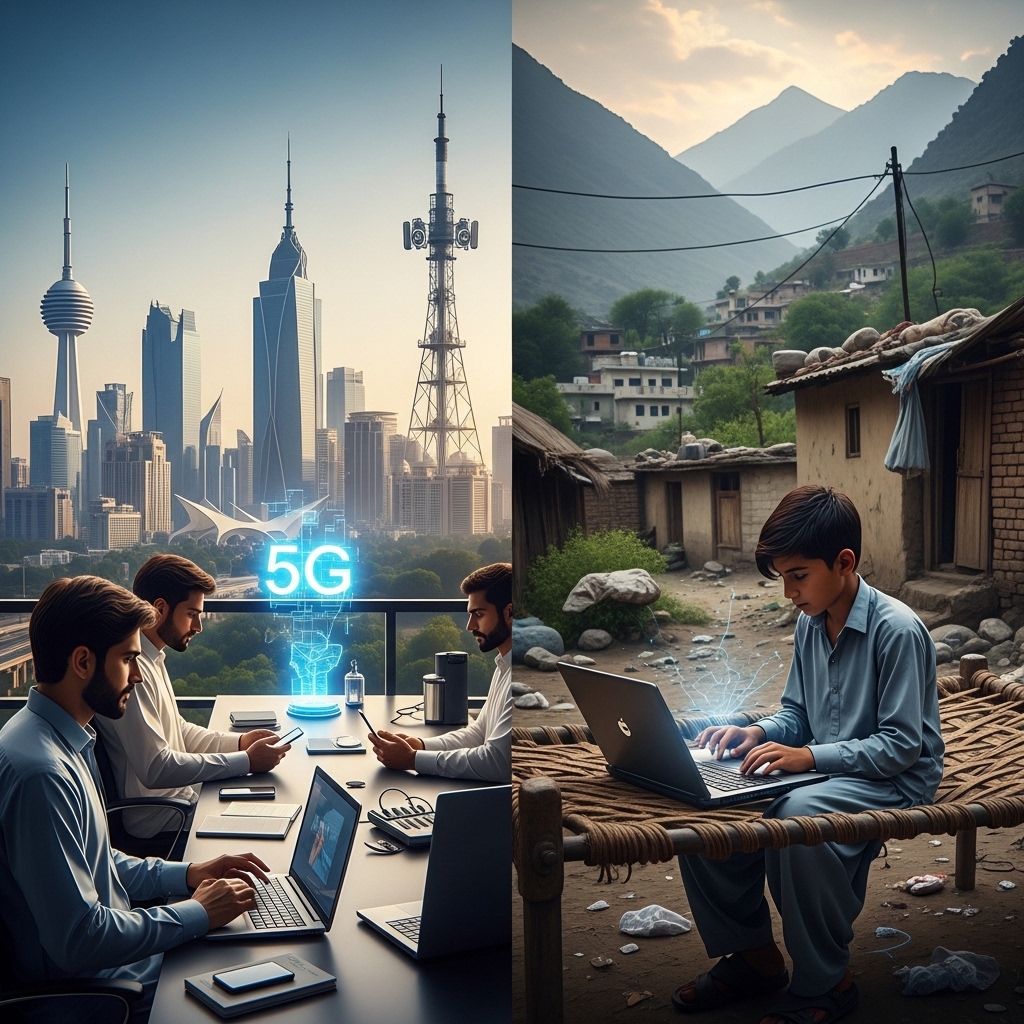
Why does this matter so much for Pakistan? Because it levels the playing field. A talented, self-taught developer or marketer from Faisalabad can now compete with a degree-holder from anywhere, if they can prove their skills. In a country where not everyone has access to elite universities, this shift is genuinely empowering. Your ability, not your background, becomes the deciding factor.
The second major shift is the explosion of AI-related roles. According to Deel's 2026 Global Hiring Report, drawing on data from over a million workers, there has been a 283% surge in AI roles.
That's not a typo, AI-related hiring nearly quadrupled. And it's not only hardcore engineering jobs. The market now includes tens of thousands of AI trainers, people who develop and refine AI systems in areas like economics, medicine, and translation, earning anywhere from $15 to $75 per hour. This is exactly the kind of remote work Pakistanis can access: it values subject knowledge, language skills, and careful thinking, not just coding.
The lesson is clear: some level of AI fluency is rapidly becoming essential across remote roles, not just technical ones. Even many non-technical remote jobs now expect basic familiarity with AI and automation tools. Building that fluency is one of the highest-return investments a Pakistani remote worker can make right now.
Now the part many optimistic articles skip, and you need to hear it. The same borderless hiring that opens global opportunities to Pakistanis also means you're competing with talent worldwide. Competition for remote jobs is surging, hiring standards are tightening, and basic digital skills are no longer enough to stay viable.
Think about what "global talent pool" really means. When a company in New York can hire from Pakistan, it can also hire from India, the Philippines, Latin America, and Eastern Europe. That's a huge opportunity, but also serious competition. The global talent pool gets bigger every quarter, and employers can be selective.
This isn't meant to discourage you, it's meant to prepare you. The remote workers who thrive won't be those with just basic skills, but those who are genuinely excellent, specialized, and easy to work with. Being "good enough" was enough a few years ago; in 2026, you need to be genuinely good. The opportunity is real, but so is the need to raise your game.
So what separates the remote workers who get hired from those who don't? Beyond a core skill, employers in 2026 consistently prioritize a specific set of capabilities.
They want the ability to work independently and own outcomes, not just complete tasks, but take responsibility for a piece of the business with minimal supervision. They want strong, clear communication, as remote work runs on written and verbal clarity across time zones, this is often the deciding factor. They want AI and automation fluency, the ability to use modern tools to work efficiently. They want adaptability and continuous learning, since the tools and demands keep changing. And they increasingly value quality over speed, companies now prioritize quality of hire and real impact over just filling seats fast.
Notice how many of these are "soft" skills. In an AI-driven world, uniquely human capabilities, communication, judgment, reliability, ownership, are becoming more valuable, not less, because they're exactly what AI can't replace.
Let's translate all this into a clear picture for Pakistan. The opportunity has never been bigger: skills-first hiring means your talent can win global roles regardless of your degree or city, and the AI boom is creating entirely new categories of accessible remote work. Pakistani professionals can genuinely compete for top international roles without ever leaving home.
But seizing it requires meeting the moment. You can't rely on basic skills or hope a degree carries you. You need a genuine, in-demand skill, proven through a portfolio or track record; AI fluency layered on top; excellent English communication; and the professionalism to work independently in a distributed team. Get those right, and Pakistan's advantages, a young, large, English-speaking, cost-competitive workforce, work strongly in your favor. The window is open, but it rewards those who prepare seriously.
These shifts have real national implications. Skills-based global hiring is a genuine opportunity for a country like Pakistan, with abundant young talent but uneven access to elite credentials. It means more Pakistanis can access high-paying global work based purely on ability, bringing in foreign exchange and building careers without emigrating.
The AI surge specifically opens new lanes, AI training, data annotation, and AI-augmented services, that Pakistan's workforce can fill. But the rising bar also means the country's training ecosystem (universities, bootcamps, programs like DigiSkills) must focus on genuine, job-ready, in-demand skills plus communication and AI fluency, not just certificates. The nations that equip their workers for skills-first, AI-driven global hiring will capture the most opportunity. Pakistan has the raw talent; the task is sharpening it to meet the new standard.
The clearest takeaway from all these trends is this: in 2026's remote job market, being genuinely excellent at a valuable, specialized skill, combined with AI fluency and strong communication, is what wins. The era of coasting on basic skills or a degree alone is ending.
Experts consistently emphasize a few moves: pick a specific, in-demand skill and go deep rather than staying a generalist; build undeniable proof of your ability (portfolio, real projects, results); layer AI tools into everything you do; and relentlessly develop the human skills, communication, reliability, ownership, that make you easy to hire and keep. And never stop learning, because the market keeps moving. For Pakistani workers, this is demanding but fair: it rewards genuine skill and effort over privilege and pedigree, which is exactly the kind of game Pakistan's talented, hungry workforce can win.
Expect these trends to deepen. Skills-based hiring will become the norm, AI fluency will shift from advantage to baseline expectation, and the global talent pool will keep growing more competitive. New AI-related remote roles will keep emerging, while routine work faces more automation. The consistent winners will be adaptable, specialized professionals who combine human strengths with AI tools.
For Pakistan, the trajectory offers enormous opportunity if the workforce adapts. Watch for whether training programs evolve toward genuine, in-demand, AI-inclusive skills, and whether more Pakistanis move up from basic to specialized, high-value remote work. That shift, from competing on cost to competing on excellence, is the real prize.
The remote hiring game has genuinely changed, and for Pakistani workers, the change is mostly good news. Skills now beat degrees, meaning your ability can open global doors regardless of your background, and the AI boom is creating new opportunities every quarter. But the same forces bringing opportunity are raising the bar: competition is surging and "good enough" no longer cuts it. The path forward is clear and fair, become genuinely excellent at a valuable skill, prove it, layer on AI fluency and strong communication, and commit to continuous learning. Do that, and 2026's borderless, skills-first job market becomes one of the biggest opportunities Pakistani talent has ever had. The rules changed in your favor, now it's about being ready to play.
This article is for general informational purposes only and reflects hiring trends and data reported in 2026, which continue to evolve. Individual outcomes depend on skills, effort, and market conditions. Statistics are as reported by cited sources. This is not career or financial advice.
Global remote hiring shifted decisively in 2026, with major implications for Pakistani workers. The biggest change: skills-based hiring. Employers are moving away from degree- and resume-first screening toward validated, job-ready skills, using portfolios, tests, and practical assessments. This levels the playing field, talented, self-taught professionals (including many Pakistanis without elite credentials) can compete on ability.
Second, an AI hiring surge: Deel's 2026 Global Hiring Report (1M+ workers) found a 283% surge in AI roles. This includes not just engineering but tens of thousands of AI trainers refining systems in economics, medicine, translation, etc., earning $15-75/hour, accessible remote work valuing subject knowledge and language skills. AI fluency is becoming essential across most remote roles, even non-technical ones.
Honest reality: the same borderless hiring means surging competition and tightening standards. Basic digital skills no longer suffice; the global talent pool (Pakistan, India, Philippines, Latin America, Eastern Europe) grows each quarter, making employers selective.
What companies now want: a specific in-demand skill; ability to work independently and own outcomes; strong clear communication (often the deciding factor in remote work); AI/automation fluency; adaptability and continuous learning; and quality over speed. Notably, uniquely human skills (judgment, reliability, communication) are more valued because AI can't replace them.
For Pakistan: skills-first hiring is a major opportunity for a young, English-speaking, cost-competitive workforce to win global roles without emigrating, but it requires genuine specialized skills, proven track records, AI fluency, and professionalism. The winning move: become genuinely excellent at a valuable skill, prove it, layer on AI tools and communication, and keep learning.
Informational only; trends evolve; not career advice.