Stablecoins are cryptocurrencies designed to hold a steady value (usually pegged to the US dollar). For Pakistan’s roughly three million freelancers, who lose money to slow, costly cross-border payments, stablecoins could offer faster, cheaper settlement. Pakistan’s new regulated digital-asset framework (PVARA) makes this more conceivable, but it’s early-stage, and the “last mile” to rupees remains a challenge.
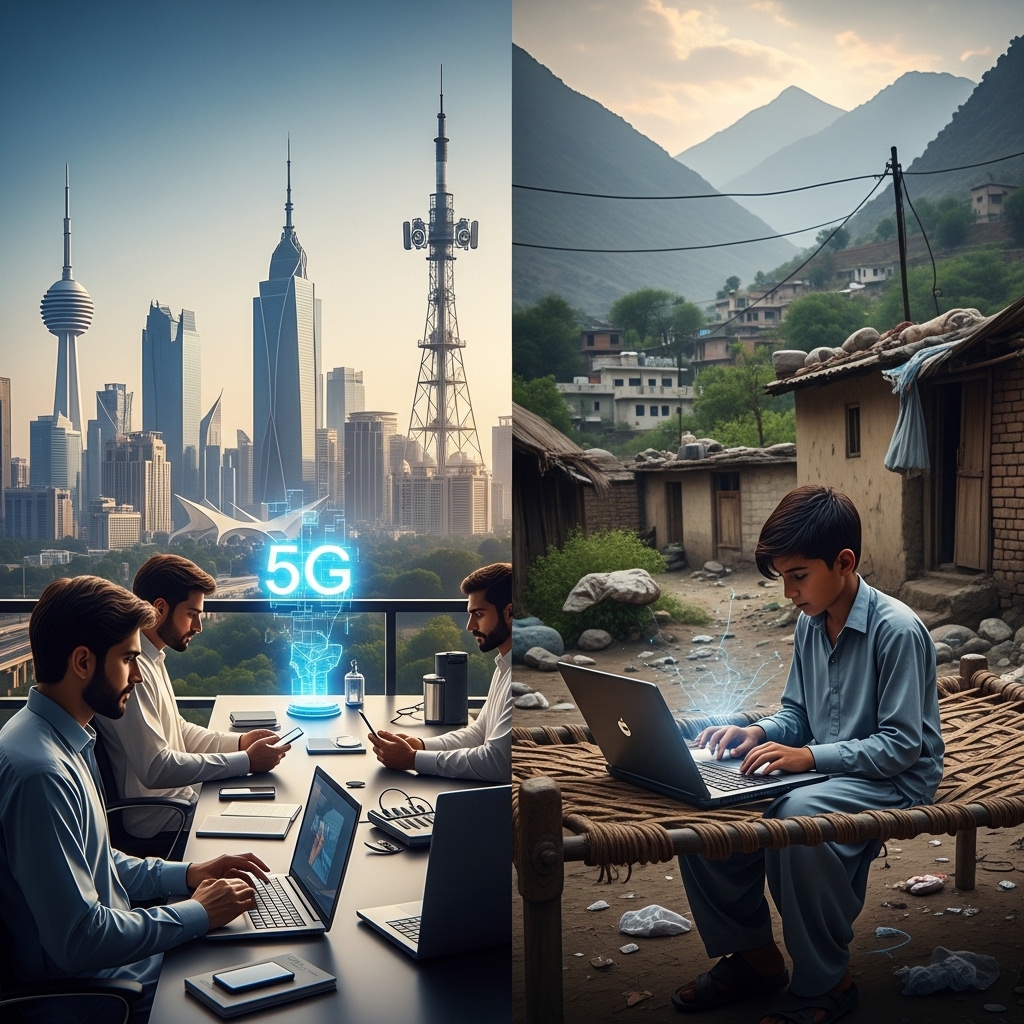
Pakistan’s freelancers are an economic success story: around three million of them, earning record foreign exchange (approaching and crossing the billion-dollar mark). But ask any Pakistani freelancer about the most frustrating part of the job, and many will say the same thing: getting paid. Receiving money from overseas clients in Pakistan is often slow, costly, and limited, PayPal still doesn’t operate here, and the available routes eat into earnings with fees and friction at every step. It’s a problem that has quietly cost Pakistani freelancers a fortune.
Now, a potential solution is getting serious attention: stablecoins. A recent report highlighted Pakistan’s freelance boom as a prime example of where stablecoins, a type of cryptocurrency designed to hold steady value, could improve cross-border payments and cut costs. And with Pakistan having just built a regulated framework for digital assets (through the Virtual Assets Act and PVARA), exploring this is more conceivable than ever. So could stablecoins finally fix how Pakistani freelancers get paid? Here’s an honest look: the payment problem, what stablecoins are, how they could help, how Pakistan’s new framework fits, and the real catches to keep in mind. (A note upfront: this is informational, not financial advice, and stablecoins/crypto carry risks and a regulated status in Pakistan, more on that throughout.)
Let’s start with the problem, because it’s genuinely significant and widely felt. For all their success, Pakistani freelancers face real, costly friction in simply receiving their hard-earned money from international clients. This is one of the biggest pain points in Pakistani freelancing (we’ve covered it before), and it matters.
Here’s the issue. PayPal, the world’s most common freelancer payment method, doesn’t operate in Pakistan (due to regulatory and compliance reasons), so Pakistani freelancers can’t use the global standard. The available alternatives (like Payoneer, Wise where available, bank transfers, and platform payouts) work, but involve friction and fees at multiple steps: platform withdrawal fees, payment-processor fees, currency-conversion costs, and bank charges, each taking a cut. The result is that freelancers often lose a meaningful chunk of their earnings to transaction costs and deductions, a real loss across three million freelancers and hundreds of millions of dollars. Payments can also be slow (taking days to arrive and clear), and the whole process can be cumbersome and uncertain. Industry leaders have repeatedly flagged this, noting the lack of seamless international payment platforms operating directly in Pakistan and calling for better payment infrastructure. So the payment problem is real and expensive: Pakistani freelancers earn well globally but lose significant money and face friction just getting paid. Any solution that makes payments faster, cheaper, and easier would be genuinely valuable. That’s exactly where stablecoins enter the conversation.
Let’s define stablecoins clearly, because understanding them is key, and they’re different from typical volatile crypto. A stablecoin is a type of cryptocurrency specifically designed to maintain a stable value, usually by being pegged to a stable asset like the US dollar (so one stablecoin is designed to always be worth about one dollar).
Here’s what that means and why it matters. Unlike Bitcoin or other cryptocurrencies, whose prices swing wildly (making them risky for payments), stablecoins aim to hold a steady value (the common ones are pegged to the US dollar, like USDT or USDC). This stability is the point: it makes them potentially usable as actual money for payments, since the value doesn’t wildly fluctuate between sending and receiving. Because they run on blockchain technology, stablecoins can be sent across borders quickly (often near-instantly) and cheaply (low transaction fees), directly between parties, without the traditional chain of banks and processors. So a stablecoin is essentially a “digital dollar” that can move across the world almost instantly and cheaply over the internet. You can see why this is interesting for cross-border payments: it potentially combines the stability of the dollar with the speed and low cost of digital/blockchain transfers. For freelancers getting paid from abroad, that’s a potentially powerful combination, which is exactly why stablecoins are being discussed as a possible fix for the payment problem. The concept genuinely fits the need.
Let’s connect the dots: how could stablecoins actually improve how Pakistani freelancers get paid? The potential benefits map directly onto the payment problem’s pain points. Here’s the case.
The potential advantages. Faster payments: stablecoins can be sent near-instantly across borders, versus the days traditional methods can take, so freelancers could get paid much faster. Lower costs: stablecoin transactions typically have low fees, so freelancers could lose far less of their earnings to the fees and deductions that currently eat into them (even a small reduction in costs, across billions in freelance and remittance flows, adds up enormously, PVARA has noted that cutting transfer costs by even one percentage point on Pakistan’s large remittance flows could save hundreds of millions of dollars a year). Fewer intermediaries: payments can move more directly, bypassing some of the chain of platforms, processors, and banks that each take a cut. Dollar-denominated stability: being pegged to the dollar, stablecoins let freelancers hold value in a stable “digital dollar” (relevant given rupee volatility), aligning with how many already prefer to keep earnings in dollars. Accessibility: stablecoins can potentially be received by anyone with a digital wallet and internet, which could help freelancers (including those underserved by traditional banking). And global marketplace adoption: as the report noted, international freelancing marketplaces and payment companies are increasingly adopting digital currencies to speed settlements and lower costs, so this isn’t fringe; it’s a direction the industry is moving. So the potential is real and well-matched: stablecoins could make freelancer payments faster, cheaper, more direct, and dollar-stable, directly addressing the problems freelancers face. That’s why it’s a genuinely promising idea worth taking seriously.
An important development makes this more than just theory, which is worth understanding. Until recently, crypto and digital assets existed in a largely prohibited, uncertain legal space in Pakistan, making stablecoin use for payments legally murky. That’s changed, and it’s why this conversation is happening now.
As we’ve covered, Pakistan established the Virtual Assets Act 2026, creating the Pakistan Virtual Assets Regulatory Authority (PVARA) to license and supervise virtual-asset businesses, moving the country from prohibition toward a regulated, supervised digital-asset framework. This matters for stablecoins and freelancer payments because it creates (or begins to create) a legal, regulated pathway for digital assets to be used in Pakistan, rather than operating in a grey or prohibited zone. It means that exploring stablecoin-based solutions for payments (including potentially for freelancers and remittances) is now something that can happen within a developing regulatory structure, with oversight, licensing, and rules, which is essential for it to be legitimate, safe, and bankable. PVARA itself has pointed to the large potential savings from reducing cross-border transfer costs (relevant to both freelancer payments and Pakistan’s huge remittance flows). So Pakistan’s new framework is the key enabler that moves stablecoin-for-payments from a theoretical idea toward a potential, regulated reality. It’s early, and the specifics are still developing, but the regulatory shift is what makes the stablecoin conversation genuinely possible now, rather than purely hypothetical. That’s a meaningful change.
In keeping with honest analysis, this is crucial: stablecoins are a promising potential fix, not a ready, proven, risk-free solution, and it’s important not to overstate it. Several honest catches matter a great deal.
The real barriers and risks. The “last mile” problem (the big one): even if a freelancer receives stablecoins easily, converting those digital dollars into usable Pakistani rupees in their bank account, legally, smoothly, and cheaply, remains a genuine challenge. This “off-ramp” (stablecoin to rupees) is exactly where friction, regulation, and cost can reappear, so stablecoins don’t automatically solve the whole payment chain. It’s early-stage and developing: Pakistan’s regulated framework (PVARA) is new and still being built out; the actual legal, licensed infrastructure for freelancers to use stablecoins smoothly and compliantly isn’t fully in place yet. Regulatory and compliance complexity: cross-border digital-asset payments involve significant regulatory, tax, anti-money-laundering, and compliance requirements, which are complex and still being worked out; freelancers must stay within the law. Risks of the crypto world: the broader digital-asset space carries real risks, scams, fraud, hacks (as the recent major exchange hack reminded everyone), technical mistakes (sending to the wrong address is irreversible), and even stablecoins aren’t entirely risk-free (they depend on the issuer and reserves holding their peg). Volatility at the edges: while stablecoins aim for stability, the surrounding ecosystem and conversion points can introduce uncertainty. And adoption and trust: for this to work at scale, platforms, businesses, regulators, and freelancers all need to adopt and trust it, which takes time. So the honest framing is that stablecoins offer genuine, exciting potential to improve freelancer payments, but significant barriers remain, especially the last-mile conversion to rupees, the early-stage regulation, and the real risks of the crypto space. It’s a promising direction being explored, not a plug-and-play solution freelancers can simply rely on today. Approach with interest, and caution.
Given the potential and the caveats, here’s practical, responsible guidance, because freelancers shouldn’t rush in recklessly, but can stay informed and ready. Here’s the sensible approach.
Practical stance. Stay informed, not reckless: follow this space with interest (it’s genuinely promising and evolving), but don’t jump into using stablecoins for payments based on hype or incomplete understanding. Keep using reliable current methods: for now, continue using your established, legal payment methods (Payoneer, bank channels, etc.), while watching how regulated stablecoin options develop. Prioritize legality and compliance: only use digital-asset payment methods within Pakistan’s legal, regulated framework as it develops (through PVARA-licensed, compliant channels), never in ways that break laws or risk your money; and understand your tax and compliance obligations. Understand the risks before acting: if and when you consider stablecoins, learn the real risks (last-mile conversion, scams, technical errors, regulatory requirements) and proceed carefully, with reputable, regulated services. Protect yourself: be extremely wary of scams (crypto scams are rampant), never share private keys or seed phrases, verify everything, and never risk more than you can afford. Wait for the infrastructure to mature: the smoothest, safest stablecoin payment solutions for freelancers will likely come as the regulated infrastructure (licensed platforms, clear rules, easy compliant off-ramps) matures, so patience and readiness, rather than rushing, is wise. And consult professionals: for anything involving significant money, legal, or tax questions, consult qualified professionals. The bottom line: find stablecoins genuinely promising and worth watching, stay informed and ready, but be patient, cautious, legal, and risk-aware, and keep using reliable methods until regulated stablecoin solutions genuinely mature. Smart interest, not reckless rushing.
This question carries real significance for Pakistan.
For freelancers’ earnings: solving the payment problem (whether via stablecoins or other means) would let Pakistan’s three million freelancers keep more of their hard-earned money, directly benefiting livelihoods and foreign-exchange inflows.
For foreign exchange and remittances: cheaper, faster cross-border payments (for freelancers and the huge remittance flows) could save Pakistan hundreds of millions of dollars a year and bring more money through legal channels, genuinely valuable for the economy.
For financial innovation: exploring stablecoin solutions within a regulated framework positions Pakistan to modernize its cross-border payments and participate in a significant global fintech trend.
For the digital-asset journey: this is a concrete, high-value potential application of Pakistan’s new PVARA framework, giving real purpose to its regulated embrace of digital assets, if developed safely and well.
The key insight is that stablecoins represent a genuinely promising potential solution to a real, costly problem for Pakistani freelancers, how to receive overseas payments quickly, cheaply, and in stable value, but realizing that potential requires patience, careful development within Pakistan’s new regulated framework, and clear-eyed awareness of the real barriers and risks. The problem is real and expensive: three million freelancers losing significant money and facing friction just to get paid, with no PayPal and costly alternatives. And the fit is genuinely compelling: stablecoins (digital dollars that move near-instantly and cheaply across borders) directly address the speed, cost, and dollar-stability pain points, which is exactly why a serious report flagged Pakistan’s freelance boom as a prime stablecoin opportunity, and why Pakistan’s new Virtual Assets Act and PVARA framework make exploring it newly possible. So the potential is real and exciting, and worth taking seriously.
But the honest wisdom is that this is a promising direction being explored, not a ready, plug-and-play fix. The biggest practical hurdle, the “last mile” of converting stablecoins into usable rupees legally, smoothly, and cheaply, remains genuinely challenging, and the regulated infrastructure to do all this safely and compliantly is still early and developing. Add the real risks of the crypto space (scams, hacks, technical errors, and the fact that even stablecoins aren’t entirely risk-free), and the sensible stance for freelancers is clear: watch this space with genuine interest and optimism, but don’t rush in recklessly. Keep using reliable, legal payment methods now; stay informed and ready; only ever use digital-asset options within Pakistan’s legal, regulated framework as it matures; understand the risks and your compliance obligations; protect yourself from scams; and be patient for the infrastructure to develop into something smooth and safe. For Pakistan broadly, pursuing stablecoin-based payment solutions, carefully, within the PVARA framework, could meaningfully reduce the costs that drain freelancer earnings and remittances, potentially saving the economy hundreds of millions and keeping more money in legal channels, a genuinely worthwhile goal. The hope is that regulators, platforms, and the ecosystem develop safe, compliant, easy-to-use stablecoin options that finally ease the payment pain Pakistani freelancers have long endured. Until then, the smart approach is informed, patient, cautious optimism: the potential is real, the direction is promising, and the careful pursuit of it, within the law and with eyes open to the risks, is exactly right. Stablecoins might finally help fix how Pakistani freelancers get paid, but the key word, for now, is “might,” and getting there safely is the work ahead. Watch, prepare, and proceed wisely.
Expect growing exploration of stablecoins and digital-asset solutions for cross-border payments (including freelancer payments and remittances) in Pakistan, as the global trend accelerates and Pakistan’s regulated framework (PVARA) develops. Watch whether licensed, compliant, easy-to-use infrastructure emerges, especially solutions to the “last mile” (smooth, legal stablecoin-to-rupee conversion), which is the key to making this genuinely practical for freelancers.
If Pakistan develops safe, regulated stablecoin payment solutions well, freelancers could eventually receive payments faster, cheaper, and more easily, keeping more of their earnings, a genuine improvement, with broader savings for remittances and the economy. If the infrastructure, regulation, or trust lags, the potential will remain partly unrealized for a while. The trajectory depends on careful, compliant development. For now, stablecoins for freelancer payments are a promising, closely-watched possibility, best approached with informed, patient optimism as the regulated ecosystem matures. The payment problem is real, the potential solution is genuinely exciting, and the careful path to realizing it, safely and legally, is what lies ahead. Freelancers should stay informed and ready, while continuing to use reliable methods today.
Could stablecoins finally fix how Pakistani freelancers get paid? The honest answer is: genuinely, possibly, but not yet, and not automatically. The problem is real and costly, Pakistan’s three million freelancers earn record foreign exchange but lose significant money to slow, expensive, limited payment options (with no PayPal and fees at every step). And stablecoins (digital dollars that move near-instantly and cheaply across borders) are a genuinely compelling potential fix, directly addressing the speed, cost, and dollar-stability pain points, which is why they’re being seriously discussed, and why Pakistan’s new regulated digital-asset framework (the Virtual Assets Act and PVARA) makes exploring them newly possible. The potential is real and exciting: faster, cheaper, more direct, dollar-stable payments that could save freelancers (and the economy) substantial money. But the honest catches matter: the “last mile” of converting stablecoins into usable rupees legally and smoothly remains a real challenge, the regulated infrastructure is early and developing, and the crypto space carries genuine risks (scams, hacks, technical errors). So this is a promising direction being explored, not a ready, plug-and-play solution. The smart approach for freelancers is informed, patient, cautious optimism: watch this space with genuine interest, keep using reliable legal methods now, only use digital-asset options within Pakistan’s regulated framework as it matures, understand the risks and your obligations, protect yourself from scams, and be patient for safe, compliant infrastructure to develop. If Pakistan gets this right, carefully and within the law, stablecoins could meaningfully ease the payment pain that has long cost freelancers a fortune, keeping more money in their pockets and in legal channels. The potential is genuinely worth watching and working toward. For now, stay informed, stay safe, and keep earning, while a promising possible fix takes shape. Pakistan’s freelancers deserve a better payment system, and stablecoins just might, carefully and in time, help deliver it.
This article is for general informational and explanatory purposes only, based on reports and the digital-asset landscape in 2026, which are early-stage and evolving. It is NOT financial, investment, tax, or legal advice, and nothing here is a recommendation to buy, sell, use, or hold any cryptocurrency, stablecoin, or digital asset. Stablecoins and cryptocurrencies carry significant risks (including scams, fraud, hacks, technical errors, regulatory and tax requirements, and peg/issuer risks), and digital assets have a regulated, developing legal status in Pakistan. Always understand the current laws, use only legal and regulated (PVARA-compliant) channels, comply with tax and reporting obligations, protect your assets and data, be alert to scams, and consult qualified financial, tax, and legal professionals before taking any action. Do not act solely on this article.
Pakistan has roughly three million freelancers earning record foreign exchange (a record $197 million in September 2026, ~$550 million in Q1 FY27, up 46% year-on-year, per State Bank of Pakistan data), but they lose significant money to slow, costly, limited cross-border payment options. PayPal doesn’t operate in Pakistan (regulatory/compliance reasons), and alternatives (Payoneer, Wise, bank transfers, platform payouts) involve fees at multiple steps (withdrawal, processing, conversion, bank charges), eating into earnings. A Payoneer report (November 2026, via Nukta) highlighted Pakistan’s freelance boom as a prime case where stablecoins could improve cross-border payments and cut costs.
What stablecoins are: cryptocurrencies designed to maintain a stable value, usually pegged to the US dollar (e.g., USDT, USDC), so one aims to always be worth ~$1. Unlike volatile crypto (Bitcoin), their stability makes them potentially usable as money. Running on blockchain, they can be sent across borders near-instantly and cheaply, essentially “digital dollars” over the internet.
How they could help freelancers: faster payments (near-instant vs. days); lower costs (low fees, so less lost to deductions, PVARA estimates cutting transfer costs 1 percentage point on ~$40bn remittances could save Pakistan ~$400 million/year); fewer intermediaries; dollar-denominated stability (relevant given rupee volatility, many already prefer holding earnings in dollars); accessibility (anyone with a wallet and internet); and growing global marketplace adoption of digital currencies.
How Pakistan’s framework fits: Pakistan moved from a largely prohibitive crypto stance to a regulated framework, the Virtual Assets Act 2026 and the Pakistan Virtual Assets Regulatory Authority (PVARA), creating a developing legal, regulated pathway for digital assets, which makes exploring stablecoin payment solutions newly possible (with oversight, licensing, rules).