Pakistan ranks #16 out of 177 countries in the Global Outsourcing Talent Index 2026 by Ataraxis Management, placing it in the top 8.3% globally. It scores highest on labor cost competitiveness (97/100, ahead of India) and strong on talent availability (80/100, #8 worldwide), with digital infrastructure (30/100) its main weakness. (52 words)
Let's start with the facts. The Global Outsourcing Talent Index 2026, compiled by Ataraxis Management, ranks countries on how attractive they are as outsourcing destinations. Pakistan came in at #16 out of 177 countries, which places it in the top 8.3% globally.
The index scores countries on four things: talent availability, labor cost competitiveness, digital infrastructure, and English proficiency. Pakistan's total score was around 80.9.
One point needs clarity, because it sounds surprising. The ranking places Pakistan ahead of the UK (#29), the US (#86), and Japan (#144). This does not mean Pakistan's economy is bigger or stronger than theirs. It means Pakistan is more competitive as an outsourcing destination, a place companies hire from to get good work at lower cost. For wealthy countries, that is naturally a weaker position, because their own labor is expensive. For Pakistan, it is a genuine strength.
The clearest reason the world hires Pakistan is cost, and the numbers show it plainly. On labor cost competitiveness, Pakistan scored 97 out of 100. That is actually higher than India's 96, which is notable given India's dominance in global outsourcing.
For a company in the US, UK, or Europe, hiring skilled talent at home is expensive. Hiring equally skilled talent in Pakistan can cost a fraction of that. For the same budget, a company gets more work, or the same work for far less. In a world where businesses are under constant pressure to control costs, that advantage is powerful.
This is the foundation of Pakistan's remote economy. The country offers real skill at a price global companies find very attractive.
Cost alone is not enough. Cheap work that is poor quality helps no one. The second reason Pakistan ranks so well is that the talent is genuinely there.
Pakistan scored 80 out of 100 on talent availability, which ranks 8th in the world on that measure alone. The country produces large numbers of engineers, developers, designers, and marketers every year. Commonly outsourced roles include full-stack engineering, data analysis, graphic design, digital marketing, mobile development, database engineering, and copywriting.
This combination, strong talent at low cost, is the sweet spot. It is why companies do not just experiment with Pakistani hires but come back for more. The work holds up, and the price is right.
The third factor is language, and it is quietly important. Pakistan scored 60 out of 100 on English proficiency, equal to India and China.
English is the working language of global business and technology. A skilled developer who cannot communicate clearly with an international client is far less useful than one who can. Pakistan's widespread use of English in education and professional life gives its workers a real edge in serving clients in the US, UK, Middle East, and beyond. It removes a barrier that holds back talent in many other low-cost countries.
Now the honest part. Pakistan's weakest score, by far, was digital infrastructure, at just 30 out of 100.
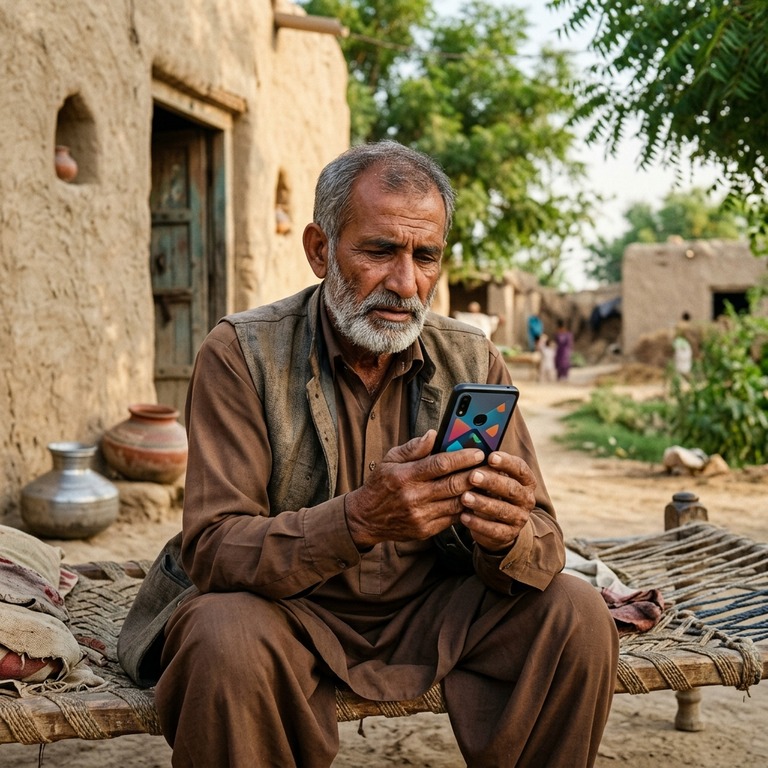
This is the gap that holds the country back. Unreliable electricity and inconsistent internet are real problems for people whose work depends on being online. A brilliant, affordable, English-speaking workforce still loses jobs if the power cuts out during a client call or the connection drops mid-project.
The size of this gap is also the size of the opportunity. According to the index analysis, if Pakistan improved its digital infrastructure score from 30 to just 50, its overall ranking would jump from #16 to #11. In other words, fixing the one clear weakness would move Pakistan meaningfully up the global table. Nothing else needs to change. The talent and cost advantages are already there.
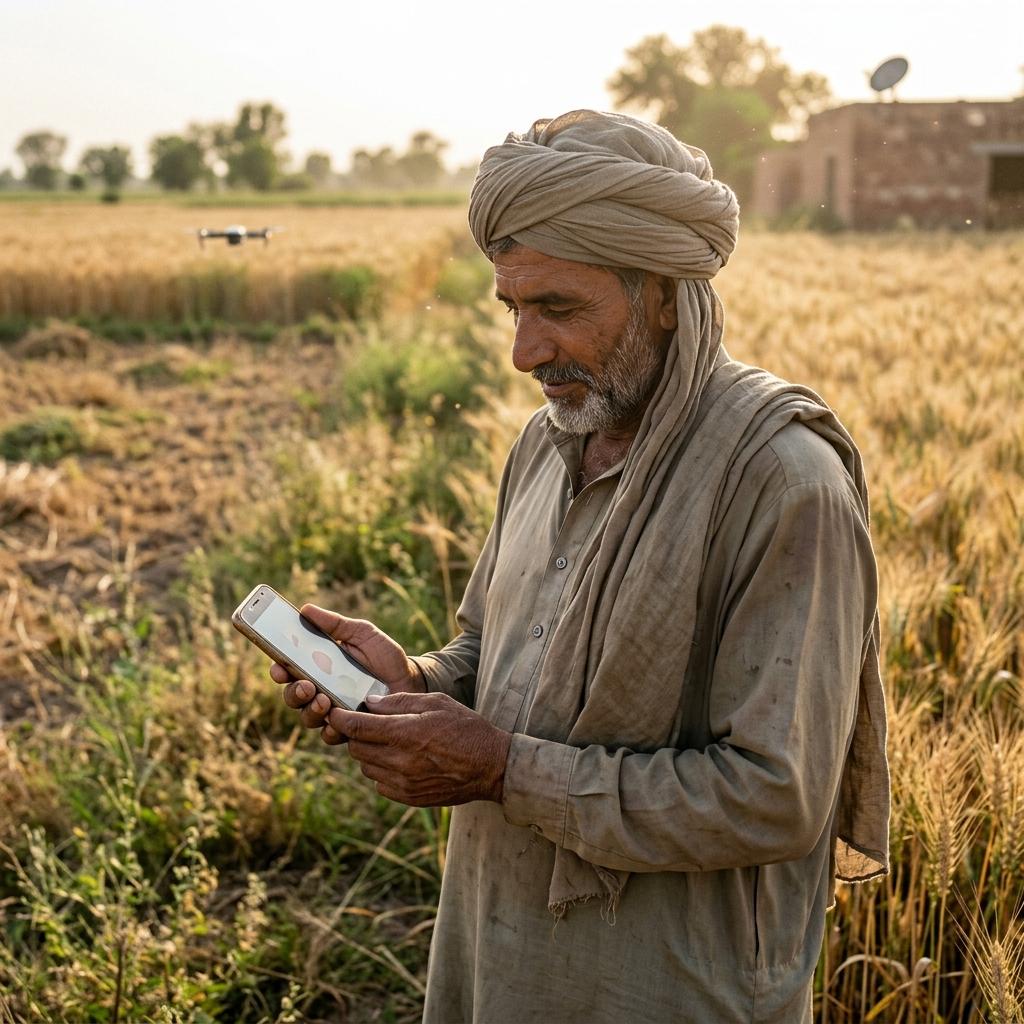
For Pakistani workers, understanding this is genuinely useful. You are not being hired out of charity. You are being hired because you offer a rare combination the world wants: real skill, fair price, and the ability to communicate. Knowing your strengths helps you price your work with confidence and market yourself effectively.
For the economy, outsourcing and remote work bring in foreign currency without physical exports. Every global company that hires a Pakistani worker is, in effect, a small export deal. Scaled across hundreds of thousands of workers, this is a major economic force.
For policymakers, the message could not be clearer. The talent is world-class and the cost advantage is unbeatable. The single biggest lever to pull is infrastructure, reliable power and fast, consistent internet. Fix that, and Pakistan climbs.
For the country's global image, a top-8.3% ranking is a credibility signal. It tells the world that hiring from Pakistan is not a gamble but a smart, competitive choice.
The honest read of this ranking is encouraging but clear-eyed. Pakistan's position is built on genuine, structural advantages: a large, skilled, English-capable workforce available at globally competitive rates. Those are not easy for other countries to replicate quickly, which makes the advantage durable.
But the infrastructure weakness is not a minor footnote. It is the one thing actively limiting how high Pakistan can climb and how much of the global demand it can capture. Individual workers can partly work around it with backup power and internet, but the country-level fix requires real investment.
The strategic lesson is simple. Pakistan should lead with its strengths, cost, talent, and language, while treating infrastructure as the top priority to fix. The ranking shows a country that is already highly competitive and could be even more so with one focused improvement. That is a strong position to be in.
The demand side looks favorable. As global companies continue to embrace remote work and hunt for cost efficiency, especially in a world adopting AI and automation, the appetite for skilled, affordable talent is not shrinking. Pakistan is well placed to capture a growing share of that demand.
Whether it does depends largely on infrastructure. If power and internet reliability improve over the coming years, Pakistan could climb from #16 toward the top 10, capturing more of the world's outsourcing work. If infrastructure stays weak, the country will keep performing well but leave opportunity on the table. The talent and cost advantages are proven. The question is whether the foundation beneath them gets strong enough to support the full potential.
Pakistan's #16 ranking in the Global Outsourcing Talent Index 2026 answers a simple question: why is the world hiring Pakistan? Because it offers a rare mix of genuine skill, unbeatable cost, and strong English, a combination that puts it ahead of even wealthy nations on outsourcing competitiveness.
The one thing standing between Pakistan and an even higher rank is infrastructure. The talent has already done its part. For Pakistani workers, the takeaway is to recognize and lead with that strength. For the country, it is to fix the one weakness that is holding back a workforce the world already wants to hire. The demand is real. The potential is bigger still.
This article is for general information only. Rankings and figures are based on reported data and may change in future editions.
Pakistan ranks #16 out of 177 countries in the Global Outsourcing Talent Index 2026, compiled by Ataraxis Management, placing it in the top 8.3% globally. The index scores countries on talent availability, labor cost competitiveness, digital infrastructure, and English proficiency. Pakistan's strengths: labor cost competitiveness at 97/100 (slightly ahead of India's 96), talent availability at 80/100 (ranked #8 worldwide), and English proficiency at 60/100 (equal to India and China). Its clear weakness is digital infrastructure at just 30/100, reflecting unreliable power and internet. On outsourcing competitiveness specifically (not overall economic strength), Pakistan ranks ahead of the UK (#29), the US (#86), and Japan (#144), because wealthy nations have expensive domestic labor. Commonly outsourced roles include full-stack engineering, data analysis, graphic design, digital marketing, mobile development, database engineering, and copywriting. Crucially, the analysis notes that raising Pakistan's infrastructure score from 30 to 50 would lift its overall rank from #16 to #11, with no other changes, making infrastructure the single highest-impact fix. For Pakistani workers, the lesson is that they are hired for a rare combination of skill, low cost, and English ability, so they should price and market themselves with confidence. For the economy, remote work and outsourcing bring foreign currency without physical exports. For policymakers, infrastructure (reliable power and fast internet) is the top priority. The demand outlook is favorable as global remote hiring grows. This is general information based on reported data, which may change.