Google officially opened its Pakistan office in Islamabad on August 18, 2026, inaugurated by Prime Minister Shehbaz Sharif alongside Google Vice President for Global Affairs Wilson L. White. The move marks a major expansion of Google's presence, follows the start of Chromebook manufacturing in Haripur, and signals growing big-tech confidence in Pakistan's digital economy.
When one of the world's largest technology companies plants a flag in your country, it's worth paying attention. On August 18, 2026, Google officially opened its office in Islamabad, marking a significant expansion of the tech giant's presence in Pakistan, and a moment of genuine pride and opportunity for the country's growing digital economy.
The inauguration was high-profile, and the symbolism is real: a global tech leader formally committing to Pakistan. But what does it actually mean, beyond the headlines and photo ops? Here's what happened, what's genuinely new about it, and an honest look at what it could mean for Pakistan, its youth, and its tech future.
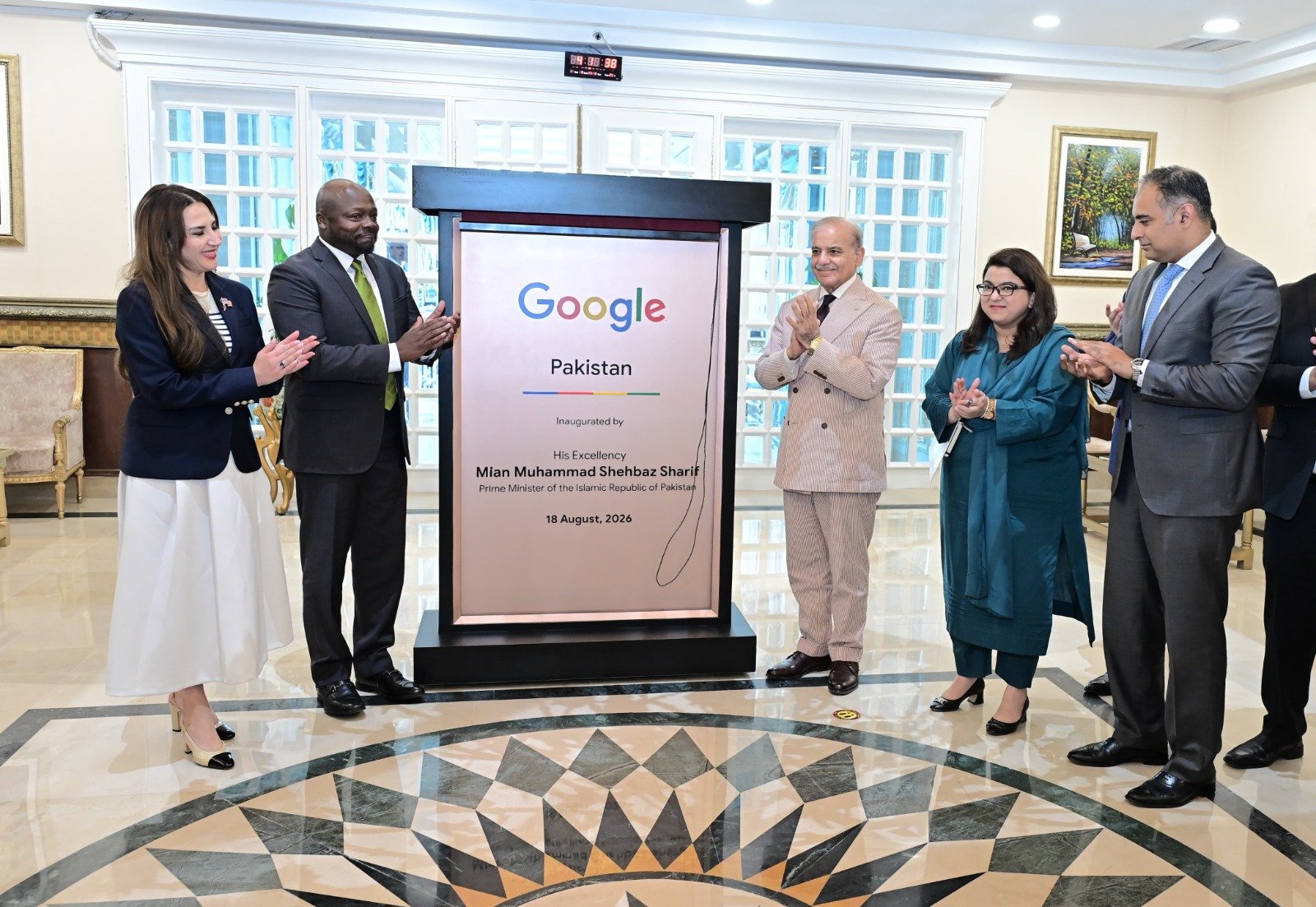
Let's start with the facts of the event. Google officially opened its Pakistan office in Islamabad, and the inauguration reflected its importance. Prime Minister Shehbaz Sharif inaugurated the office during a meeting with Google Vice President for Global Affairs Wilson L. White, with US Chargé d'Affaires Natalie Baker also in attendance.
The tone from the government was optimistic and forward-looking. The Prime Minister said Google's arrival comes as Pakistan accelerates its digital transformation, and could create significant opportunities for cooperation in technology, governance, and the digital economy. He particularly highlighted Pakistan's young population, framing the country's large youth workforce as a key asset that could help transform its economic prospects.
In short: a formal, high-level inauguration of Google's physical office in the capital, positioned by the government as a milestone in Pakistan's digital journey.
Here's some useful context, because you may recall "Google office" news before. Google's relationship with Pakistan has developed in stages over several years, and it's worth being clear about what's new now versus what came earlier.
Google first registered as a company with the Securities and Exchange Commission of Pakistan (SECP) back in 2022, establishing a liaison office, an early, limited step focused on exploring the market. Then, in late 2025, the process advanced significantly: Google completed further registration steps, and notably, manufacturing of Google Chromebooks began in Haripur, with plans for around 500,000 to 600,000 units annually. Now, in August 2026, comes the formal inauguration of its Islamabad office.
So this isn't Google appearing from nowhere, it's the culmination of a multi-year entry that has progressively deepened. What's new and significant is the formal, physical office and the high-level commitment it represents, building on the earlier registration and the Chromebook manufacturing. Understanding this progression helps see the milestone clearly: it's a real step forward, and the latest, most concrete stage of a deepening presence.
Beyond symbolism, a Google office carries genuine potential importance for Pakistan. Here's why it's a meaningful development.
A formal office signals confidence. When a company like Google commits to a physical presence, it signals that it sees Pakistan as a market worth investing in, which can encourage other multinational tech companies to follow. It can also bring tangible benefits over time: local job creation, skills development and training programs, closer support for Pakistan's developer and business community, and deeper investment in local initiatives. Google has historically run training, scholarship, and developer-support programs in markets it enters, and the Chromebook manufacturing already represents real local economic activity and technology transfer.
For a country working hard to grow its digital economy and attract foreign investment, having a global tech leader formally establish itself is a genuine vote of confidence, and potentially a catalyst for more.
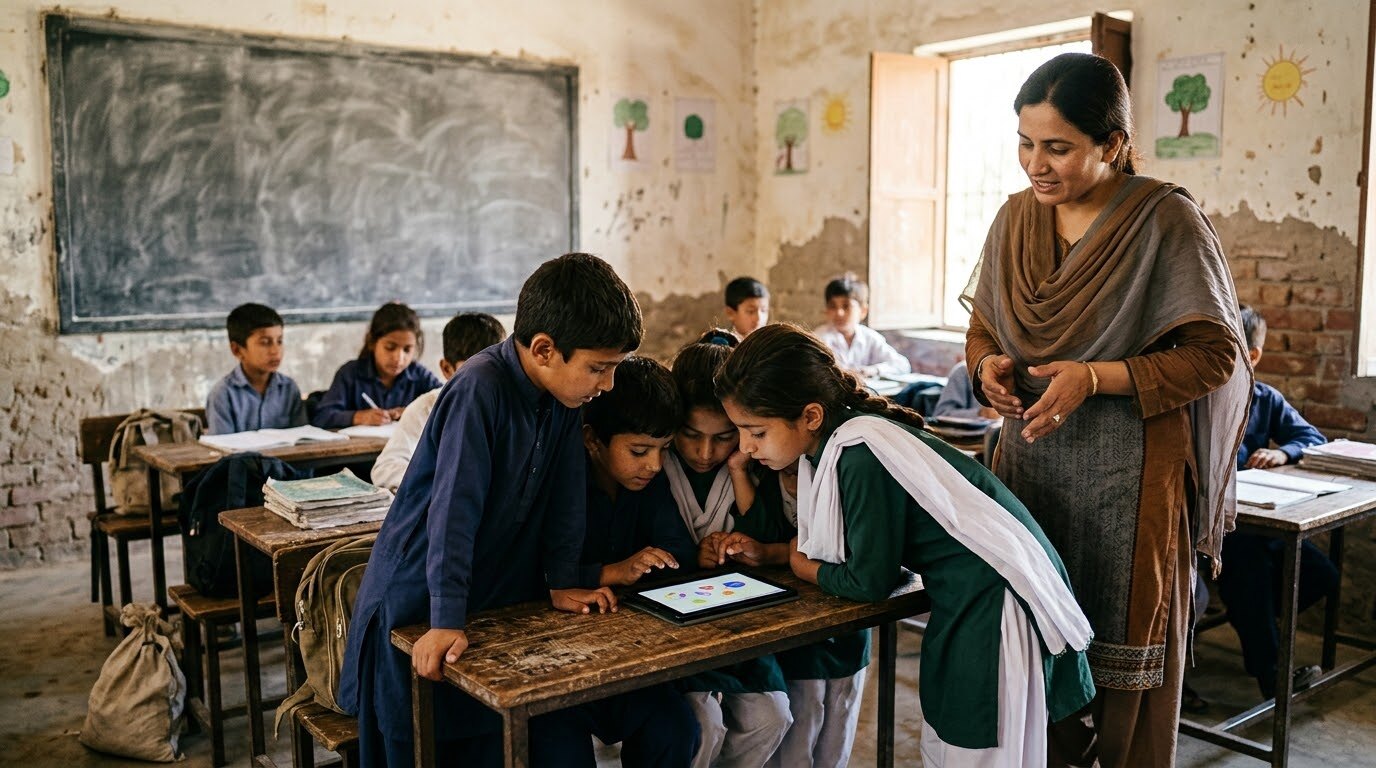
The Prime Minister's emphasis on youth points to perhaps the most meaningful opportunity here. Pakistan has one of the world's youngest populations, a massive cohort of young people entering the workforce, and this is exactly the resource that makes the country attractive to tech companies.
A stronger Google presence could benefit this youth in several ways: expanded access to training and certification programs (Google has offered scholarships and skills programs in Pakistan before), more opportunities to build on Google's platforms and tools, potential jobs and internships, and inspiration and credibility for the local tech ecosystem. If Google invests meaningfully in developing Pakistani talent, as it has in some other markets, the ripple effects for young people's skills and employability could be substantial. This alignment, Google's need for talent and markets, and Pakistan's need for opportunity for its youth, is where the real potential lies.
Balanced perspective matters, so let's be honest about the caveats alongside the optimism. An office opening is a beginning, not a guarantee, and its real value depends on what follows.
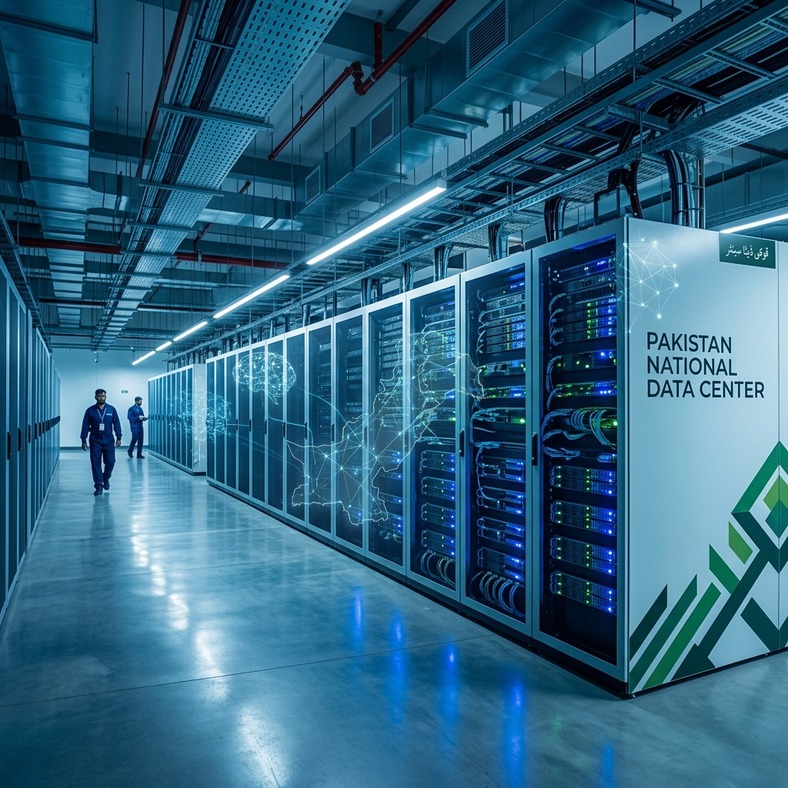
A few honest points. First, the scale and nature of Google's operations here will determine the actual impact, a liaison and support office is different from a major engineering or data-center investment, and it's not yet clear how large Google's commitment will ultimately be. Second, Pakistan has sometimes seen high-profile announcements that delivered less than hoped, so the meaningful measure will be concrete outcomes: jobs created, programs launched, investments made. Third, there are real contextual challenges, from internet reliability to policy consistency, that shape how much any tech company can do here. None of this diminishes the milestone, it's genuinely positive, but it's a reason to welcome it with grounded optimism rather than hype. The office is the opportunity; what Google and Pakistan build with it is what will matter.
This development has real potential implications across Pakistan's tech landscape.
For students and young professionals, a stronger Google presence could mean more training, certifications, and opportunities to build skills that are globally valuable, worth watching for programs to engage with.
For developers and startups, closer local support from Google (tools, platforms, developer programs, potential partnerships) could help the ecosystem, and the credibility of Google's presence can attract further investment and attention.
For the broader tech sector, Google's commitment may encourage other multinationals to establish or deepen their presence, expanding opportunities across the industry.
For Pakistan's economy, foreign tech investment, local manufacturing (like Chromebooks), and the signal of confidence all support the country's digital-economy and foreign-investment goals.
The balanced view is that this is a genuinely positive and meaningful development for Pakistan, one worth celebrating, while keeping expectations realistic. A global tech leader formally opening an office, backed by real activity like local Chromebook manufacturing and high-level government engagement, is a legitimate milestone that reflects growing confidence in Pakistan's market and youth.
The key insight is that this milestone's ultimate value lies in what it enables next. The best outcome is that Google's presence becomes a catalyst: driving skills programs that upskill Pakistani youth, encouraging other investment, supporting the local developer ecosystem, and deepening over time into more substantial operations. That's the opportunity. Realizing it will depend on sustained commitment from Google, a supportive and stable environment from Pakistan, and follow-through on both sides. For now, Pakistanis can welcome this as real, encouraging news, a sign the country is increasingly on the global tech map, while watching to see the concrete benefits unfold. Milestones matter most when they're built upon.
Watch for the concrete next steps that will reveal the office's real impact: what programs Google launches (training, scholarships, developer support), how many jobs it creates, whether it deepens into larger operations, and whether other multinationals follow. The Chromebook manufacturing scaling up will also be worth tracking as a sign of real, sustained investment.
Combined with Pakistan's other digital-economy moves, this Google milestone adds momentum to the narrative that the country is becoming a more serious tech destination. Whether that narrative translates into transformative benefits for Pakistanis will depend on execution and follow-through in the months and years ahead.
Google officially opening its Islamabad office is a genuine milestone for Pakistan, a global tech leader formally committing to the country, inaugurated at the highest level, and building on real activity like local Chromebook manufacturing. It signals growing confidence in Pakistan's market and, crucially, its young population, and could catalyze training, jobs, investment, and further multinational interest. It's encouraging, welcome news that reflects Pakistan's rising profile on the global tech map. At the same time, the honest measure of its success will be what comes next: the concrete programs, jobs, and investments that follow the ribbon-cutting. For now, it's a moment of real optimism, and an opportunity that Pakistan and its youth are well-positioned to make the most of. The flag is planted; now comes the building.
This article is for general informational purposes only and reflects news reported on August 18, 2026. Details about the scope, scale, and future plans of Google's operations in Pakistan may evolve; verify current information through official sources. This is not investment advice.
Google officially opened its Pakistan office in Islamabad on August 18, 2026, marking a major expansion of the tech giant's presence. Prime Minister Shehbaz Sharif inaugurated the office during a meeting with Google Vice President for Global Affairs Wilson L. White, with US Chargé d'Affaires Natalie Baker in attendance. The PM said Google's arrival comes as Pakistan accelerates its digital transformation and could create significant opportunities in technology, governance, and the digital economy, highlighting Pakistan's young population as a key asset.
Context (what's new vs. earlier): Google's entry developed in stages, it first registered with the Securities and Exchange Commission of Pakistan (SECP) and established a liaison office in 2022, then advanced in late 2025 when Chromebook manufacturing began in Haripur (around 500,000–600,000 units annually). The August 2026 formal office inauguration is the latest, most concrete stage of this multi-year, deepening presence, not a sudden arrival.
Significance: a formal office signals confidence that can encourage other multinationals, and may bring job creation, skills/training programs, developer support, and investment. Google has previously offered scholarships and training in Pakistan. The biggest opportunity aligns with Pakistan's large youth population and Google's need for talent and markets.
Honest caveats: an office opening is a beginning, not a guarantee. The actual impact depends on the scale of operations (a support/liaison office differs from major engineering or data-center investment), follow-through on concrete outcomes (jobs, programs, investment), and contextual challenges like internet reliability and policy consistency. The milestone is genuinely positive but best welcomed with grounded optimism; its value lies in what Google and Pakistan build next.
Informational only; details may evolve; verify via official sources; not investment advice.