Pakistan's IT exports reached a record $4.6 billion in fiscal year 2025-26, a 21% increase from $3.814 billion, according to State Bank data. Freelancers crossed $1 billion for the first time, up 50% year-on-year and contributing about 25% of total IT exports. The result met the lower target but missed the $5 billion goal.
Pakistan's technology sector just closed its best year ever. IT exports reached a record $4.6 billion in fiscal year 2025-26, cementing technology as one of the country's most important and fastest-growing economic engines. But the most striking part of the story is not the headline number, it is who is driving it.
For the first time in history, Pakistani freelancers alone earned over $1 billion, now making up a full quarter of the country's IT exports. This is a genuine milestone worth celebrating, and an honest look at both the achievement and what still holds Pakistan back. Here is the full picture.
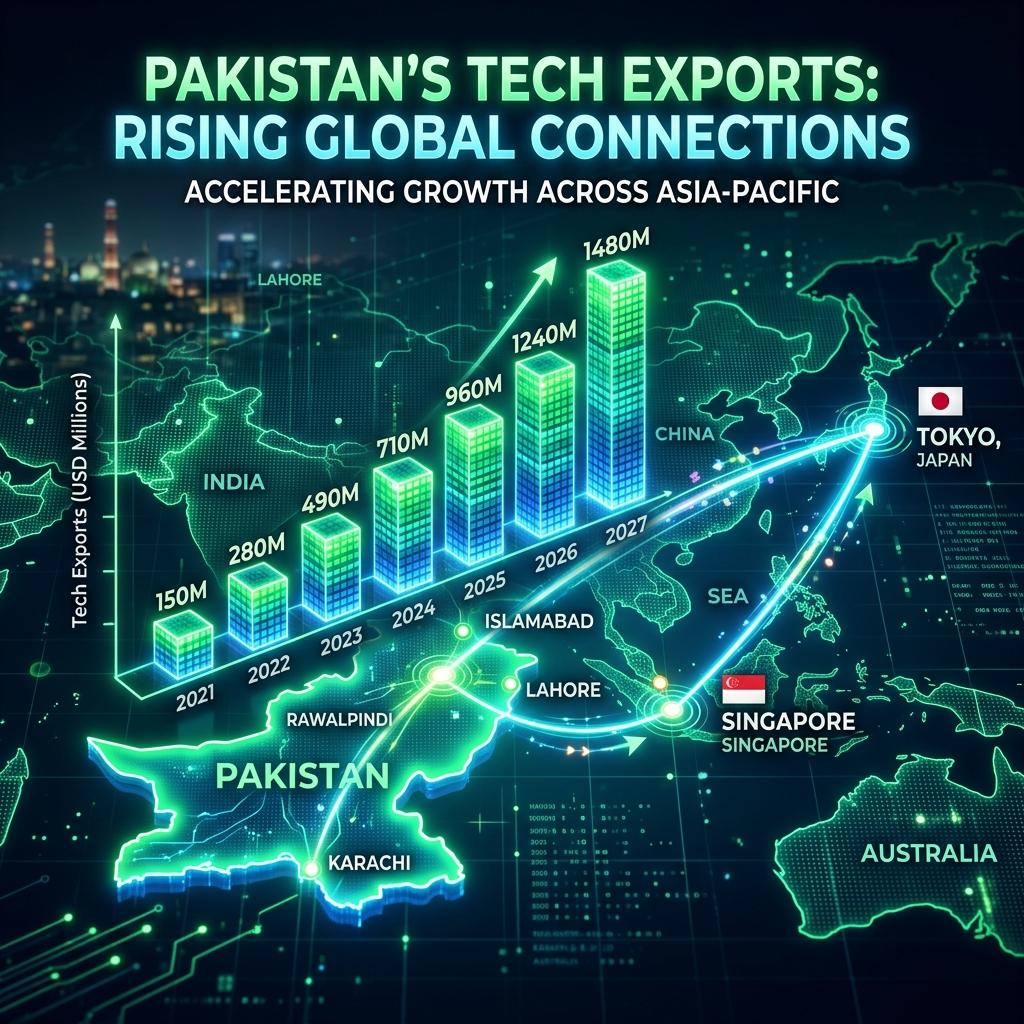
The numbers are officially in, and they are strong. According to the State Bank of Pakistan's Balance of Payments data, IT exports (under the "Telecommunications, Computer and Information Services" category) rose 21% to a record $4.6 billion in FY26, up from $3.814 billion the previous year.
The year ended on a high note. Exports reached $416 million in June 2026, the highest monthly figure on record, up 22.7% from a year earlier. The final quarter (April-June) brought in $1.212 billion, showing sustained global demand for Pakistani digital services.
This confirms IT as Pakistan's largest services export category, accounting for nearly half of all services exports, and a rare bright spot delivering a substantial trade surplus for the country.
Here is the milestone that matters most. For the first time ever, Pakistani freelancers earned over $1 billion in a single year. Freelancer export earnings surged roughly 50% year-on-year to cross the billion-dollar mark, now contributing around 25%, a full quarter, of Pakistan's total IT exports.
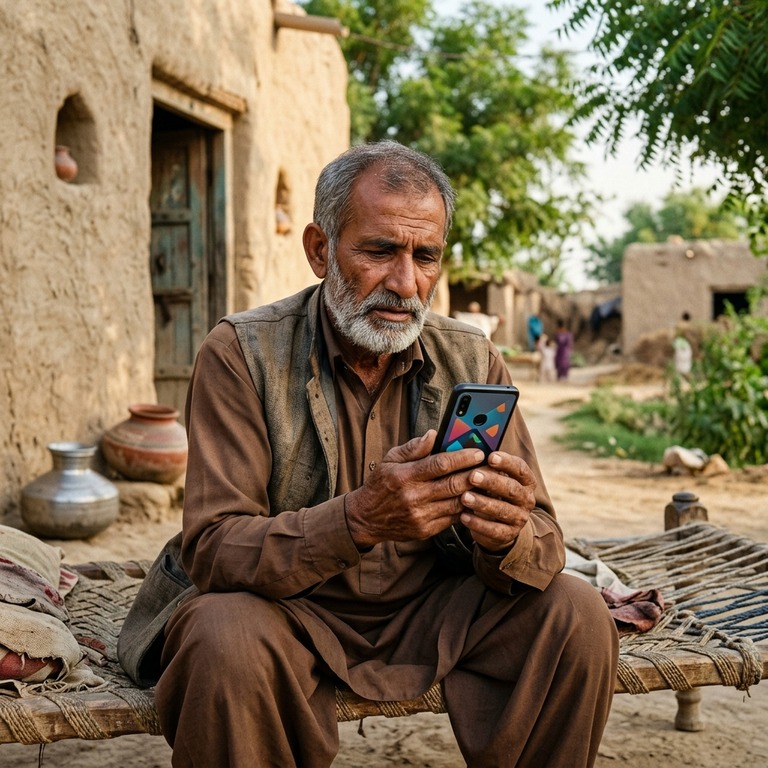
This is remarkable for what it represents. It means individual Pakistanis, working independently from home offices and co-working spaces across the country, collectively out-earned many entire industries. Pakistan now has more than 2.37 million registered freelancers, making it the world's fourth-largest freelance market.
The growth rate is the real signal. Freelancer earnings growing 50% in a single year, far outpacing the sector's overall 21%, shows that independent digital work is one of the most dynamic forces in Pakistan's entire economy. Notably, many freelancers are evolving into micro-agencies and technology startups, a natural progression that multiplies their economic impact.
Balanced reporting means acknowledging the full picture. While $4.6 billion is a record, it fell about $400 million short of the government's ambitious $5 billion target for the year.
The framing depends on where you look. The result met the lower end of the government's stated $4.5-5 billion target range, so it was not a failure, but the headline $5 billion goal was not reached. This matters because it points to real, persistent constraints that keep capping the sector below its potential.
Industry leaders have been candid about this. One described the record as "encouraging but only a fraction of Pakistan's potential." The gap between what Pakistan achieves and what it could achieve is the sector's defining challenge.
Understanding the constraints is essential, because they are consistent and fixable. Industry voices repeatedly point to the same binding issues that cap the sector's ceiling.
The main culprits are internet reliability (outages and slow connectivity directly cost freelancers and firms work), international payment friction (moving money in and out of Pakistan remains harder than for competitors), and policy inconsistency (frequent changes in taxes and rules undermine long-term planning). There is also a deeper structural issue: much of Pakistan's IT export remains cost-competitive outsourcing and freelancing, rather than higher-value proprietary products and enterprise contracts.
None of these are insurmountable, and recent reforms (like the State Bank's removal of per-transaction paperwork for freelancers) show progress. But until connectivity, payments, and policy stability are genuinely fixed, Pakistan will keep leaving money on the table.
The government's ambitions go much further, and the math reveals the challenge. Under the Uraan Pakistan national economic plan, the target is $10 billion in IT exports by FY2028-29, more than doubling current levels in a few years.
That requires a serious acceleration. Reaching $10 billion would demand annual growth of nearly 30%, well above the 21% achieved this year. Closing that gap will require more than just expanding freelancing and outsourcing.
The path forward is clear, if difficult. Experts say it depends on helping firms move into higher-value services, build proprietary products, develop global sales capabilities, and win larger, longer-term enterprise contracts. In other words, Pakistan must climb the value chain, not just do more of the same. Encouragingly, growth is already diversifying into MENAP and European markets, a healthy sign.
These numbers translate into real opportunity across the ecosystem.
For freelancers, the $1 billion milestone is validation and momentum. It proves the path works, attracts more support and better infrastructure, and signals that independent digital work is a legitimate, powerful career, one where Pakistan ranks among the world's largest markets.
For startups and firms, the record demonstrates strong global demand for Pakistani tech services and a maturing ecosystem, though the value-chain challenge is a direct call to build products, not just provide services.
For students and young professionals, the message is that tech and digital skills lead to genuine, growing opportunity, both in freelancing and in an expanding formal sector.
For the economy, IT exports provide vital foreign exchange and a rare trade surplus, making the sector central to Pakistan's economic stability and future.
The honest expert consensus captures both sides. Industry leaders have called this record "both a watershed moment and a reminder of Pakistan's untapped potential."
That dual framing is exactly right. The achievement is real, record exports, a freelancer billion-dollar milestone, and a maturing ecosystem represent genuine, hard-won progress. But the missed target and persistent constraints are a wake-up call that Pakistan is still performing below its structural potential given its talent and cost advantages.
The most important insight is about direction. The freelance surge shows where the raw energy is, in Pakistan's people and their skills. The task for policymakers and industry is to remove the friction (connectivity, payments, policy) and help the sector climb from cost-competitive work toward high-value products. Do that, and the $10 billion goal becomes realistic. Fail to, and Pakistan keeps setting records that still fall short of what it could achieve.
Watch several things in the coming year: whether freelancer earnings keep their explosive growth, whether firms begin moving up the value chain into products and enterprise deals, whether infrastructure and payment reforms actually reduce friction, and whether growth accelerates toward the ~30% needed for the $10 billion goal.
The foundation is strong and the trajectory is upward. The question is whether Pakistan can remove its own barriers fast enough to reach its full potential.
This article is for general informational purposes only and reflects official figures reported in 2026. Some sources cite slightly different freelancer earnings figures depending on methodology (SBP receipts vs. broader remittance data). Statistics are as reported; this is not financial advice.
Pakistan's IT exports reached a record $4.6 billion in fiscal year 2025-26, a 21% increase from $3.814 billion in FY25, according to State Bank of Pakistan Balance of Payments data. This is the highest annual figure in the sector's history, confirming IT as Pakistan's largest services export category (nearly half of all services exports) with a substantial trade surplus. June 2026 brought a record $416 million (up 22.7% year-on-year), and Q4 (April-June) reached $1.212 billion.
The standout milestone: Pakistani freelancers crossed $1 billion in earnings for the first time, surging roughly 50% year-on-year and contributing about 25% of total IT exports. Pakistan has over 2.37 million registered freelancers, the world's fourth-largest freelance market, and many are evolving into micro-agencies and startups. (Some government sources cite higher remittance-based freelancer figures depending on methodology.)
Honest context: the $4.6 billion met the lower end of the government's $4.5-5 billion target range but missed the headline $5 billion goal by about $400 million. Industry leaders called it "both a watershed moment and a reminder of Pakistan's untapped potential." Persistent constraints include internet reliability, international payment friction, policy inconsistency, and over-reliance on cost-competitive outsourcing/freelancing rather than higher-value proprietary products.
The government's Uraan Pakistan plan targets $10 billion in IT exports by FY2028-29, requiring nearly 30% annual growth (above FY26's 21%). Reaching it depends on firms moving into higher-value services, building products, developing global sales, and winning enterprise contracts. Growth is already diversifying into MENAP and European markets.
Informational only; figures are as reported and vary by methodology; not financial advice.