The National Artificial Intelligence Advancement Initiative (NAAI) is Pakistan's plan to establish seven AI Hubs, in Islamabad, Lahore, Karachi, Peshawar, Quetta, Muzaffarabad, and Gilgit, to incubate 560 startups over two years and give non-dilutive seed grants to 150. Launched under the National AI Policy, it focuses on healthcare, agriculture, fintech, and more.
Pakistan has just taken one of its most concrete steps yet toward building a real artificial intelligence economy, and this one is aimed squarely at founders. The government has launched a national program to create seven AI hubs across the country, incubate hundreds of startups, and hand out seed money to turn ideas into businesses.
For anyone dreaming of building an AI company in Pakistan, or wondering whether the country's big AI ambitions translate into real opportunity, this matters. Here is exactly what NAAI involves, where the hubs will be, what founders can access, and an honest look at whether it can deliver.
The initiative is the government moving from AI policy to AI infrastructure. The Ministry of Information Technology and Telecommunication (MoITT) has launched the National Artificial Intelligence Advancement Initiative (NAAI) to establish seven AI Hubs across Pakistan, as part of implementing the country's National AI Policy.
Its ambition is to unify the whole ecosystem. NAAI aims to create a unified ecosystem connecting startups, academia, industry, investors, and government institutions under a single national framework, positioning Pakistan as a regional center for AI-driven development. Officials describe it as one of the government's most comprehensive interventions yet, moving beyond writing policy toward building the institutional infrastructure to support AI entrepreneurship at scale.
In plain terms: rather than just talking about AI, the government is trying to build the physical places and funding pipelines where AI companies actually get made.
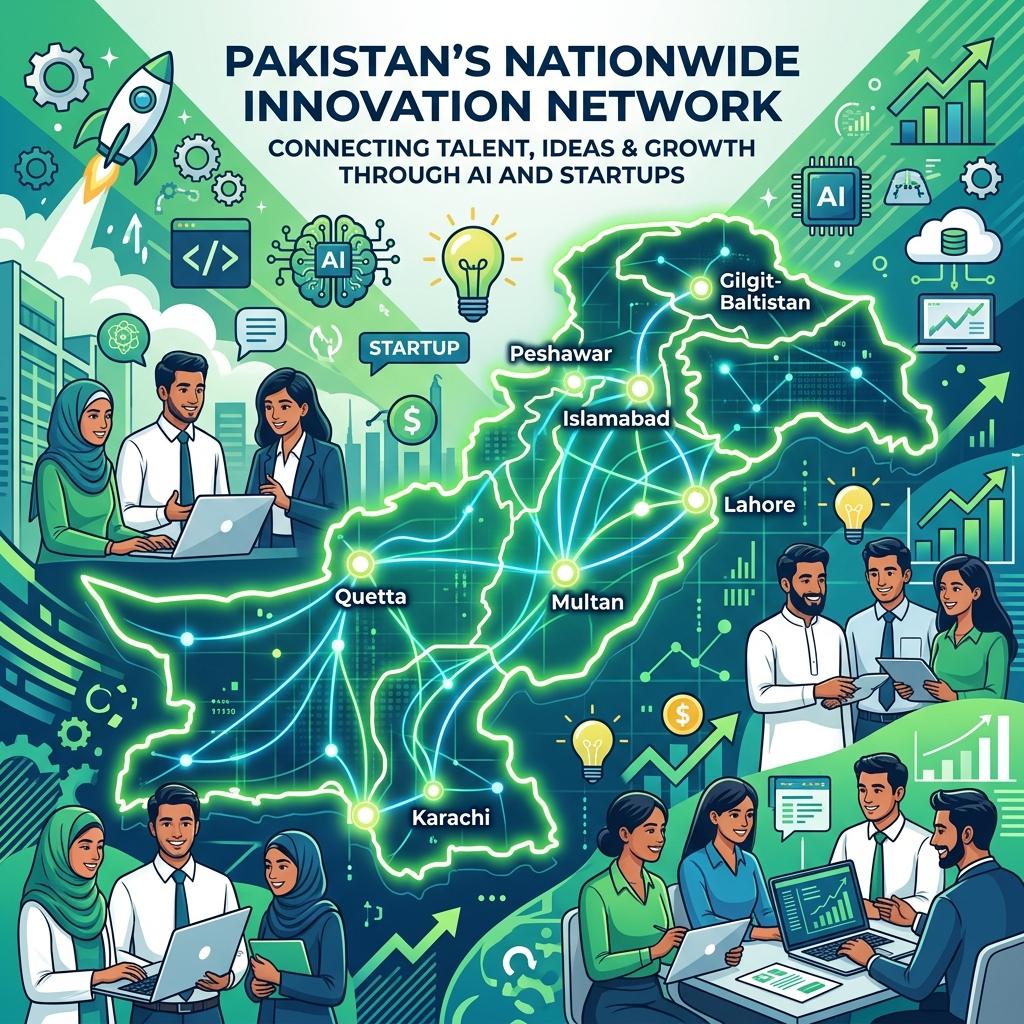
The geographic spread is one of the most encouraging features. AI Hubs will be established in seven cities: Islamabad, Lahore, Karachi, Peshawar, Quetta, Muzaffarabad, and Gilgit.
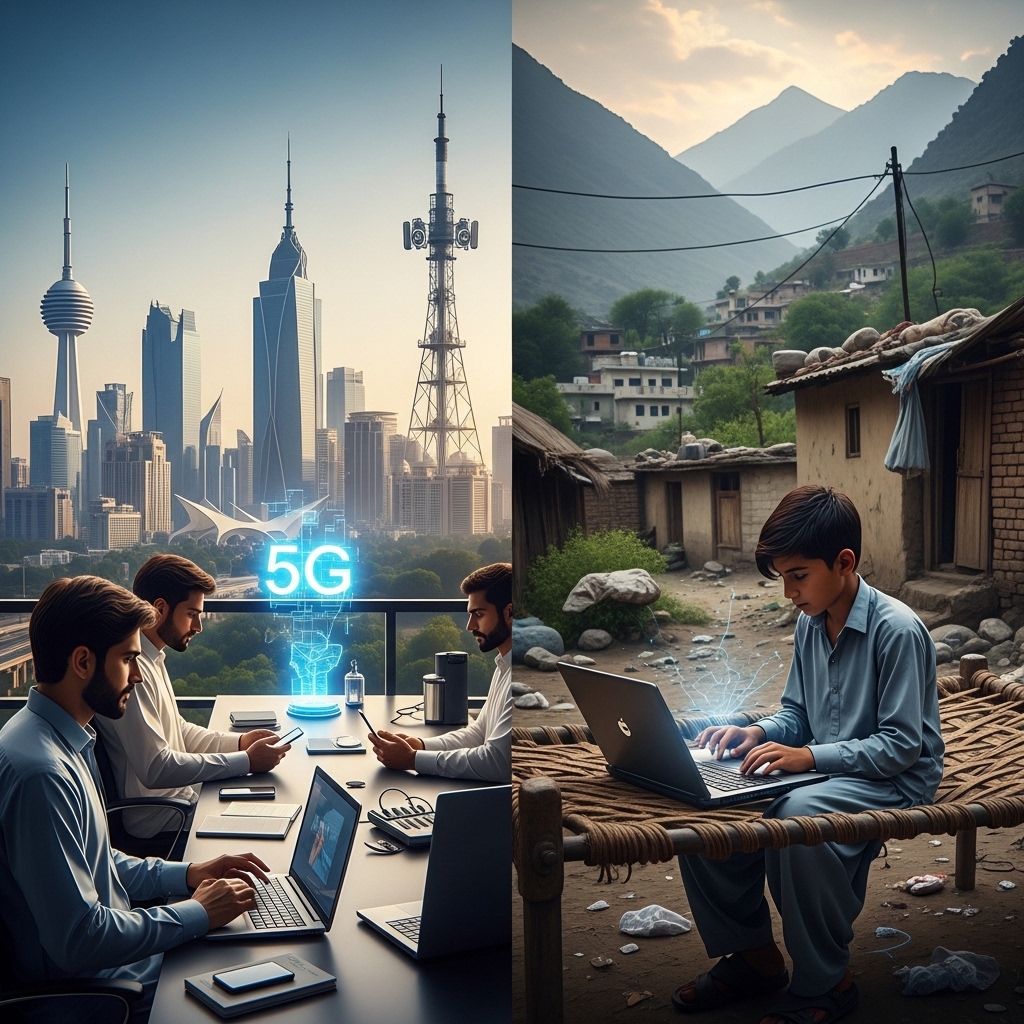
This is genuinely significant. Rather than concentrating everything in the big three tech centers (Islamabad, Lahore, Karachi), the plan deliberately includes Peshawar, Quetta, Muzaffarabad, and Gilgit, spreading opportunity to regions usually left out of the tech conversation. For talented young people in Balochistan, Khyber Pakhtunkhwa, Azad Kashmir, and Gilgit-Baltistan, a local AI hub could be transformational, a rare case of tech investment reaching beyond the major cities.
This is the part that matters most for entrepreneurs, and the structure is concrete. Each hub will admit 40 startups annually across two cohorts, adding up to a target of 560 startups incubated over the two-year program.
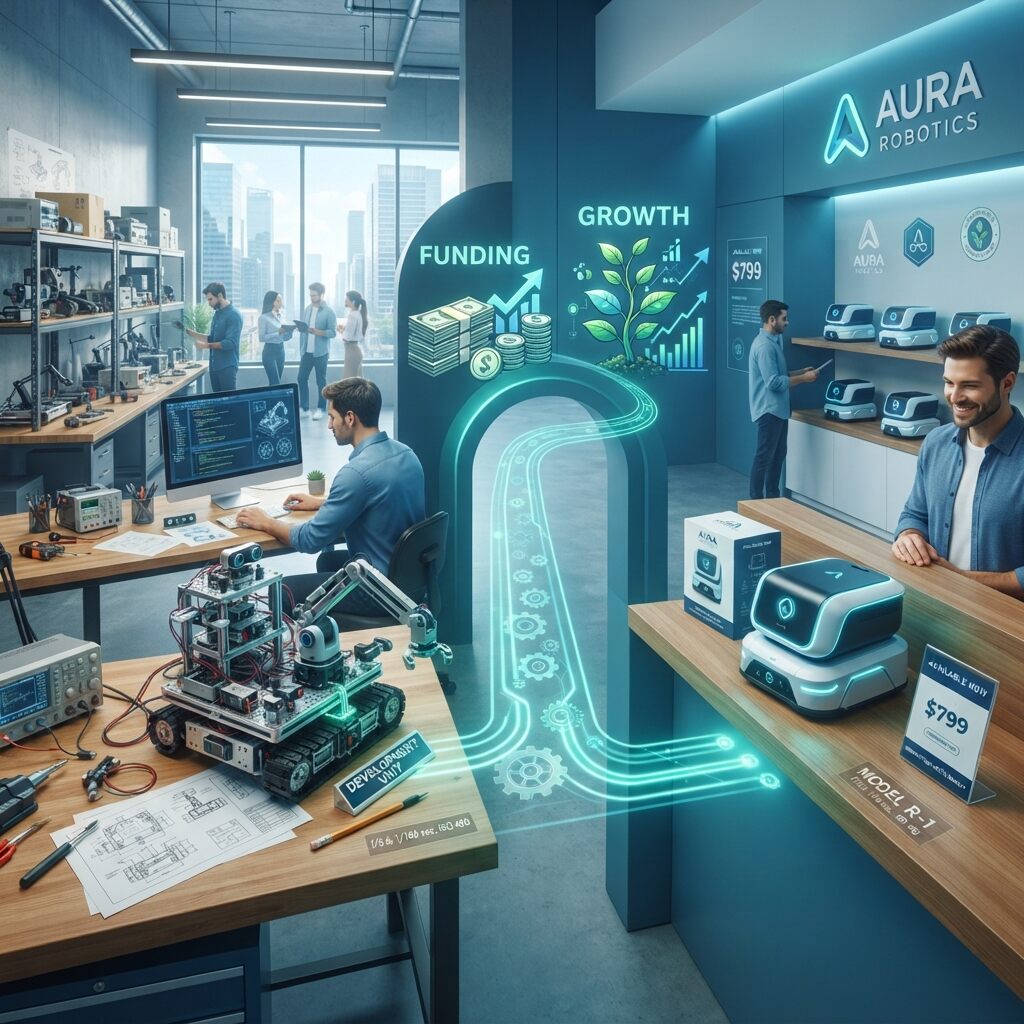
The support is substantial. Startups get dedicated workspaces, modern office infrastructure, high-speed internet, collaboration areas, mentorship facilities, and hybrid working setups, the practical foundation many Pakistani founders lack. Crucially, there is real money attached: 150 startups will receive non-dilutive seed grants.
That word "non-dilutive" is important and founder-friendly. It means the grants come without taking equity, the government helps fund your startup without owning a piece of it, unlike typical investors. For early founders, that is genuinely valuable. Beyond money and space, selected startups will be connected with venture capital firms, incubators, and international technology networks, opening doors to further investment and global partnerships.
Encouragingly, NAAI targets real Pakistani problems rather than abstract tech. The hubs will focus on practical AI applications in healthcare, agriculture, education, fintech, public-sector governance, and smart cities.
This sector focus is smart. These are exactly the areas where AI could deliver the most impact for Pakistan: improving healthcare access, boosting agricultural productivity in a farming economy, expanding education, advancing financial inclusion through fintech, and making government services work better. Directing AI innovation toward these problems, rather than just chasing global trends, is the right priority for a developing economy.
One feature deserves special attention. NAAI includes an explicit mandate to include women and individuals from rural communities.
This matters a great deal. Pakistan's tech sector, and AI globally, skews heavily male and urban. Building inclusion into the program's design from the start, rather than as an afterthought, is genuinely progressive and important. Combined with hubs in underserved regions, it signals a real intent to make this a national opportunity, not just one for privileged urban men. If delivered, this could bring new talent into Pakistani tech that has long been overlooked.
The delivery model is designed for accountability. The ministry will select a single company or consortium to design, establish, operate, and sustain all seven hubs, under a performance-based two-year contract (renewable for a third year), and an RFP has already been issued.
There is also a sensible focus on lasting impact. Beyond incubation, the operator must run two national hackathons and four AI awareness sessions, provide structured training for startups, students, professionals, and government officials, and, importantly, build sustainable revenue models through industry partnerships, membership fees, and commercial training, so the hubs can eventually stand on their own rather than depending on government funding forever. That long-term sustainability thinking is a mature and welcome design choice.
NAAI creates real, tangible opportunities across the ecosystem.
For aspiring AI founders, this is a direct opportunity, free workspace, mentorship, potential non-dilutive grants, and investor connections. If you have an AI idea, these hubs are designed to help you build it.
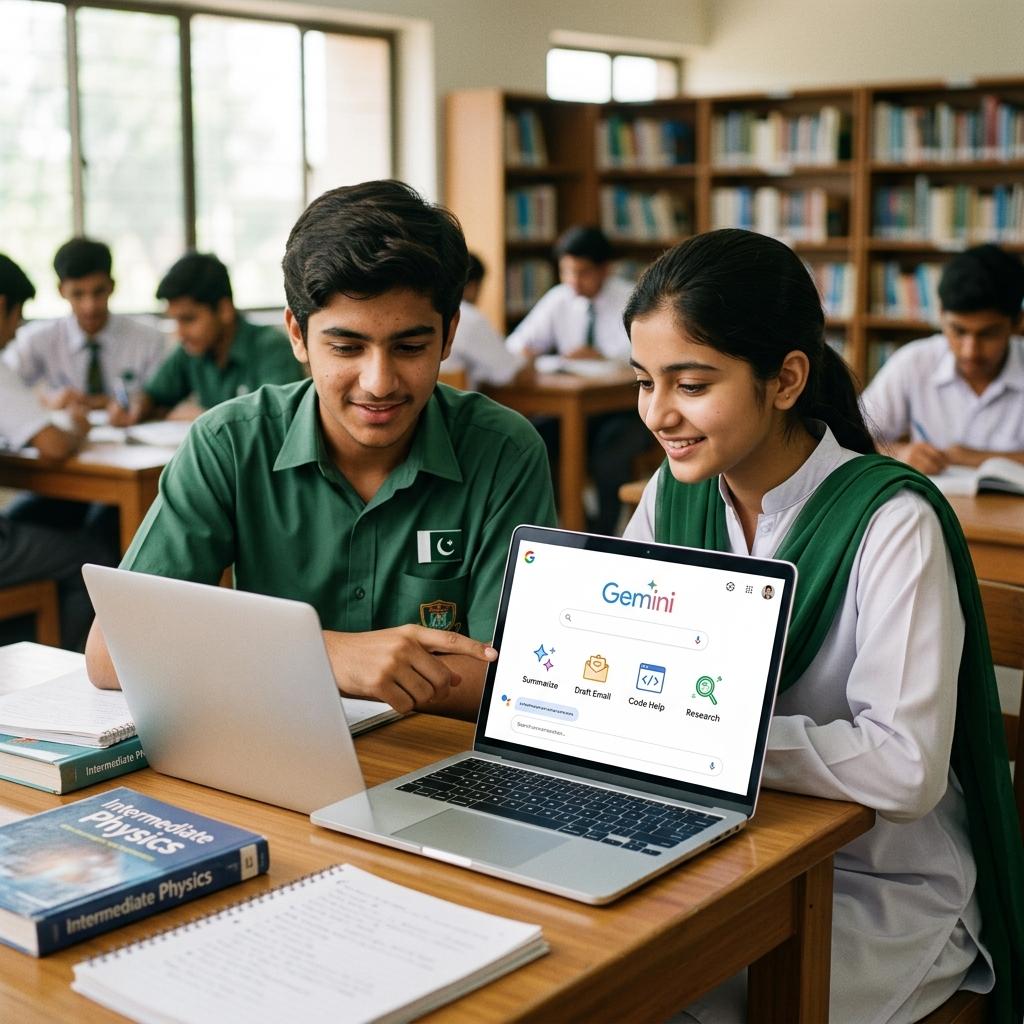
For students and young professionals, especially in smaller cities, the hubs, training, and hackathons offer access to the AI ecosystem that simply did not exist locally before.
For the startup ecosystem, a structured pipeline of incubated, funded AI startups could meaningfully strengthen Pakistan's deep-tech scene, addressing the country's known weakness in converting talent into fundable companies.
For Pakistan's economy, if even a fraction of these 560 startups succeed, the payoff in jobs, innovation, and exports could be substantial.
Here is the honest assessment. On paper, NAAI is genuinely well-designed. Its concrete structure (specific cities, startup numbers, non-dilutive grants), its focus on real sectors, its inclusion mandate, and its attention to long-term sustainability are all encouraging signs of serious thinking. This is more substantive than a vague vision statement.
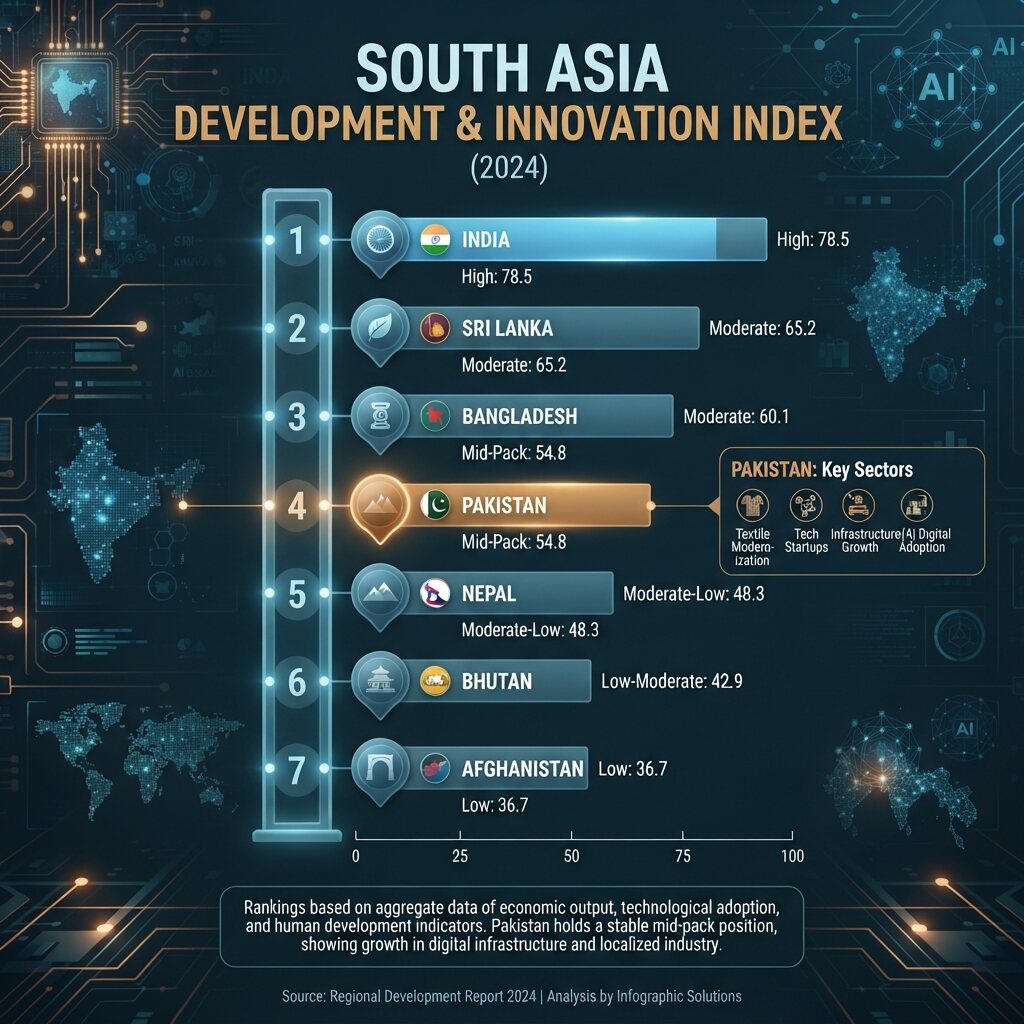
But the familiar caveat applies. Pakistan has a strong record of announcing ambitious tech programs and a weaker record of executing them consistently. The country ranks eighth of seventeen regionally in AI readiness, held back not by ideas but by delivery. The value of NAAI will depend entirely on execution: whether the hubs actually get built and equipped, whether the operator performs, whether grants reach founders efficiently, and whether the program survives budget cycles and political changes over its two-plus years.
There are also fair questions about scale and funding sustainability that will only be answered in practice. The design is right; the delivery is everything. For now, founders should treat this as a real, promising opportunity worth pursuing, while watching closely to see if it materializes as described.
Watch for the concrete next steps: which operator wins the contract, when the first hubs open, how startups apply, and how the first cohort is selected. Those milestones will signal whether NAAI is moving from document to reality.
If it delivers, NAAI could become a genuine engine for Pakistani AI entrepreneurship and a model for inclusive, nationwide tech development. Combined with Pakistan's other AI moves, the $1 billion plan, the new data centers, the training programs, it forms part of an increasingly serious national AI push. Execution over the next two years will tell the real story.
The National AI Advancement Initiative is one of the most concrete and thoughtfully designed steps Pakistan has taken toward building a real AI economy. Seven hubs across the country, including underserved regions, 560 startups incubated, 150 non-dilutive grants, a focus on problems that actually matter, and a mandate to include women and rural communities, this is what moving from AI policy to AI infrastructure looks like. The design deserves genuine credit. The test, as always, is delivery. If you are a founder, student, or aspiring AI entrepreneur in Pakistan, keep a close eye on NAAI, it may be one of the best opportunities to build in AI that Pakistan has ever offered. Now the country has to actually build it.
This article is for general informational purposes only and reflects announcements and official documents from 2026. Program details, timelines, and application processes may change; verify current information through official MoITT channels before acting.
Pakistan's Ministry of Information Technology and Telecommunication (MoITT) launched the National Artificial Intelligence Advancement Initiative (NAAI) in late July 2026, under the National AI Policy, to establish seven AI Hubs nationwide, incubate 560 startups over two years, and distribute non-dilutive seed grants to 150 startups, positioning Pakistan as a regional AI innovation hub.
The seven hubs will be located in Islamabad, Lahore, Karachi, Peshawar, Quetta, Muzaffarabad, and Gilgit, notably including underserved regions beyond the main tech centers. Each hub will admit 40 startups annually across two cohorts (560 total). Startups receive dedicated workspaces, modern office infrastructure, high-speed internet, collaboration areas, and mentorship facilities. 150 startups get non-dilutive seed grants (funding without equity dilution), and selected startups will be connected to venture capital firms, incubators, and international technology networks.
The hubs focus on practical AI applications in healthcare, agriculture, education, fintech, public-sector governance, and smart cities. NAAI includes an explicit mandate to include women and individuals from rural communities, addressing tech's gender and urban skews.
Delivery model: MoITT will select a single company or consortium (via an already-issued RFP) to design, establish, operate, and sustain all seven hubs under a performance-based two-year contract (renewable for a third year). The operator must also run two national hackathons, four AI awareness sessions, structured training, and develop sustainable revenue models (partnerships, membership fees, commercial training) to reduce long-term government dependency.
Honest assessment: the design is concrete and thoughtful, but Pakistan has a strong record of ambitious tech announcements and a weaker execution record (it ranks 8th of 17 regionally in AI readiness). Success depends entirely on delivery.